
Why Fairfield's Garage Doors Fail the Way They Do
Fairfield's housing stock dates mostly to 1954-1984, built before insulated garage doors were required.
Read moreWhy 1960s-era Fairfield garage doors leak cold air and how the original seals on this housing stock hold up against a severe cold climate band.
Local detail
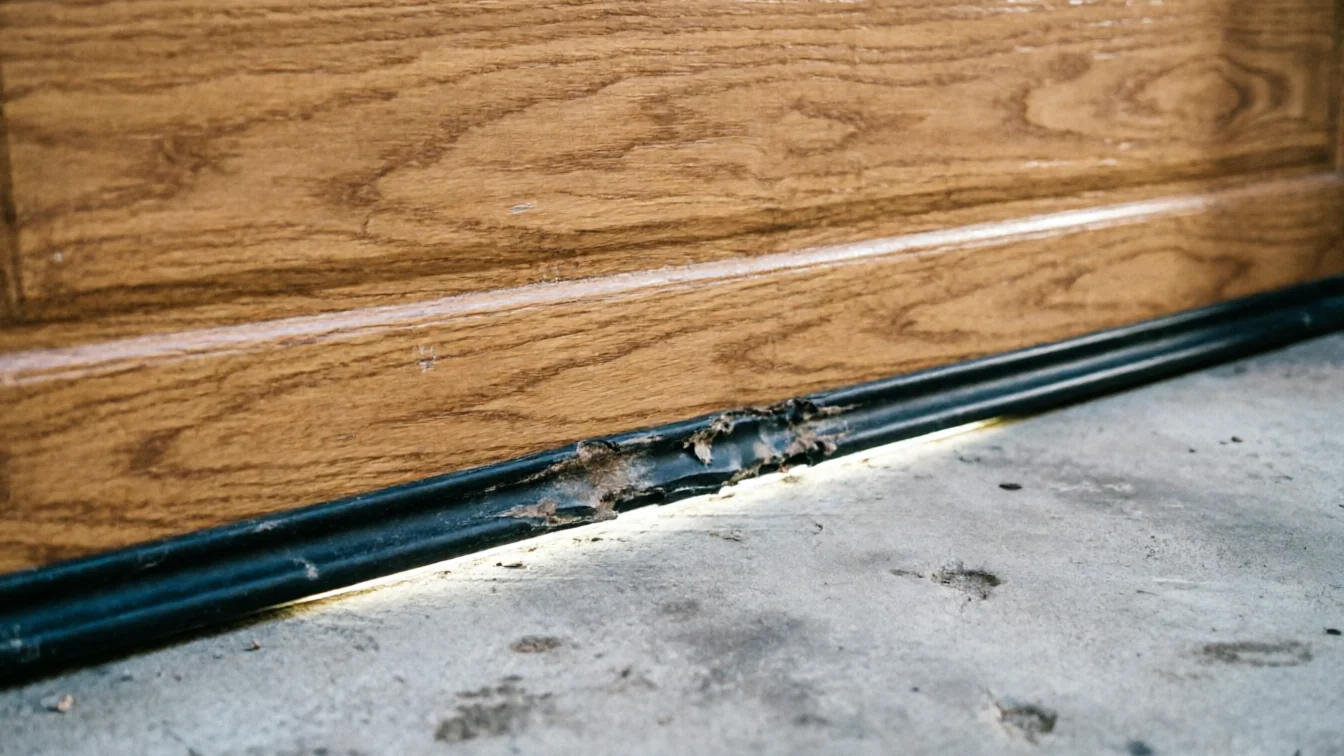
Most homeowners here assume a draughty garage door means the whole door needs replacing. It usually doesn't. Fairfield's housing stock mostly went up between 1954 and 1984, with the median build year sitting around 1966, and that means a lot of original bottom seals and side jamb weatherstrip that were sized for openings cut sixty years ago. The seal rubber has hardened, shrunk, or torn loose from the track, but the door panel itself, the springs, the opener mount - those often have years left in them. Swapping a $20 bottom seal and a roll of jamb weatherstrip fixes the draught in most of these houses. People skip that step and go straight to pricing a new door because the cold air coming through feels like a bigger problem than it is. It's worth checking the seal before you check the quote. On a house built in the mid-1960s, the door frame has usually shifted a little too, which is a separate problem from the seal itself - sometimes you need both fixed, sometimes just one.
The area
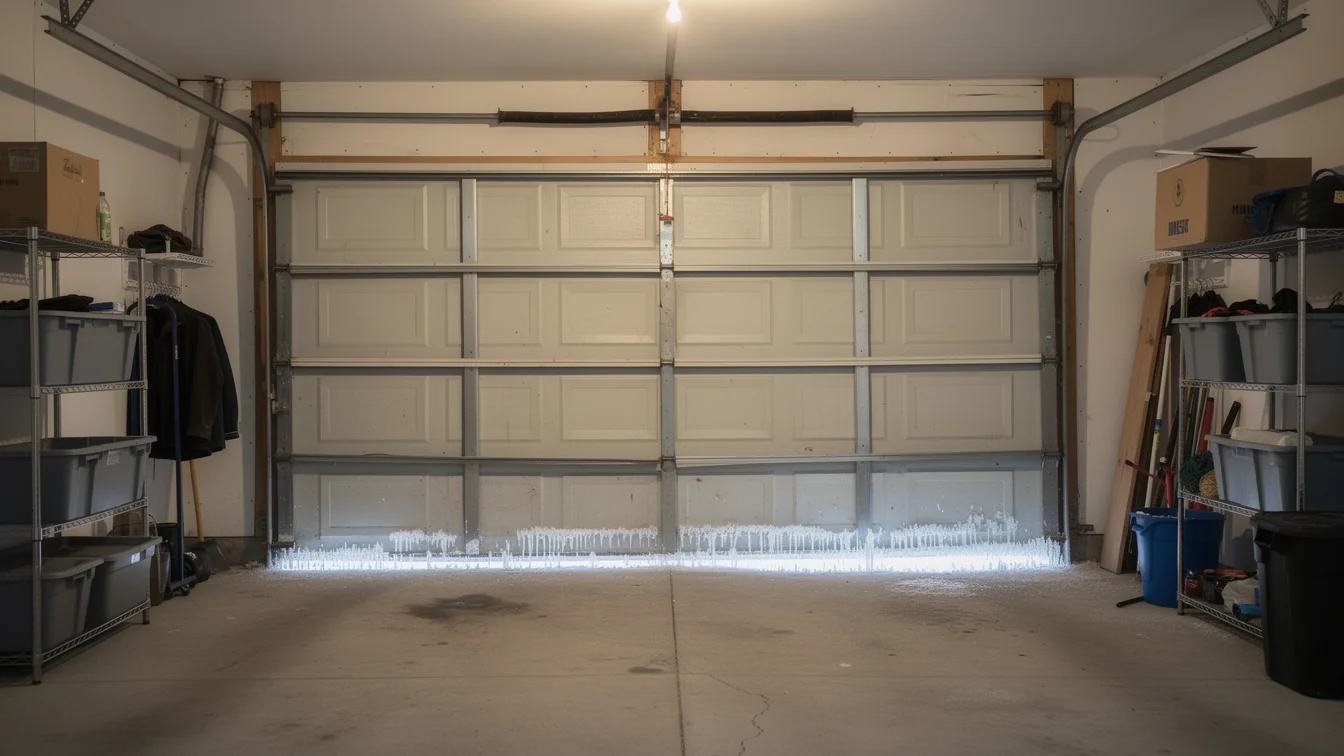
Garage doors built for openings framed in the 1960s and 70s don't seal the way current doors do, because the jamb-to-slab tolerances on houses from that era were cut looser than current building code allows. Across the 26 named areas that make up this kind of stock in Fairfield, the result is the same pattern: a quarter-inch to half-inch gap along one or both sides of the door, worse at the bottom corners where the slab has settled over sixty years. That gap doesn't show up as a draft you can see. It shows up as a cold floor in the room above the garage, a chill through the inside wall, and in some houses frost forming on the inside of the door panel itself during a hard cold stretch. The fix isn't always the same seal kit - a door with a settled slab needs a seal with more flex range than a straight bottom edge, and that's a different part number than the stock options sold off a shelf.
What we find
The worst draught complaints come in two windows: the first hard freeze of the season and the first real thaw after it. Rubber seals that were fine in October go stiff and pull away from the track the first time the temperature drops hard, and that's when people notice the gap. Then in a thaw, if the slab has any heave to it at all - common on older Fairfield foundations - the door can bind on one side and gap on the other at the same time. A seal replacement done in late fall, before the first freeze, holds better than one done mid-winter, because you're fitting it while the rubber and the track are both still flexible. That's a scheduling note more than a mechanical one, but it matters: a seal installed on a 20-degree day doesn't seat the same way it does at 50 degrees.
How we work
Fairfield sits in a severe cold climate band, and that matters more for seals and draughts than it does for most other garage door parts. Severe cold cycling - hard freeze, partial thaw, hard freeze again - is what breaks down bottom seal rubber and track-mounted weatherstrip faster than age alone would. A seal that might last fifteen years in a milder climate is often cracked and pulling away from the track in half that time here. The honest limitation: we can't make a seal immune to that cycle. No seal product sold for residential doors is rated to outlast repeated hard freeze-thaw indefinitely, so this is maintenance you'll do more than once over the life of the door, not a one-time fix. Budgeting for a seal check every few winters, rather than waiting for a cold room to tell you, is the cheaper path on a house built in this era.
Questions
On houses built in the 1960s and 70s stock common here, expect to check the bottom seal every few winters rather than waiting for a draught. The severe cold freeze-thaw cycle breaks down seal rubber faster than age alone, so a seal that looks fine in fall can crack by midwinter.
Not usually. Most draughts on houses built between 1954 and 1984 come from a hardened or torn bottom seal and jamb weatherstrip, not a failing door panel. Check the seal first - it's a cheaper fix and often solves the whole problem.
On older Fairfield foundations, slab heave during a thaw can shift the door opening just enough to bind on one side and open a gap on the other. That's a frame and slab issue layered on top of the seal, and it's common on houses from the mid-1960s era.
Recommendation
More garage door guides for Fairfield homeowners.
Fairfield's housing stock dates mostly to 1954-1984, built before insulated garage doors were required.
Read more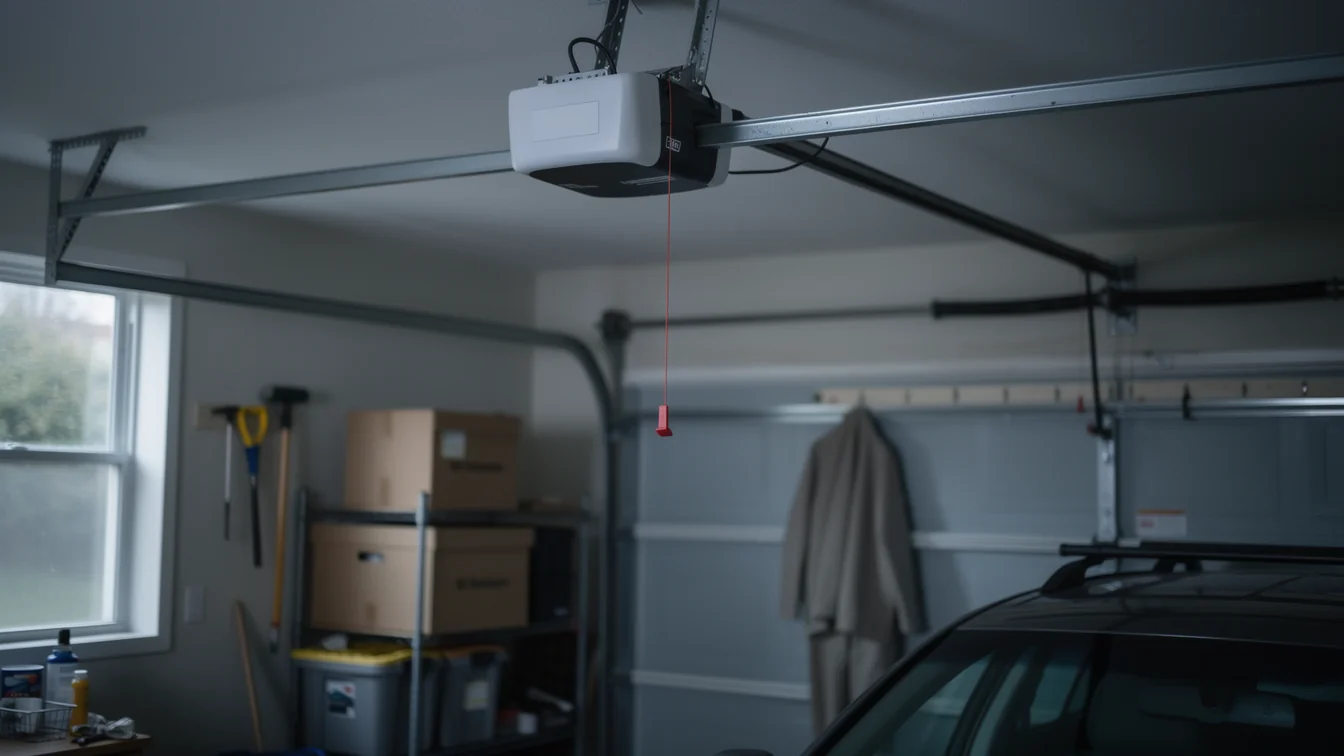
Fairfield's 1954-1984 housing stock and severe cold winters mean garage door openers fail at outage time more than most owners expect.
Read more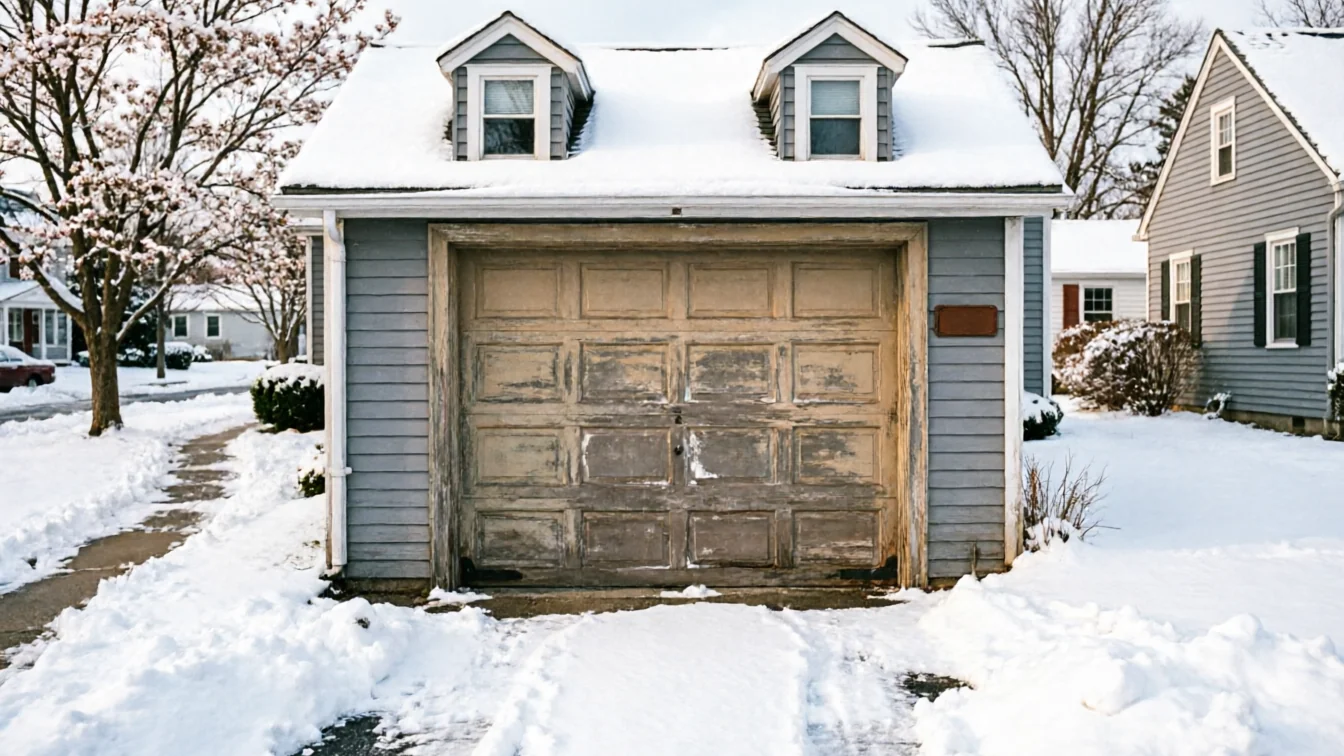
Fairfield's housing mostly dates to 1954-1984.
Read moreReady when you are
Fairfield Garage Door Pros repairs and installs garage doors, springs and openers in Fairfield, CT and the surrounding area.