
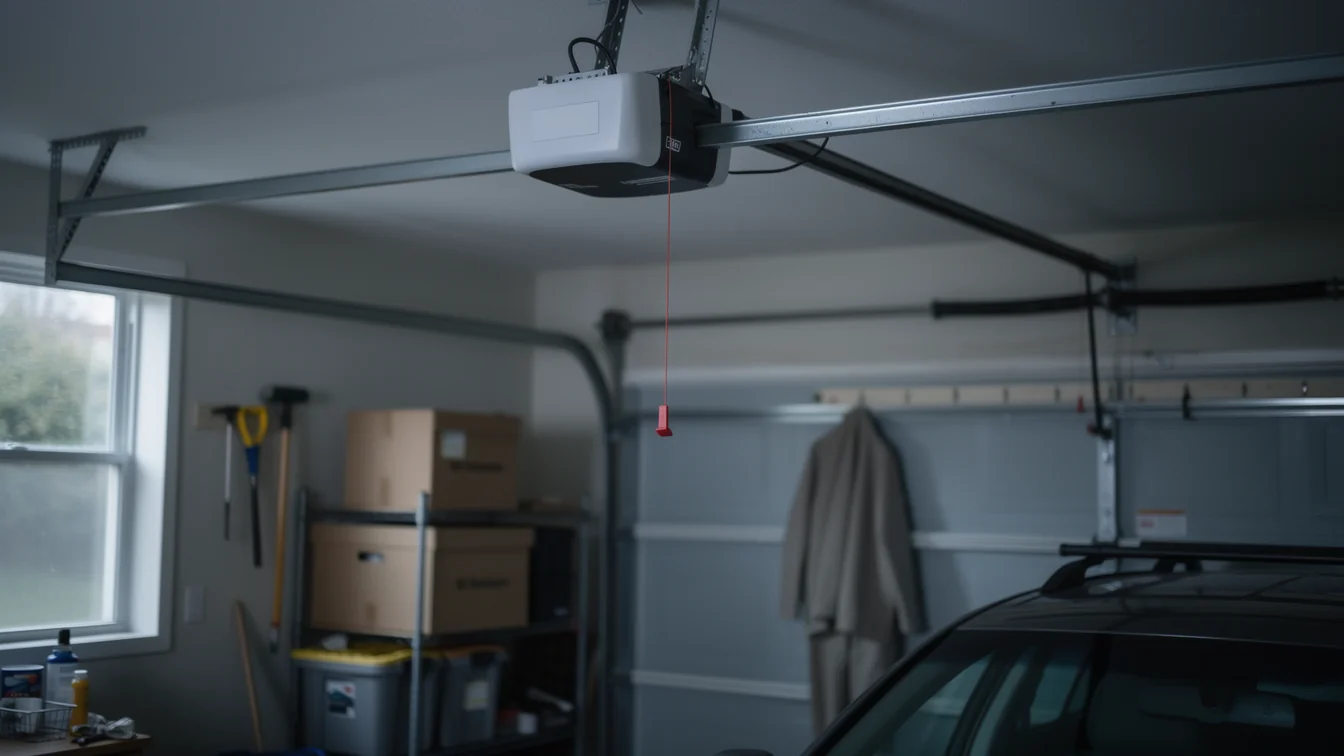
When the Power Goes Out, Your Opener Goes With It
Fairfield's 1954-1984 housing stock and severe cold winters mean garage door openers fail at outage time more than most owners expect.
Read moreFairfield's 1960s-era garages and cold winters push tracks out of line in predictable ways. Here's what actually causes it and what doesn't.
Local detail
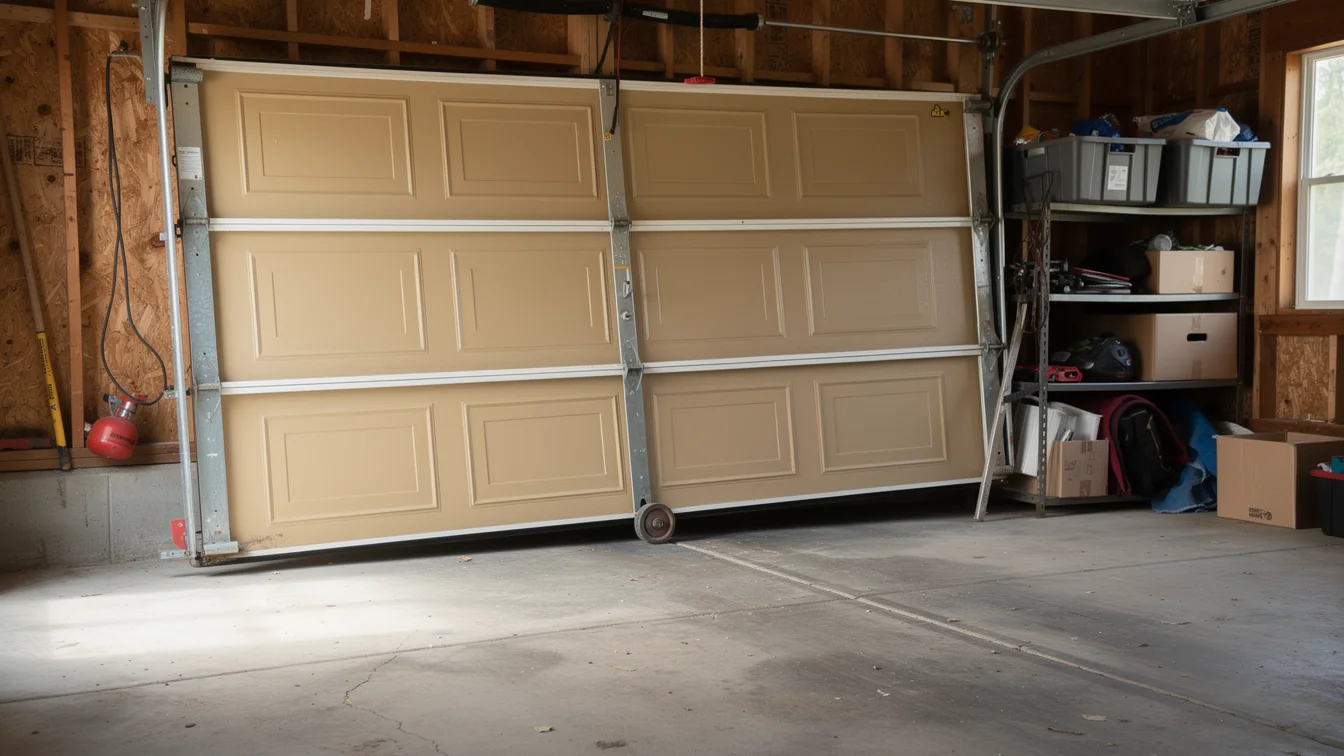
Most homeowners assume a door jumped the track because something snapped. Usually nothing broke at all - the track just walked out of alignment a little at a time. Fairfield's housing stock mostly went up between 1954 and 1984, median build year 1966, and in that era track brackets were lagged into the framing with fewer shims and less tolerance for a house settling over sixty years. A quarter inch of drift at the top bracket shows up as a door that binds, then hops the roller, long before anyone notices the bracket itself moved. People replace the roller and call it fixed. Two months later it's off again, because the roller was never the problem - the bracket holding the track to the jamb is slightly bent or slightly loose, and nothing you do to the roller changes that. The other common mistake is tightening the track straight back to where it was. If the house has settled unevenly, which is normal in homes this age, forcing the track back to its original line just sets up the next failure in the same spot.
The area
A track comes off alignment for one of three reasons: a bent section from an impact, a loose or rotted jamb bracket, or rollers worn enough that they no longer ride square in the channel. In Fairfield's older sections - and most of the 26 named areas here carry 1960s-70s construction - the second cause shows up more than the other two combined. Wood jambs from that era weren't always kiln-dried to today's standard, and over decades they shrink slightly away from the fastener. The track doesn't move much, maybe a sixteenth of an inch per bracket, but a door only needs the top two brackets off true by a small amount before a panel starts walking sideways on a lift. By the time it's visibly crooked, it's usually been working loose for a year or more. This is also why a quick push-back-into-place fix rarely holds: the fastener point is compromised, not just the alignment.
What we find
Track problems in this area cluster hard in late fall and again in March. Wood framing that expanded through a humid Fairfield summer contracts as the cold sets in, and any bracket that was already a little loose finds the slack. It's not usually the first cold snap that causes the jump - it's the week after, once the wood has fully settled into its winter dimension. The same thing happens in reverse in spring, which is why a lot of the service calls we get around here come in pairs, six months apart, for the same door. If a door has been fine for years and suddenly starts riding rough every November, that's a strong sign the bracket fasteners need resetting before winter, not the roller.
How we work
Fairfield sits in a cold-climate band with real seasonal severity, not just a cold week here or there. That matters for tracks specifically because ice and condensation inside an unheated garage settle on the horizontal track section and the roller stems. A roller that sits in a film of ice overnight doesn't roll in the morning - it skids, and a skidding roller puts lateral load on the track that it was never built to take. Do that enough mornings in a row and the track bows outward at the curve, which is the single most common off-track call we see in the coldest stretch of the year. This isn't a defect in the door. It's what happens to any steel track carrying a cold, iced roller under spring tension, in a town where winter actually holds. One honest limit here: if the track itself is bowed rather than just loose at the brackets, that's a track replacement, not an adjustment - trying to bend it back almost always leaves a weak point that fails again within a season.
Questions
If the door is stuck open or shut and the car's trapped, yes, call that day. If it's off at one roller but still sitting in the opening, it can usually wait a day or two - just don't run the opener, since forcing a misaligned door is what turns a bracket adjustment into a bent track.
In Fairfield's cold band, wood jambs contract as temperatures drop, loosening bracket fasteners that were already marginal. Add ice on the rollers and a track that's barely holding alignment in October can jump by December. Resetting the brackets before the cold hits is cheaper than fixing it after.
You can, and sometimes it holds for a while. But if the bracket's fastener point is worn, which is common in houses from Fairfield's 1960s-70s building wave, the track will walk again. The fix that lasts is re-securing the bracket to solid framing, not just straightening the rail.
If the door moves unevenly, scrapes, or one side lags the other, that's almost always the track or rollers, not the opener. The opener just applies force - it doesn't know the door is riding crooked, so it'll keep trying until something gives.
Recommendation
More garage door guides for Fairfield homeowners.
Fairfield's 1954-1984 housing stock and severe cold winters mean garage door openers fail at outage time more than most owners expect.
Read more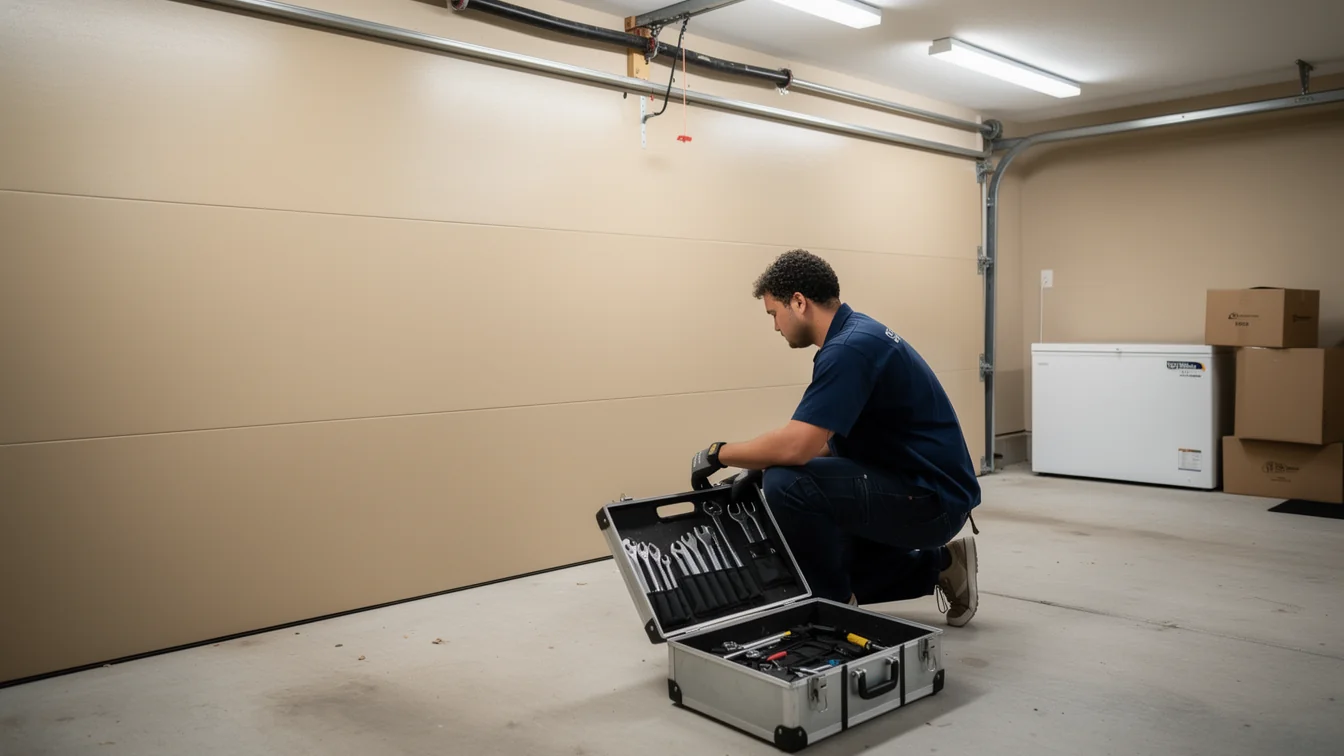
A Fairfield, CT garage door service call checks springs, cables, and opener hardware sized for homes built 1954-1984 and the area's cold, humid winters.
Read more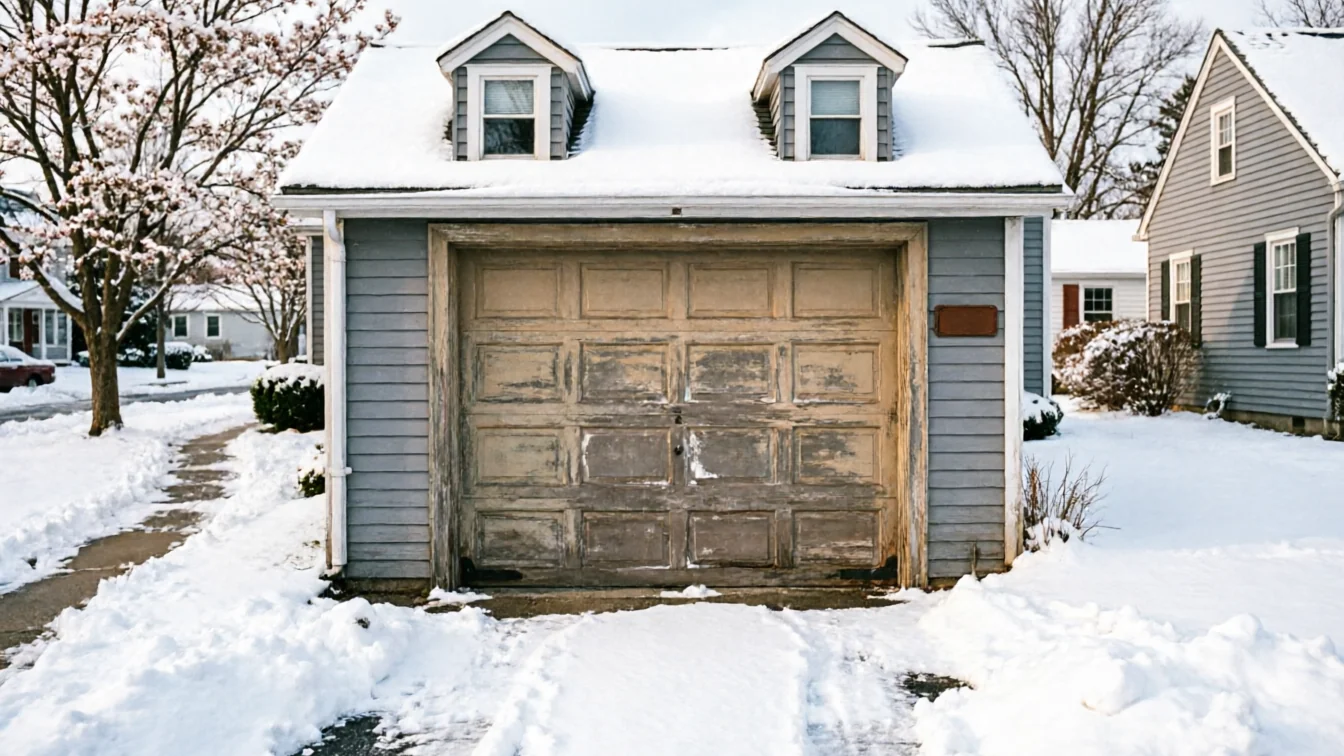
Fairfield's housing mostly dates to 1954-1984.
Read moreReady when you are
Fairfield Garage Door Pros repairs and installs garage doors, springs and openers in Fairfield, CT and the surrounding area.