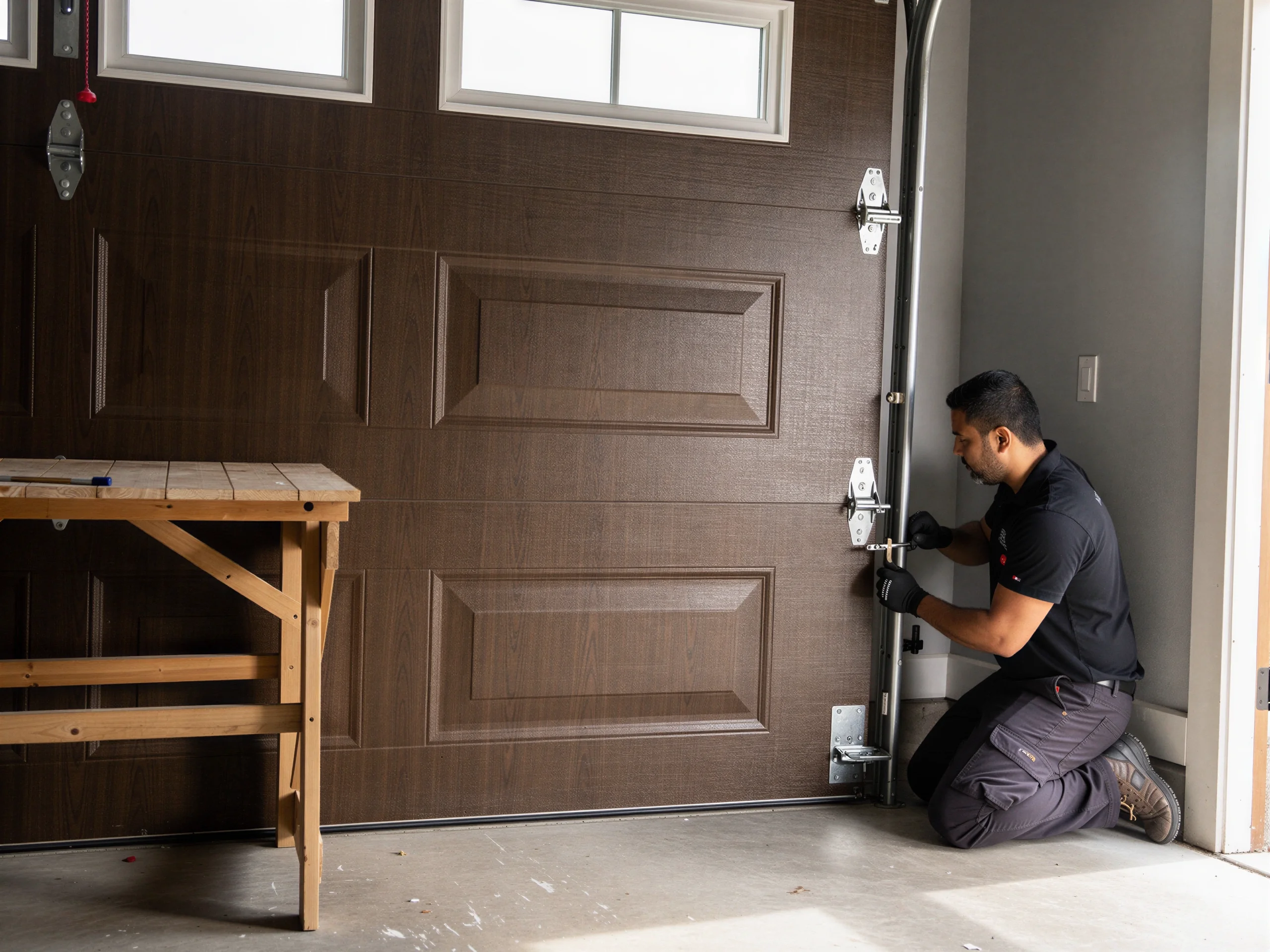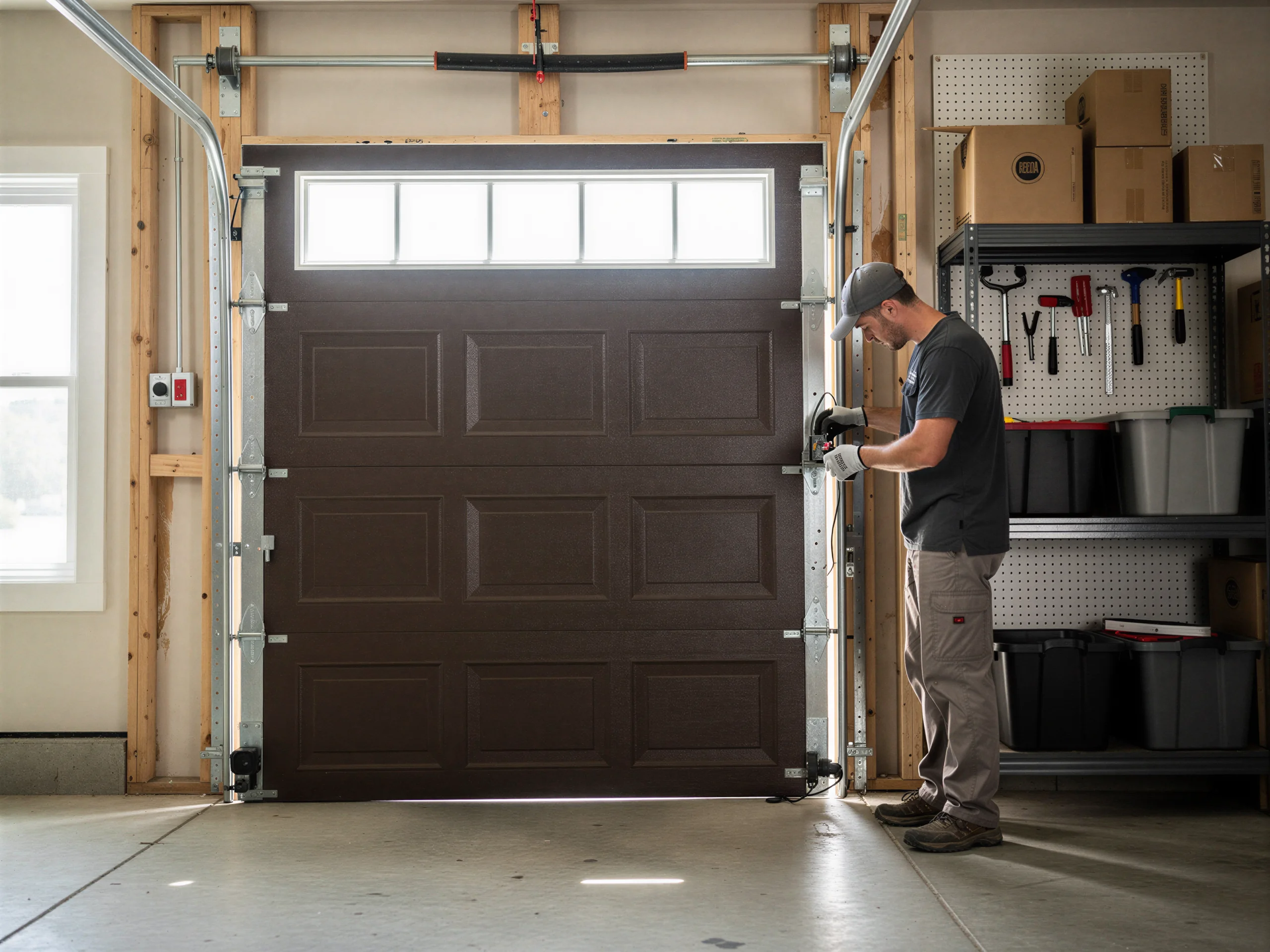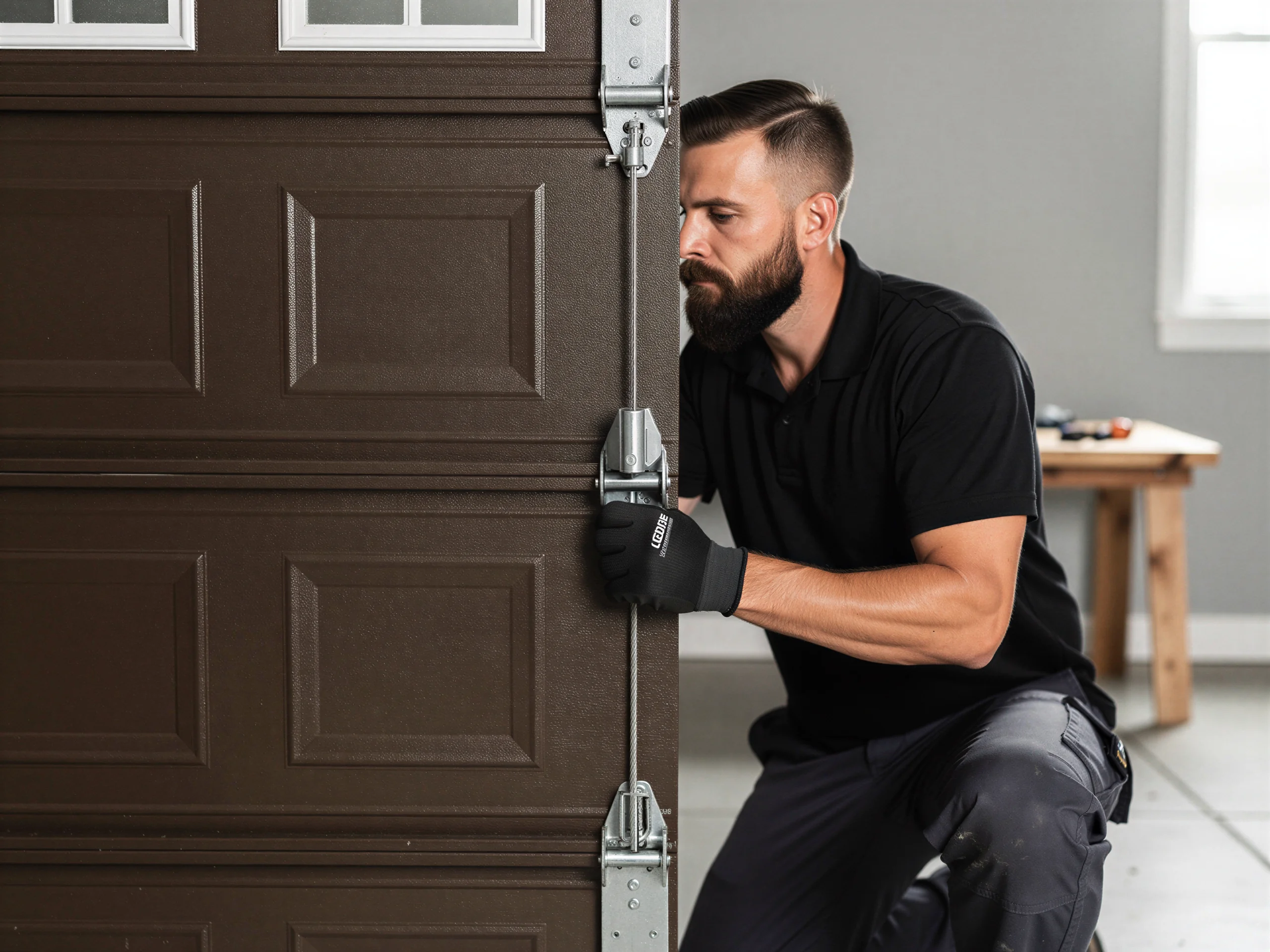
What Can Go Wrong
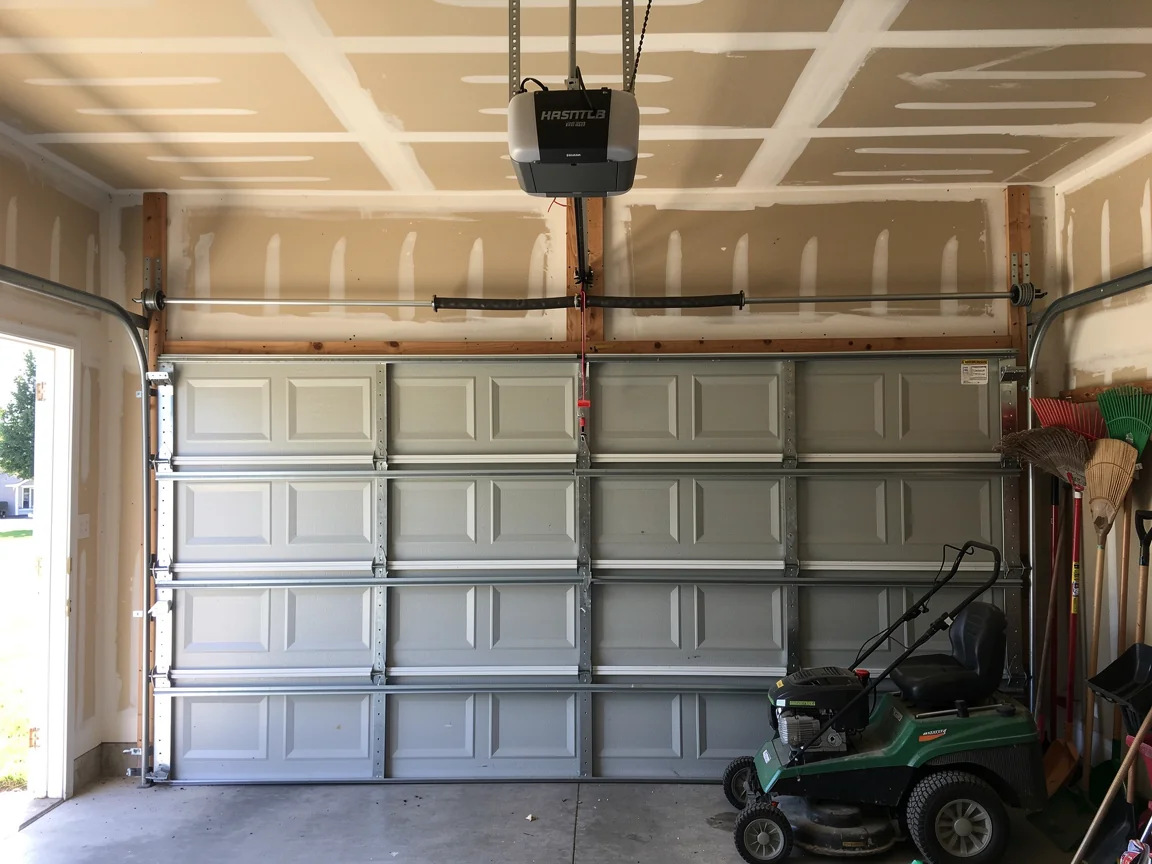
A garage door spring does one job: it counterbalances the weight of the door so the opener (or your arms) aren't lifting 130-160 pounds of panel and hardware on every cycle.
Loud torsion snap
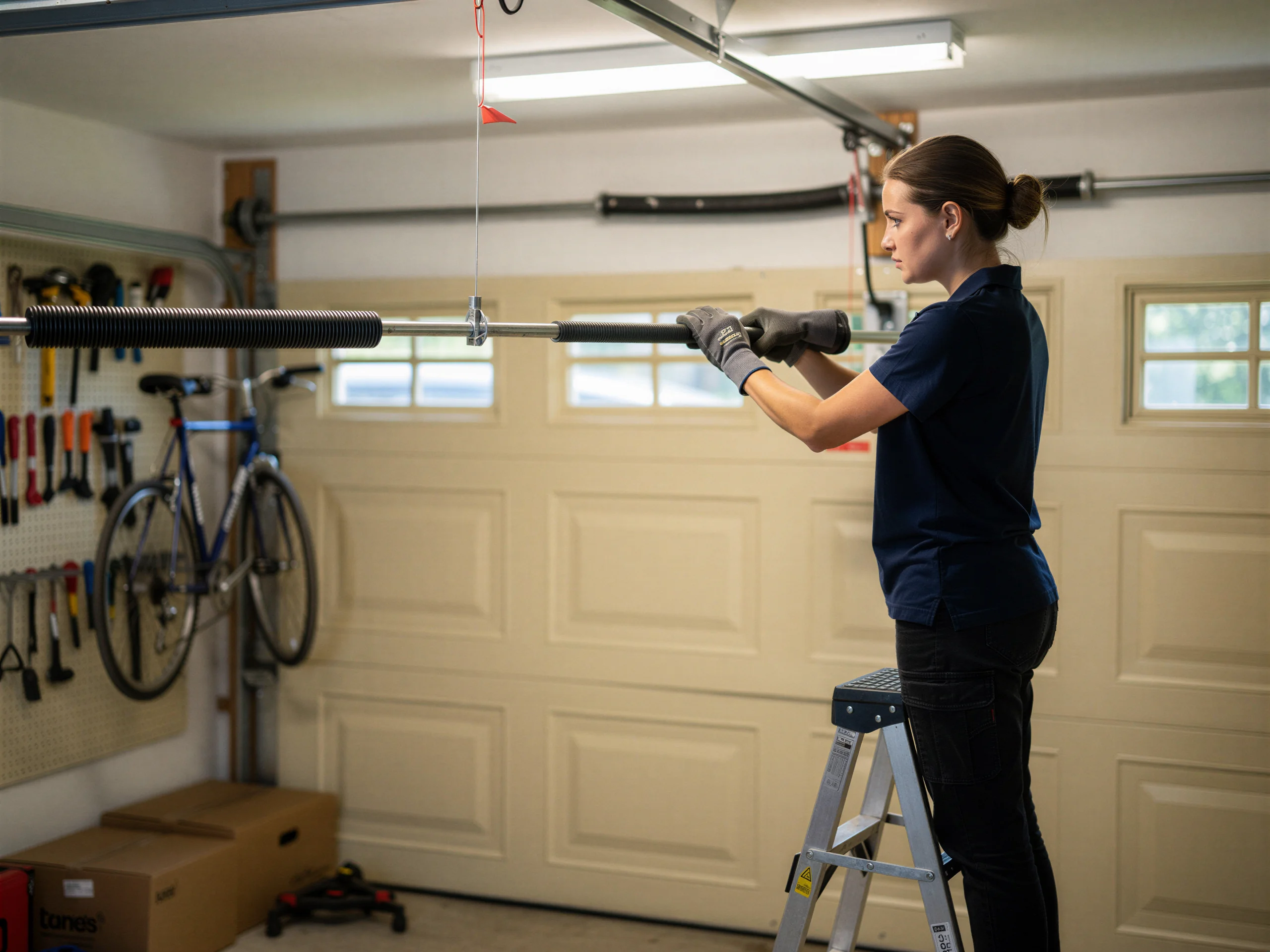
When it goes, it goes one of two ways. A torsion spring mounted above the door snaps clean, usually with a bang loud enough to bring someone running from the kitchen.
Gradual extension stretching
An extension spring, the kind stretched along the horizontal tracks on older setups, tends to stretch out and lose tension gradually before it finally gives. Either way, the door either won't lift at all or slams down on the way closed because nothing is holding its weight anymore.
Mixed spring setups
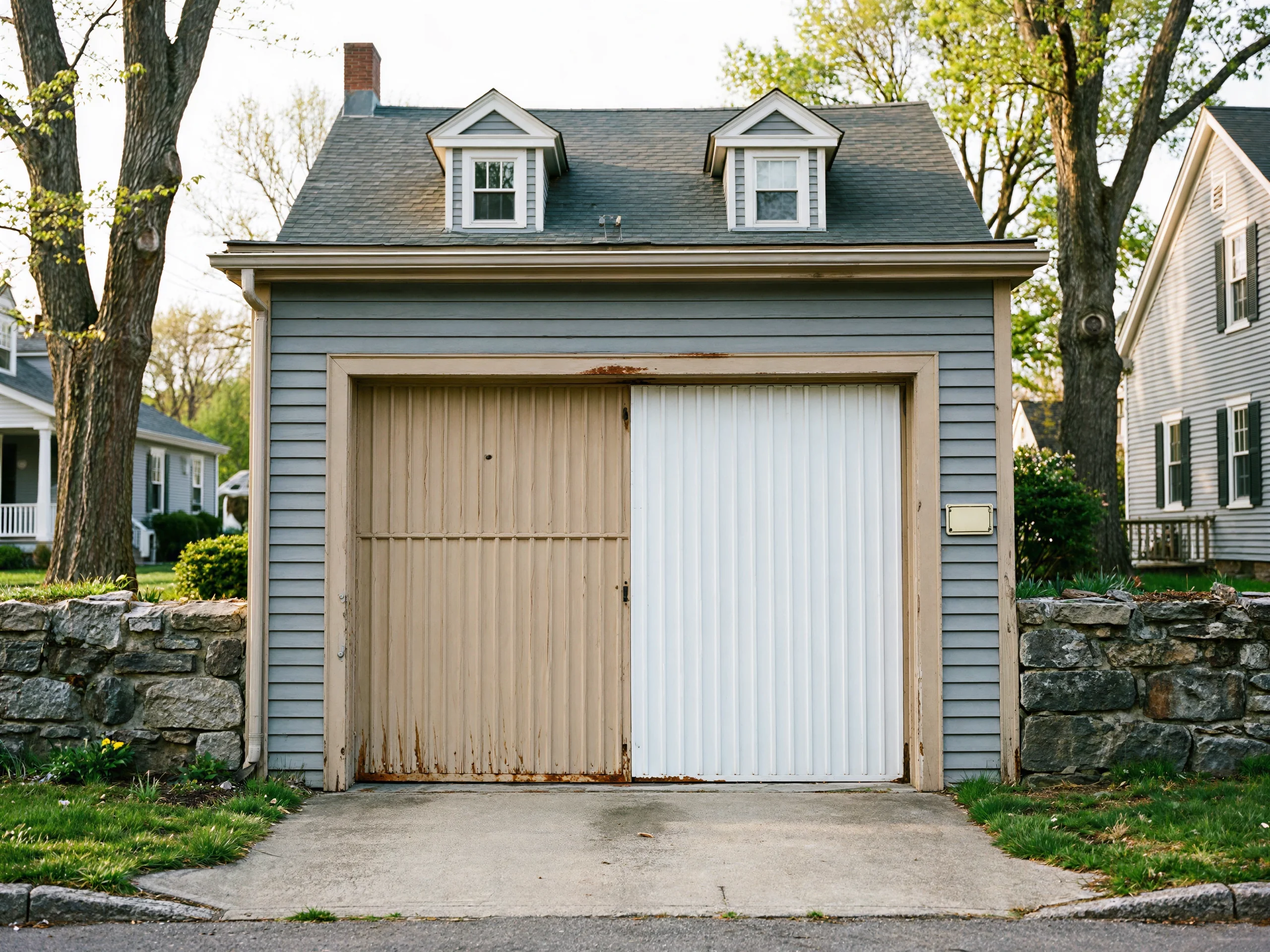
In the service area's housing stock, built mostly between 1954 and 1984 with a median around 1966, we still see a fair number of the original extension-spring setups that were standard for that era, alongside torsion conversions done at some point since. Both fail. They just fail differently, and that changes what the repair looks like.
What the Repair Takes
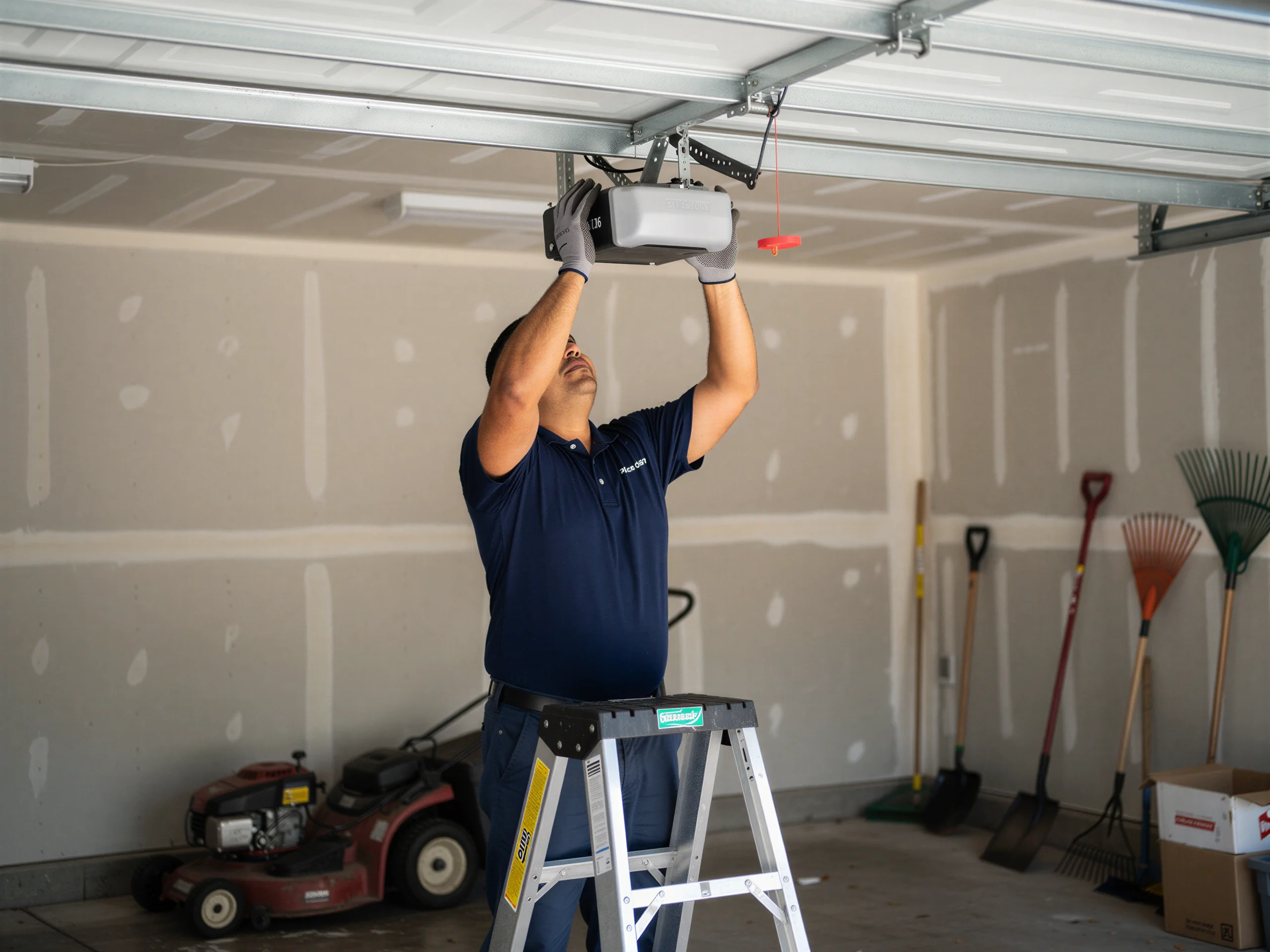
A straightforward torsion spring swap on a standard door is a bounded job: unwind the old spring under control, measure the wire size and wind direction against the door weight, install the matched replacement, and cycle the door to check balance.
Collateral drum and cable damage
Where it gets longer is when the drums, cables, or center bearing plate took damage from the spring snapping, which happens more than people expect on older hardware that hasn't been serviced in years.
Spring sizing varies
We won't quote a single flat number for every house, because wire gauge and spring length have to match the actual door - a house with the original 1960s-era door and a house with a newer heavier insulated door need different springs even if they look the same from the driveway.
Bent drums limit fix
One limitation worth saying plainly: if the drums or track are bent, or the door itself is original and the wood or steel has deteriorated, spring replacement alone won't fix it, and we'll tell you that instead of selling a repair that won't hold.
What You Are Seeing
Most calls start the same way. The door looks fine sitting shut, but it won't go up, or the opener motor strains and clicks without lifting it.
Coil gap or lopsided door
Sometimes there's a visible gap in the coil above the door, or one side of the door hangs lower than the other because only one cable is still under tension.
Drop points to spring
If the door came down hard and fast on its own, that's a spring that let go mid-cycle, not an opener problem, even though the opener often gets blamed first.
Heaviness signals extension
A door that's gotten noticeably heavier to lift by hand over a few months, rather than failing suddenly, usually points to an extension spring stretching out rather than a torsion spring, which tends to fail all at once. Either pattern is a spring issue, not something to diagnose by replacing the opener logic board and hoping.
What Causes It Around Here
Spring steel fatigues from cycle count, but cold makes it worse, and this region sits in a cold-severe climate band. Steel contracts in winter, and a spring already near the end of its rated cycle life is more likely to snap on a 10-degree January morning than a mild October afternoon - which is why we see a real uptick in calls as temperatures drop. Add in the age of the local housing stock: a lot of homes across the service area's 26 named neighborhoods were built in that 1954-1984 window, meaning plenty of springs are either original or at least one replacement generation old, carrying full rust and fatigue from decades of winters. Household income in the area runs well above the national median, which we mention only because it means most owners here choose to fix it right the first time with a matched spring rather than patch it - but the physics of why it breaks doesn't care about income. It cares about age, cycles, and cold.
Talk to a local pro
Garage door service in Fairfield?
Same-day service with honest, upfront quotes.