What Can Go Wrong
Most of the service calls we take in Fairfield come down to five things: a broken torsion spring, a snapped cable, a bent track, a worn-out opener gear, or rollers that have finally given up.
Aging local housing stock
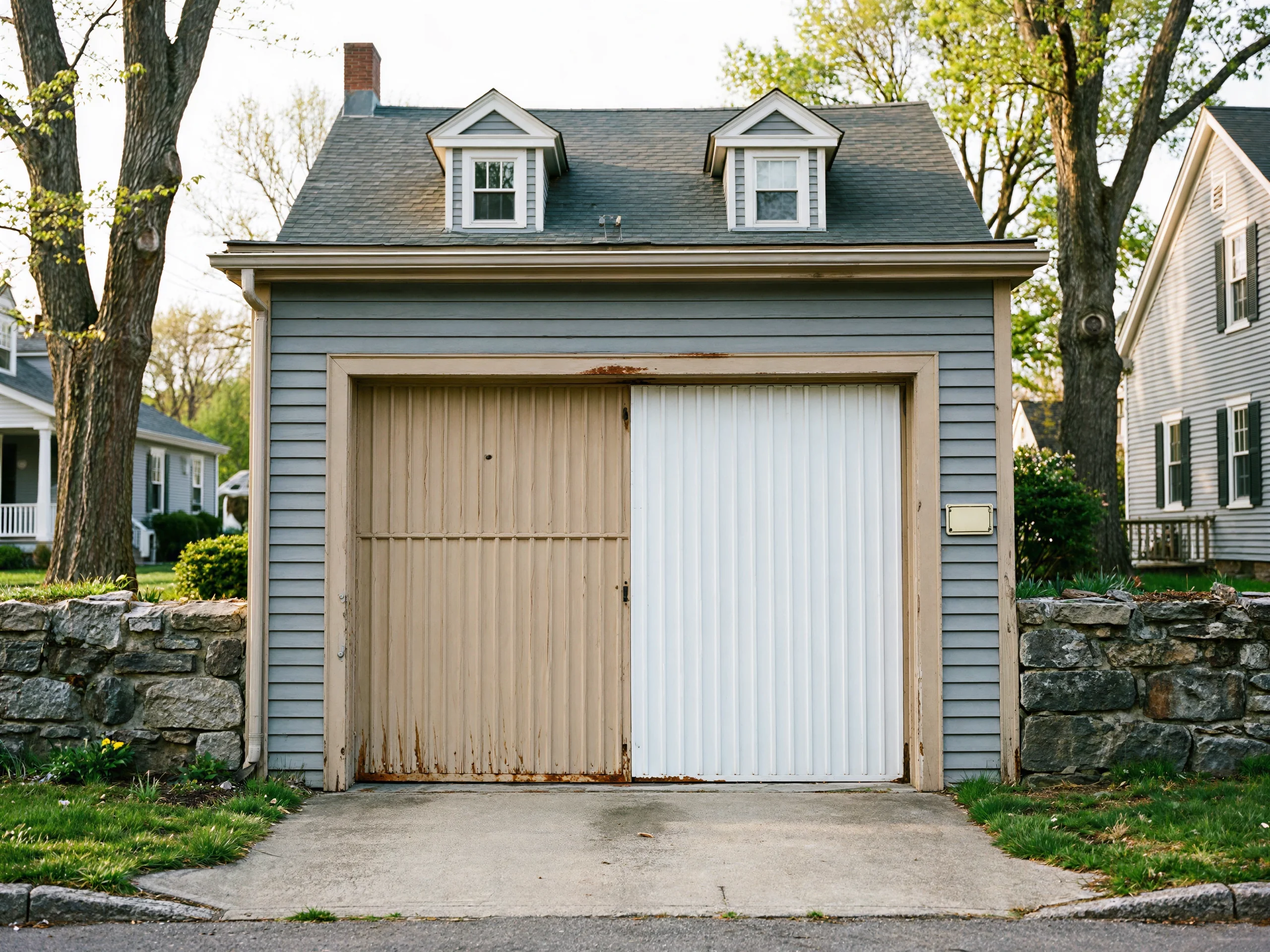
None of that is unusual on its own. What's specific to this town is the age of the stock behind it. Housing here runs mostly 1954 to 1984, with the median landing around 1966, and a lot of those original garage setups have been through sixty winters of expansion and contraction on the same hardware.
Springs sized for old doors
Springs rated for a 1966-era door don't always match the heavier insulated panels an owner swapped in later, so you get premature spring failure on a track and drum combination that was never sized for the new door's weight.
Stacked opener retrofits
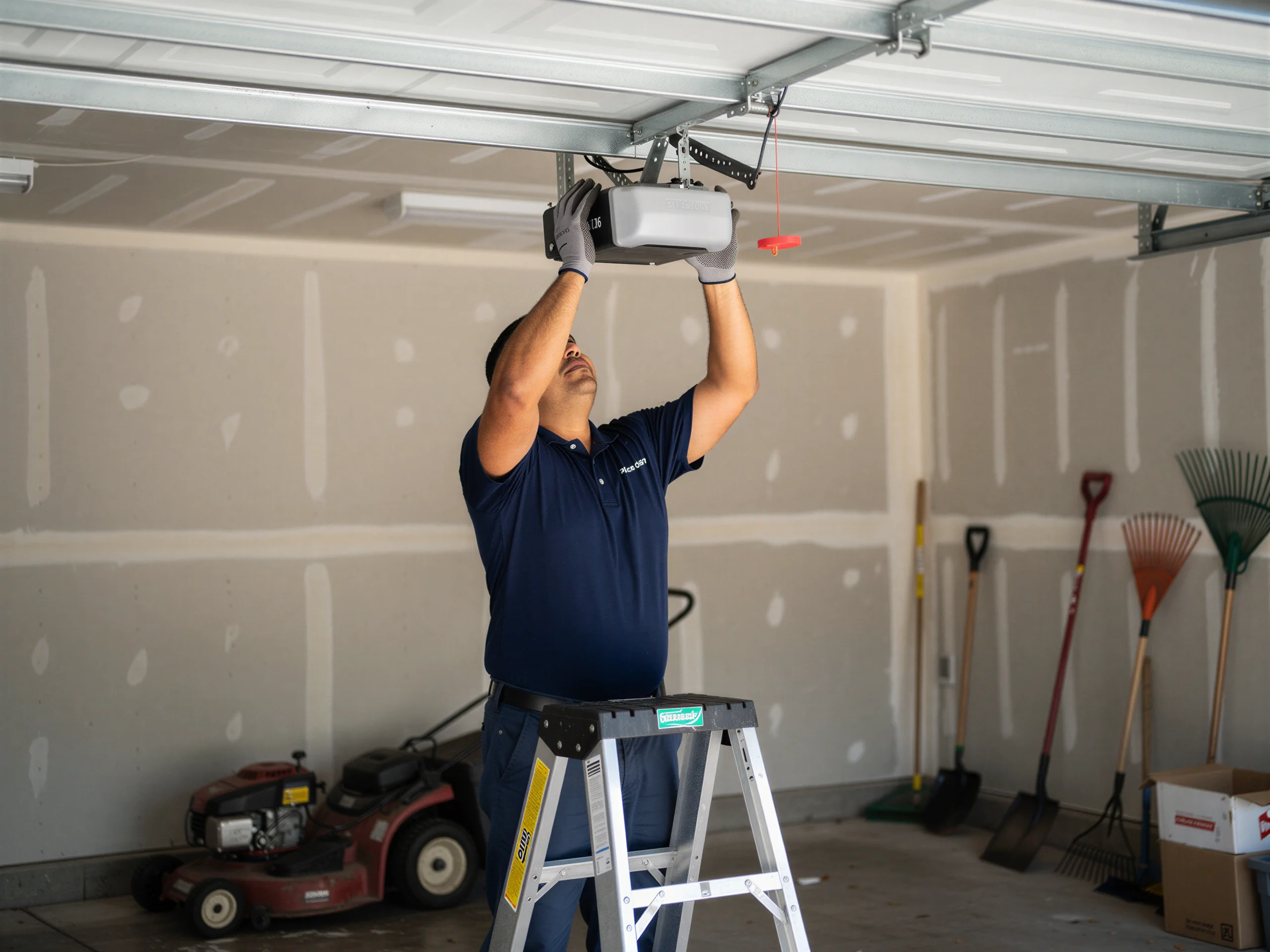
We also see openers from multiple retrofit eras stacked on the same bracket - a chain-drive unit bolted to a header that was reinforced once already. When one part fails, it's worth checking what's upstream of it before you replace just the one piece.
What the Repair Takes
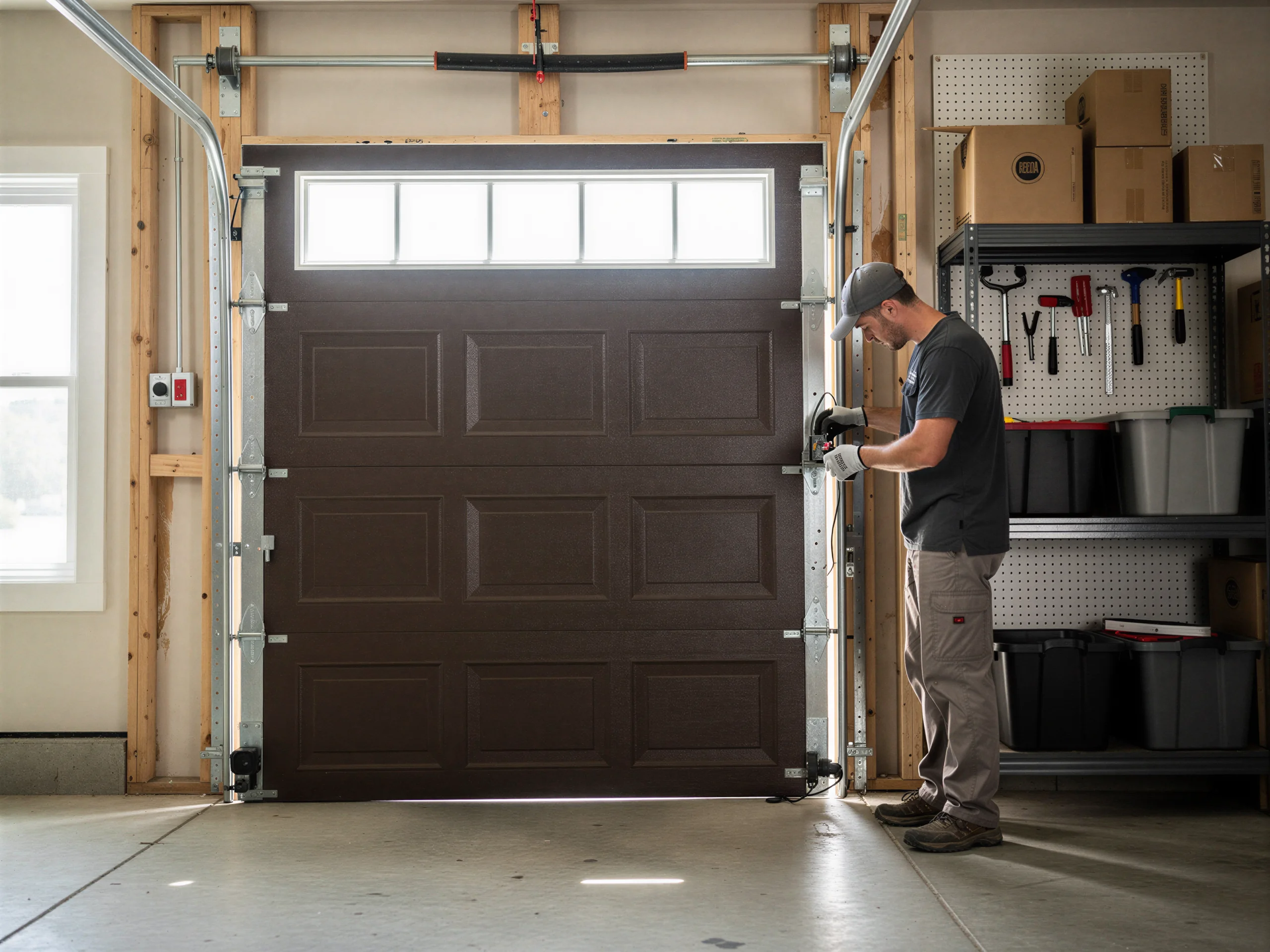
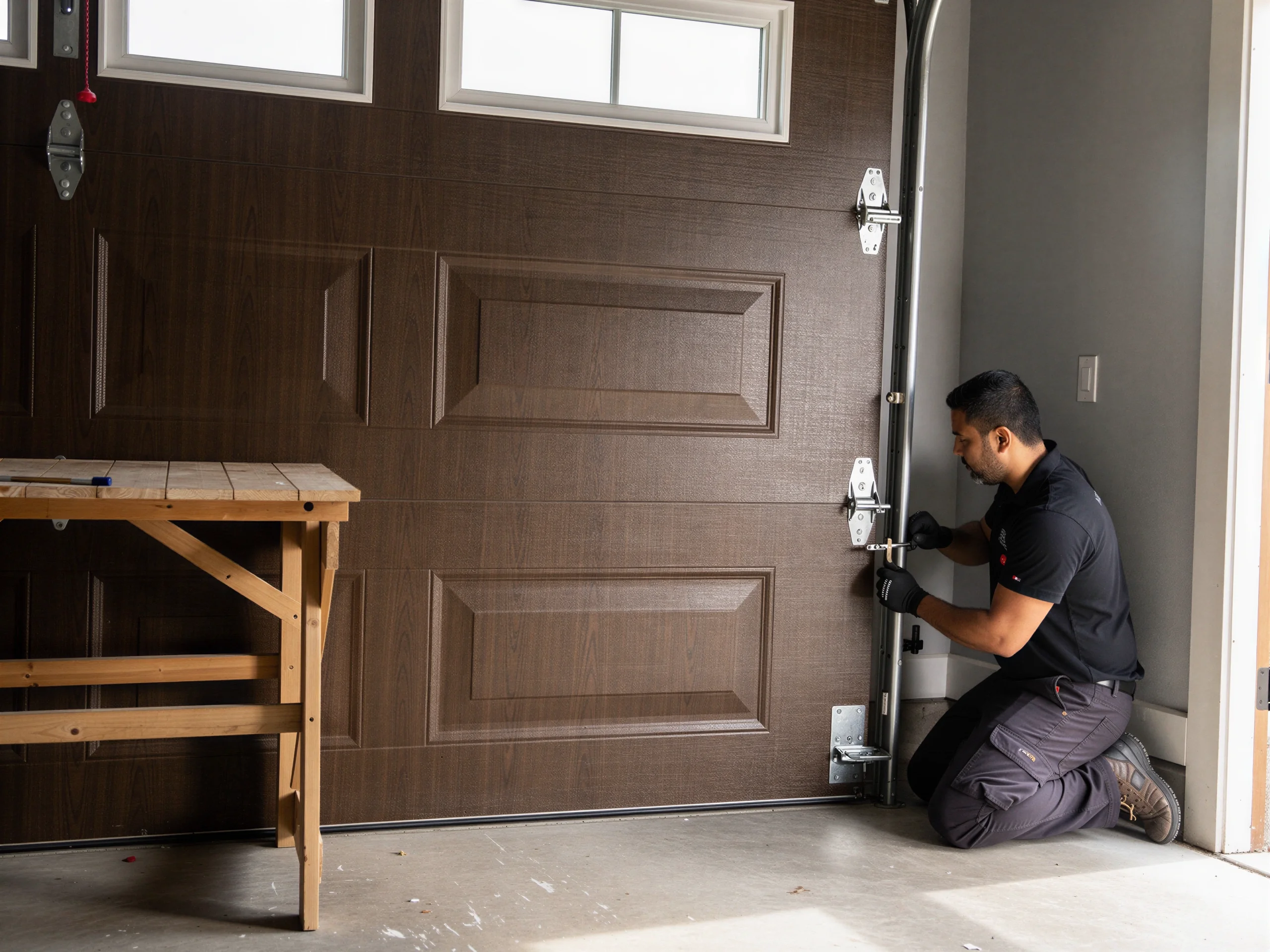
A torsion spring swap on a standard double door is usually a same-visit job once we're on site, assuming the drums and shaft aren't also worn. Cable replacement is similar. Where it gets slower is parts matching - if your door or opener dates to the 1960s or 70s build wave common across Fairfield, the original track width or drum size sometimes isn't a stock item anymore, and we have to source a compatible modern equivalent rather than an exact match. That's the honest limitation: we won't pretend a part is in the truck when it isn't. For opener repair, diagnosis comes first - gear stripped, logic board dead, or just a misaligned sensor - because swapping a $40 gear kit beats a $300 opener replacement when the motor itself is fine. We size every spring to the actual door weight on site, not to what a sticker from forty years ago says it should be.
What You Are Seeing
If the door slams the last six inches instead of settling, that's usually a spring that's lost tension, not an opener problem, even though the opener gets blamed first.
Reversal before floor
A door that opens fine but won't close all the way, reversing before it hits the floor, points to the safety sensors or a track binding somewhere along the rail.
Cold morning roller bangs
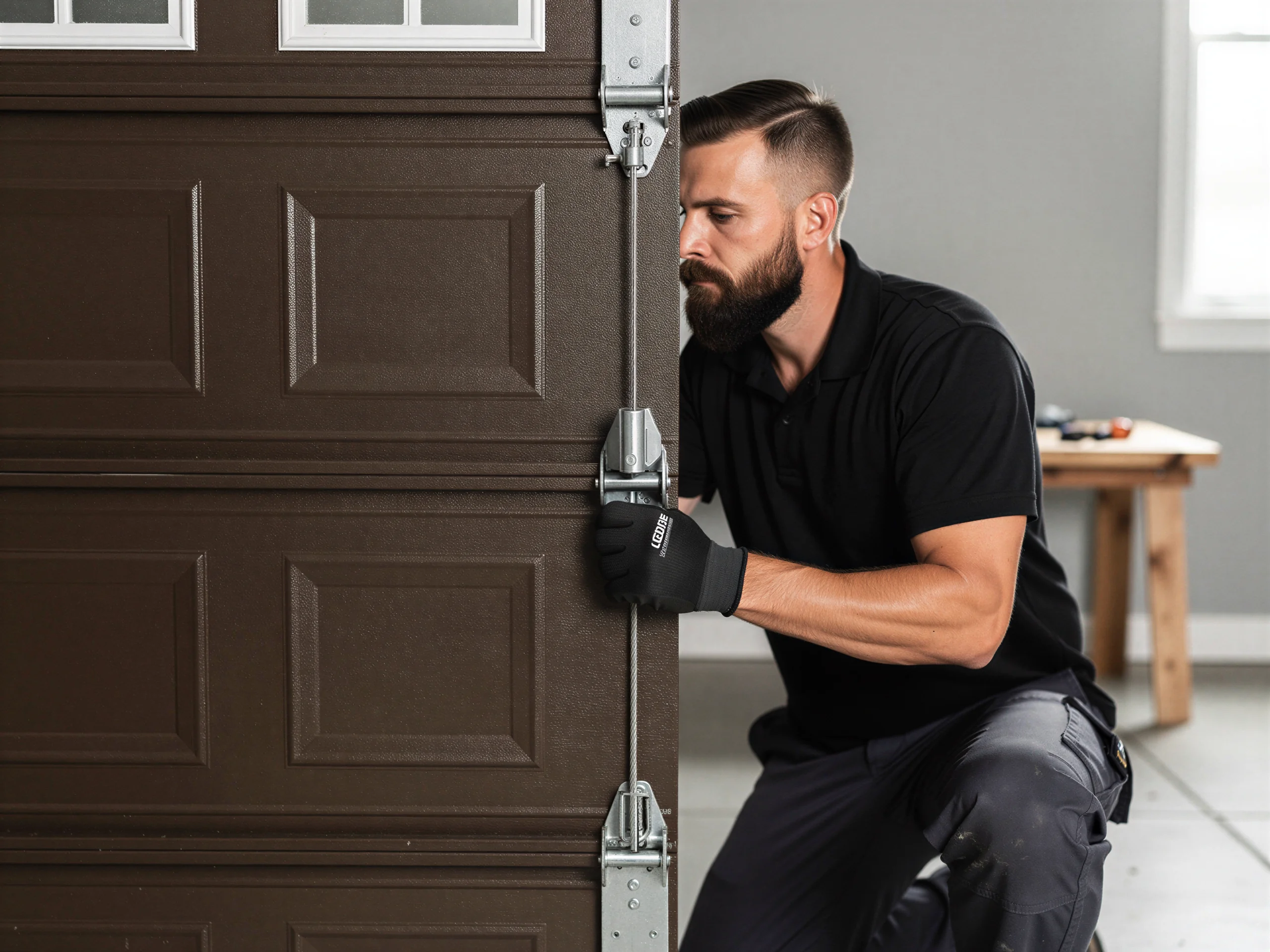
Loud bangs on a cold morning that don't repeat once the door's warmed up are often old steel rollers contracting against a slightly out-of-plumb track, common on older setups from Fairfield's original 1960s construction wave. A visibly frayed cable near the bottom bracket is a same-week call before it lets go under load.
What Causes It Around Here
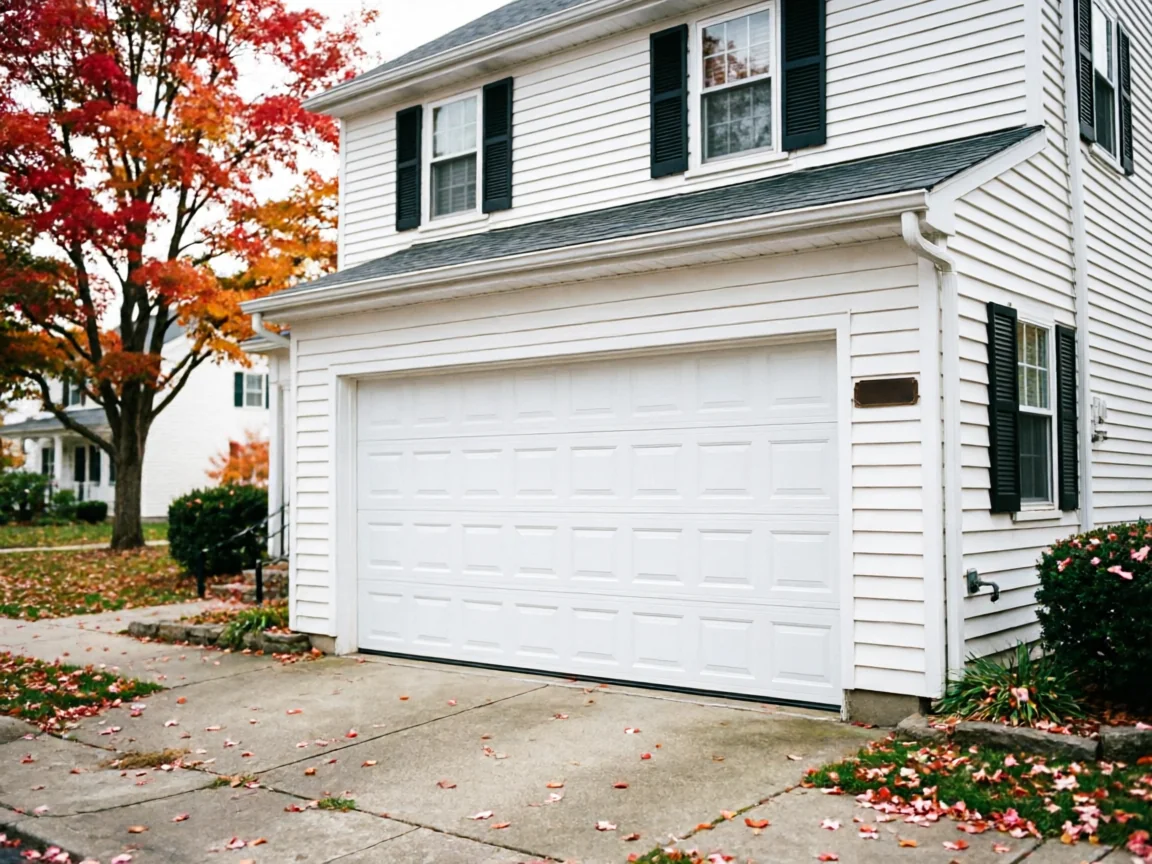
Fairfield sits in a cold, severe climate band, and that matters more for garage doors than people expect. Steel contracts in low temperatures, torsion springs lose a measurable amount of lifting power on the coldest mornings, and openers draw more current to move a door that's stiffer than it was in August. Combine that with a housing stock built mostly between 1954 and 1984 - original hardware, original headers, sometimes original openers bolted onto later panel upgrades - and you get a predictable failure pattern every winter: springs that were marginal all summer finally snap on the first hard freeze. We see this pattern repeat across the older sections of town built in that same era, less so in homes with newer doors and galvanized hardware rated for the cold.
Talk to a local pro
Garage door service in Fairfield?
Same-day service with honest, upfront quotes.