What a Cold Snap Does to a 1960s Torsion Spring in Fairfield
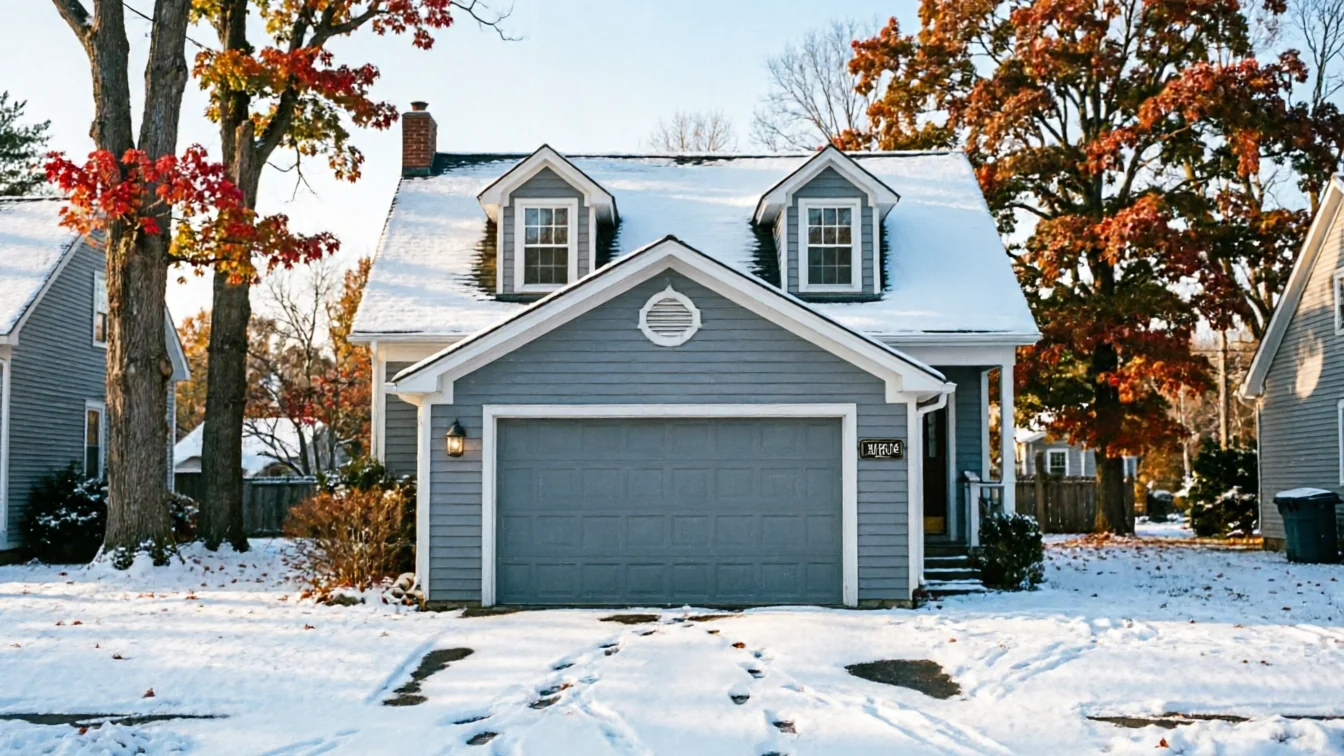
Fairfield homes built mostly between 1954 and 1984 carry original torsion springs that snap hard when cold hits.
Read moreA Fairfield, CT garage door service call checks springs, cables, and opener hardware sized for homes built 1954-1984 and the area's cold, humid winters.
Local detail
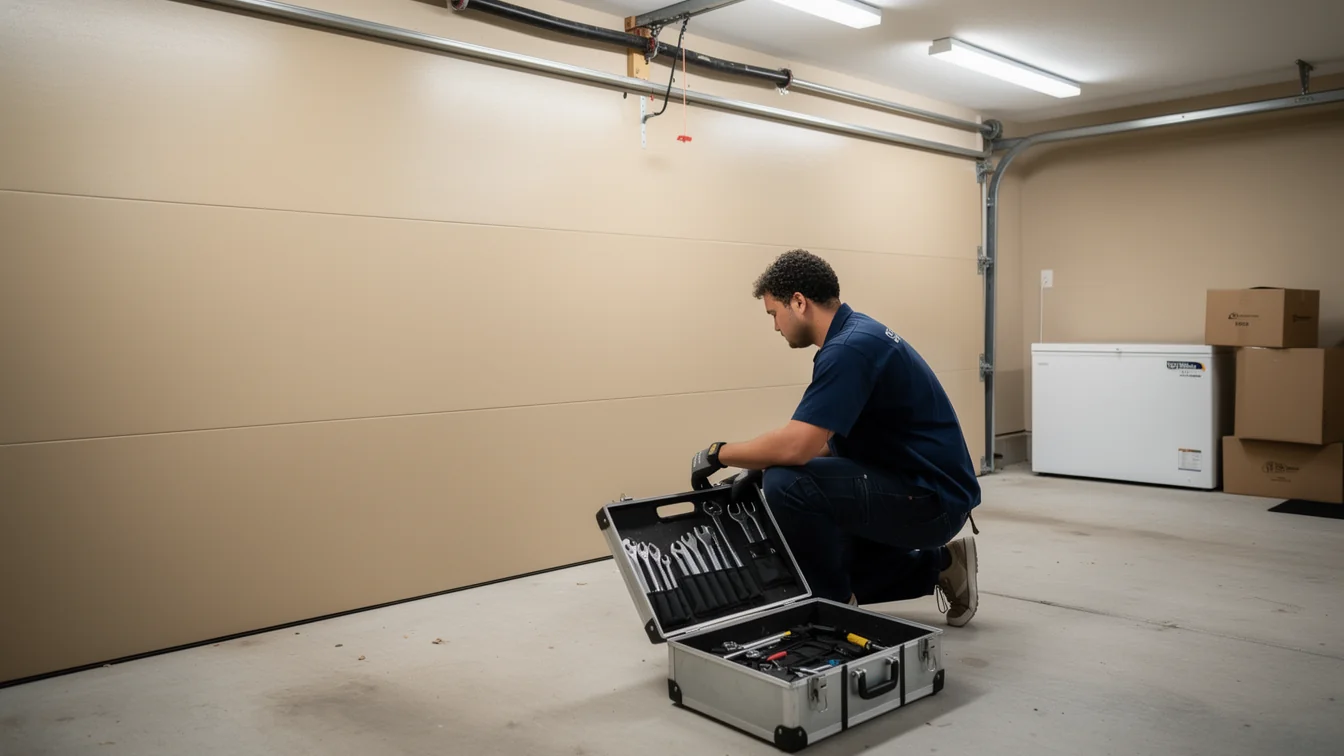
Most homeowners call us because the door won't open, and most of them assume the fix is the opener. It usually isn't. Across Fairfield's service area, the housing stock runs 1954 to 1984, with the median landing around 1966, and that one fact changes what a service call needs to look at. A house built in that window almost never has an opener as its original equipment - openers got bolted on later, sometimes decades later, onto hardware that's still the original torsion spring, original track, original cable drum. When the door sticks or drops, the opener is straining against a spring that's lost tension over fifty-plus years, not failing on its own. We check the spring and the cable path before we touch the opener logic board, because replacing a motor on top of a tired spring just moves the failure six months down the road. That's the single most common misdiagnosis we see on a first call in this area, and it's the reason a proper visit starts at the header, not the wall button.
The area
Across the 26 named areas we work in, the stock is mostly 1960s and '70s construction, and that means a lot of original side-mounted torsion hardware is still in service. Brackets were fastened to jambs that have since settled or dried out. Cable drums were sized for doors lighter than the insulated replacements a lot of owners have since swapped in. None of that is unusual - it's just what fifty-to-seventy-year-old garages look like - but it means a real service call has to account for age on every component, not just the one that's making noise. We've opened up more than a few of these and found a cable that's been fraying behind the drum for months while the owner only noticed the door running crooked near the end of travel. We won't pretend every original bracket needs replacing on sight - plenty of 1966-era steel is still sound - but we won't sign off on a repair without checking it either.
What we find
Fairfield sits in a climate band classed as cold and severe, and that shows up on service calls in a predictable rhythm. Fall calls tend to be about lubrication - summer humidity leaves tracks gummed and rollers dragging. Winter calls are almost always spring and cable: steel loses flexibility as temperatures drop, and a spring that was already near the end of its life snaps on the first hard cold morning instead of giving out gradually. We see a real jump in broken-spring calls through the coldest stretch of the year, every year, and it's not coincidence. If a door feels heavier to lift by hand starting around late fall, that's usually the spring telling you something before it fails outright, and it's worth a call before it does.
How we work
Cold-severe winters put two specific kinds of stress on a garage door that milder climates don't. First, the steel itself contracts, which tightens tolerances on track alignment and torsion bar bearings that were fine in August. A bracket holding fine in October can crack cold on a January morning for exactly that reason. Second, the swing between a heated garage interior and a sub-freezing exterior drives condensation onto tracks and hardware, which speeds up rust on fasteners that are already decades old in a lot of these houses. We also see bottom seals split and stiffen in hard cold, which lets in wind and water at the slab. None of this is dramatic - it's slow wear that adds up - but it's why a service call here checks weatherstripping and hardware corrosion as a matter of course, not as an upsell. One limitation worth saying plainly: if an opener part is original to a mid-1960s install, we often can't get an exact replacement, and the honest fix at that point is a modern opener, not a patch.
Questions
If the door is heavy to lift by hand with the opener disconnected, that's the spring, not the opener. Given how much of Fairfield's housing dates to the 1960s and '70s, this is the single most common thing we find on a first visit - people replace the opener and the real problem, a worn spring, is still sitting there.
Fairfield's climate is classed as cold and severe, and steel hardware loses flexibility as temperatures drop. A spring or cable that was already near the end of its life tends to fail outright in the coldest stretch rather than wearing out gradually, which is why winter is our busiest season for spring calls.
Sometimes, sometimes not. A lot of homes in this area have torsion hardware original to construction in the 1954-1984 range, and exact replacement parts for that era aren't always available. When that's the case, we'll say so and talk through a modern equivalent instead of forcing a part that doesn't fit.
Recommendation
More garage door guides for Fairfield homeowners.
Fairfield homes built mostly between 1954 and 1984 carry original torsion springs that snap hard when cold hits.
Read more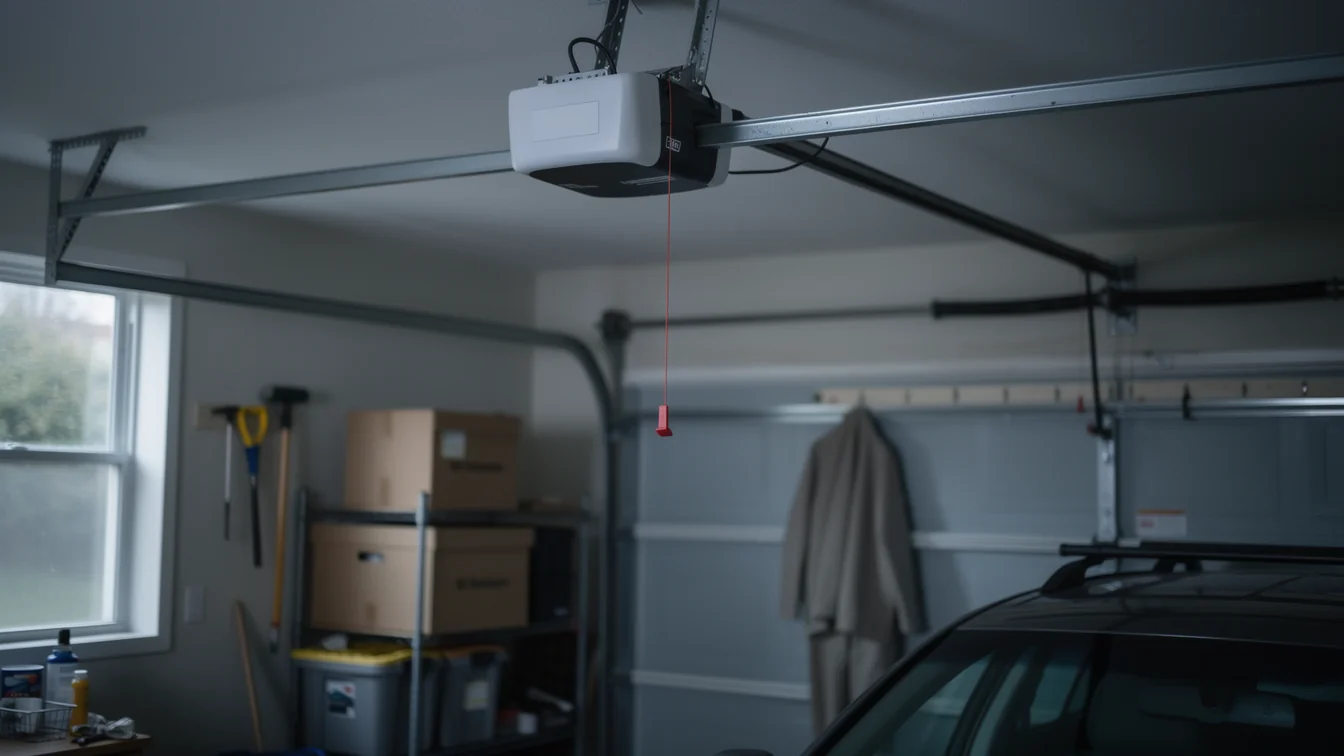
Fairfield's 1954-1984 housing stock and severe cold winters mean garage door openers fail at outage time more than most owners expect.
Read more
Fairfield's housing mostly dates to 1954-1984.
Read moreReady when you are
Fairfield Garage Door Pros repairs and installs garage doors, springs and openers in Fairfield, CT and the surrounding area.