What Can Go Wrong
Most of the openers we pull out of Fairfield-area garages were installed when the house was built or sold, and the housing here mostly went up between 1954 and 1984, with a median year around 1966.
Aging chain-drive limping
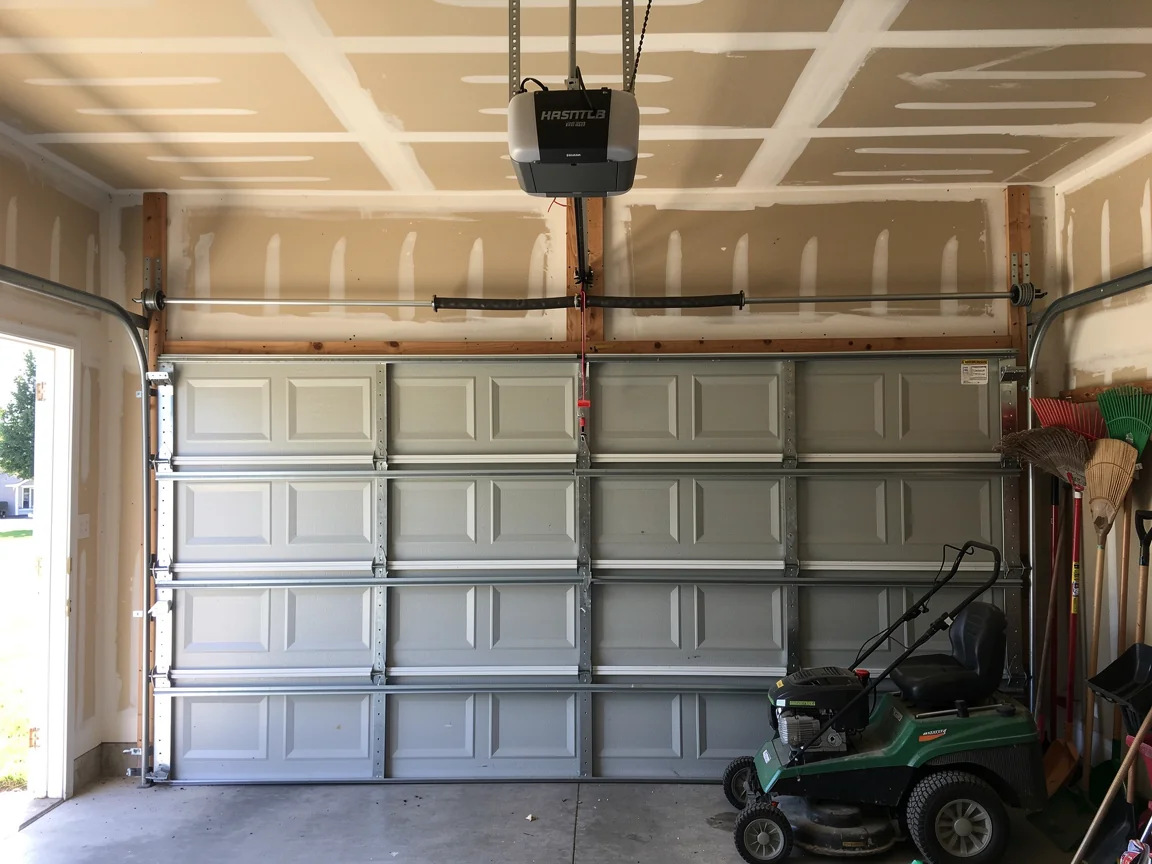
That means a lot of chain-drive units from the 80s and 90s are still bolted to the header, limping along on stripped gears or a capacitor that's given out. The common failure isn't the opener dying outright - it's a mismatch.
Overloaded bracket burnout
A homeowner swaps a heavy insulated steel door onto a bracket and rail sized for the original lightweight panel door the house came with, and the opener burns out in two years straight-lining against a load it was never built to lift.
Pre-safety-code wiring
We also see openers wired into circuits that predate modern safety reversal requirements, which is its own problem on a sale or refinance inspection. None of this is unique to one street - it's what you get when 26 named areas across this service area share the same build era and the same aging electrical runs.
What the Repair Takes
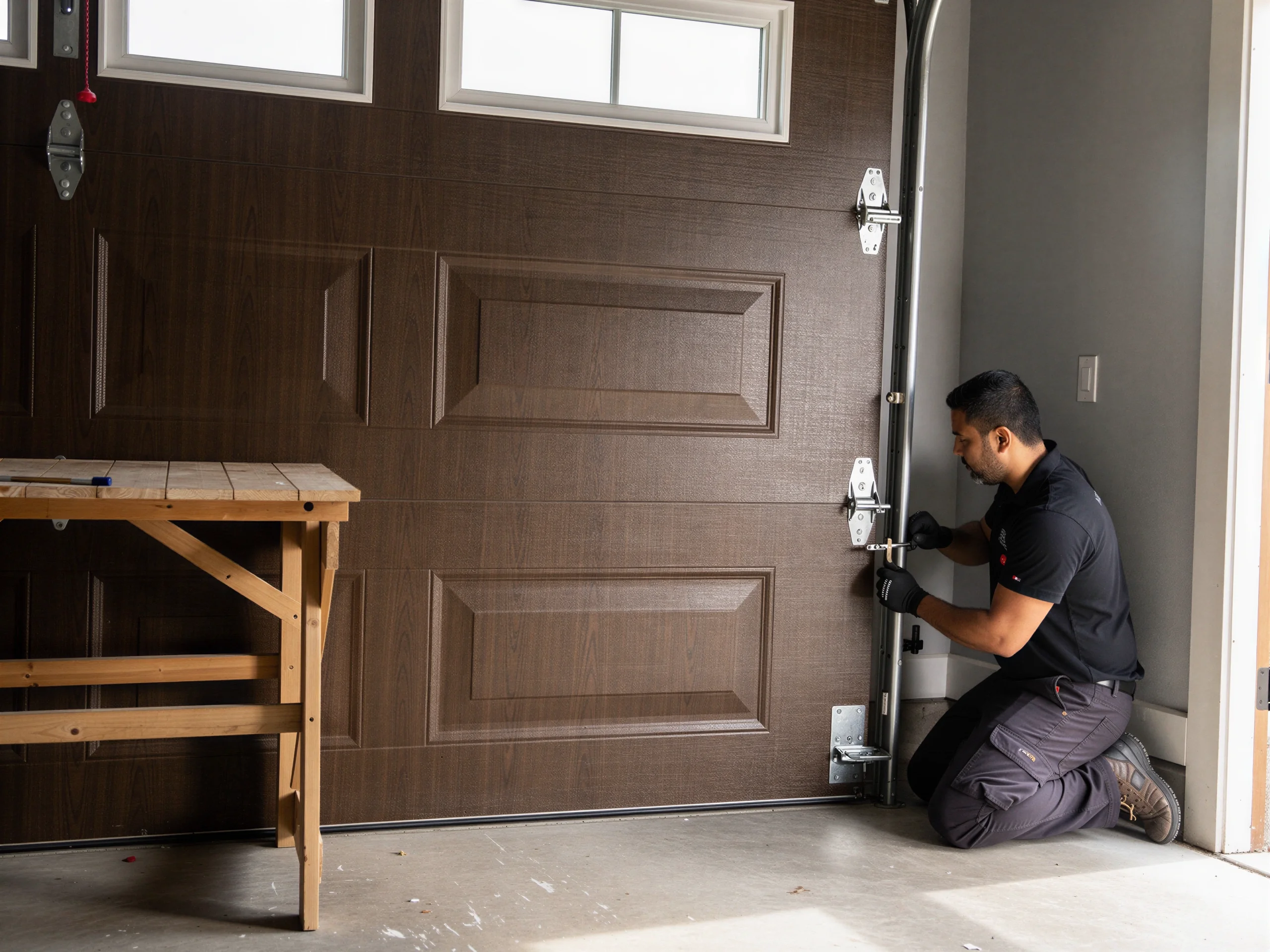
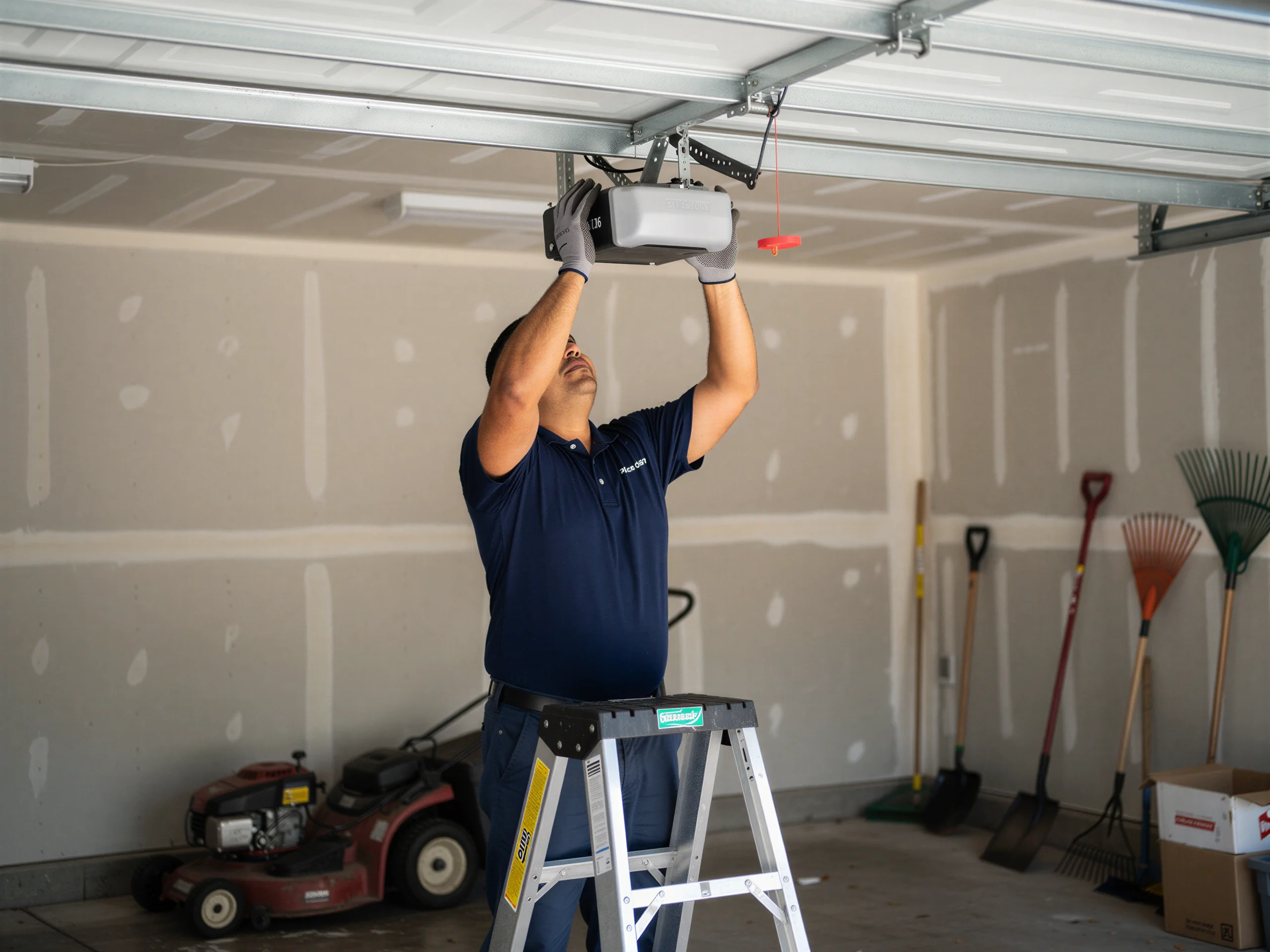
An opener swap on a standard single door usually runs a few hours start to finish: pull the old unit and rail, check the header and bracket for rot or old mounting holes from a prior install, set the new opener to the door's actual weight, and run the safety sensor alignment before we leave.
Reframing older headers
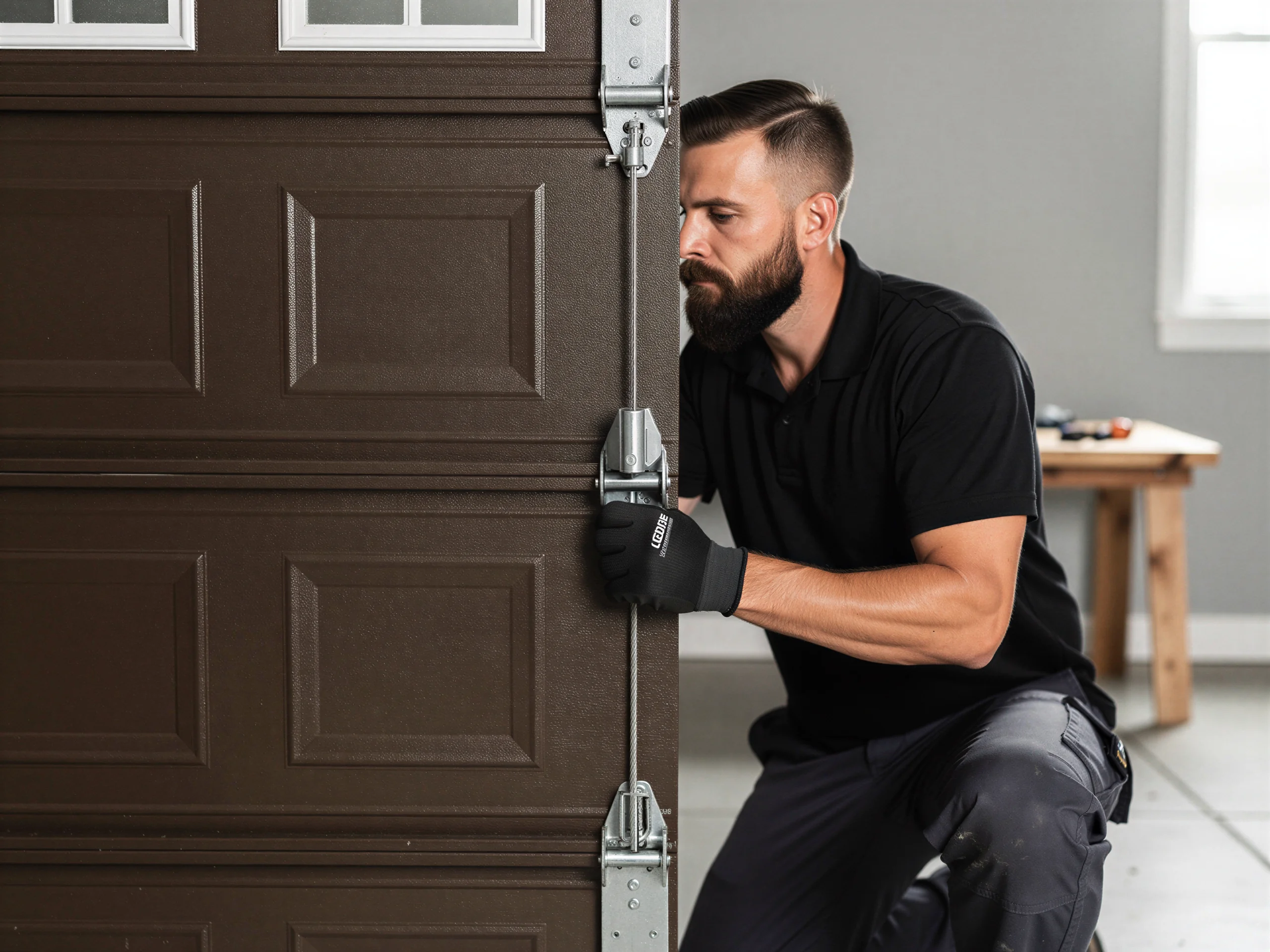
Where it gets longer is older two-car garages built before modern door standards - we sometimes have to reframe the header bracket or replace a bent rail that's been flexing for years.
Limited drive-type stock
We don't carry every drive type on the truck for every job; if a homeowner wants a specific belt-drive model we don't stock, that's a lead-time item, not a same-day fix.
Fix springs first
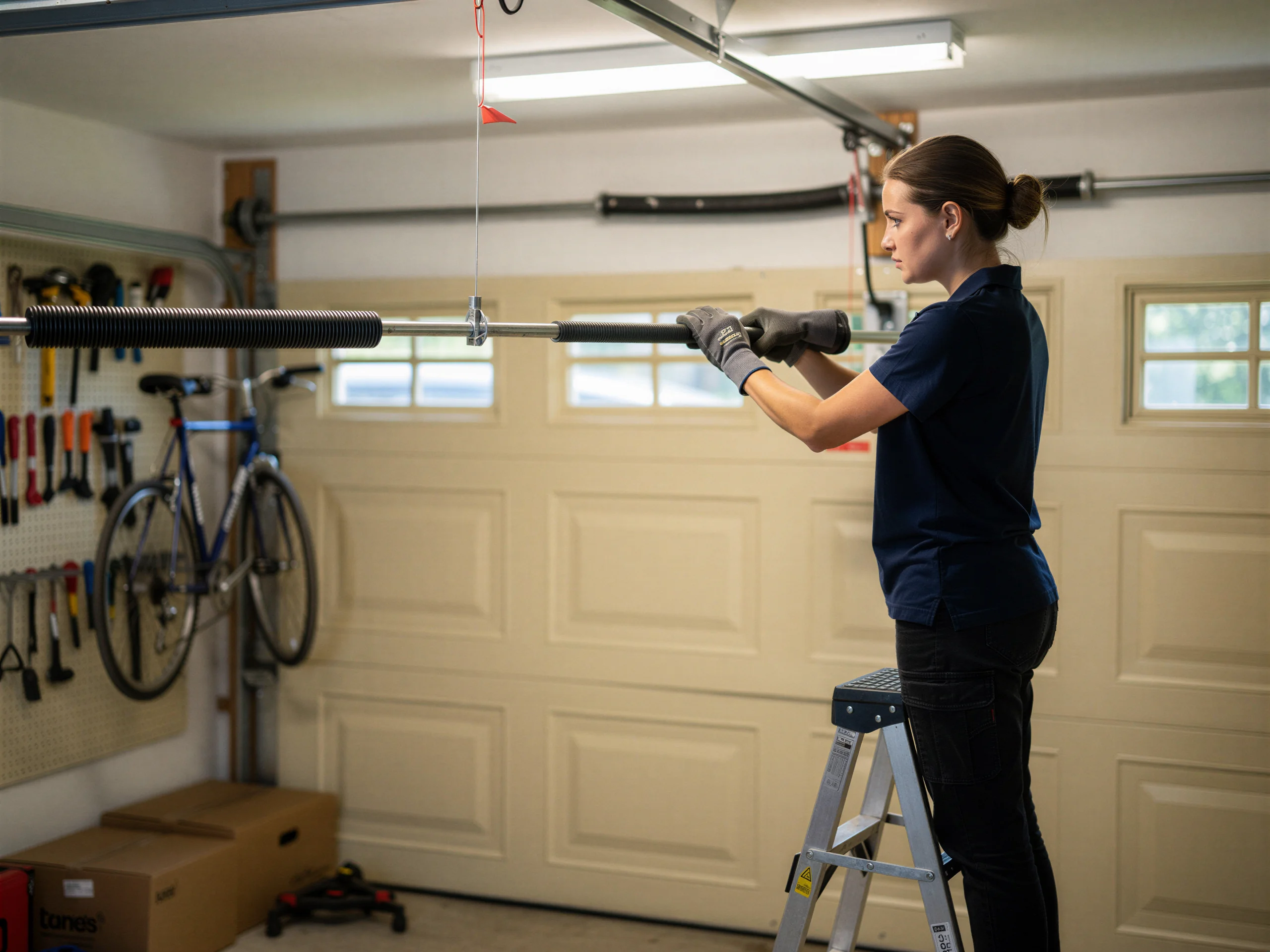
We also won't install a new opener onto a door with a cracked or fatigued spring - fixing that first is cheaper than burning out a second opener trying to lift a door that's already fighting you.
What You Are Seeing
The opener runs but the door stutters partway up, or it reverses right after the motor engages - that's usually a unit straining against a door heavier than its rated lift, something common in houses where the original door's been replaced but the opener wasn't. A grinding or clicking from the motor housing on a unit installed in the 80s or 90s is worn gear stripping, not a quick fix - that's a replacement, not a repair. If the remote works intermittently depending on temperature, that points to failing capacitors or board components, which show up more in this region given the cold-weather swings each winter. And if the opener runs fine but the light never comes on or blinks oddly, check the bulb type first - LED retrofits in older housings sometimes trip the circuit board.
What Causes It Around Here
This area sits in a severe cold climate band, and that matters more for openers than most people assume. Grease in the drive gear and chain thickens in sustained cold, motors draw harder on startup, and older units built before cold-weather-rated lubricant became standard struggle through January mornings in a way they never do in July. Add in housing stock from the 1960s and 70s - roughly 83,336 owner-occupied houses across this service area, many still on original or first-generation garage framing - and you get openers mounted to headers that have shifted slightly over sixty years, putting uneven strain on the rail. It's a pattern we see across the towns near Fairfield, from Southport a mile out to Westport and beyond, because the build era and the weather are shared, not local to one block.
Talk to a local pro
Garage door service in Fairfield?
Same-day service with honest, upfront quotes.