What Can Go Wrong
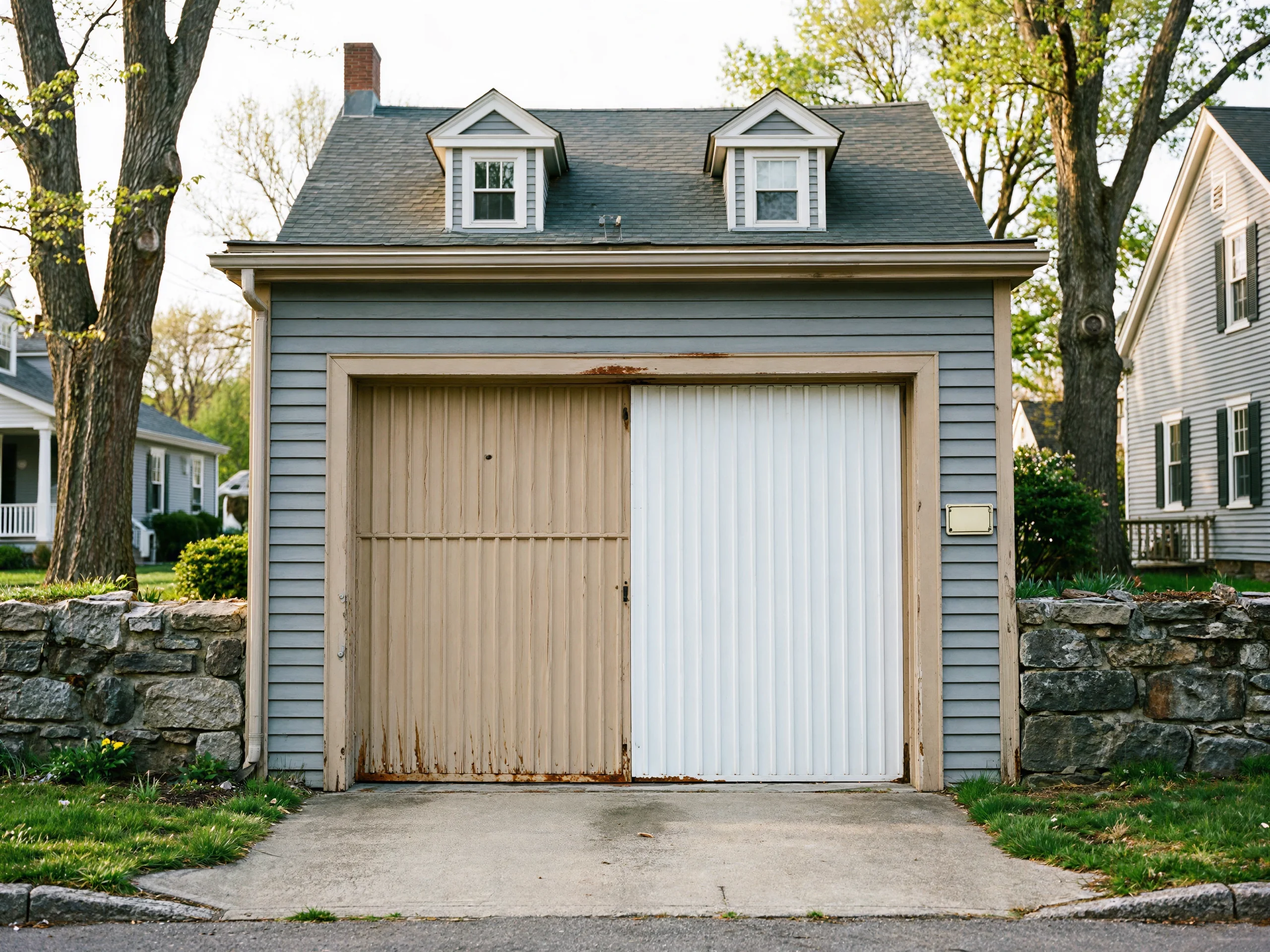
Most of the houses we work on in this area went up between 1954 and 1984, with the typical build year sitting around 1966. That means the garage door hardware on a lot of these homes is older than the owner expects, even after a replacement door or two.
Gradual spring and bar wear
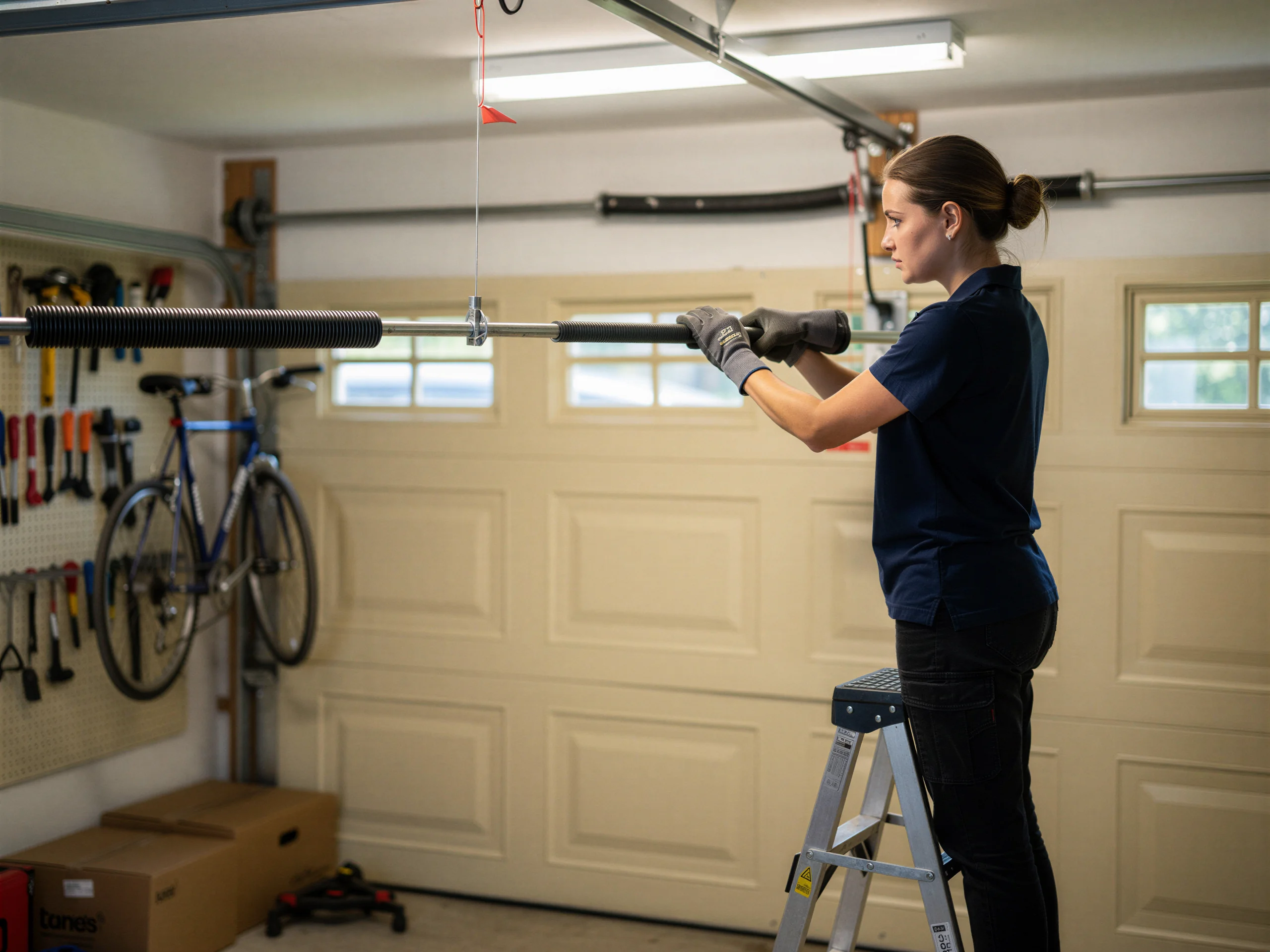
Springs lose tension over years of cycling, torsion bars rust at the ends where moisture collects, and extension springs on older setups stretch past safe coil spacing without any obvious sign until they let go. Rollers on the original tracks wear oval instead of round, which throws the whole door off its rails a little more each month.
Quiet gear stripping
Opener drive gears from that era (chain or screw drive, mostly) strip slowly, so you get a door that's noisy for months before it's a door that's stuck. None of this shows up as a dramatic failure at first.
Slow decline signs
It shows up as a door that's a little harder to lift by hand, a little louder going up, a little slower to reverse. By the time it's loud enough to notice, the hardware has usually been working harder than it should for a year or more.
What the Repair Takes
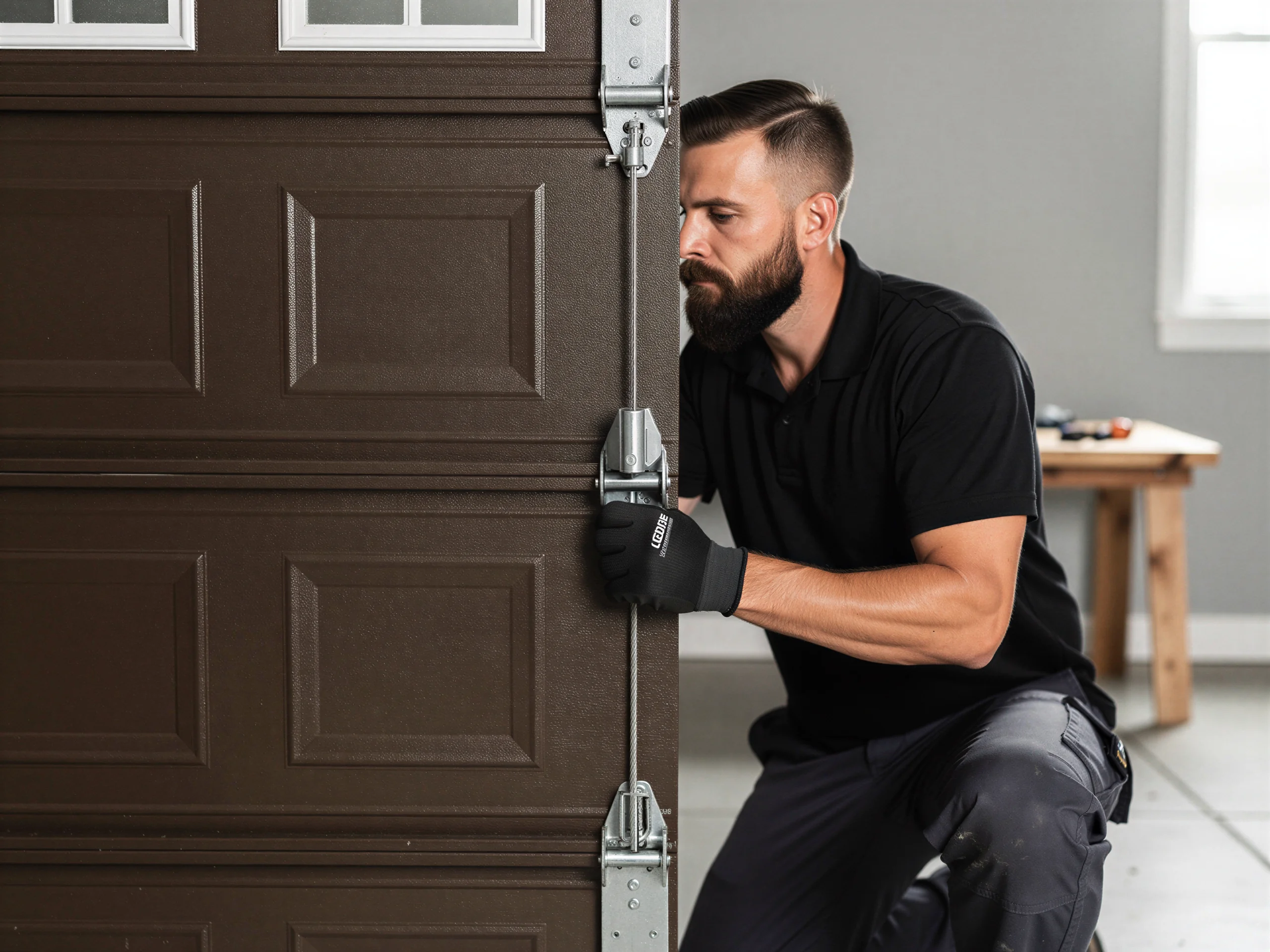
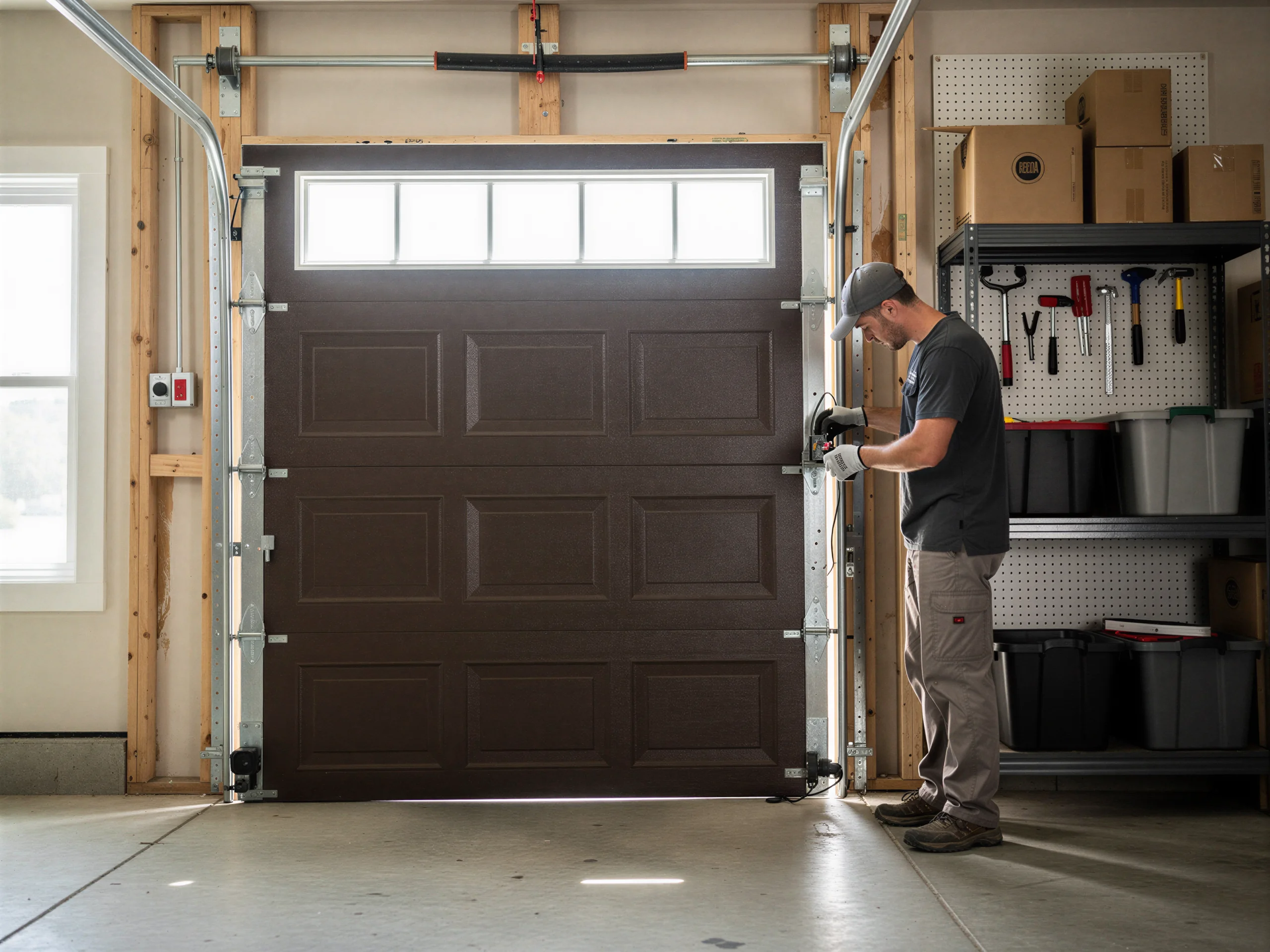
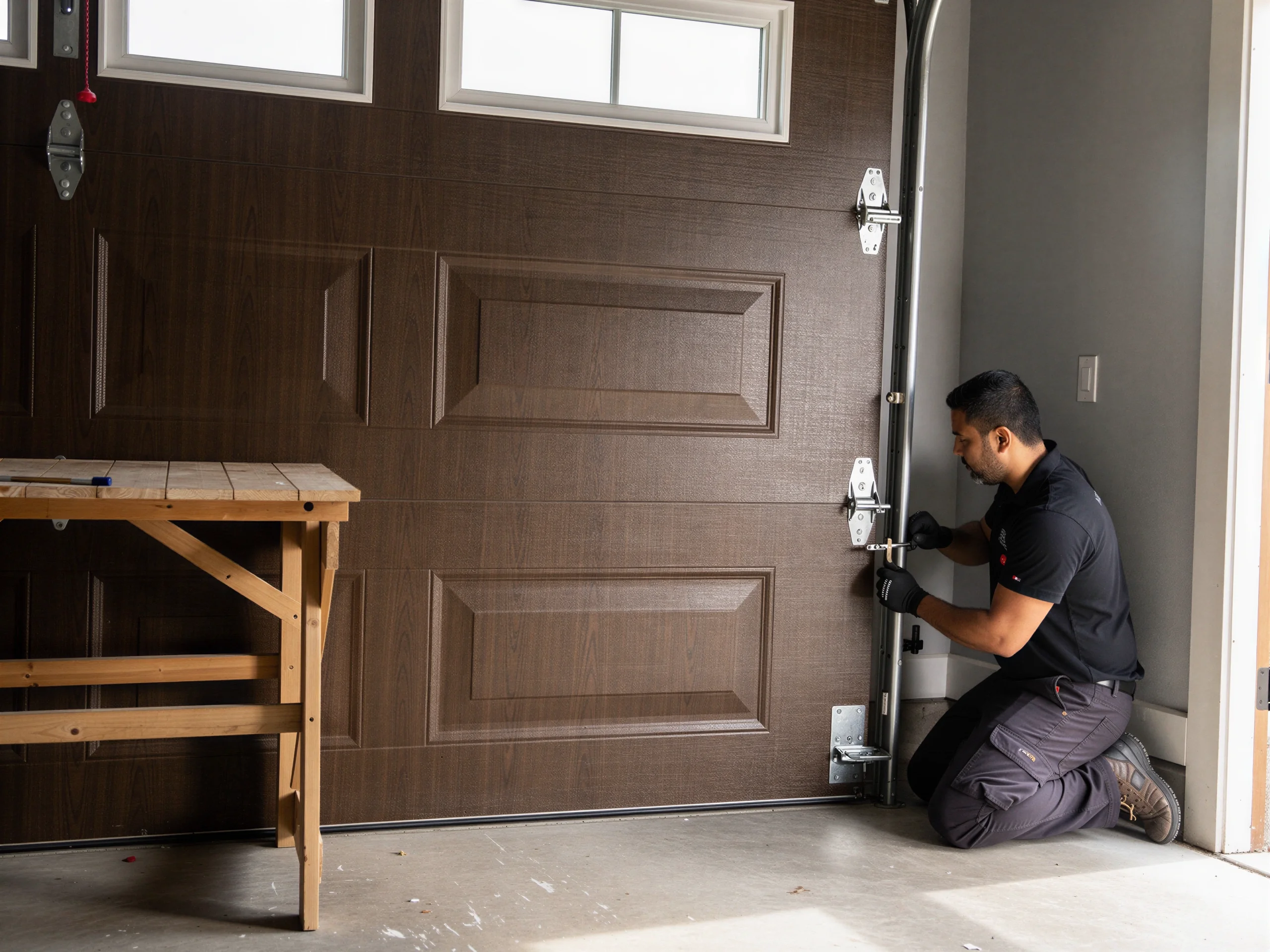
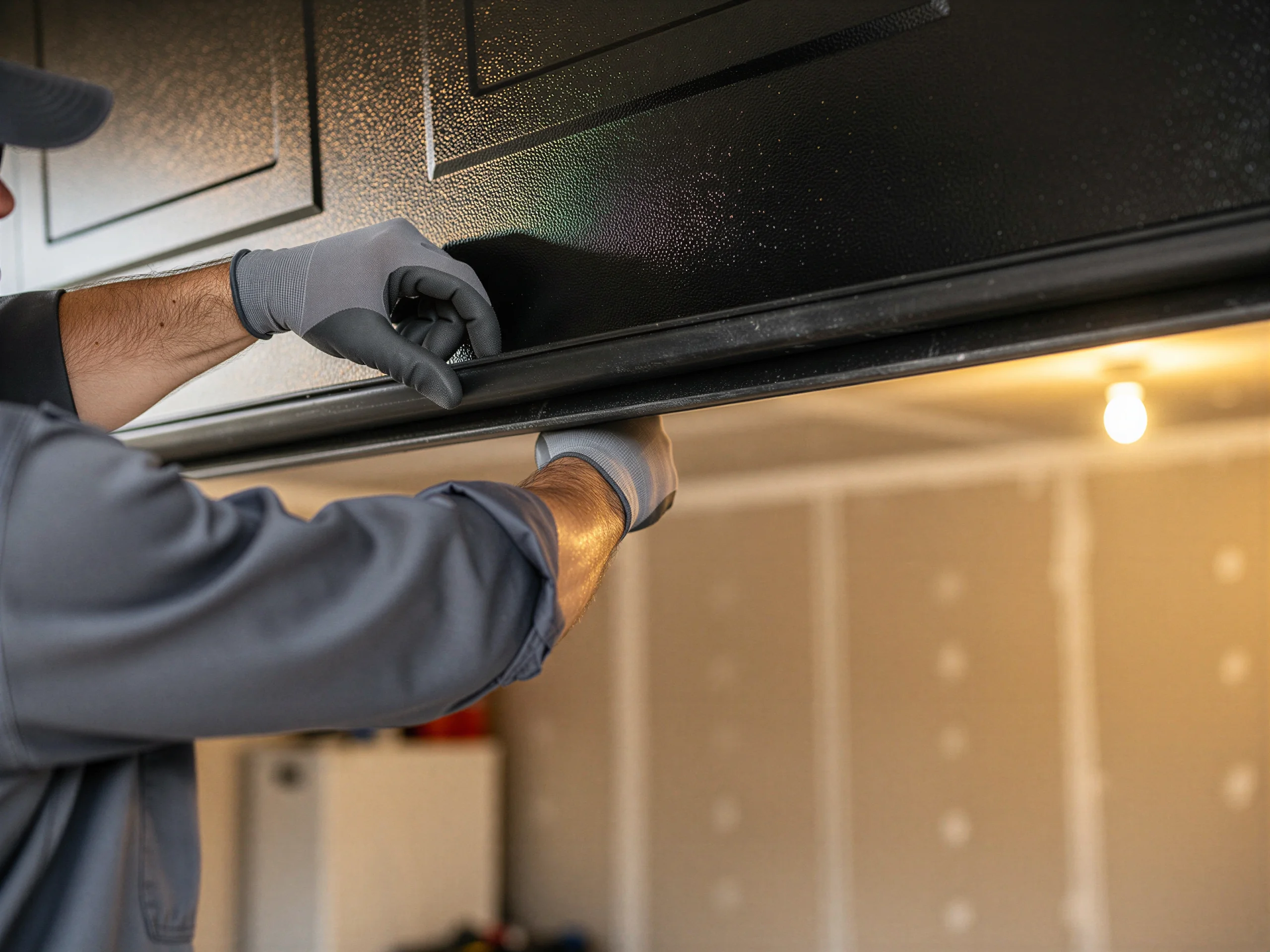
A real maintenance visit means pulling the door off auto-operation and running it by hand to feel where it binds. We check spring wind and balance, inspect cable fraying at the drums, look at roller wear and track alignment, and test opener force settings and auto-reverse. On torsion setups from the 1960s and 70s we pay close attention to the center bearing plate, since that's the part that seizes first on original installs. If a spring is close to the end of its cycle life, we'll say so and give you the choice before it becomes an emergency call. We don't replace parts that don't need it - a track that's slightly out of plumb but not binding gets noted, not swapped. One honest limit: if the opener is a discontinued model from that era and the circuit board has failed, we may not have the part on the truck, and ordering it can take longer than most people want to wait. In that case, replacing the opener is usually the straighter path than chasing a part for a 50-year-old unit.
What You Are Seeing
Homeowners usually call us about one of three things: a door that's suddenly heavier to lift, a grinding or popping sound partway through the cycle, or an opener that runs but the door barely moves.
Weakening spring signs
The heavy-door complaint is almost always a spring losing tension - not broken yet, just weaker, and the opener has been compensating by working harder until it can't. The grinding sound is usually a roller that's worn past round, which is common on original hardware that's never been serviced.
Stripped gear or cable
The opener-runs-door-doesn't-move complaint points to a stripped gear or a cable off the drum, which on older torsion setups also means the door isn't under control if someone tries to lift it manually. None of these are safe to diagnose by ear alone over the phone, since two very different problems can sound almost identical.
What Causes It Around Here
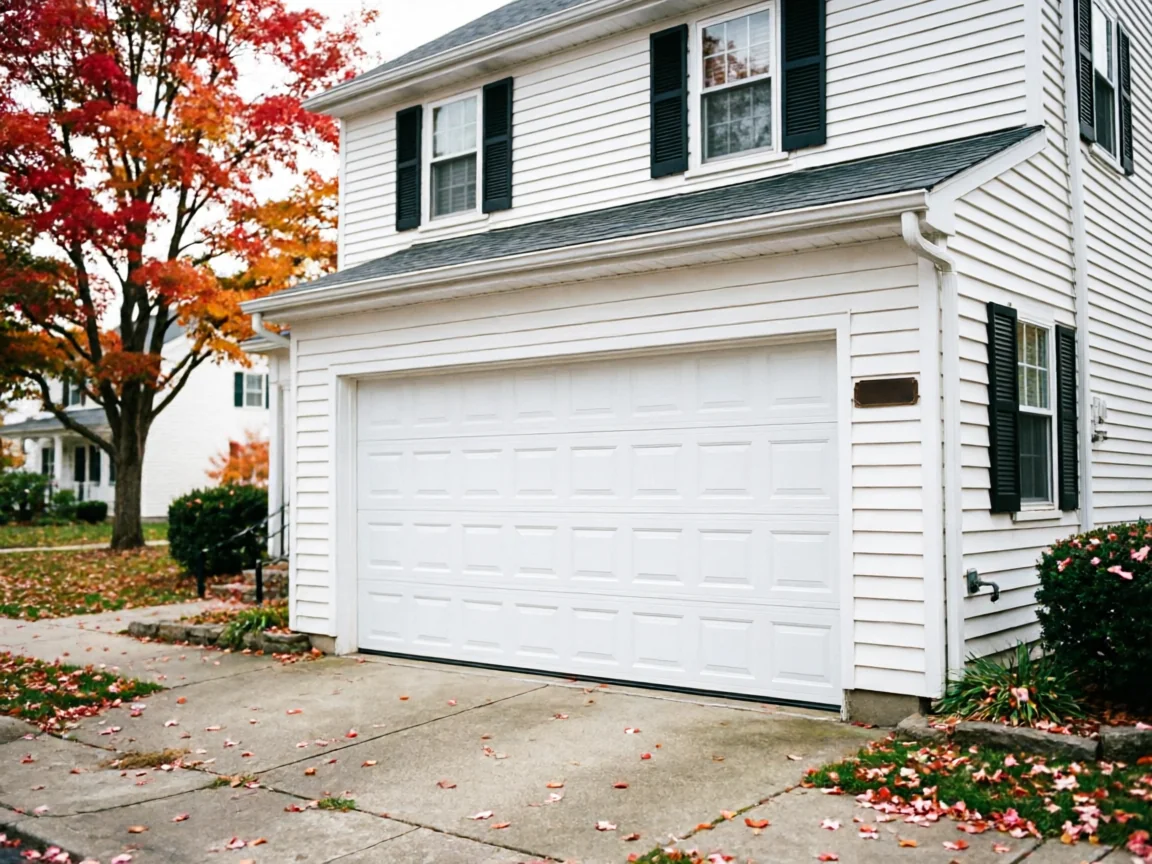
The housing stock across this service area - 26 named areas, most of it 1960s and 70s construction - puts a lot of garage hardware at or past the age where springs and bearings are due for attention, whether or not the door itself has been replaced. Add a cold, severe winter climate, and metal fatigue moves faster: cold makes springs stiffer and more prone to snapping on the first cold-morning cycle of the day, and it makes track lubricant gum up if it hasn't been serviced in a while. With 83,336 owner-occupied houses in the area built mostly in that same narrow window, this isn't a one-house problem - it's a pattern tied to when this part of Connecticut was built out. We see the same failure modes on torsion hardware installed under the original building code for homes from Southport to Stratford to Trumbull, just at different stages depending on how well the door's been maintained.
Talk to a local pro
Garage door service in Fairfield?
Same-day service with honest, upfront quotes.