Time on the Job
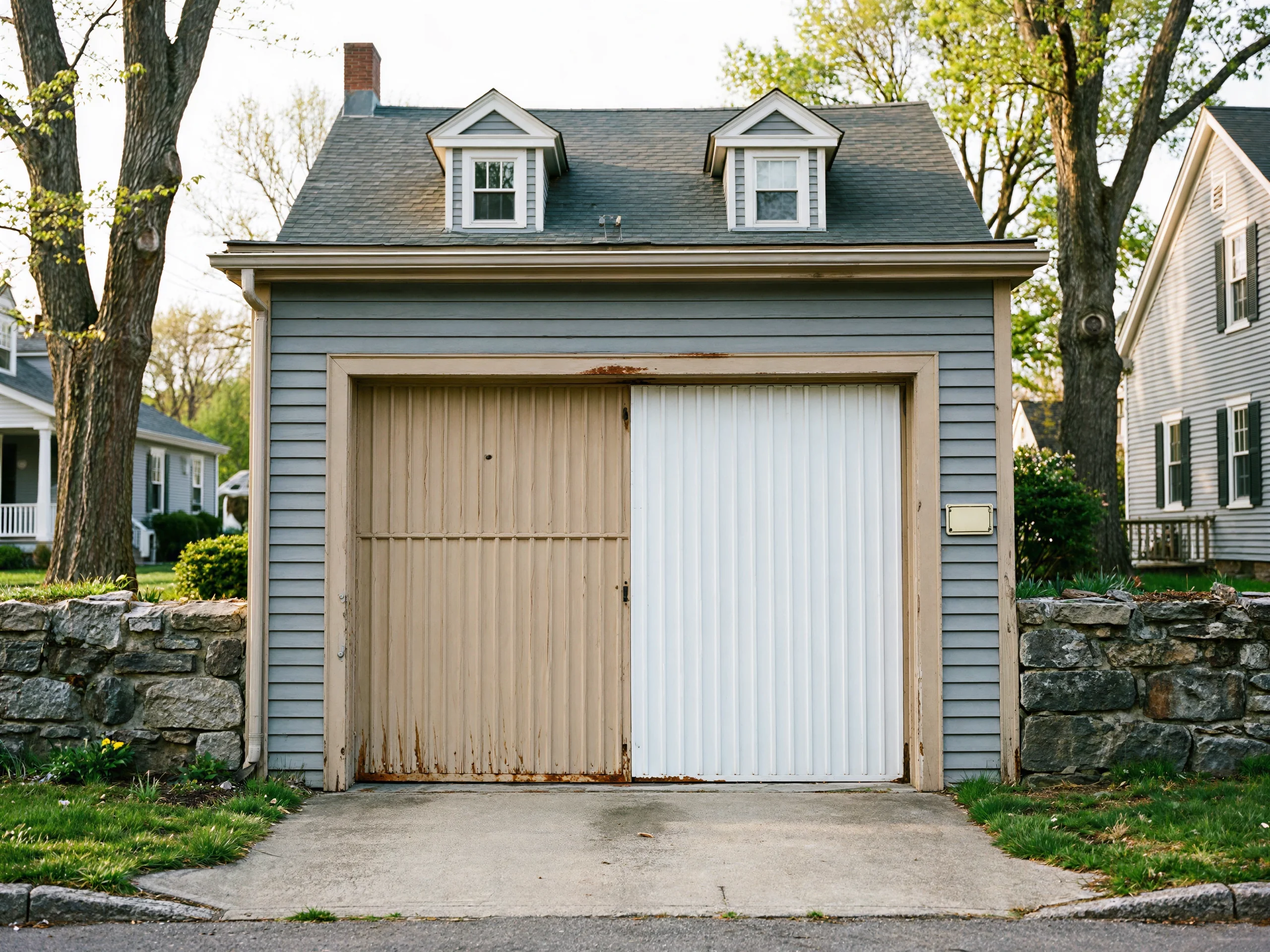
Most garage doors we see in Stratford sit on houses built around 1957, give or take a decade either side. That puts the door itself - not just the opener - into a different category than newer builds.
Seven-foot single-layer steel
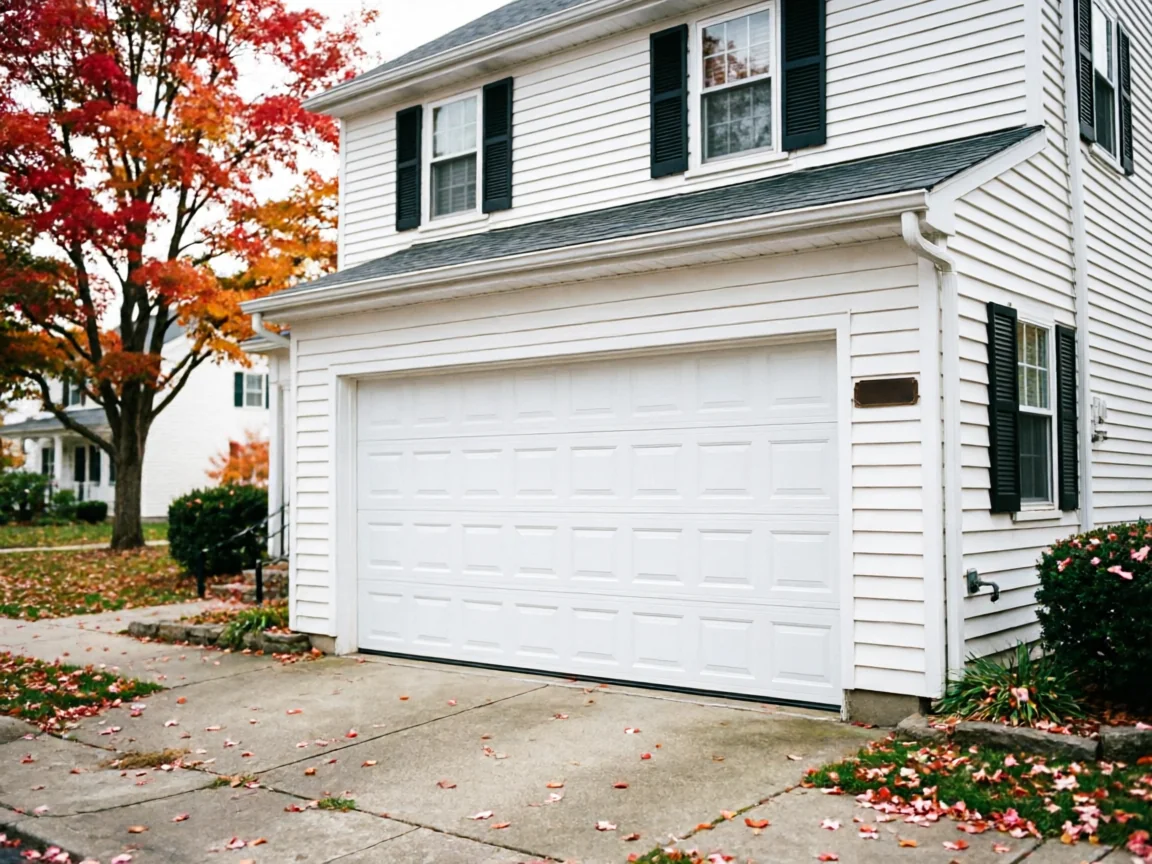
A lot of these are still single-layer steel, 7-foot sections rather than the 8-foot height that became common later, hung on tracks that were never designed for today's heavier insulated panels if an owner swapped one in along the way.
Track alignment first
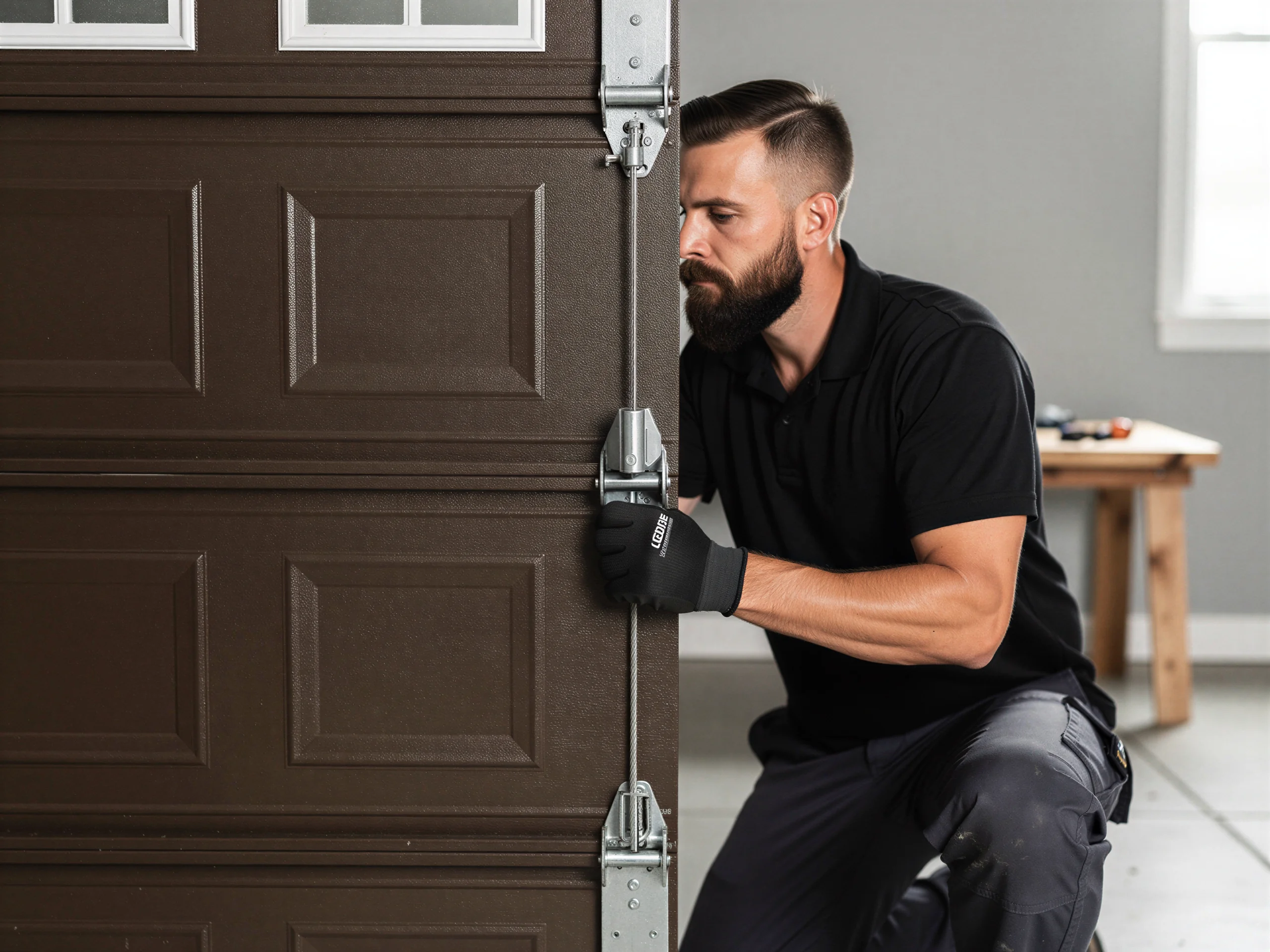
A maintenance visit on a door this age means checking the original track alignment before anything else, because 65 years of settling shifts a house more than people expect, and a track that's a quarter inch out doesn't show until the rollers start eating themselves.
Single spring never upgraded
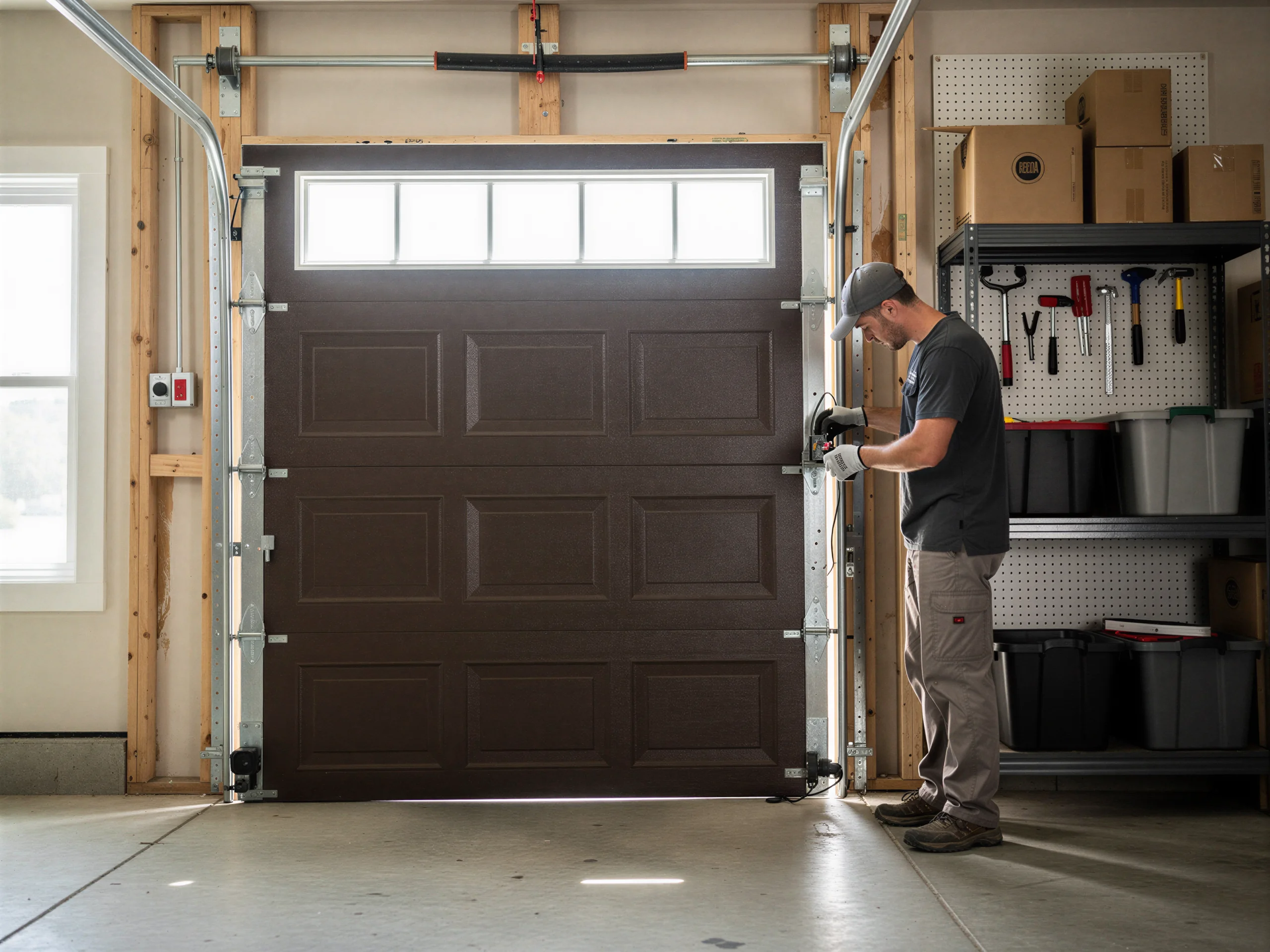
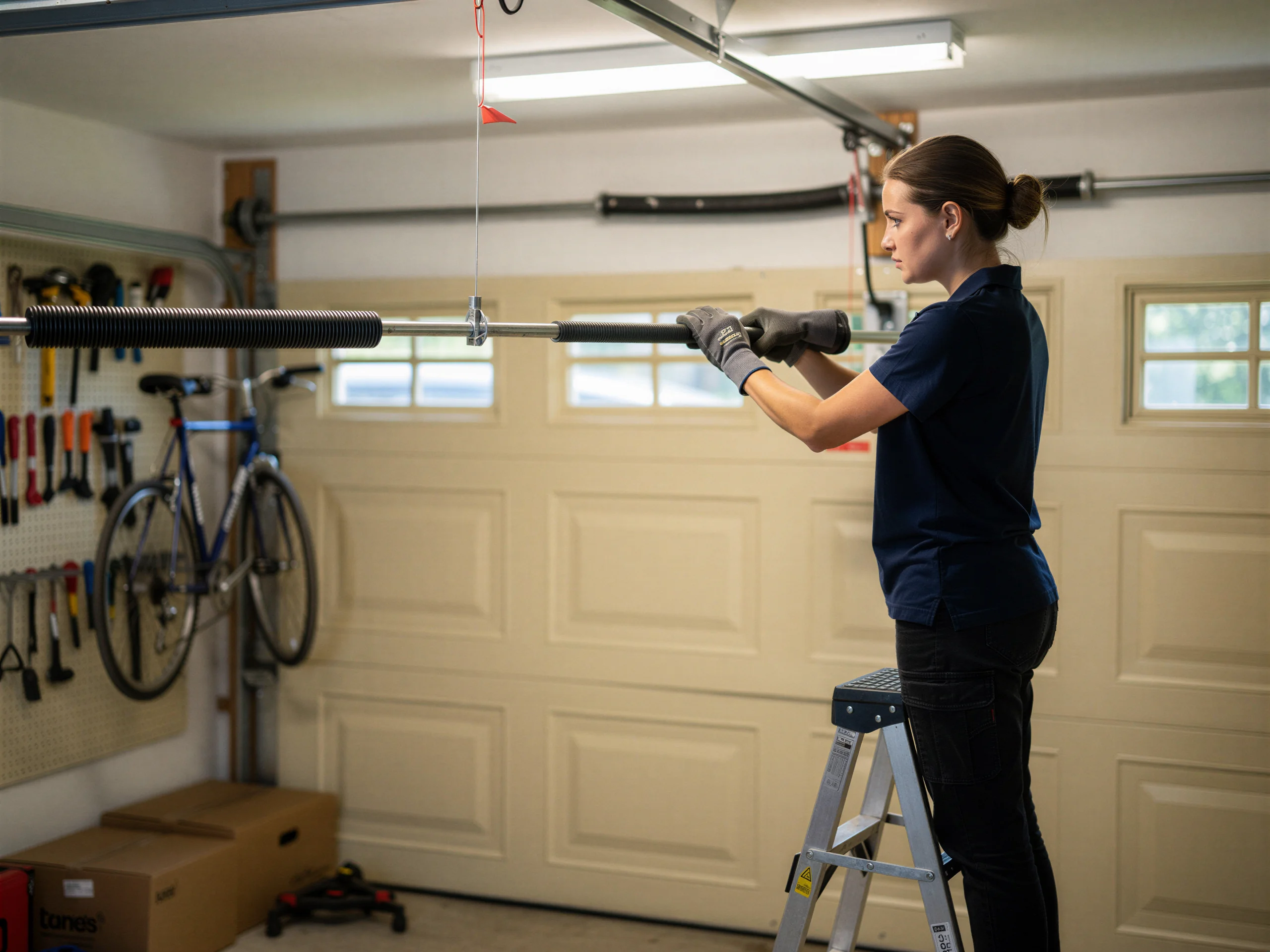
We also check whether the torsion hardware was ever upgraded or if it's still the original single spring setup - a lot of these houses never got a second spring added when the rest of the street did. None of this is a quick glance. It's lifting panels, checking fasteners that are original to the house, and deciding what's worth adjusting versus what's worth flagging for later.
What Can Go Wrong
Cold is the big one here - this part of Connecticut sits in a severe cold climate band, and steel contracts in January in ways that reveal every weak point in a 1957 door.
Coldest morning springs
Springs that have taken 65 winters of expansion and contraction don't fail gracefully; they go on the coldest morning of the year, usually right as someone's leaving for work.
Mismatched weatherstrip types
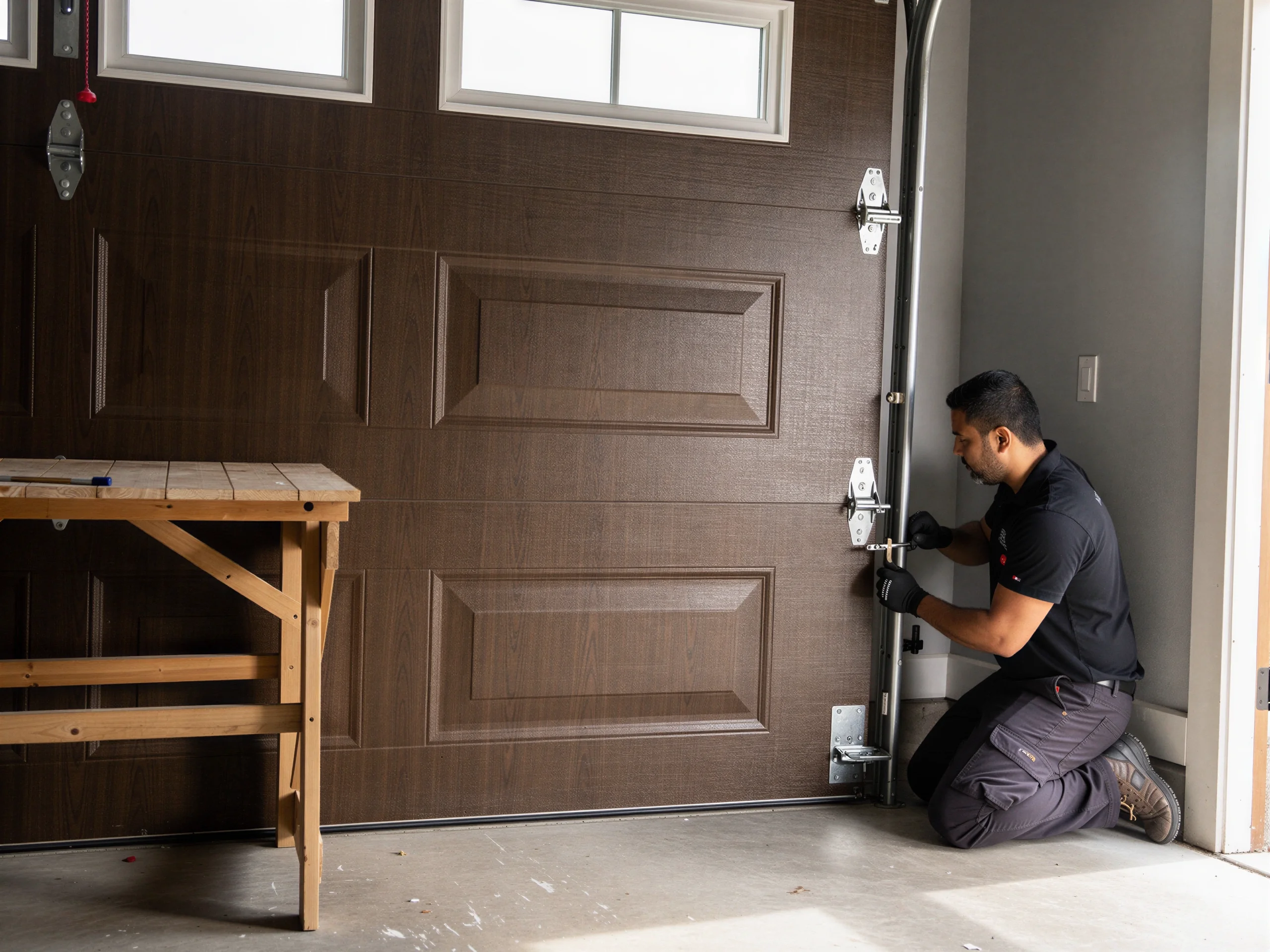
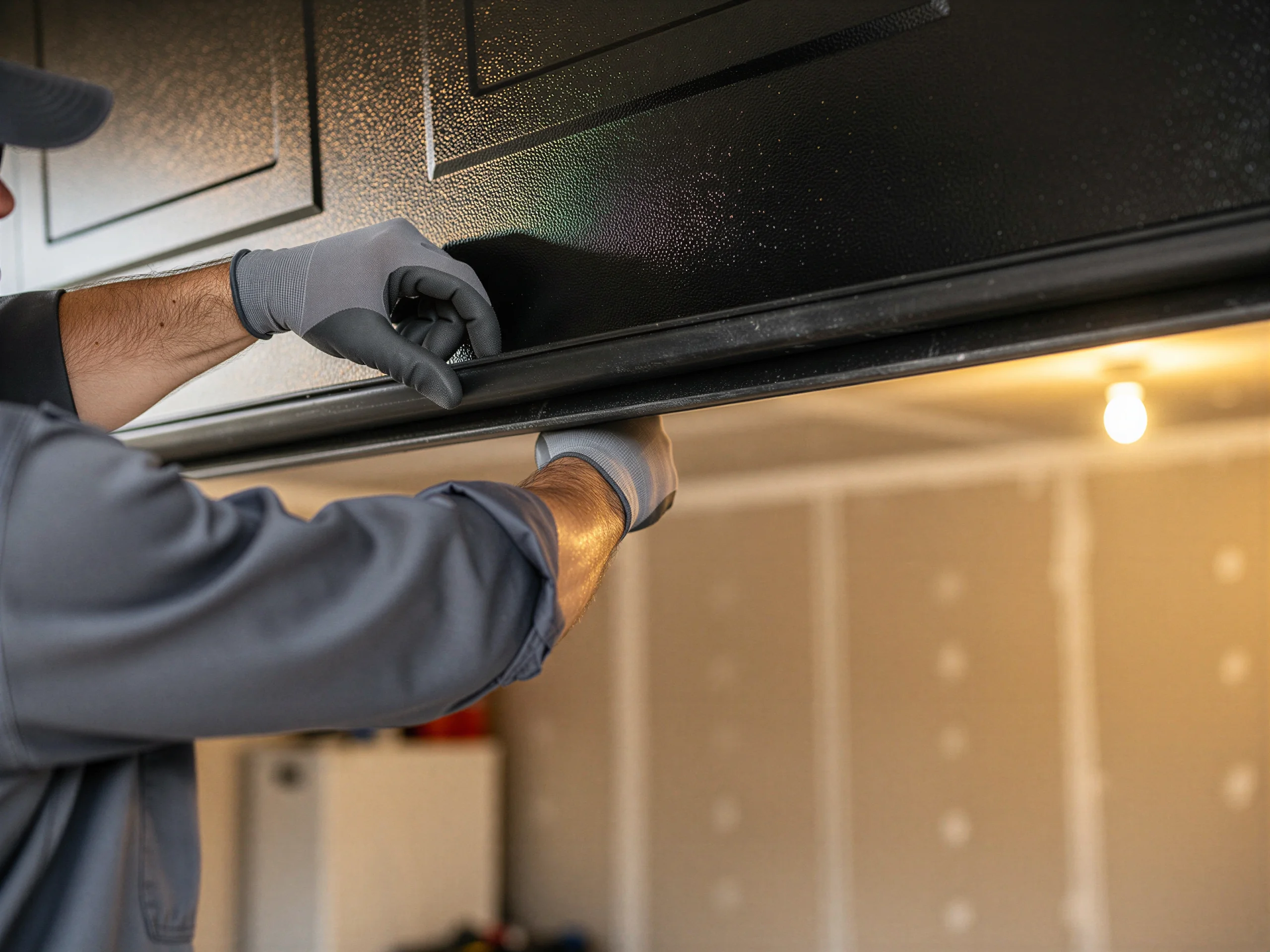
Weatherstripping on doors this old was often replaced piecemeal over the decades, so you'll find three different types of seal on one door, none of them doing much by February. Rollers on original tracks wear unevenly because the track itself has settled with the house, so a roller that looks fine on one side is grinding on the other.
Openers on weak brackets
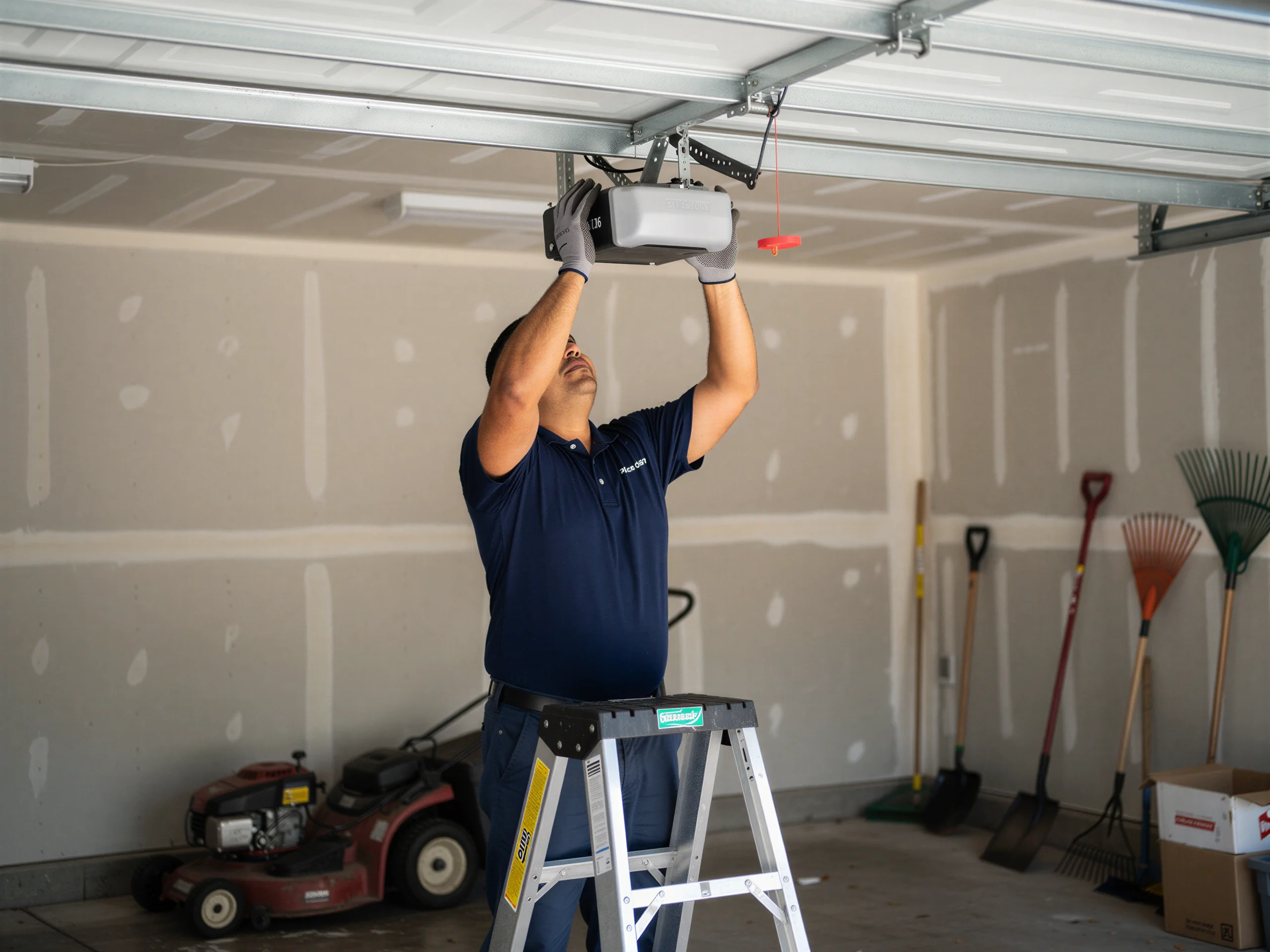
We also see a lot of openers that were added decades after the door itself, bolted onto hardware never meant to carry motorized load - the opener runs fine until the day the bracket it's hanging from finally gives up. None of this is dramatic until the day it is.
What You Pay
We don't have a flat number to quote here because it depends on what we find once the door's open - a 1957 door that's been well kept costs a lot less to maintain than one where three prior owners added fixes that don't match each other. What we can tell you is that households across the wider service area run a median income of $162,079, while Stratford itself runs closer to $93,820 - we mention that only because it shapes how we talk about repair versus replacement with Stratford owners: we'd rather fix what's fixable on an older door than push a full swap when the hardware still has life in it. If a spring, a roller set, and a weatherstrip get you another several winters, that's the call we'll make.
What Is on the Truck
We come out of Fairfield, about 8 miles away, so the truck is stocked for the kind of doors we expect to see on that stretch of road - standard torsion springs sized for 7-foot single-layer steel sections, rollers in both nylon and steel, and weatherstrip in the widths that actually fit doors from the 1950s and 60s rather than only the newer stock sizes. One honest limit: if a door needs a specialty panel to match an odd original size, that's not something we carry on the truck, and it may mean a short wait on a special order rather than a same-visit fix. We'd rather tell you that up front than pretend every part shows up in our bins.
Talk to a local pro
Garage door service in Fairfield?
Same-day service with honest, upfront quotes.