Doing It Yourself
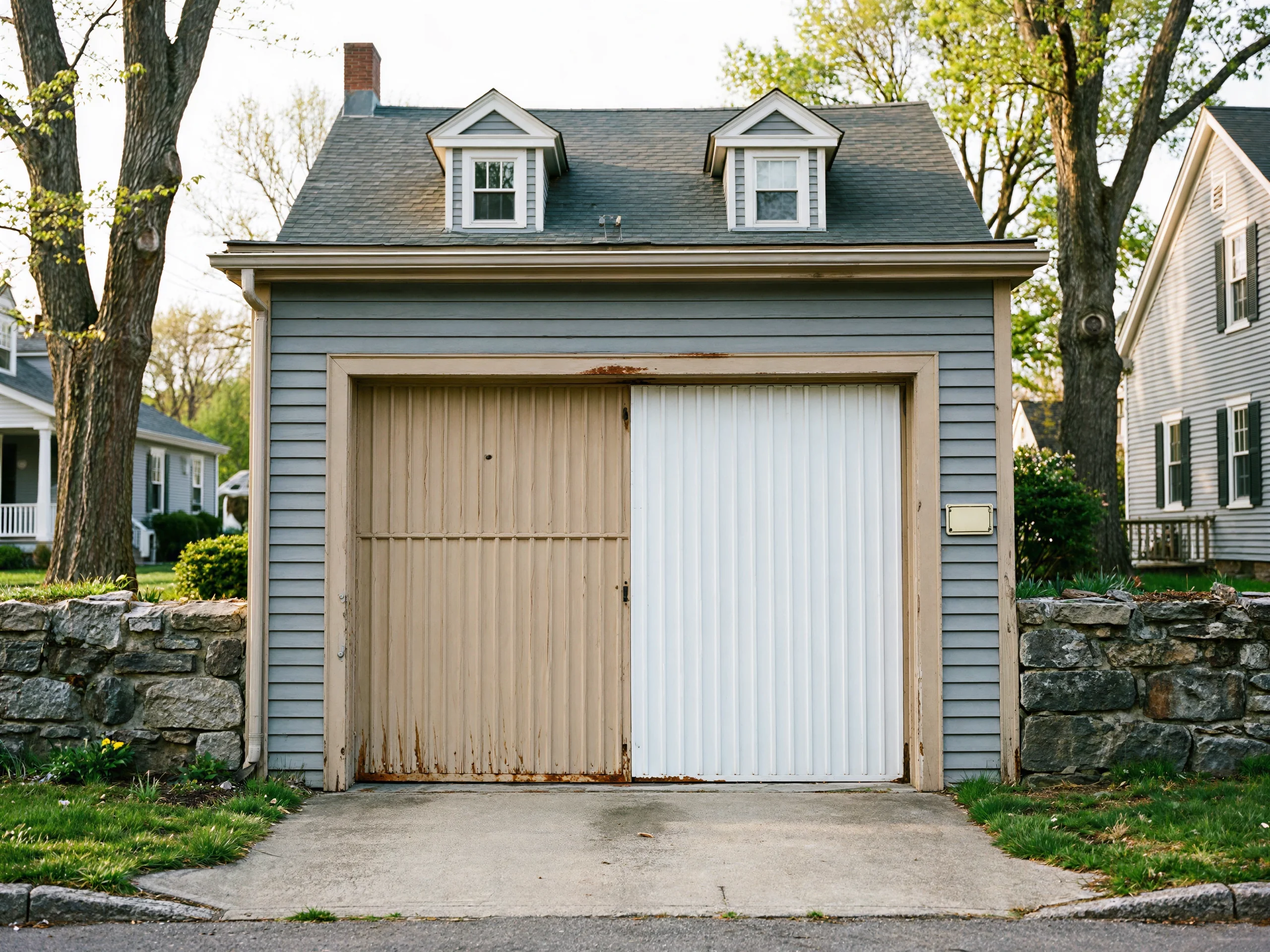
A lot of Trumbull's housing went up right around 1965, and the garage doors on those houses tend to follow a pattern: single-car or two-car wood or early steel sectional doors, hung on tracks and hardware sized for a lighter panel than what gets installed today.
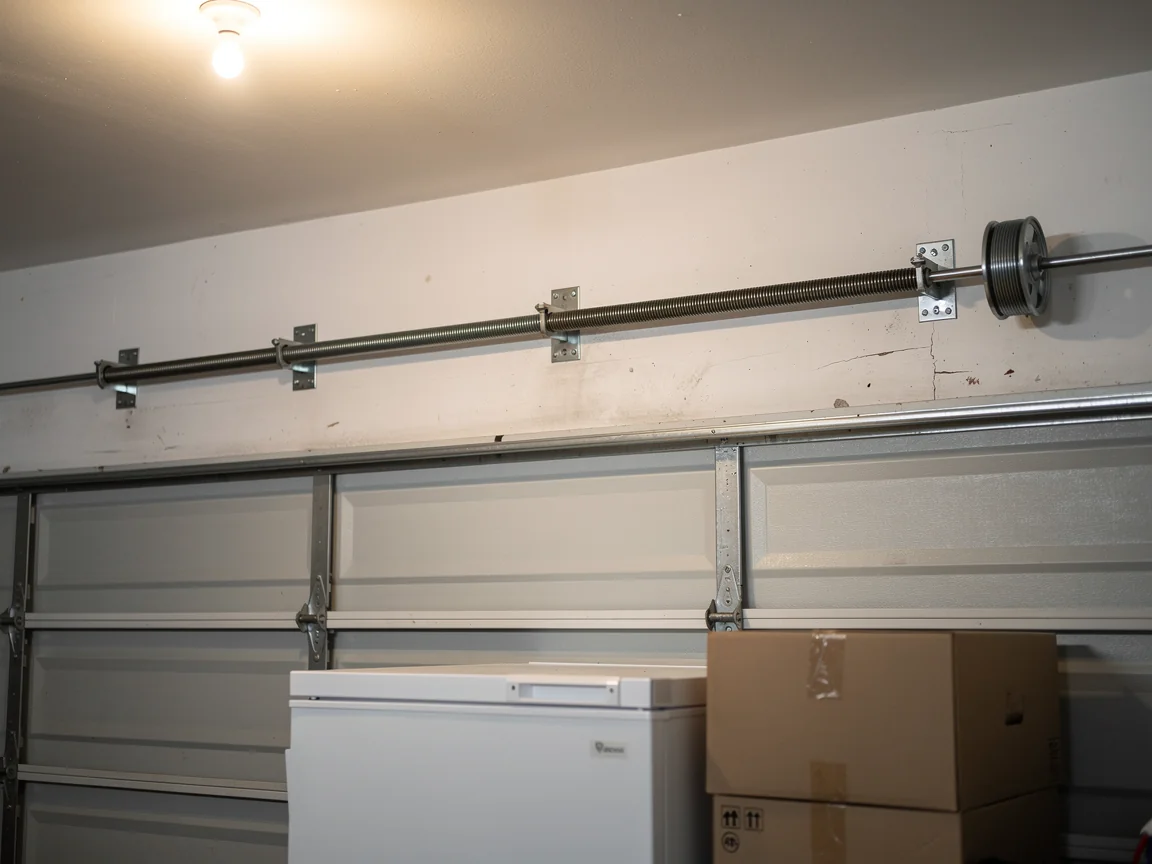
Extension springs on track
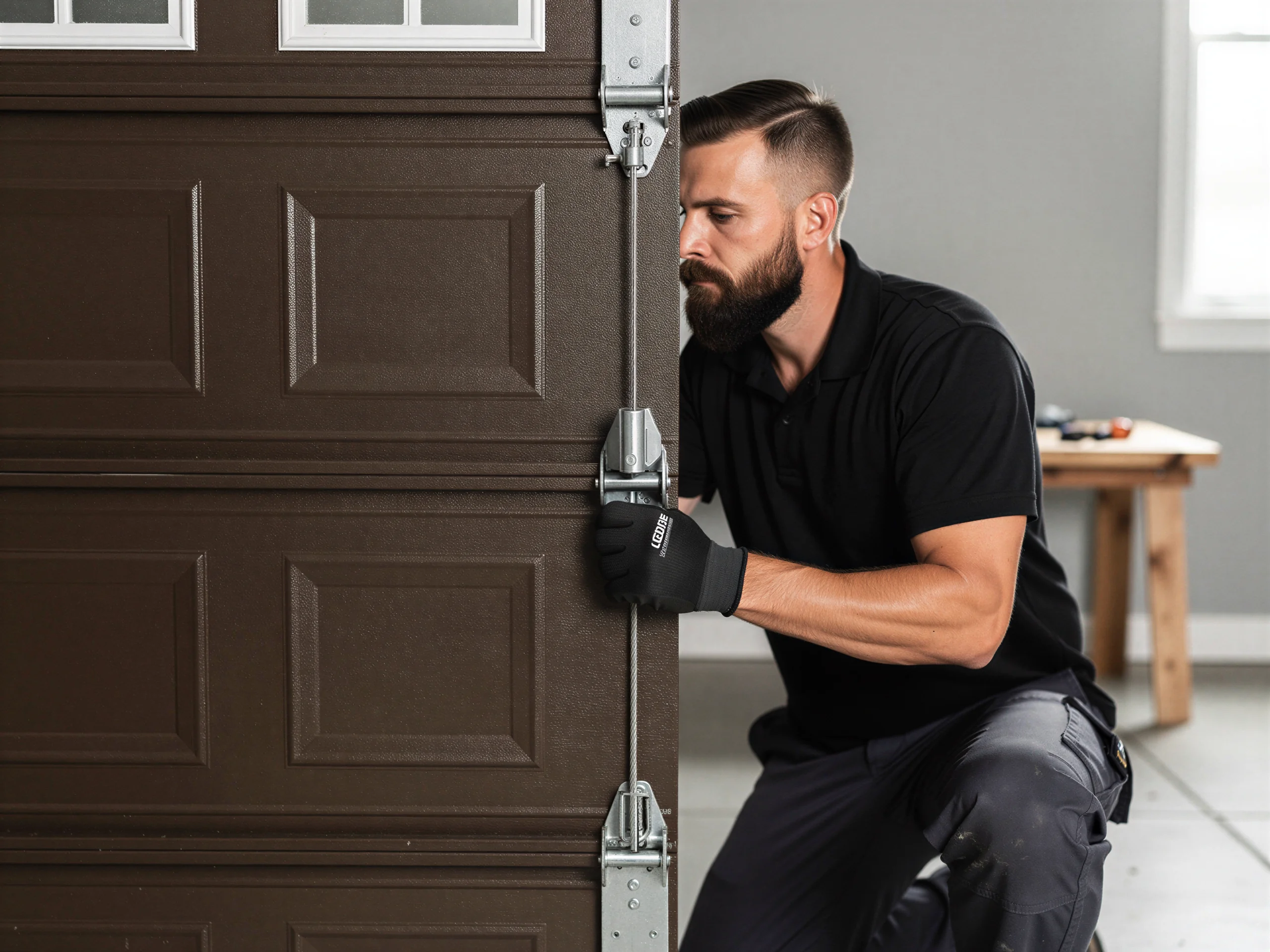
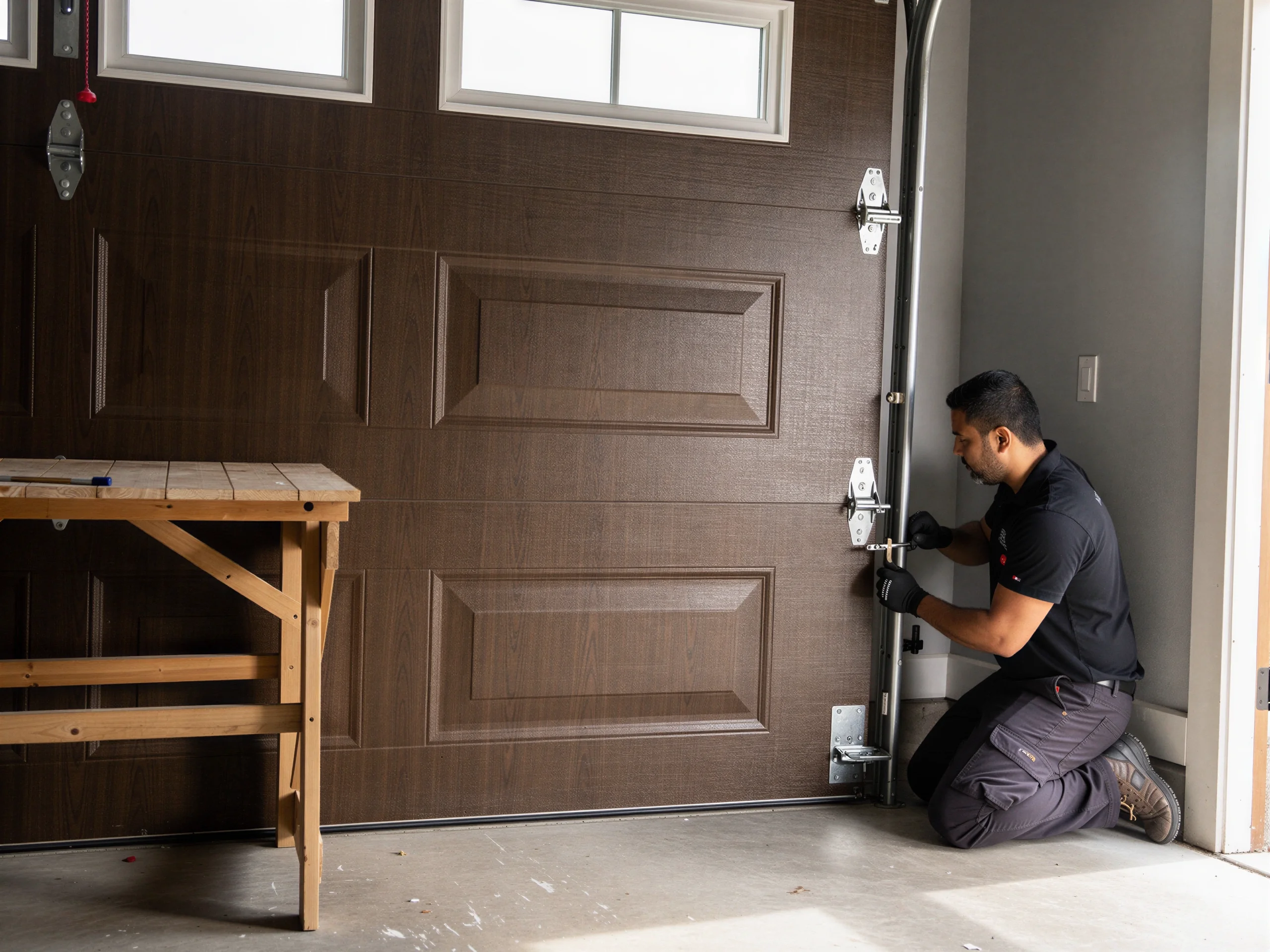
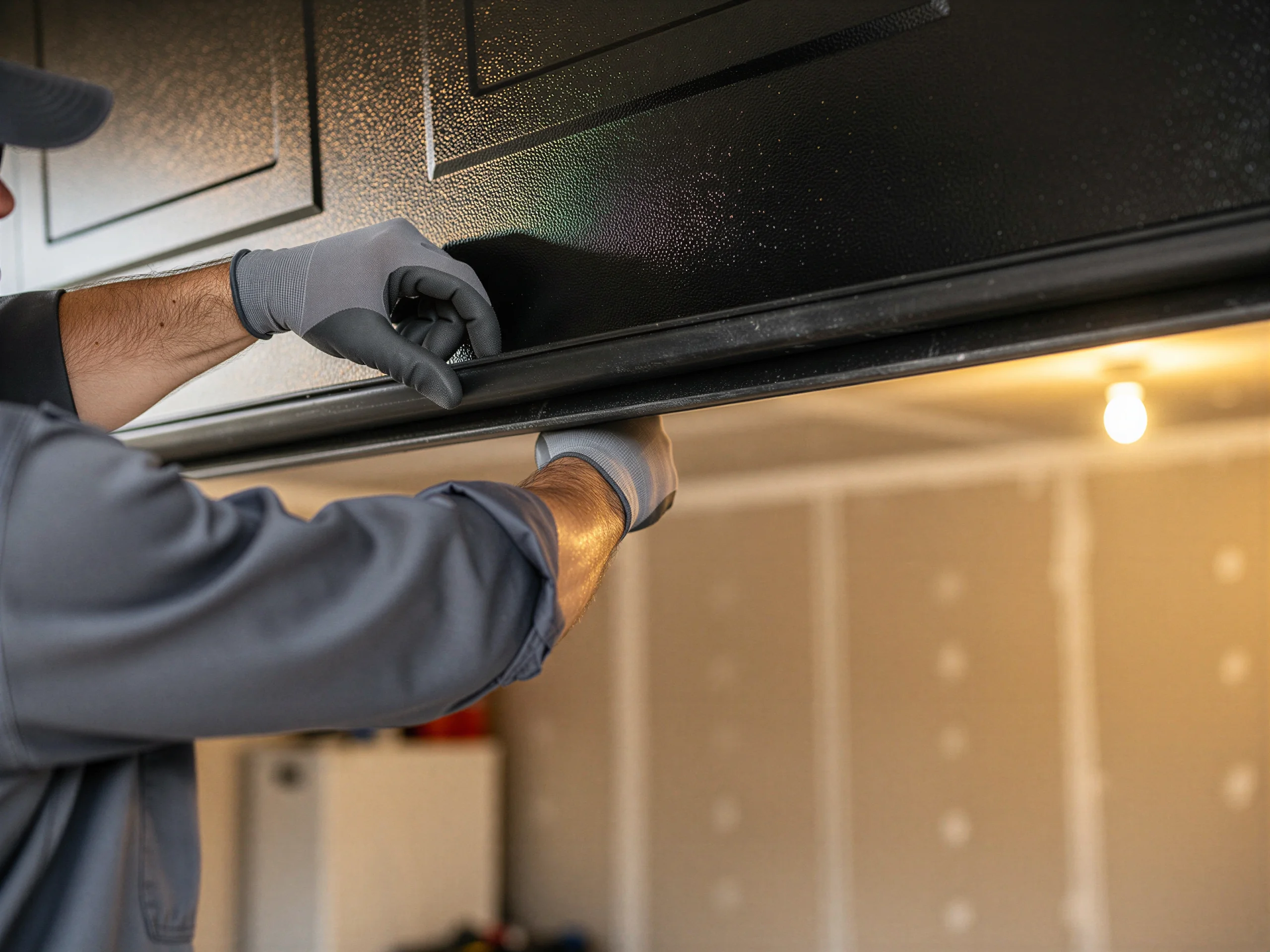
If yours is original, the springs are likely extension springs mounted along the horizontal track rather than the torsion bar over the header - a setup that's been out of style for decades but is still common on houses of this vintage. What you can safely check yourself: wipe down and lightly lubricate the rollers and hinges twice a year, look at the bottom weatherstrip for cracking, and listen for grinding when the door runs.
Off-limits spring work
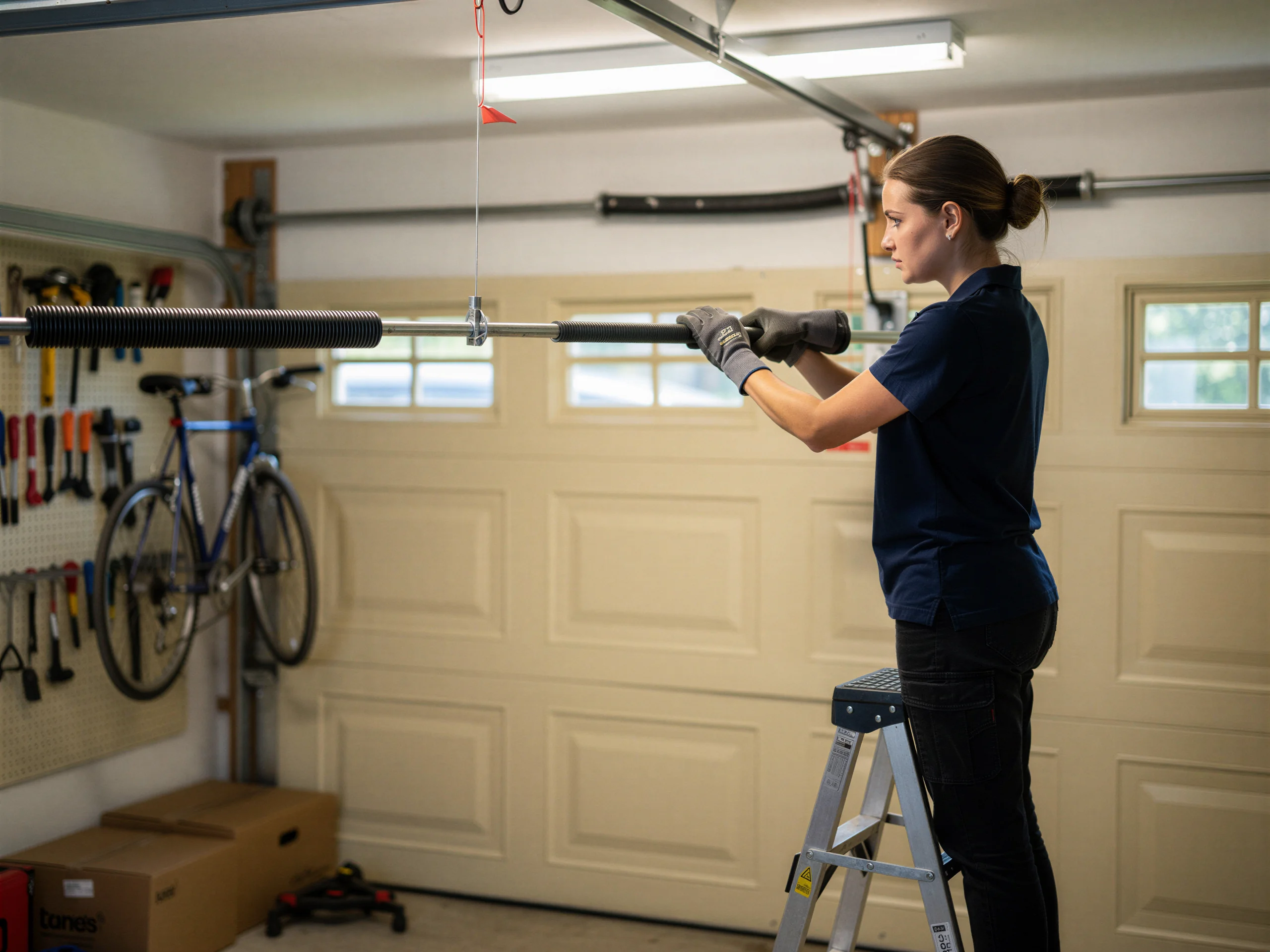
What you shouldn't touch is the spring itself, or the cable it rides on - on an extension-spring system especially, a failed one can whip hard enough to hurt someone. If the door is noticeably heavier to lift by hand than it used to be, that's the spring losing tension, and that's a call, not a DIY fix.
Rotted wood panels
One honest note: if the panels are original wood from the 1960s and have taken on moisture damage, maintenance won't fix that. At some point sanding and resealing a rotted panel costs more than replacing the section, and we'll tell you when you've hit that point instead of billing for a patch that won't hold.
Time on the Job
Connecticut's cold winters are hard on garage door hardware generally, but houses built in the 1960s have had roughly sixty years of freeze-thaw cycles working on the same original tracks and fasteners, which is longer than most of the newer construction in the wider service area has had to deal with it.
Cold-hardened grease and rust
Cold-hardened grease, rusted hinge pins, and tracks that have shifted slightly out of alignment from decades of seasonal expansion are what we find most often on a Trumbull maintenance call.
Standard tune-up length
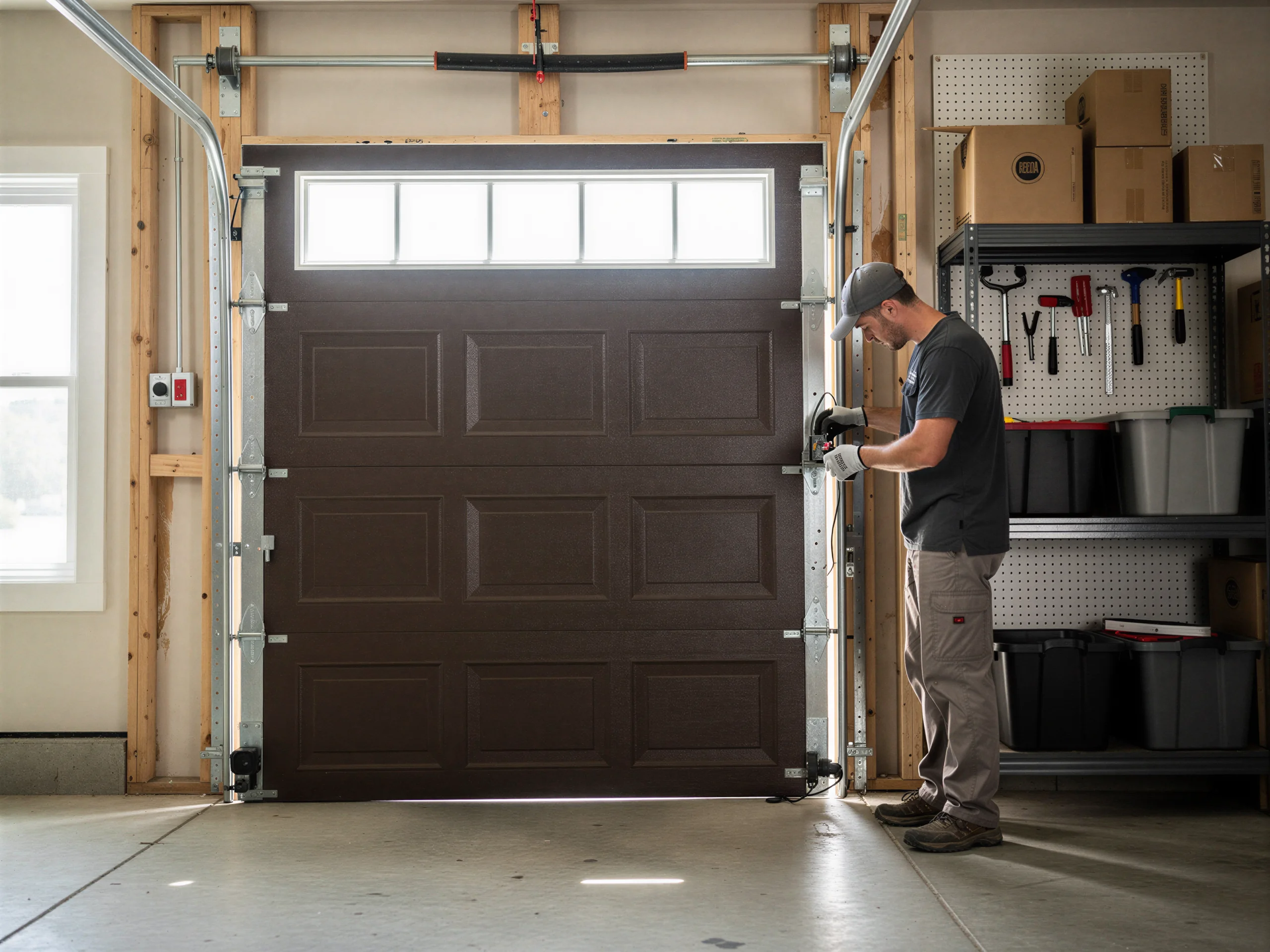
A standard tune-up - track alignment check, hardware inspection, spring tension check, lubrication, and a balance test - runs about the same length of time whether the door is a 1965 original or a newer replacement, but older doors usually need more of that time spent on adjustment rather than just inspection.
Routing from Fairfield
We travel from Fairfield to reach Trumbull, about 10 miles, so we build that into how we schedule the day rather than treating it as a quick add-on stop.
What Is on the Truck
For a maintenance visit on an older Trumbull door, the truck carries the parts that extension-spring and early-sectional hardware actually needs: replacement rollers in a couple of sizes, hinge sets, lift cables, and lubricant rated for cold weather rather than general-purpose grease that stiffens up in a severe winter climate. We also carry weatherstrip and astragal in standard widths, since bottom seals on doors this age are often the original gauge and need an exact match to seat right.
What we don't stock on the truck is a wood panel replacement cut to an exact original size - those have to be ordered once we've measured, which means a maintenance visit can turn into a two-trip job if a panel is bad. We'd rather tell you that up front than pretend every repair wraps up in one visit.
Booking a Visit
If you're not sure whether your Trumbull garage door needs a tune-up or something more, the easiest way to find out is to book the visit and let us look at the hardware directly - door age alone doesn't tell the whole story, since some 1965 houses have already had a torsion conversion and some haven't. We service Trumbull as part of the wider area covered from Fairfield, and we'll scope the job honestly once we're looking at the actual spring and track setup in front of us rather than guessing from the phone.
Talk to a local pro
Garage door service in Fairfield?
Same-day service with honest, upfront quotes.