What Causes It Around Here
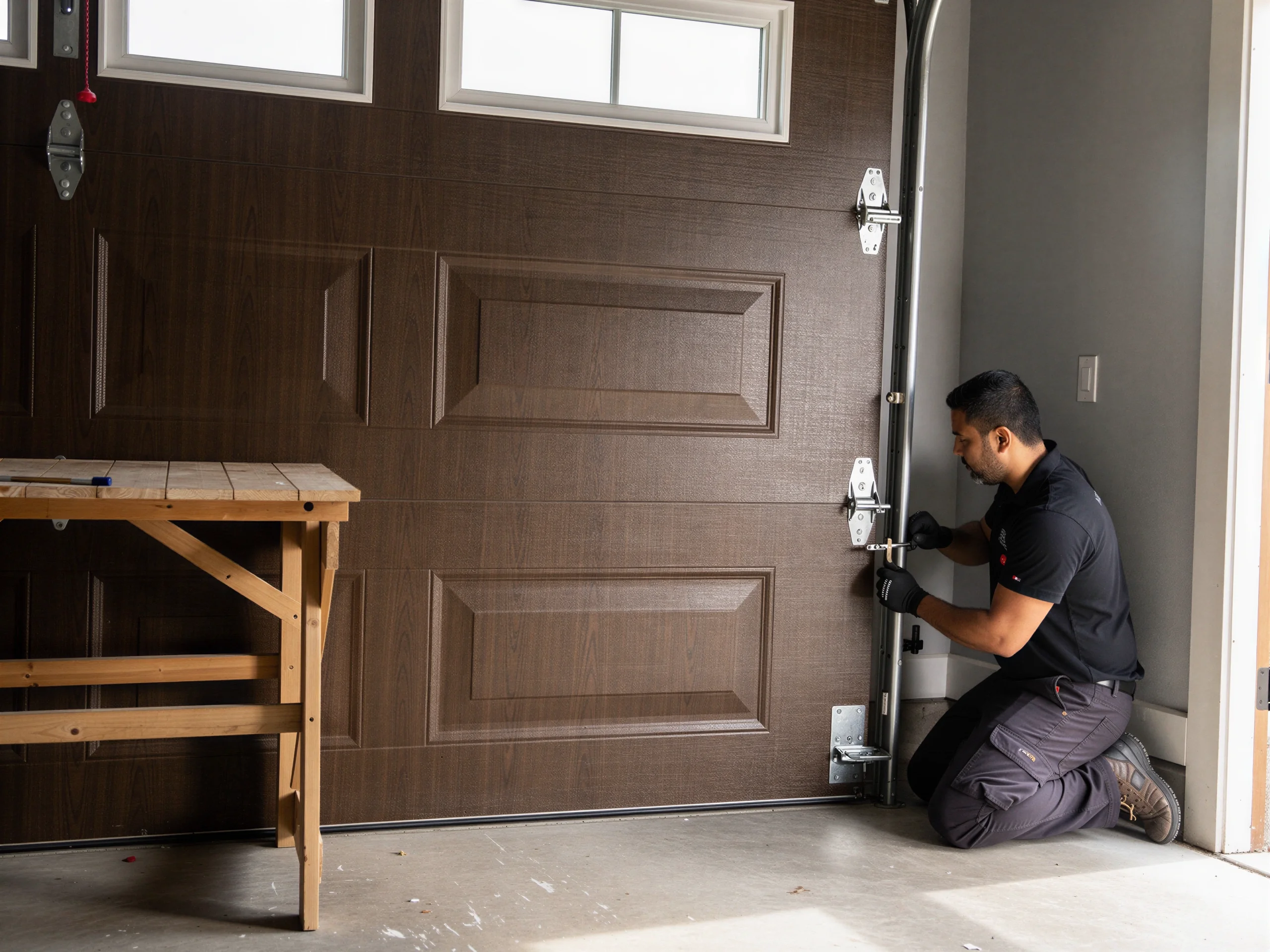
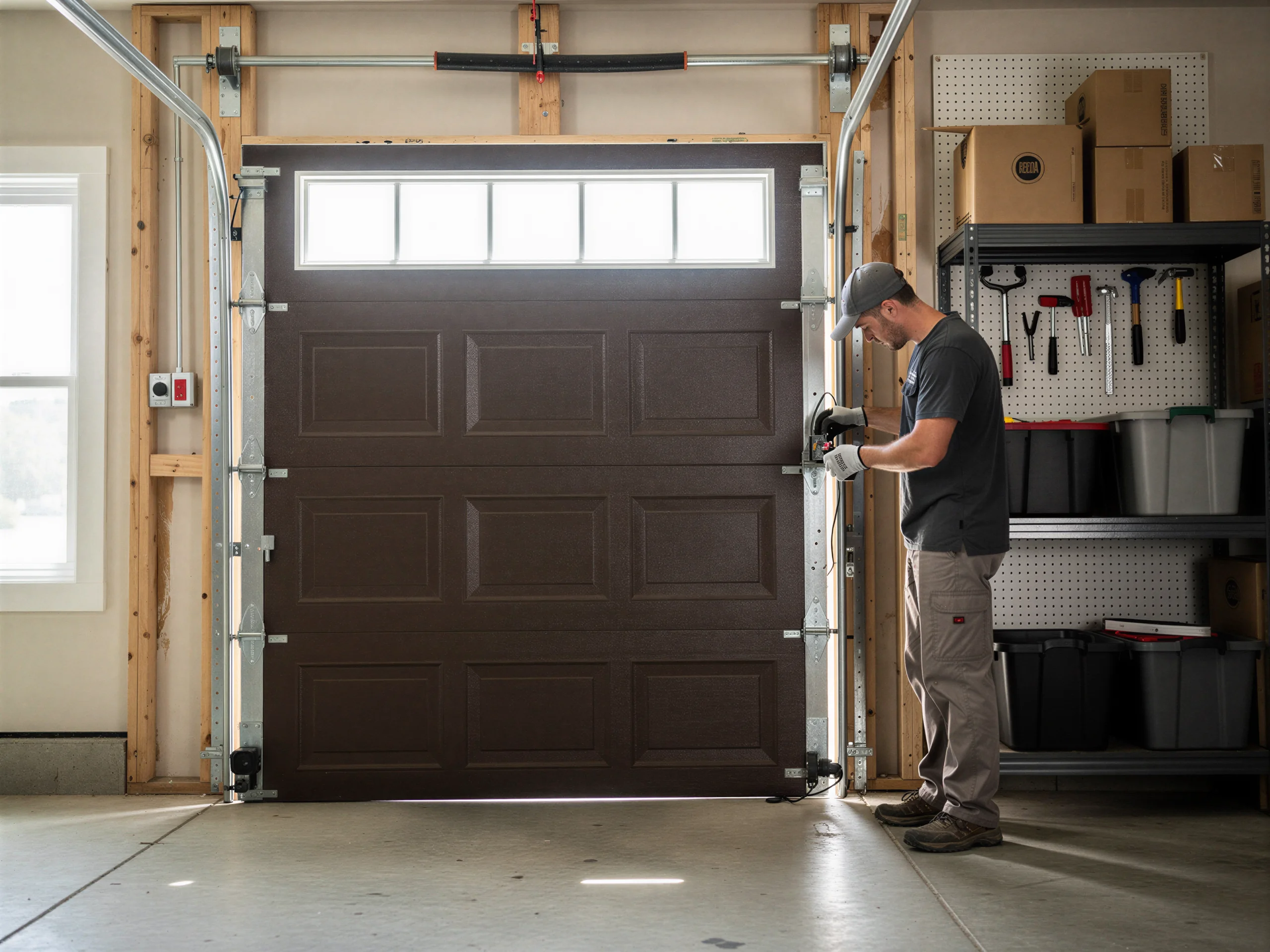
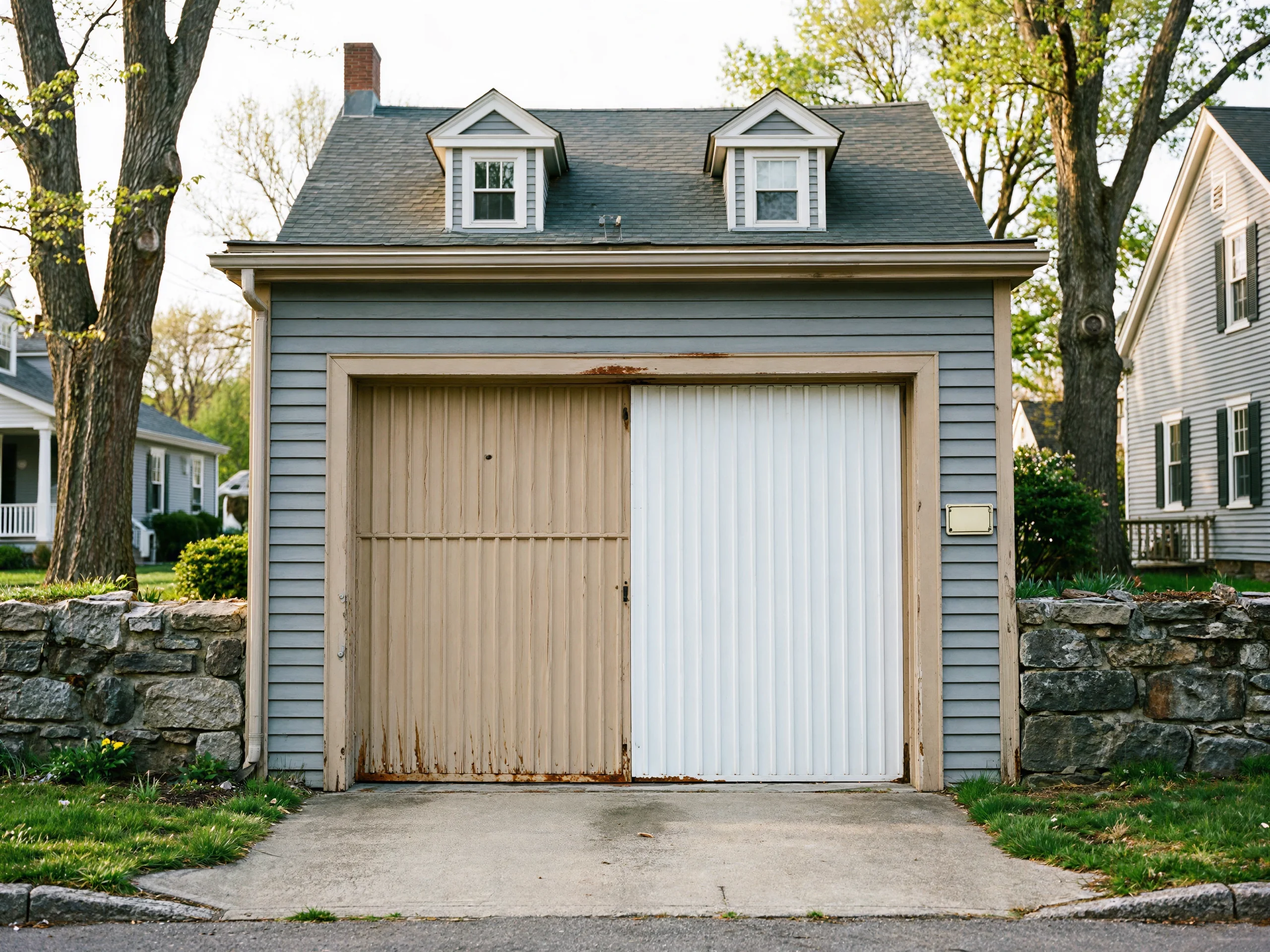
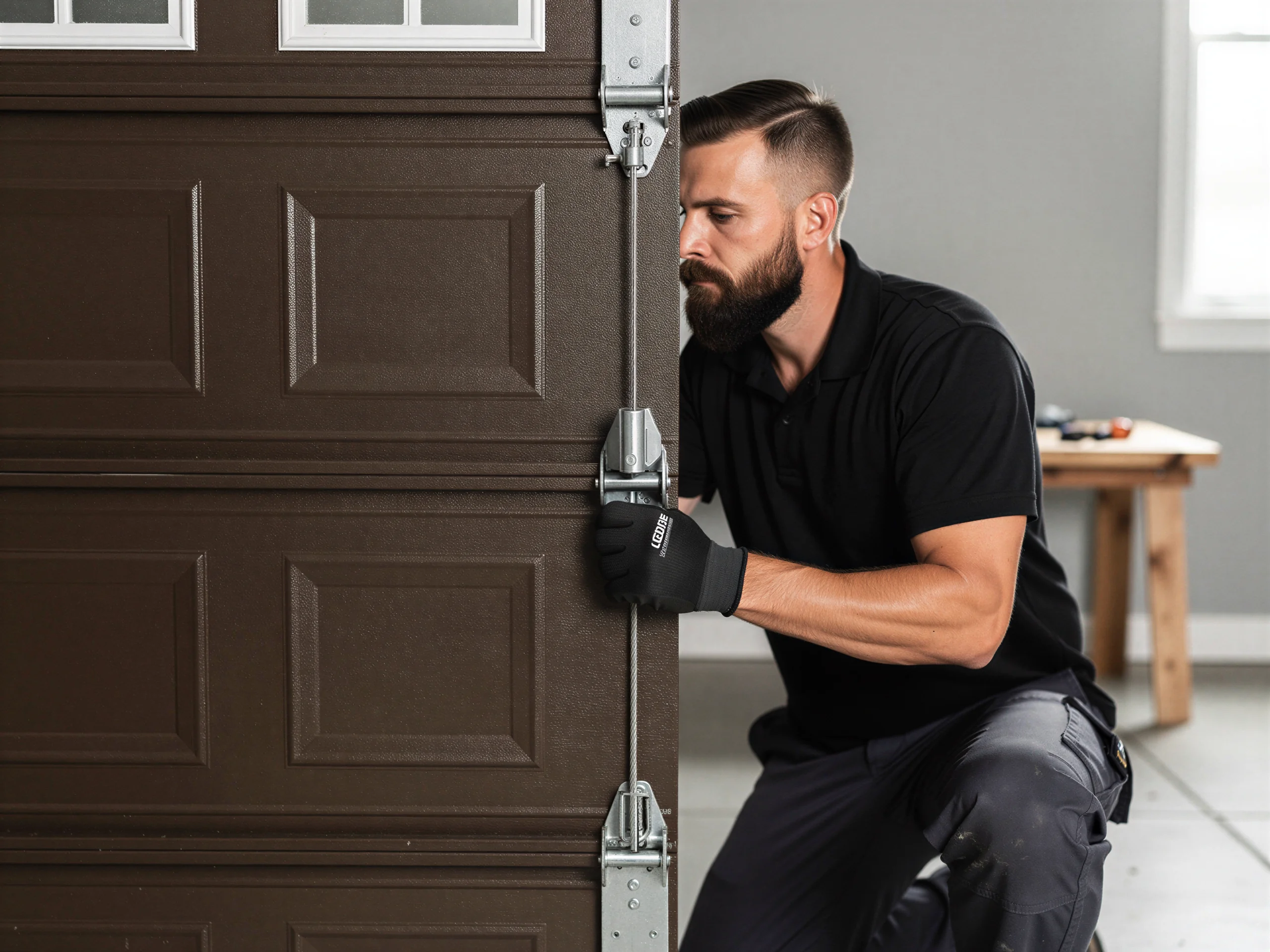
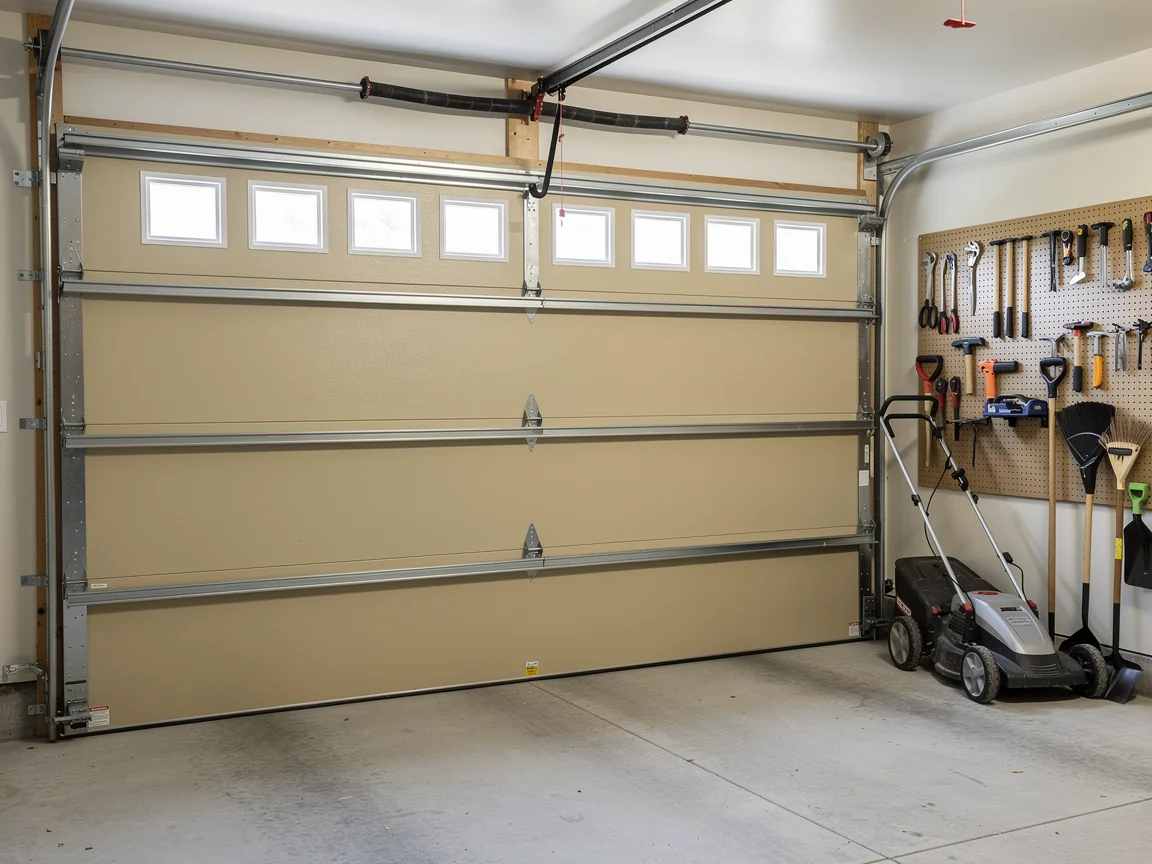
Most garages in Easton went up when the town was filling in with larger lots and longer driveways, somewhere around 1972 by the area's housing record. That means a lot of double-wide doors - 16x7 openings - hung on steel sectional panels with galvanized lift cables running off standard torsion drums, not the lighter single-car setups you'd see in an older, denser block. Those cables are thin, rated for a specific drum groove, and they don't fail gracefully. A door built in the early 1970s has had fifty-some winters of cable flexing over the same drum groove, and the wire strands work-harden and start to fray right where they wrap. This region sits in a cold, severe climate band, and the freeze-thaw cycle on an unheated garage slab pulls moisture into the cable jacket faster than in a mild climate, which speeds up that fraying. On the bigger double doors especially, one side's cable can go first under the extra torque, and the door will hang crooked or drop hard on that corner before it lets go completely. That's usually the first sign something's wrong, well before the snap.
Time on the Job
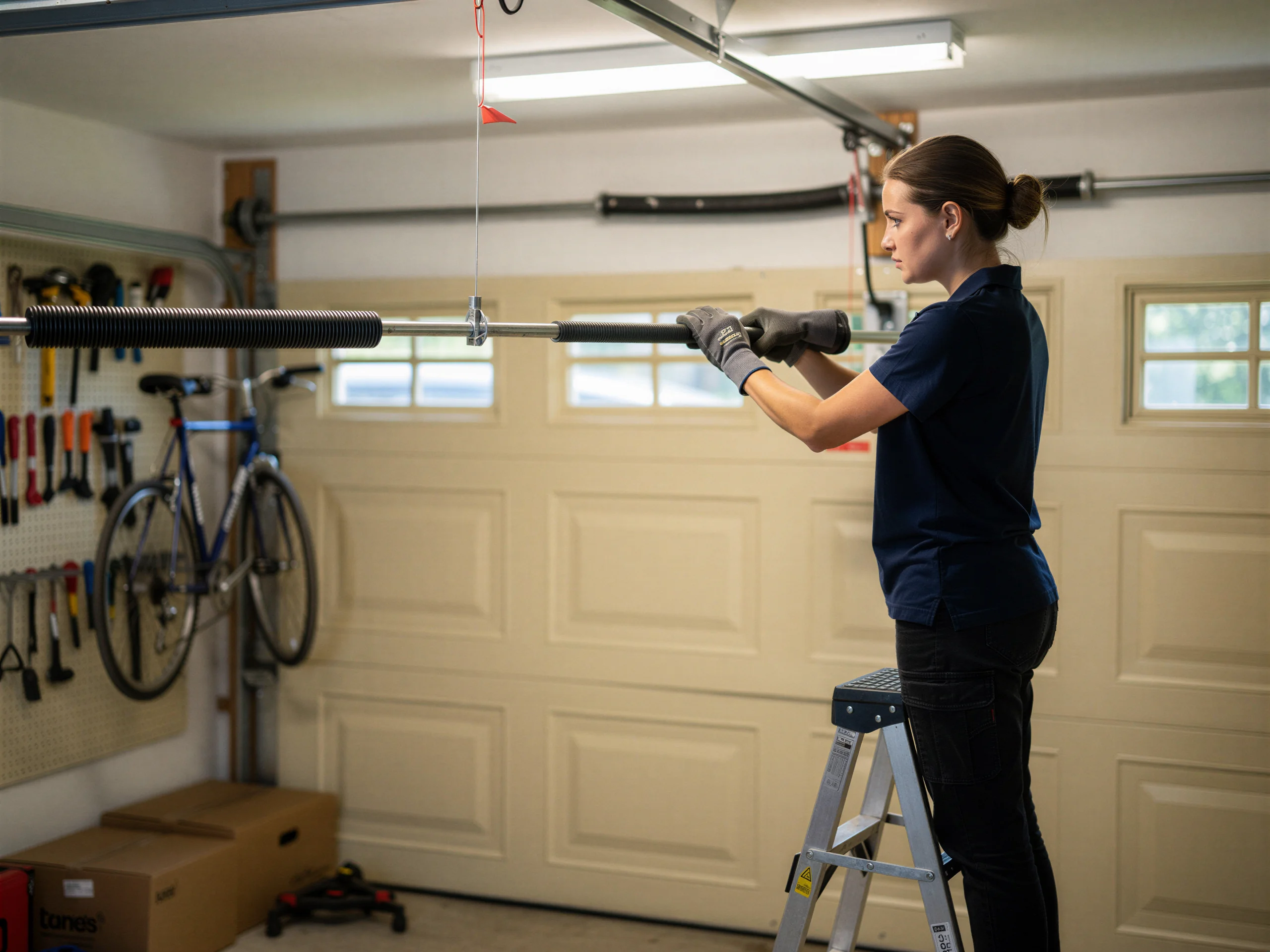
A cable repair on a single door is usually a shorter job than on a 16-foot double door, since the double has two drums, two cables, and more spring tension to manage safely before the old cable comes off.
Matching cable on pair
On the double-door setups common to Easton's larger lots, we're also checking the matching cable on the other side - if one frayed from age, the other one is the same age and under the same load, and it makes sense to look at it while the door is already open.
Drum condition drives timing
We don't give a fixed number of minutes here because it depends on whether the drum itself is grooved from the old cable or still clean, and whether the spring needs attention at the same time. What we won't do is rush torque-loaded hardware on a door this size just to hit a number.
What You Pay
We don't have a posted price for cable work specific to Easton, and we're not going to make one up to fill this page. What drives the cost on a 1970s-era double door is usually the drum condition and whether both cables need replacing together, not just the one that broke. If you want a number, the way to get one is to call and describe what the door is doing - hanging crooked, a loud snap, one side dropping - and we'll talk through it before a truck ever leaves Fairfield.
What Can Go Wrong
A frayed cable that's caught early is a straightforward swap. One that's already snapped on a double door is a different situation, because the door comes down unevenly and can rack the track or bend a hinge on the way.
Creased panel from racking
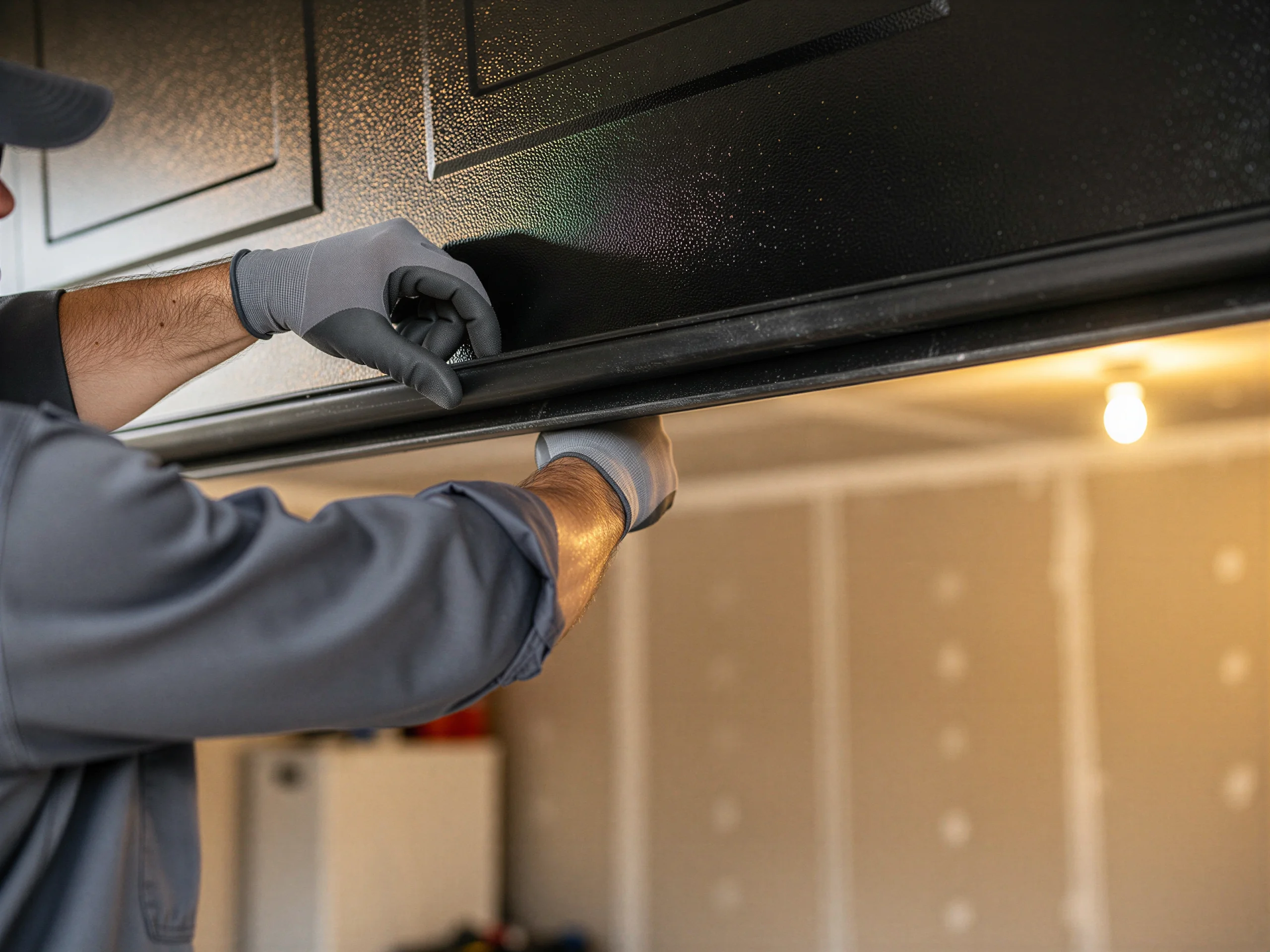
On the older steel sectional panels common in this part of town, a racked track from a sudden drop can crease the bottom panel, and at that point you're not just replacing a cable, you're replacing a panel too.
Grooved drum wears cable
The other failure we see on doors from this era is a cable that looks fine but is sitting on a drum that's grooved out from decades of wear - new cable on a bad drum just frays again in a season or two. We check the drum every time, not just the cable.
Doing It Yourself
Garage door cables sit under spring tension, and on a 16x7 double door built with the torsion hardware common to Easton's 1970s houses, that tension is substantial - enough to cause a real injury if the spring lets go while you're working near it. We're not going to walk through a DIY cable swap here, because on this size door it isn't a weekend-safe job the way tightening a hinge or lubricating a track is. If the door is still operable but making noise or hanging slightly off, that's worth a call before it becomes a snapped-cable emergency. If it's already down, leave the opener disconnected and the door closed until someone can look at the drums and springs together, not just the cable.
Talk to a local pro
Garage door service in Fairfield?
Same-day service with honest, upfront quotes.