What Causes It Around Here
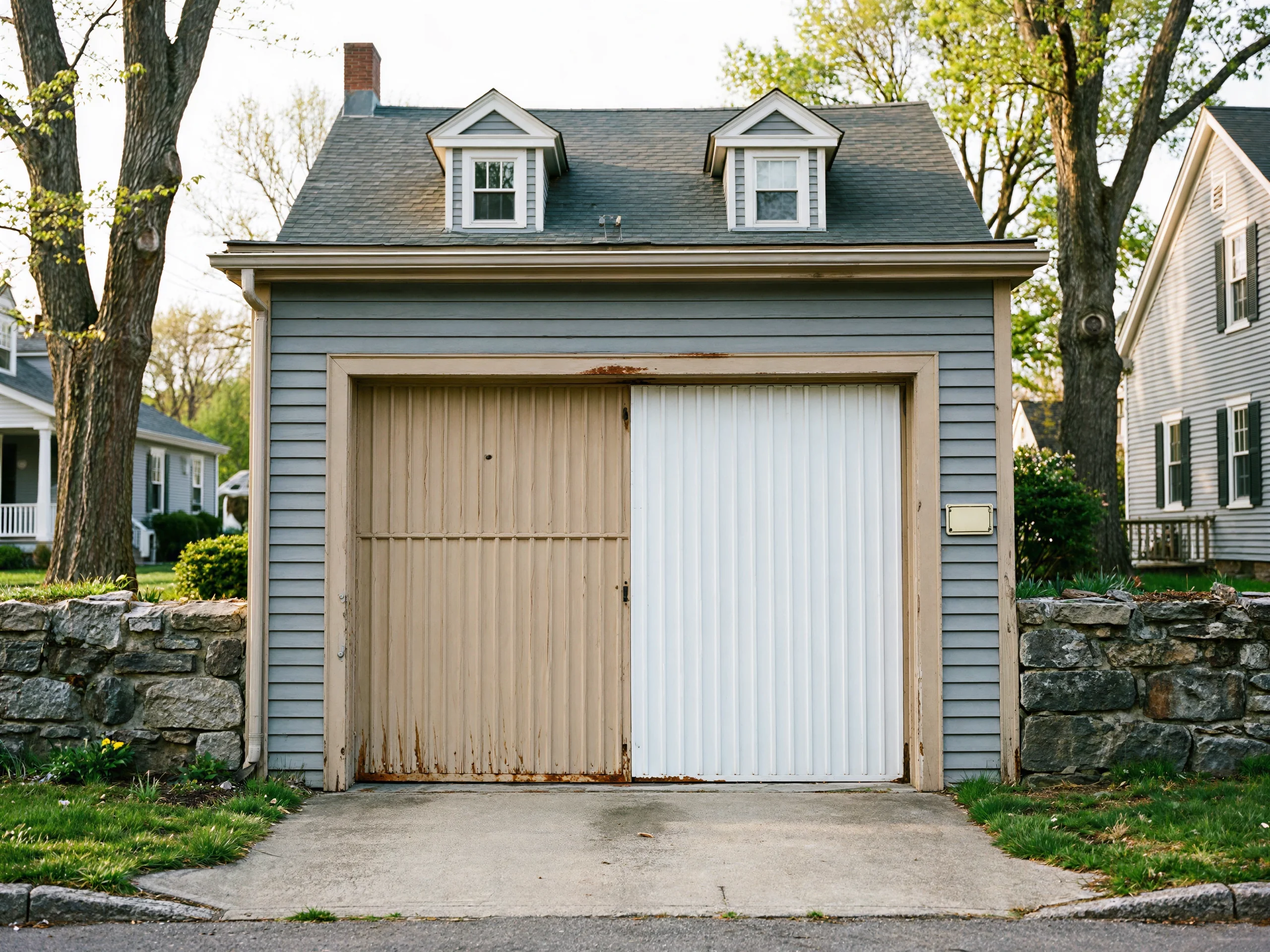
Fairfield's service area overall runs older, with housing built mostly between 1954 and 1984 and a median around 1966. Easton skews newer than that average - most houses here went up around 1972, which puts a chunk of the neighborhood into the early-70s build wave rather than the mid-60s one that dominates closer to the shoreline. That six-year gap matters more than it sounds. Early-70s construction here often means wider double-door openings built for two-car garages, extension spring setups that were still common before torsion became standard, and openers that have since been swapped at least once or twice by a previous owner. The area overall is still mostly 1960s-70s stock across its named neighborhoods, so Easton isn't an outlier, but it sits on the newer edge of that range.
The cold matters too. This is a COLD-severe climate zone, and on a 1972-era door that means steel panels that have gone through fifty-plus winters of freeze-thaw on the bottom seal and the hardware. Cables fray at the drum, hinges loosen at the stress points, and the original rollers - steel, not nylon - get loud and eventually bind in the track. None of that is unique to Easton, but the specific decade of construction is, and it's why the fix here often looks different from a repair call three miles closer to Fairfield center.
Time on the Job
We run from Fairfield, and Easton sits about 9 miles out, so travel is part of scheduling a visit here the way it isn't for closer stops.
No local depot
We don't have a branch or depot in Easton - it's a drive every time, same as it would be for any town this distance from the shop.
Door age drives time
That's worth knowing upfront rather than discovering it when you're trying to pin down a window. Once the truck is on-site, the actual repair time depends more on the door's age than on the town.
Extension spring diagnosis time
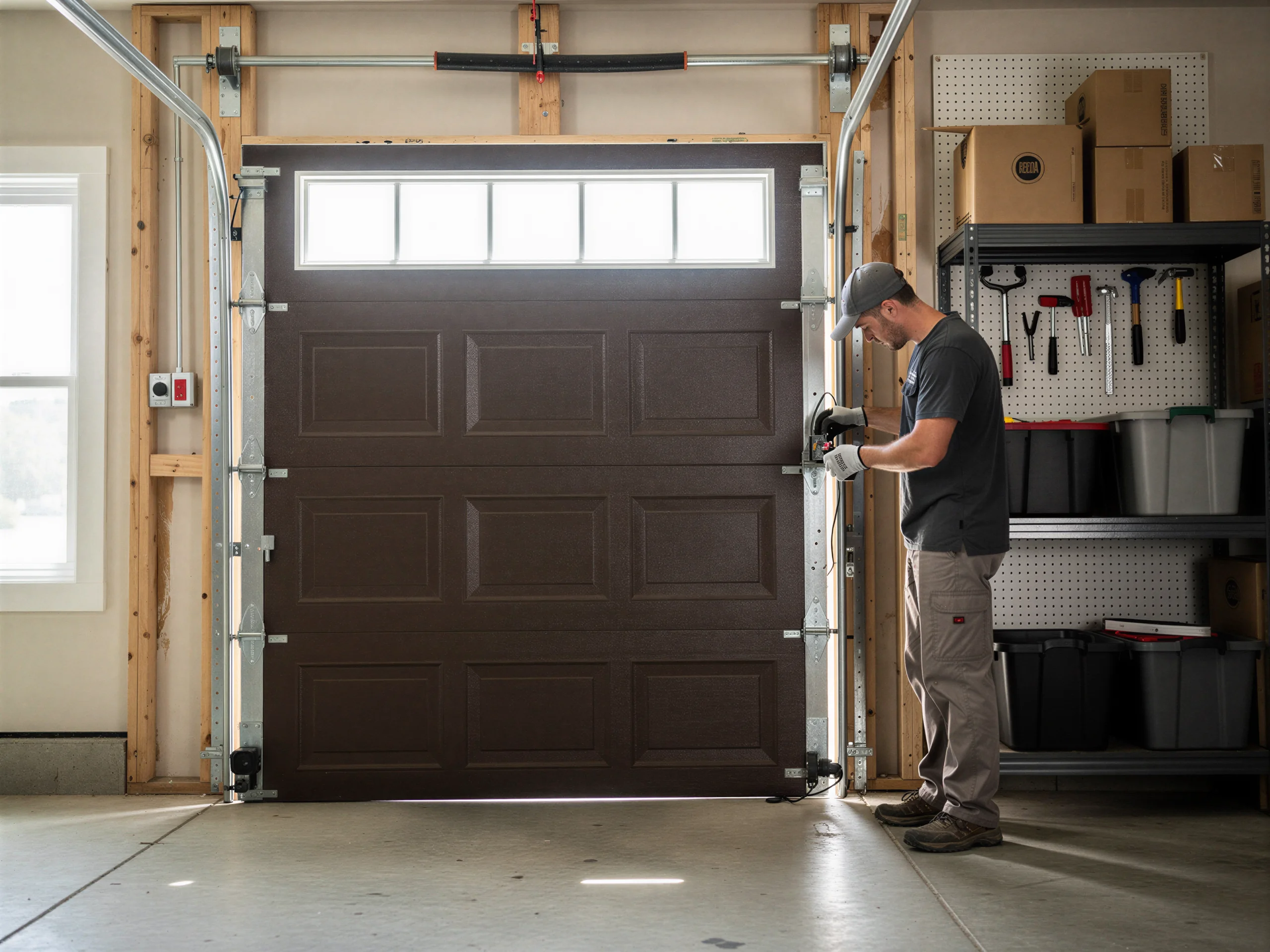
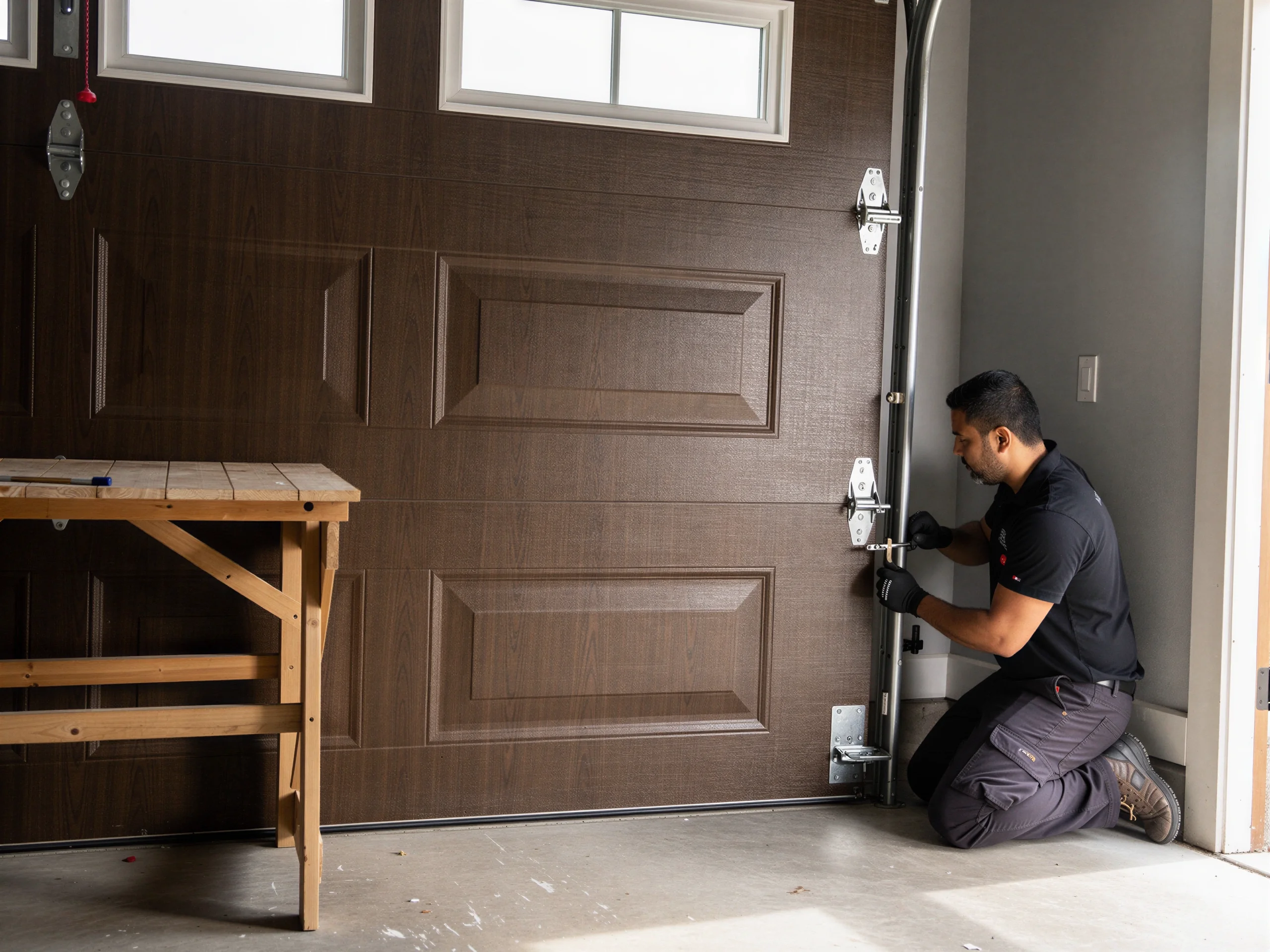
A 1972-era double door with original extension springs usually takes longer to diagnose than a newer torsion setup, because matching a replacement spring means measuring wire gauge and coil length by hand. We don't quote a fixed turnaround here because it varies with what's actually on the door when we open the panel.
What You Pay
We don't have a published price list for Easton specifically, and we're not going to invent one. What we can say is that this is a higher-income area relative to the broader service territory - Easton's median household income runs around $189,505, well above the $162,079 median across the wider area we cover. That doesn't set the price of a spring or a cable; parts cost what they cost regardless of the zip code. It does mean we see more owners here asking for full hardware upgrades - new springs, new rollers, sometimes a new opener - rather than patching the one broken part, because the budget for doing it right in one visit is usually there. We'll always quote the repair itself straight, and tell you separately if an upgrade makes sense instead of being bundled in.
What Can Go Wrong
On a door from the early 1970s, the most common failure we see is a broken extension spring on a double-door opening - these were standard before torsion springs took over, and on a wide door they take a beating every time it opens.
Rusted cable end wear
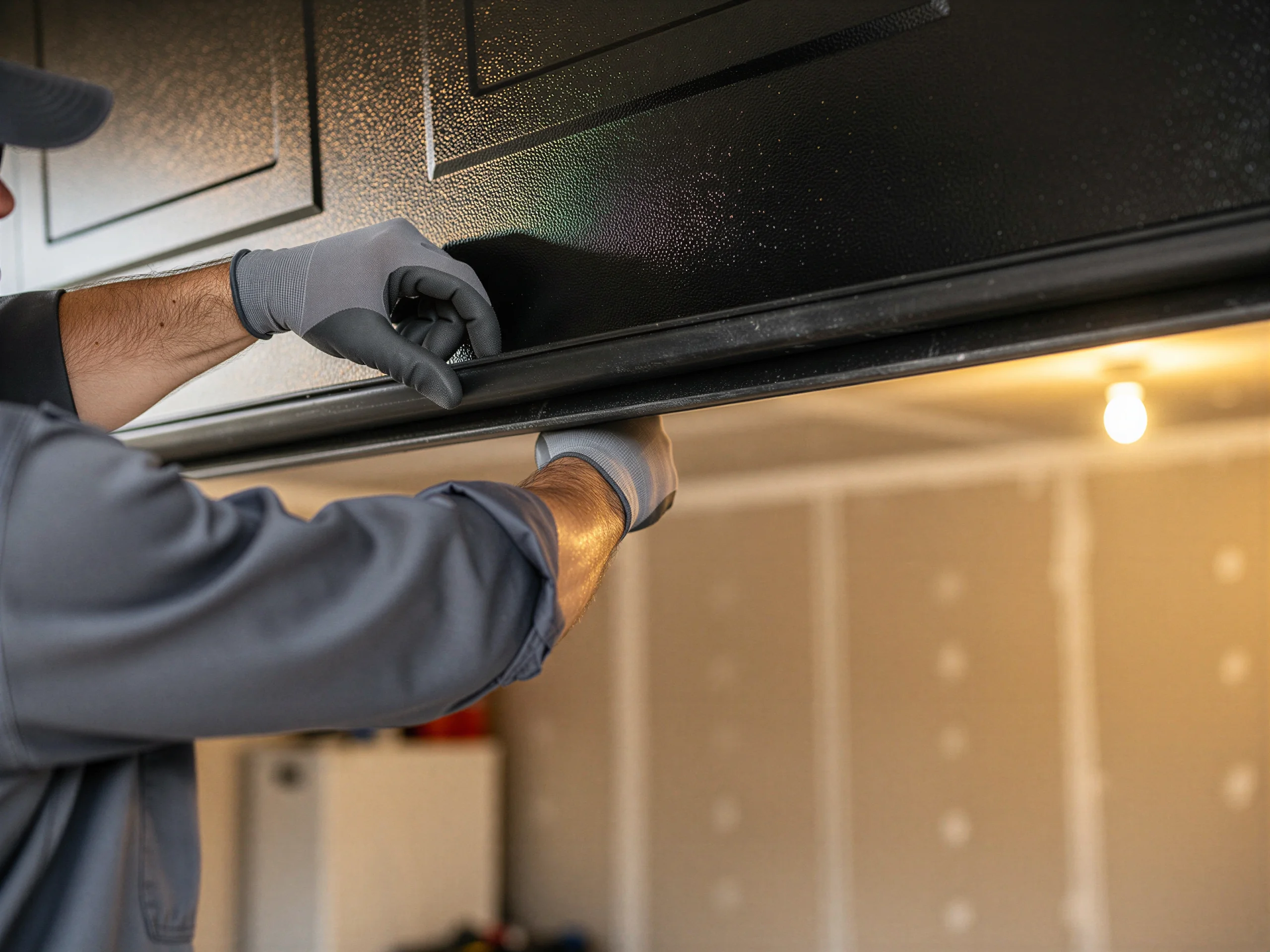
The second most common is a worn drum or frayed cable at the bottom bracket, often from rust at the cable end where moisture sits through a long Northeast winter.
Second-generation opener failures
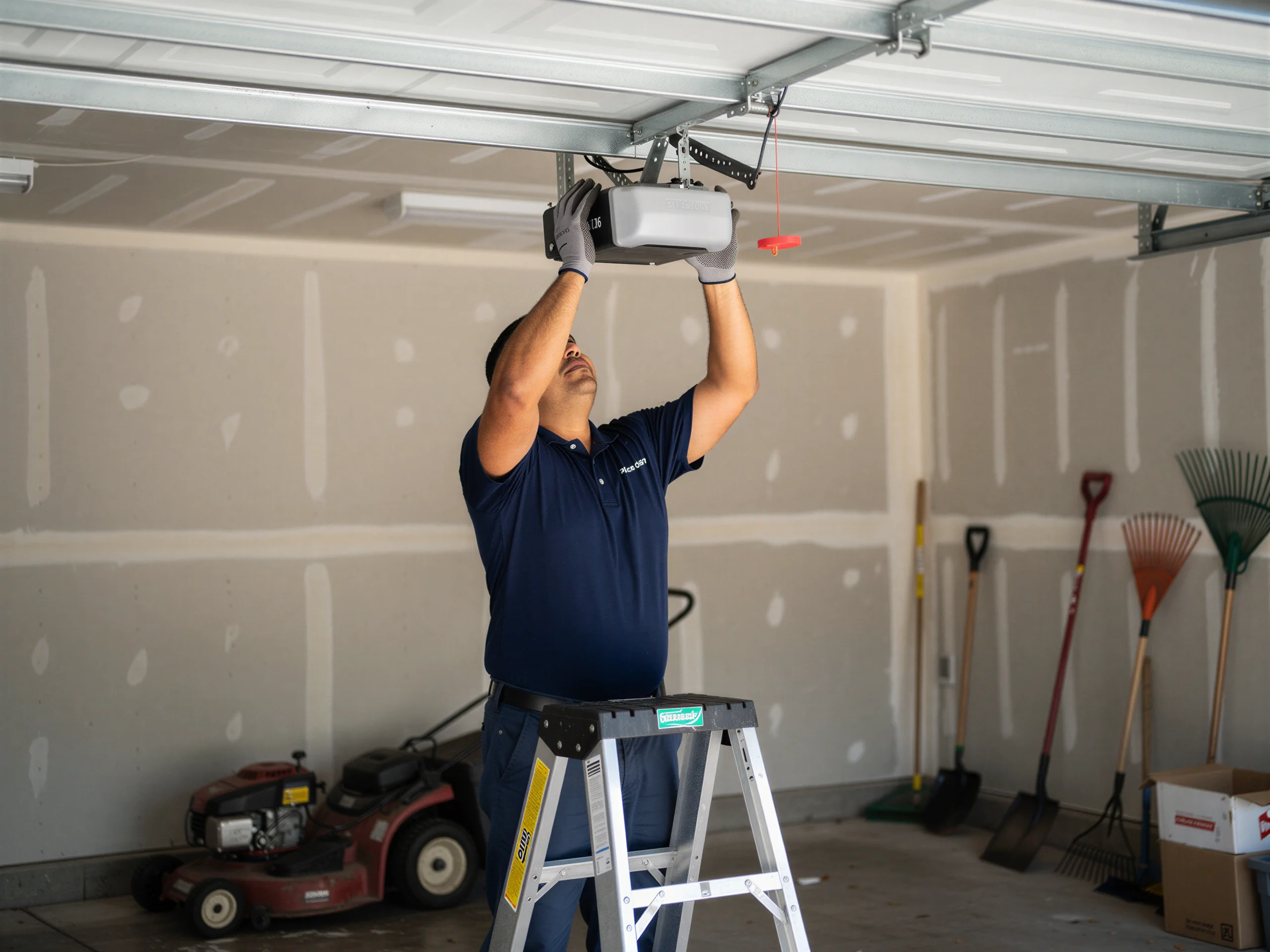
Openers are usually a second-generation replacement by now, not the original, so the failure there is more often a worn drive gear or dead circuit board than anything tied to the house's build year. Panels dent and sag less here than you'd think, mostly because 1970s steel doors were built heavier than a lot of what's sold today.
Out-of-square track trouble
The honest limitation: if the track itself is bent or the door is badly out of square from decades of settling, replacing one part won't fix the real problem, and we'll tell you that instead of billing you for a spring that won't hold.
Doing It Yourself
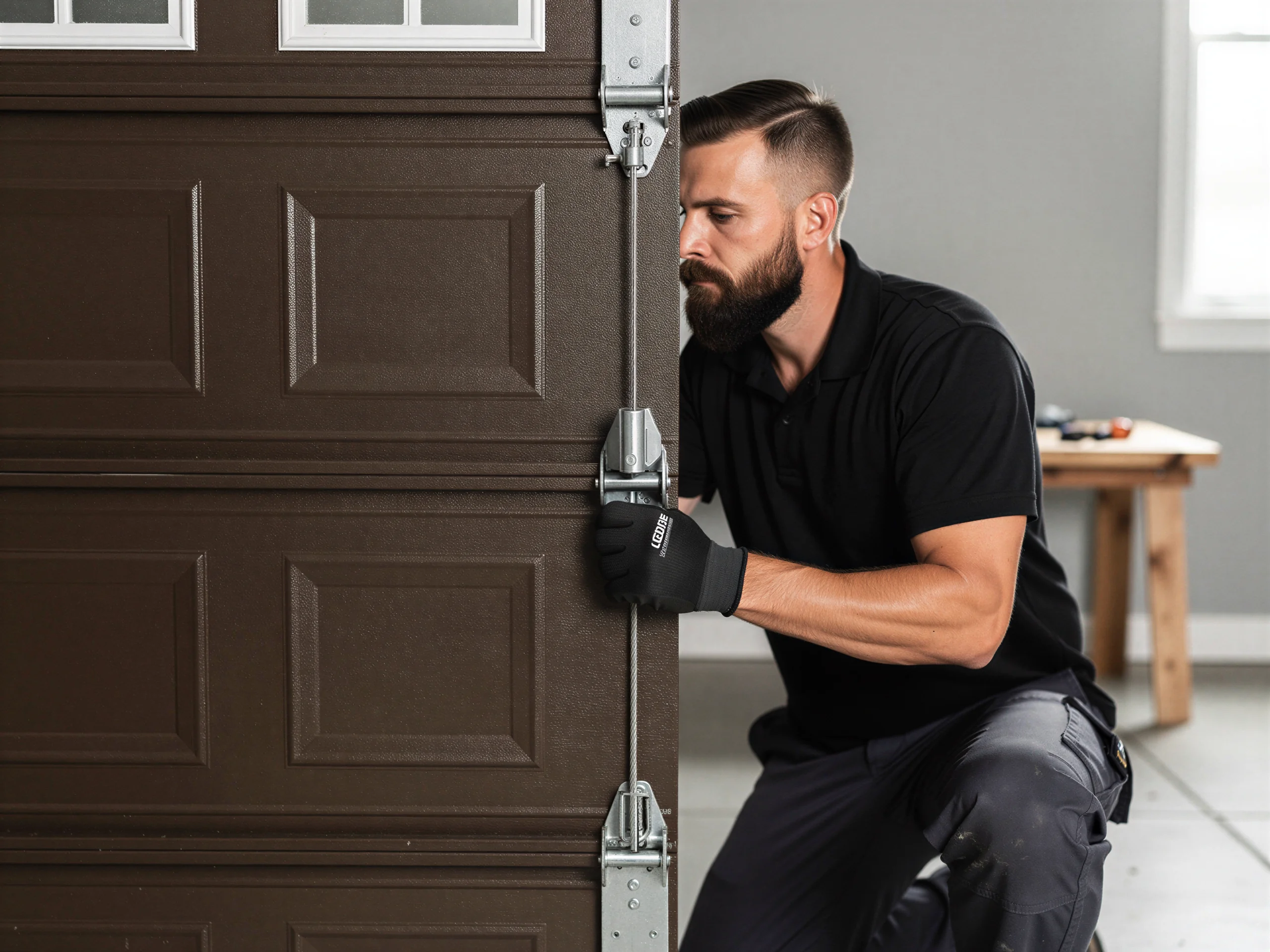
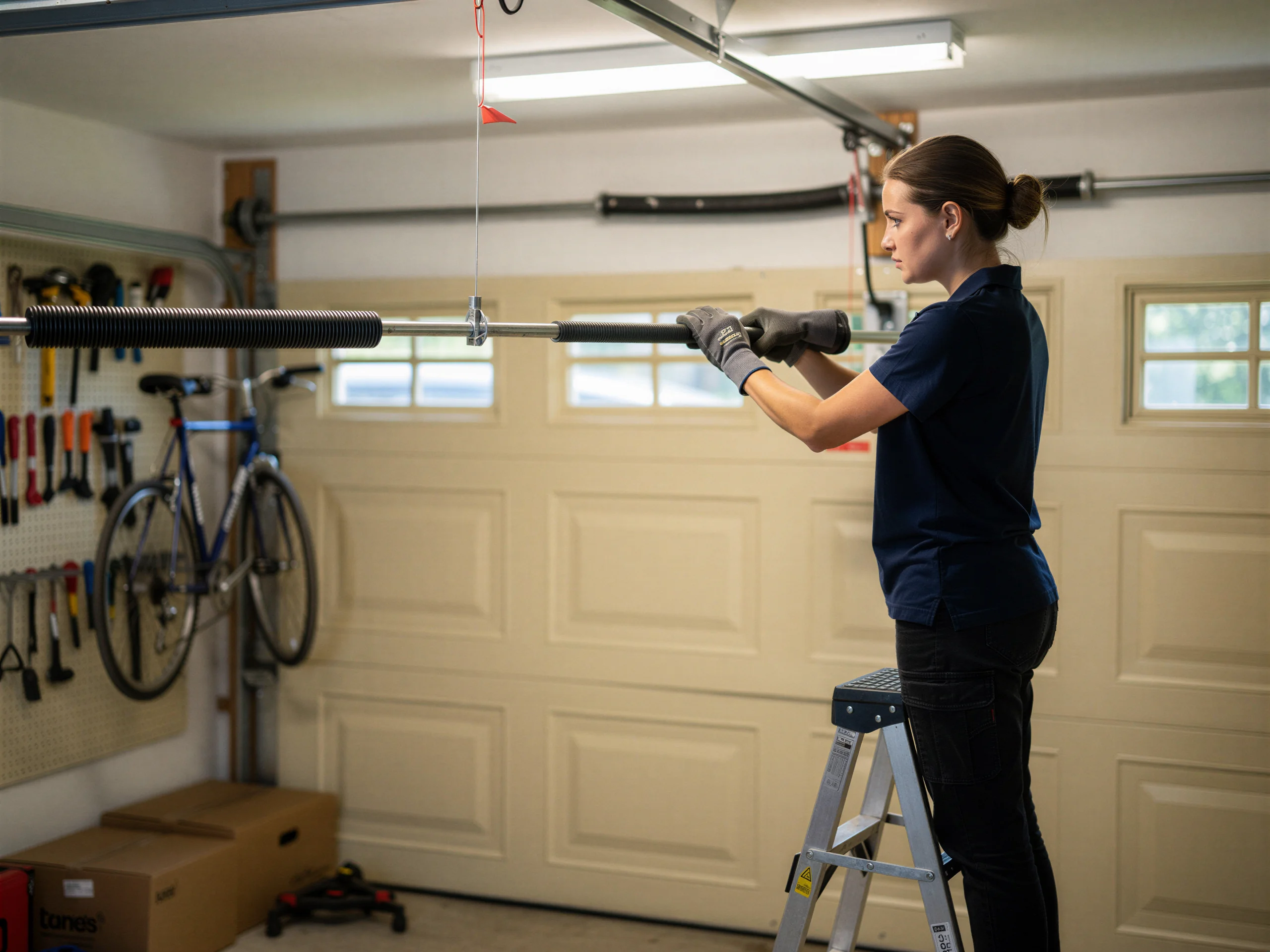
A torsion spring under tension is not a DIY job - that's true everywhere, not just here. But on an extension-spring door, which is what a lot of Easton's early-70s stock still runs, the spring sits along the horizontal track rather than above the header, and homeowners sometimes assume that makes it safer to handle.
Extension springs stay put
It doesn't. Extension springs store the same kind of energy and can whip a safety cable loose if it's missing or worn, which on a door this age it often is.
Safe owner checks
What you can reasonably check yourself: the weatherstrip at the bottom, the tightness of the track bolts, and whether the door reverses properly when it hits an obstruction (a federal safety requirement on openers made after the mid-1990s, so worth testing if yours is a more recent replacement unit).
Balance problems are ours
If the door is noticeably off-balance - it won't stay halfway up on its own - that's a spring tension issue, and that's ours to handle, not yours.
Talk to a local pro
Garage door service in Fairfield?
Same-day service with honest, upfront quotes.