Time on the Job
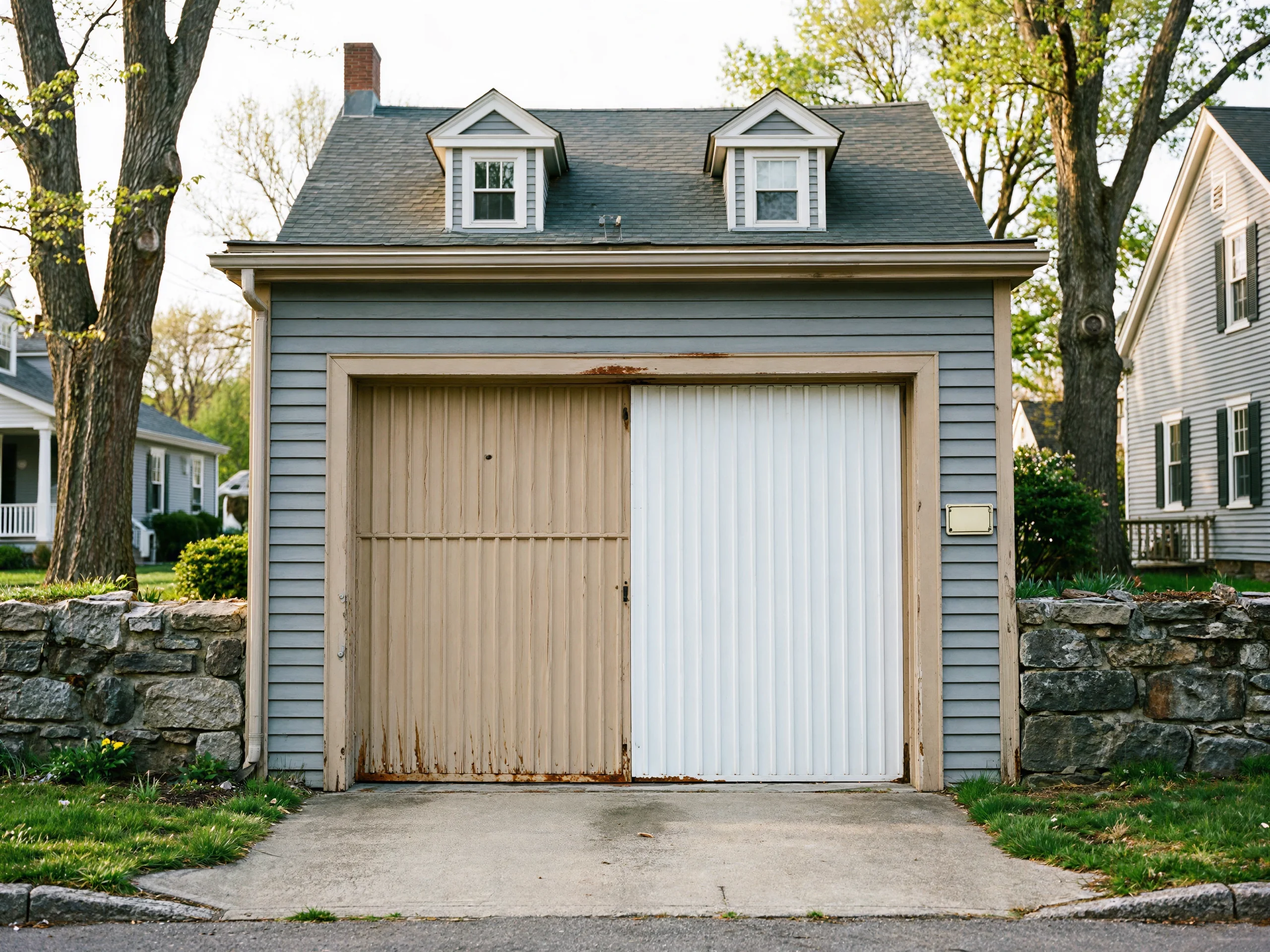
Most houses on this stretch of Wilton went up around 1971, which puts them square in the era of the first mass-produced steel sectional doors.
Extension spring original setup
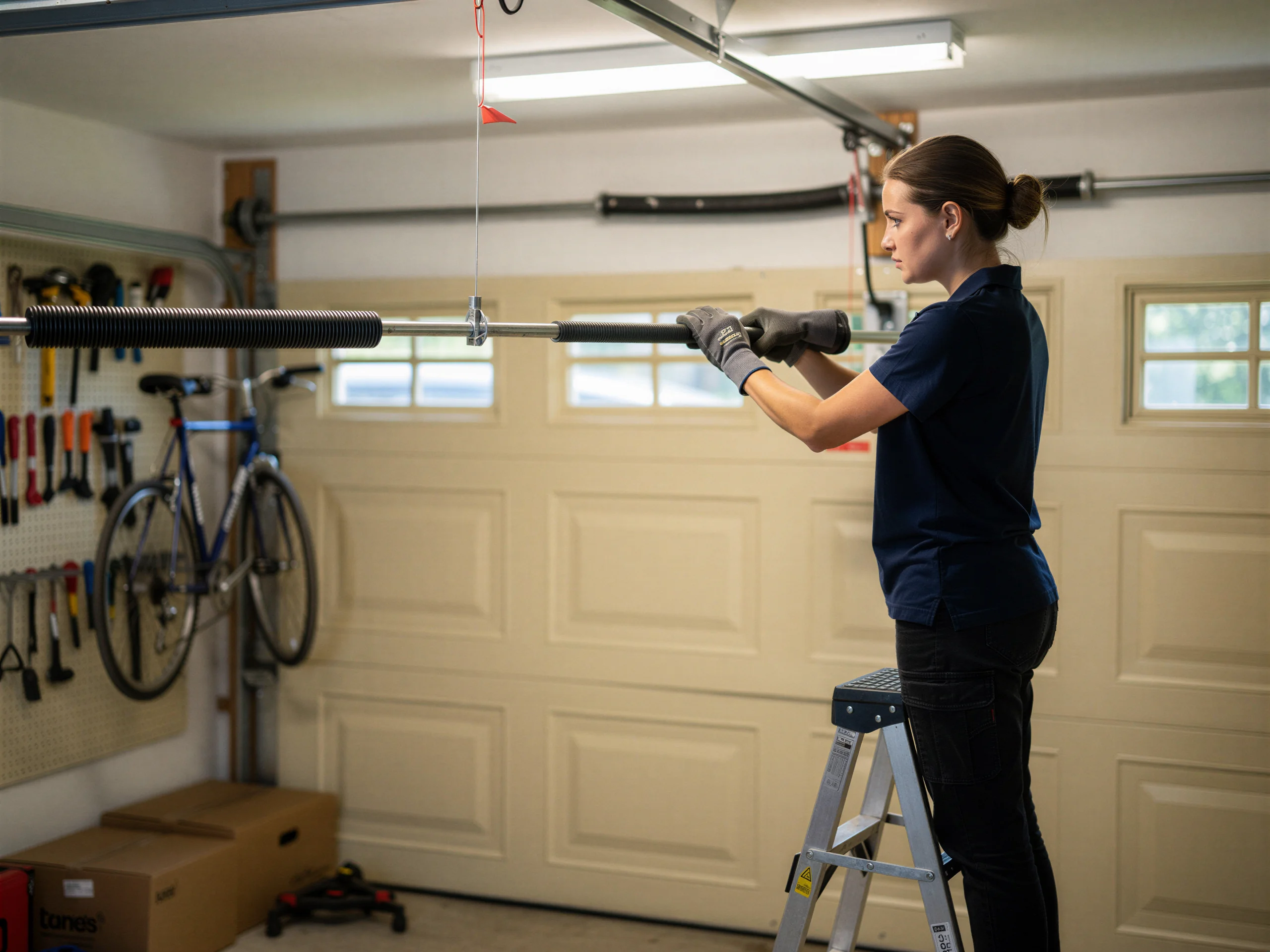
If yours is original, it's a single-layer panel with no insulation, hung on extension springs mounted along the horizontal track rather than a torsion bar over the opening. That hardware was standard for the period and it's held up about as long as it's going to.
Measure then order door
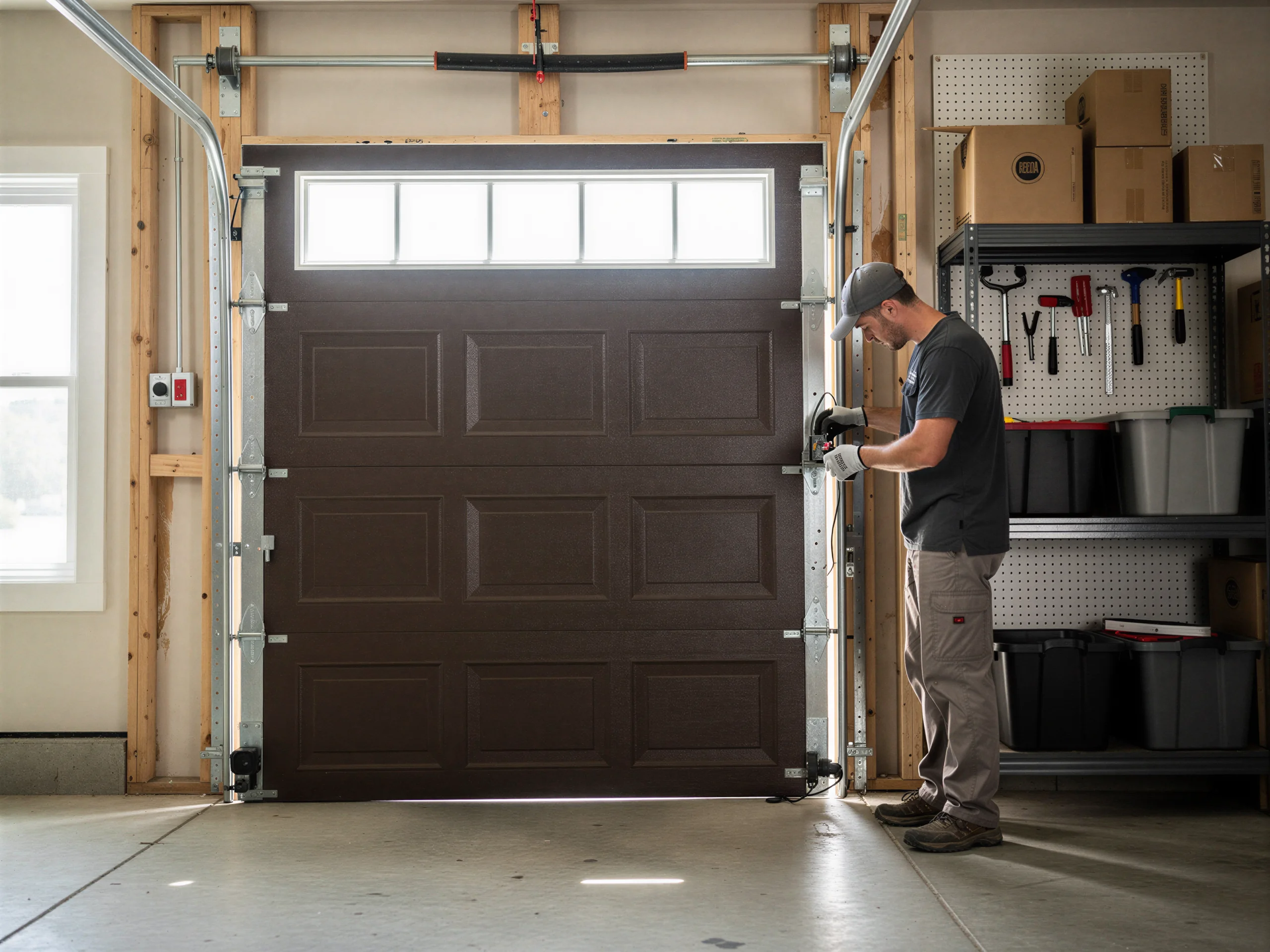
Swapping it out isn't a same-day errand squeezed between other calls - we measure the opening, confirm headroom and track clearance against what a 1970s frame actually allows, and order a door built for that bay rather than a generic stock size. Older openings in this part of town sometimes run narrower or have less backroom than current codes assume, so the install starts with a real measurement, not a catalog guess.
Appointment scope outlined
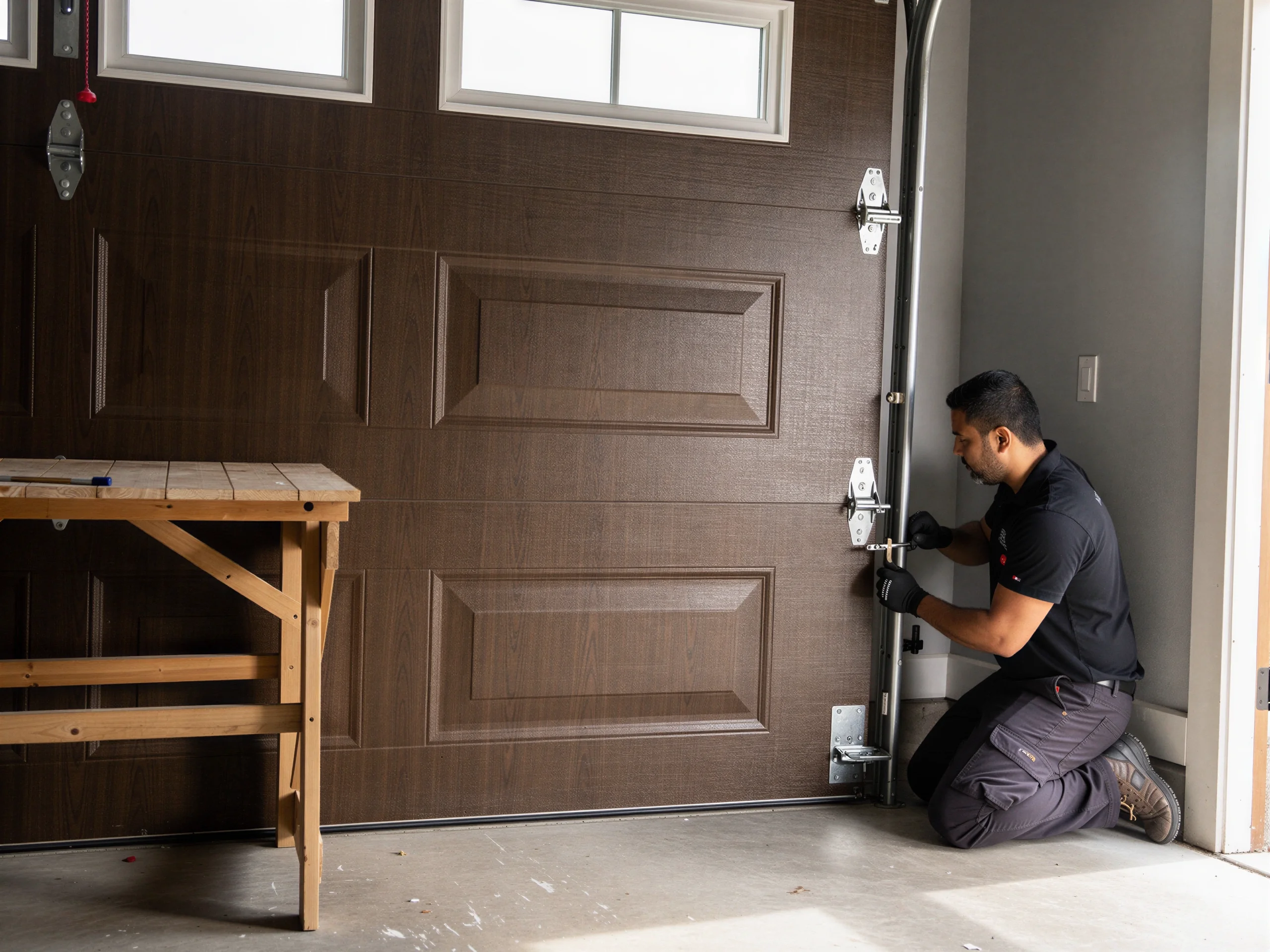
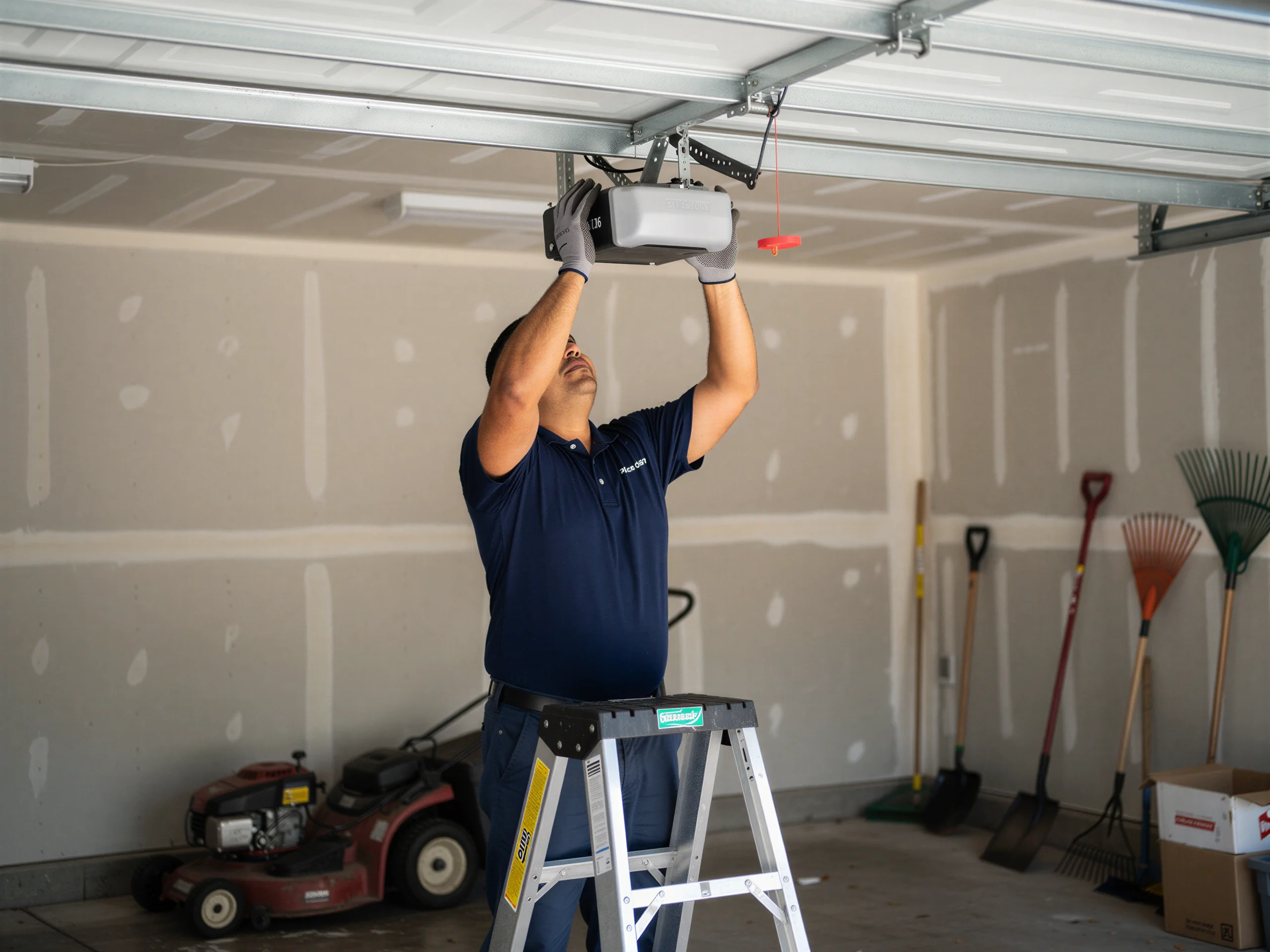
We come out from Fairfield, about 10 miles away, so we schedule the visit rather than rolling a truck on short notice. Expect the appointment to cover removal of the old door and spring assembly, confirmation of opener compatibility, and the actual hang and balance - not a quick panel swap.
What Causes It Around Here
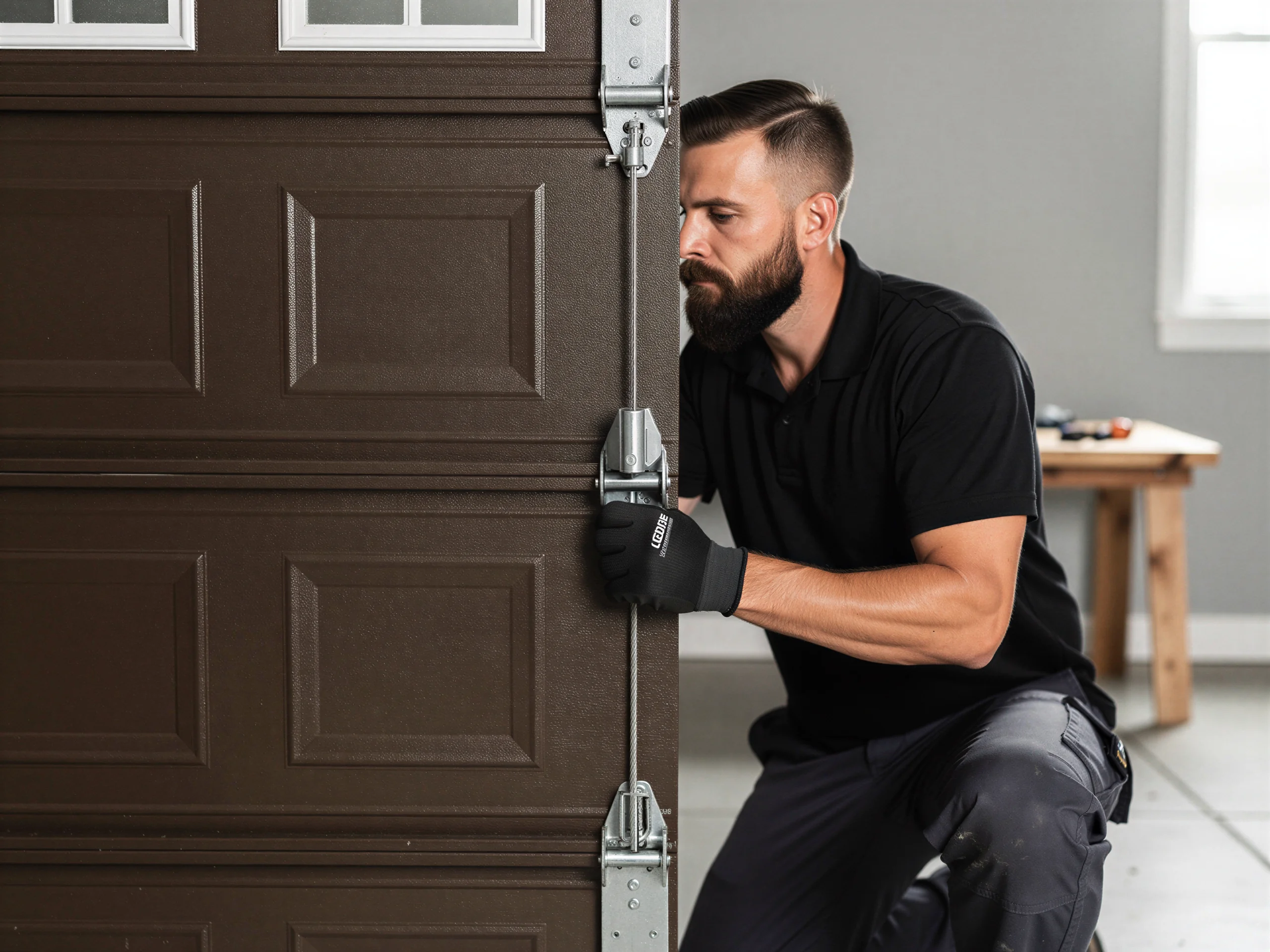
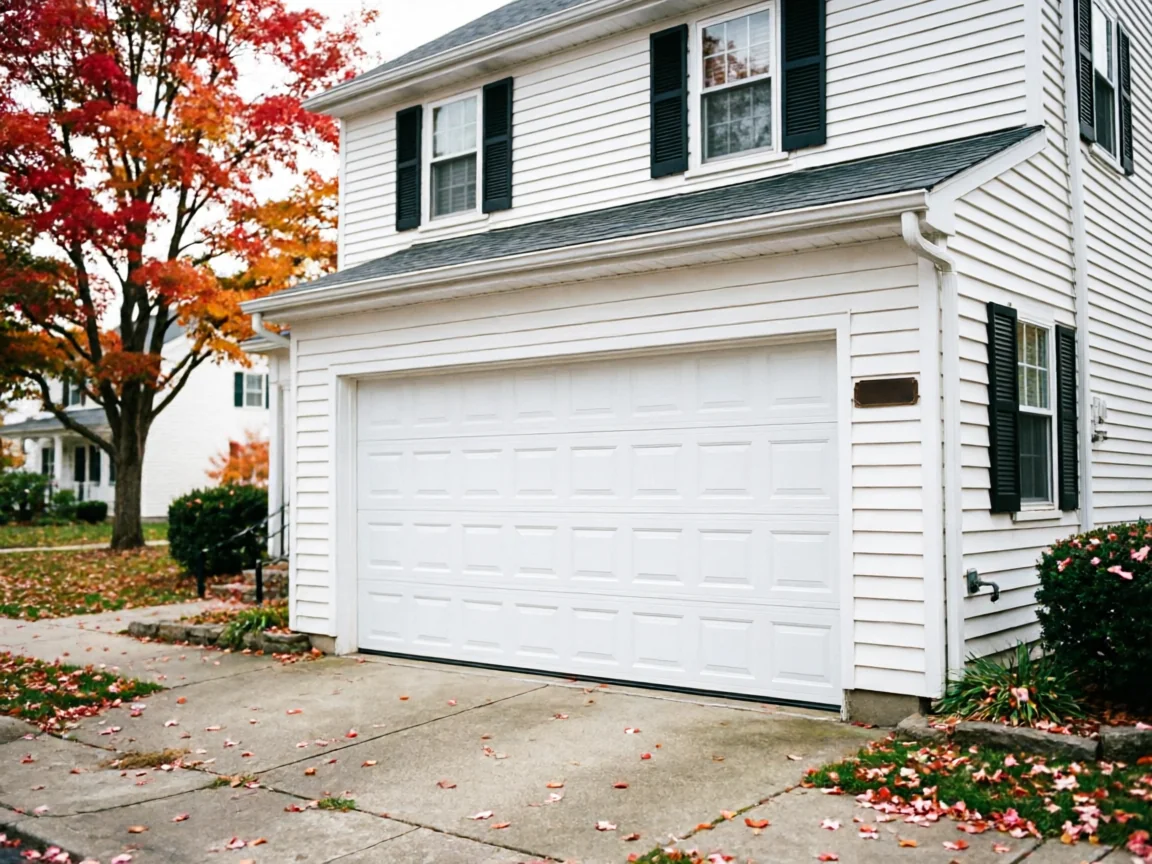
A door built in 1971 was engineered for a milder duty cycle than what Connecticut winters put on it now. Fairfield's service area sits in a severe cold climate band, and a steel panel with no thermal break flexes more in a hard freeze, which stresses the seams and the fasteners at the top roller bracket first. On the original extension-spring doors still common in this era of construction, the failure point is usually the pulley and cable at the bottom corner, not the spring itself - the cable frays where it wraps the drum, and nobody notices until the door drops unevenly on one side. Panels from this vintage also tend to be single-skin, so dents stay dents and rust starts at the bottom seam once the factory coating wears through. None of this is unique to one house; it's what forty-plus years of weather does to hardware designed before insulated doors were standard. The fix at replacement time isn't just a new skin - it's moving to a torsion system and a door rated for the cold load this climate band actually sees.
Booking a Visit
We travel from Fairfield to handle Wilton jobs, so visits are scheduled rather than walk-up same-day work - plan on booking the measurement and the install as two separate trips unless the opening is straightforward.
Build year for clearance
Bring the age of your house into the conversation when you call; a door from a 1971-era opening often needs different track clearance than something built in the 1990s, and knowing the build year up front saves a wasted first visit.
Installation overview pointer
Coverage details for Wilton are here. If you're also weighing repair against full replacement, the general installation overview for the Fairfield service area covers pricing tiers and door types in more depth. See it here.
What You Pay
We don't have a Wilton-specific price list to quote, and a fair number for a double-wide insulated steel door is a different conversation than one for a narrow single. What we can say is that this area's households carry a median income of $227,165, well above the $162,079 median across the rest of the Fairfield service territory, and that shows up in what gets ordered here - more requests for insulated steel and composite doors with higher R-values, fewer bare-bones builder-grade replacements. That's a pattern in what's bought, not a guarantee of what any one job costs. Get the actual number from a measured quote, not a phone estimate, since opening size, insulation level, and whether the old track and springs get reused all move the price.
Doing It Yourself
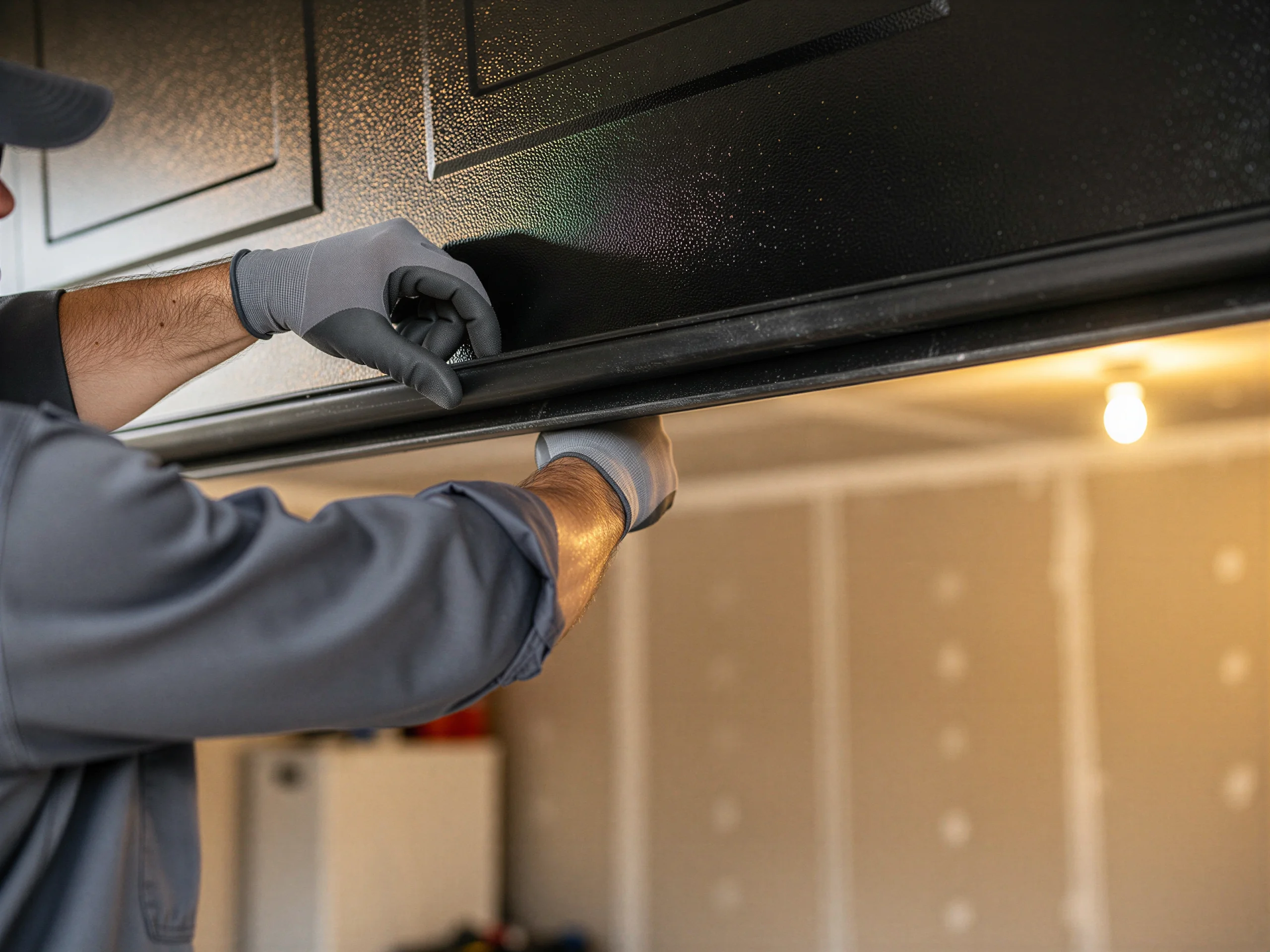
A full door swap on a 1970s opening isn't a reasonable weekend project if the original hardware is extension-spring. Those springs store enough tension to do real damage if they're released wrong, and on an older frame you're also often dealing with warped jambs or settled headers that a factory-spec door won't tolerate without shimming. Where a homeowner can reasonably step in: swapping weatherstripping, replacing a worn opener remote, or cleaning and lubricating rollers on a door that still operates fine. Where it isn't worth the risk: removing the old spring assembly, resetting track plumb on an out-of-square opening, or wiring a new opener into existing circuits without checking the load. If the door is original to a 1971 build, the honest call is usually full replacement rather than patching it - parts for that era of hardware are getting harder to source, and a repair on a door that old often costs more over two years than one upfront replacement.
Talk to a local pro
Garage door service in Fairfield?
Same-day service with honest, upfront quotes.