What the Repair Takes
Most of the spring failures we see from Darien are torsion springs that have been on the door since a prior replacement cycle, not since the house was built - but the houses themselves tell you why the springs wear the way they do.
Lighter-door hardware legacy
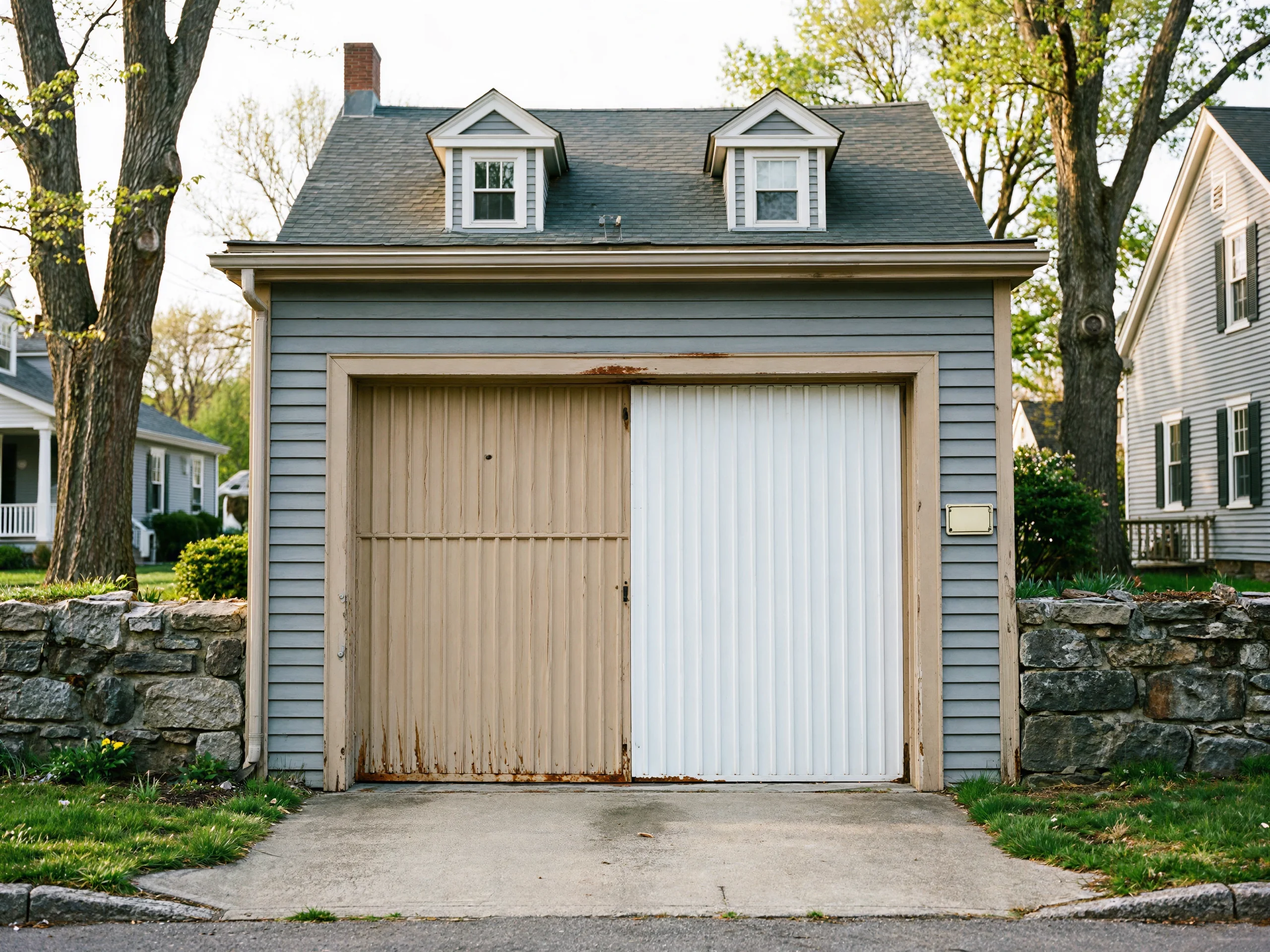
Darien's housing stock centers on 1957, squarely in the 1954-1984 window that runs across this whole service area, and that generation of garage was built with hardware sized for lighter doors than what often hangs on them now. A heavier insulated replacement door on an old torsion shaft shortens spring life fast, and that's the job we get called for most: a spring sized for a door that isn't there anymore.
Matched springs and bearings
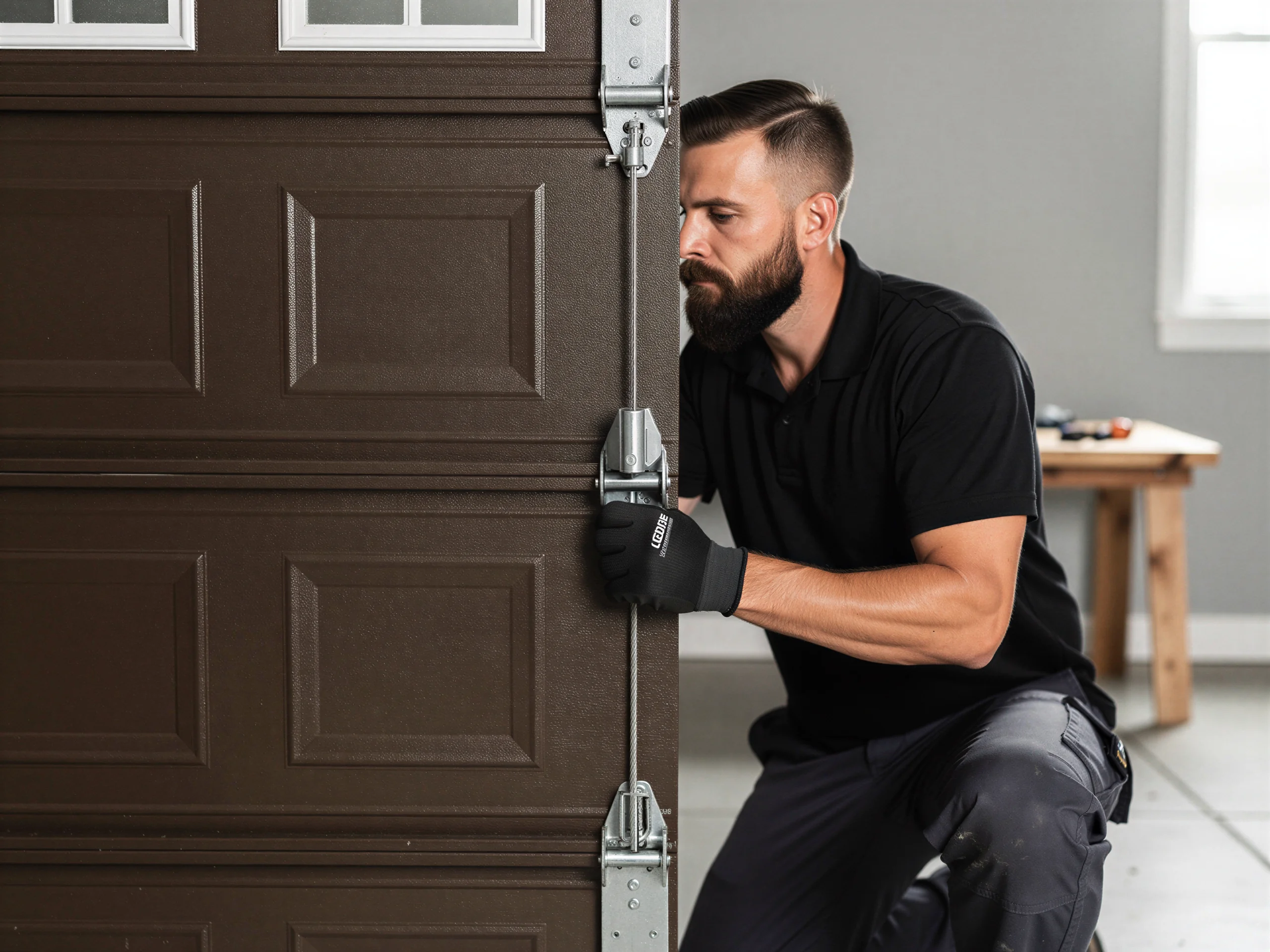
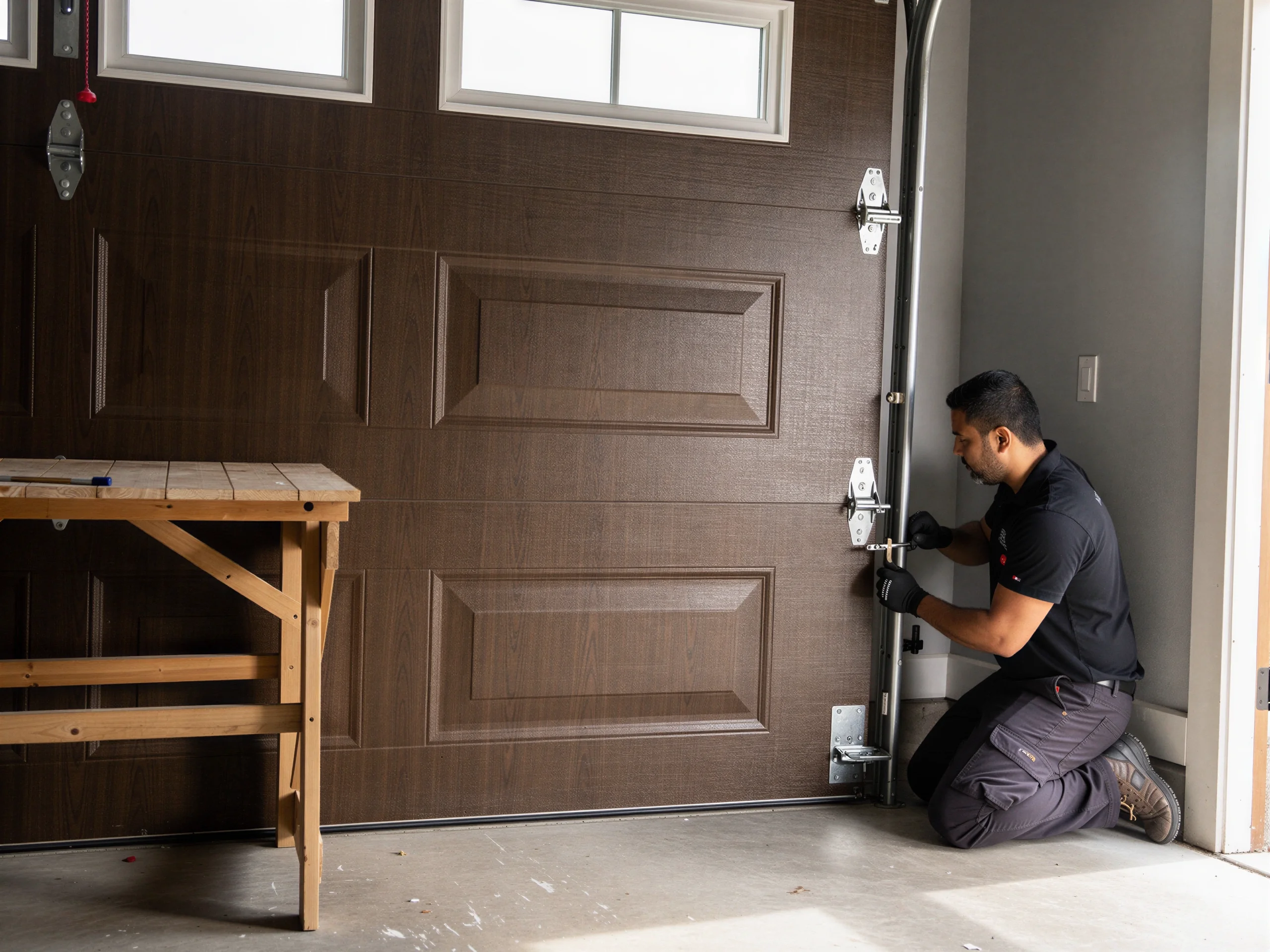
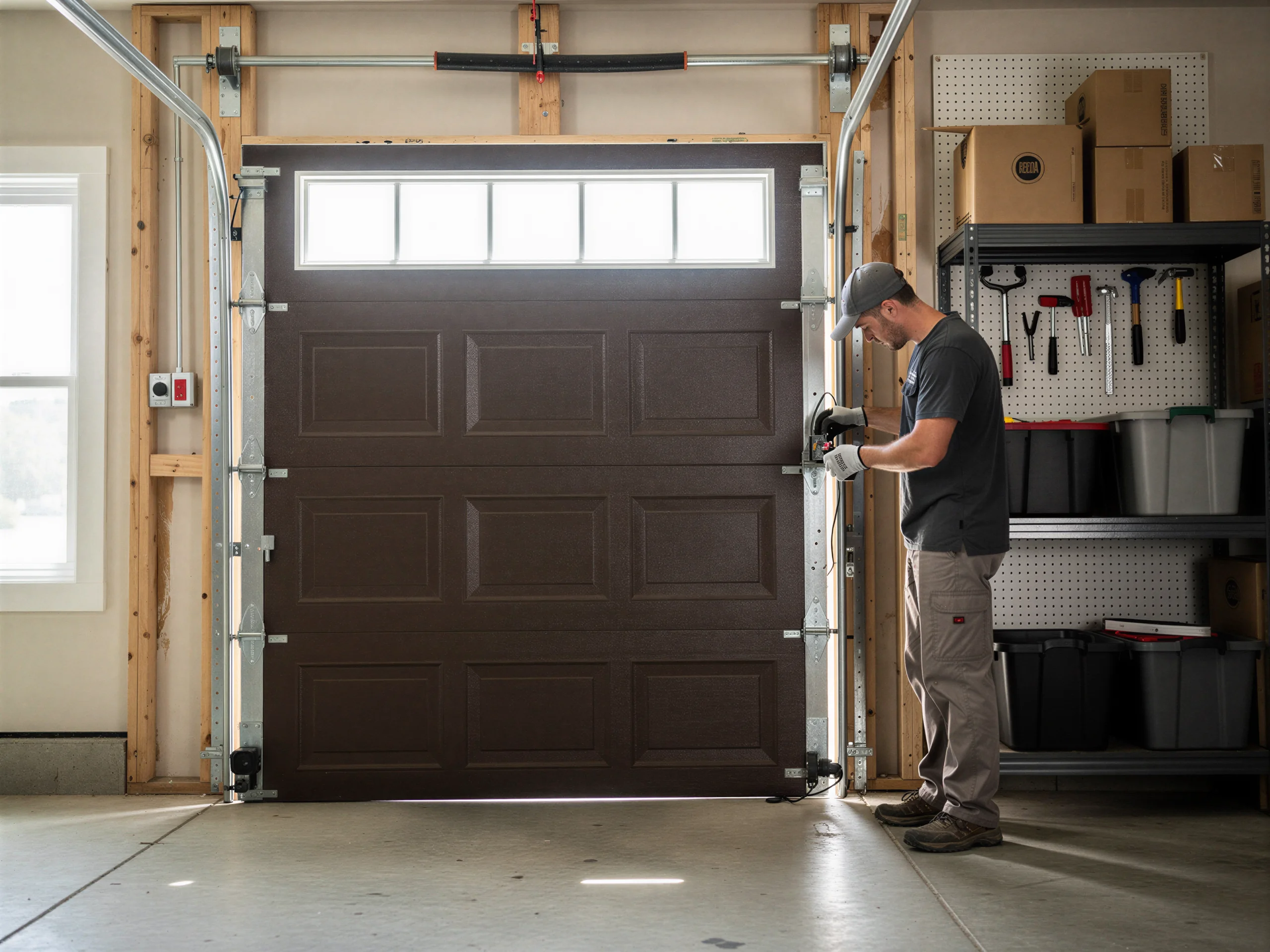
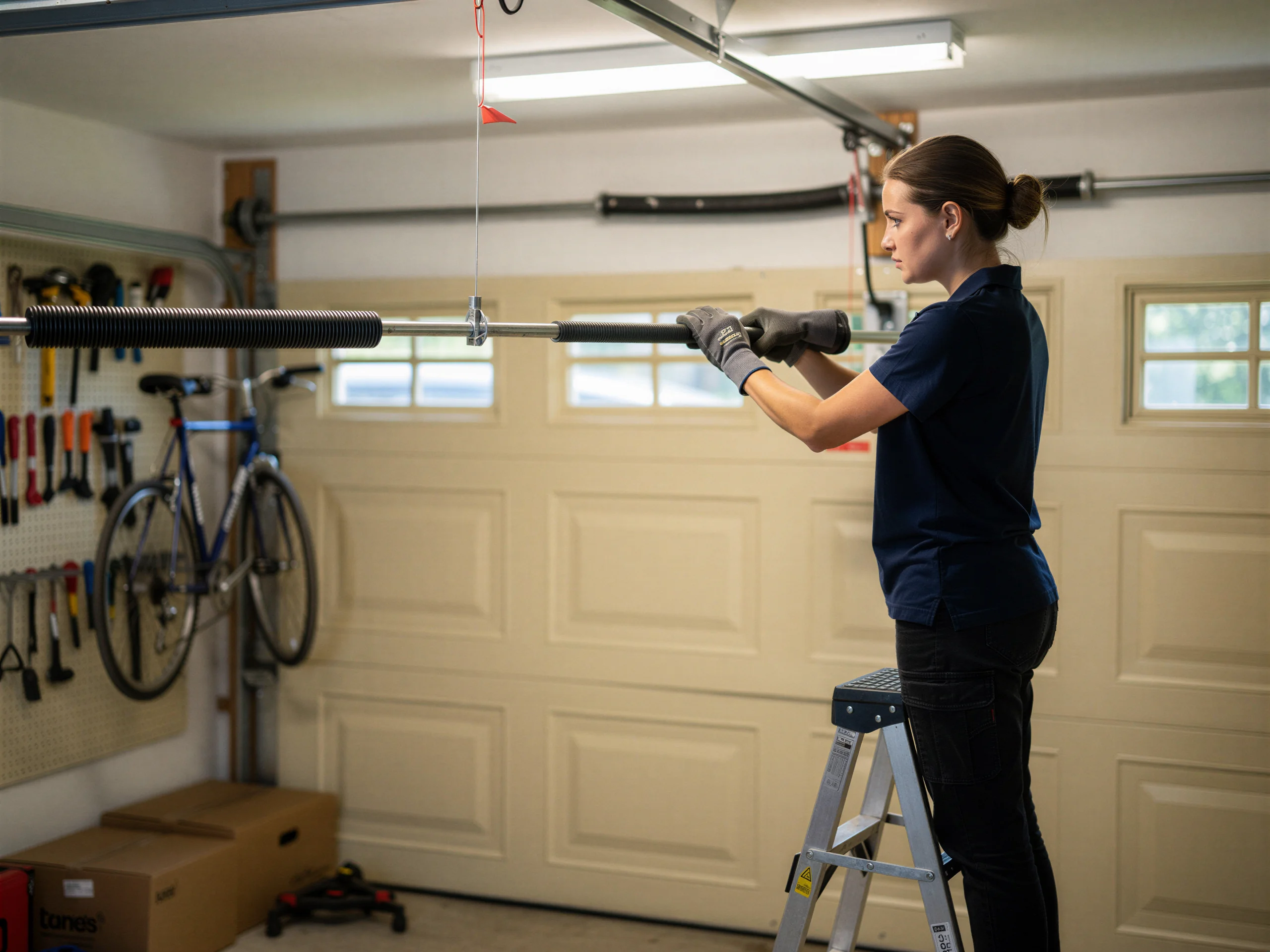
The repair itself is straightforward once we're on site - matched torsion springs rated to the door's actual weight and cycle count, correct winding bar technique, and a check of the shaft and bearings since a snapped spring often takes a bearing plate down with it.
Planning parts ahead
We run this out from Fairfield, about 13 miles, so we plan the parts before we leave rather than guess once we're there. That means a quick call ahead with the door's measurements saves a second trip, especially on older two-spring setups where the second spring is close enough to failure that replacing only one just moves the problem a few months down the road.
What Causes It Around Here
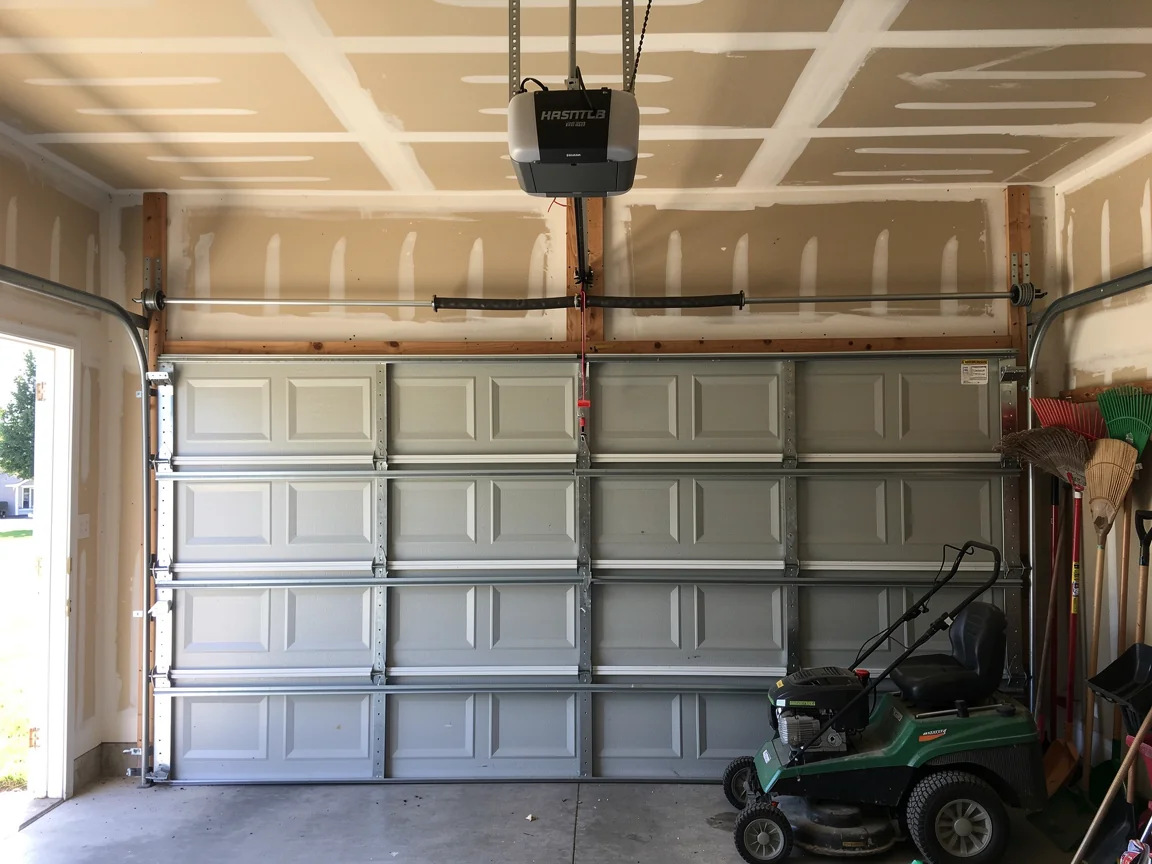
Connecticut's cold band is the other half of the story. Spring steel gets more brittle as temperature drops, and a severe cold snap is when a spring that was already near the end of its cycle life finally lets go - usually on the coldest morning of the stretch, which is also when nobody wants to be stuck outside with a dead opener. Combine that with 1957-era housing and you get a specific failure pattern: original or long-replaced torsion hardware, sized light, pushed hard in cold weather. We also see extension springs still in use on some of the older Darien garages that never got converted to torsion - these don't fail the same way, but they fail more often, since the open coil design has less consistent cycle life and no containment cable is sometimes present on the ones installed before that became standard practice. If your spring is an extension type with exposed coils along the horizontal tracks rather than a single coil over the header, that's worth mentioning when you call, since the fix and the parts are different from a torsion job.
Doing It Yourself
We'll say it plainly: torsion spring replacement is not a reasonable DIY repair. The spring is wound under several hundred pounds of tension, and the winding bars and unwinding sequence that make it safe are not something to improvise from a video.
Extension spring cable safety
Extension springs are lower tension and some owners do replace those themselves, but even there, a missing or worn safety cable is a real injury risk if the spring parts under load.
Visual gap inspection
What you can check yourself without touching the spring: whether the door is noticeably harder to lift by hand than it used to be (a sign the spring is weakening before it breaks), whether there's visible gap or separation in a torsion spring's coils, and whether the cable drums at either end of the shaft look worn or frayed. None of that requires tools. Replacing what you find does.
What Can Go Wrong
The most common mistake we get called to fix after the fact is a single spring replaced on a two-spring door.
Second spring follows soon
If one spring is near failure, the other one, installed at the same time, usually isn't far behind - a repair that only swaps the broken one tends to turn into a second call within months.
Spring size mismatch
The other thing to watch is spring size: a torsion spring rated for the original lightweight door, reused under a heavier insulated replacement, will wear out faster than it should and can also leave the door unbalanced, which puts extra strain on the opener. Unbalanced doors wear out opener gears and trolleys ahead of schedule, so a spring problem that goes unaddressed often shows up later as an opener problem instead.
What You Are Seeing
A door that won't stay open on its own, or one that slams down fast instead of lowering under control, is almost always a spring that's lost tension or broken outright. A loud bang from the garage, especially in cold weather, is usually the spring itself letting go rather than anything structural. If the opener strains, reverses partway up, or you can hear the motor working harder than it used to, check whether you can lift the door by hand with the opener disconnected - if it's heavy or uneven, the spring is doing less of the work than it should be, and that's worth a call before it fails completely rather than after.
Booking a Visit
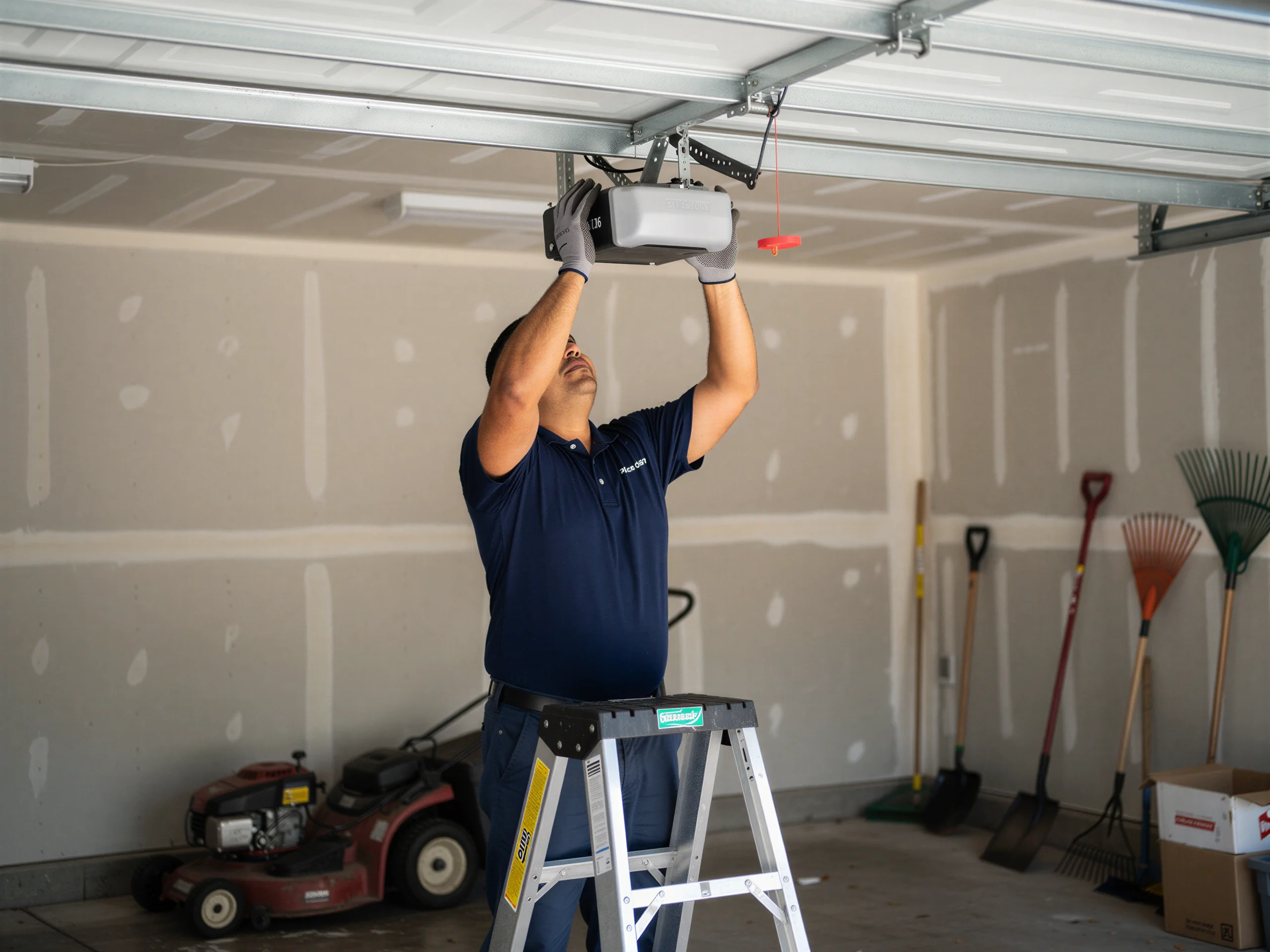
We travel the 13 miles out from Fairfield to handle spring jobs across Darien and the rest of the coverage area. Tell us the door's size and whether it's single or double, and whether you know if it's torsion or extension - that's usually enough for us to bring the right spring on the first trip. See our Darien coverage page for the towns we run alongside this one, or if you're after a broader look at spring work in Fairfield itself, that's covered on the Fairfield spring repair page.
Talk to a local pro
Garage door service in Fairfield?
Same-day service with honest, upfront quotes.