What Is on the Truck
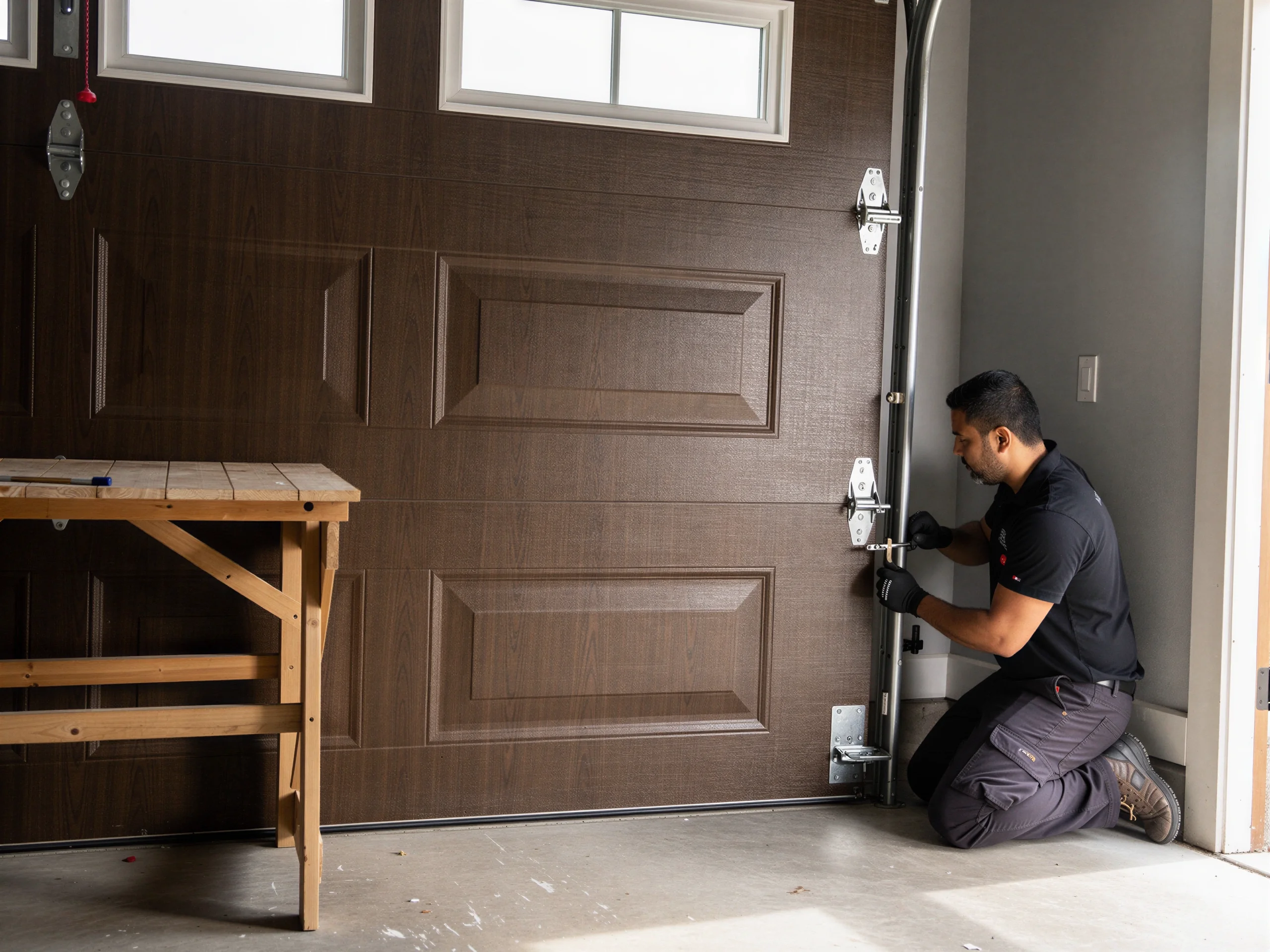
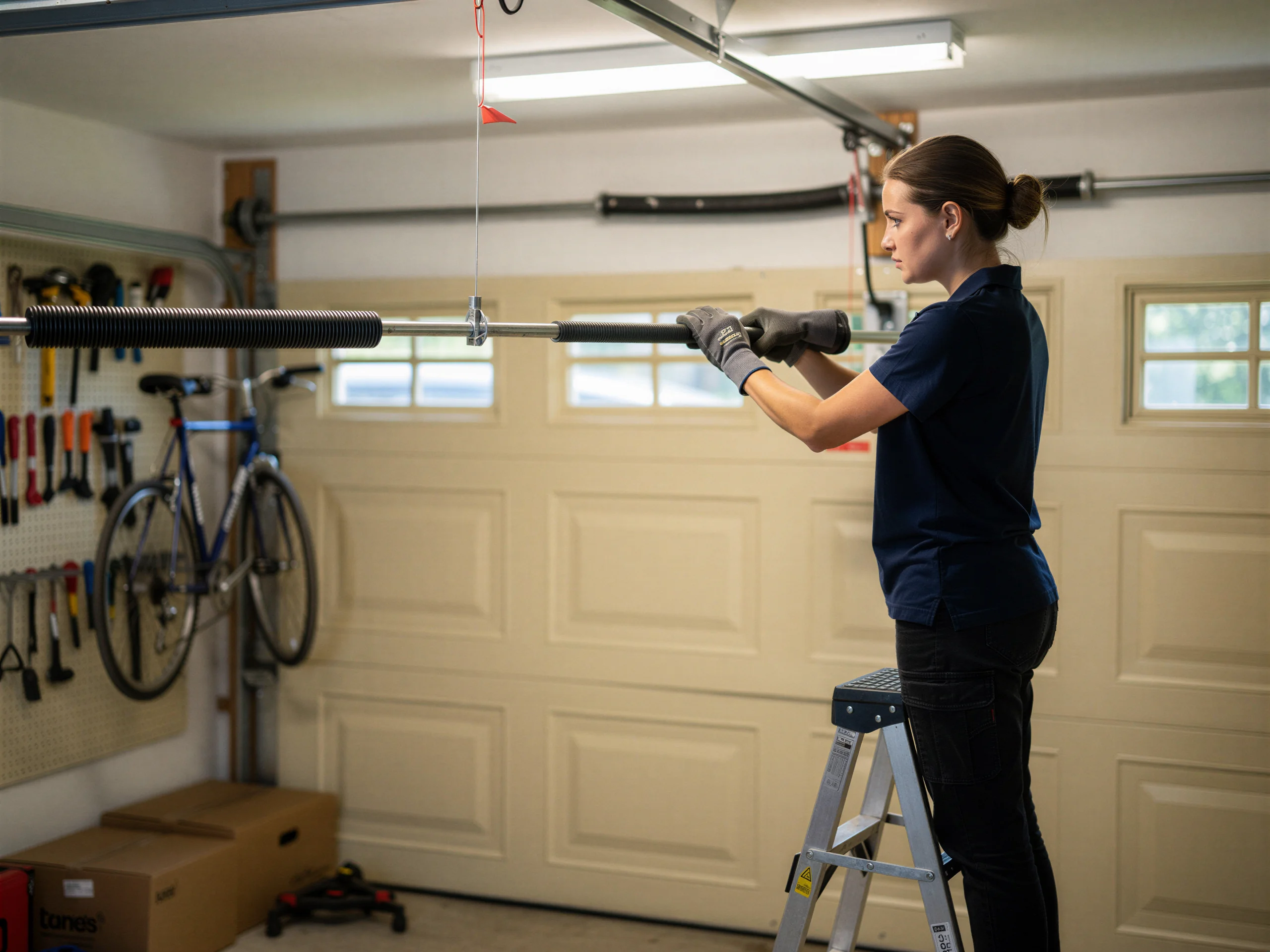
Most of Southport went up in the 1954-1984 stretch, with the middle of that run landing around 1966. A door from that era almost never has its original torsion spring left, but the drums, the end bearing plates, and sometimes the cable itself are a different story - those parts don't fail as often, so nobody's ever had a reason to touch them. We carry galvanized aviation cable in the diameters that match drums from that period, plus the standard current stock, because you don't always know which one you've got until the door's open and we're looking at the drum stamp. We also carry both high-cycle and standard torsion springs, since a cable job on a door this old usually means the spring is close behind it. What we don't carry is every obsolete drum size ever made - if your door has a drum nobody's cast in forty years, we'll tell you straight rather than force a mismatch that un-spools wrong six months later.
Booking a Visit
We run out of Fairfield, about a mile from Southport, so getting a truck to you isn't the issue - matching the visit to what your door actually needs is.
Describe door position
Tell us whether the door is stuck shut, stuck open, or hanging crooked on one side; a cable that's jumped the drum but hasn't snapped behaves differently than one that has, and it changes what we load before we leave the shop.
Stop the opener immediately
If the opener is still trying to run the door with a bad cable, stop hitting the button. That's the fastest way to bend a track or crack a panel on a door old enough that replacement panels are no longer a quick order.
What Can Go Wrong
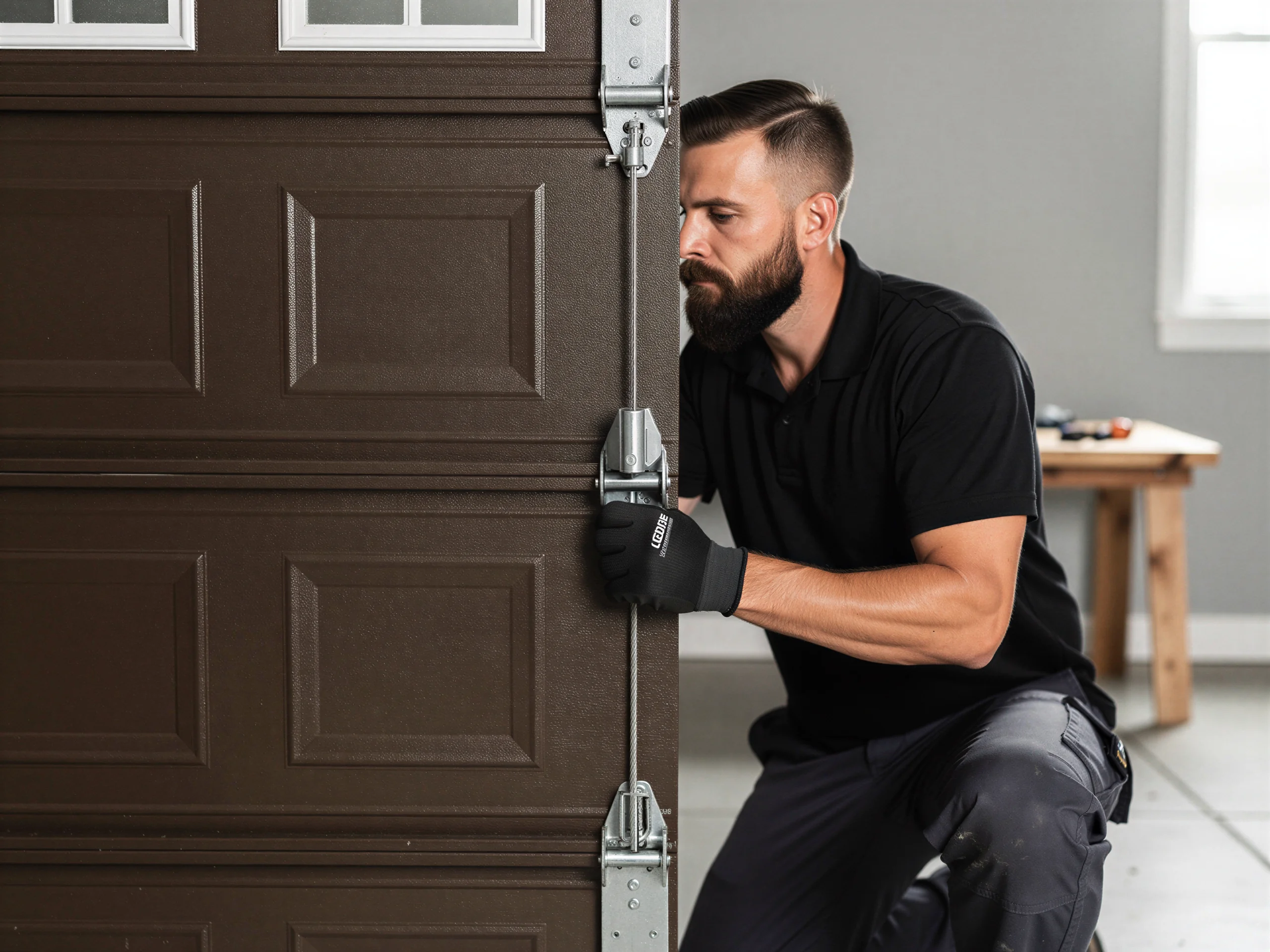
On a door with original 1966-era hardware, the failure we see most is a cable frayed at the drum from decades of the same few inches running over the same groove - eventually a strand gives, the door racks sideways, and the opener either stalls or tears the bracket trying to force it. The other common one is a cable that's jumped off the drum because a roller seized and let the door slam the last foot of travel, which shock-loads the cable even if it doesn't snap outright. Either way, running the opener after that point usually bends the track, and a bent track costs more than the cable ever would have. One thing we won't do is replace a cable alone and send you off if the drum underneath it is grooved or cracked - a new cable on a worn drum fails again inside a year, and that's a second service call nobody needs.
Time on the Job
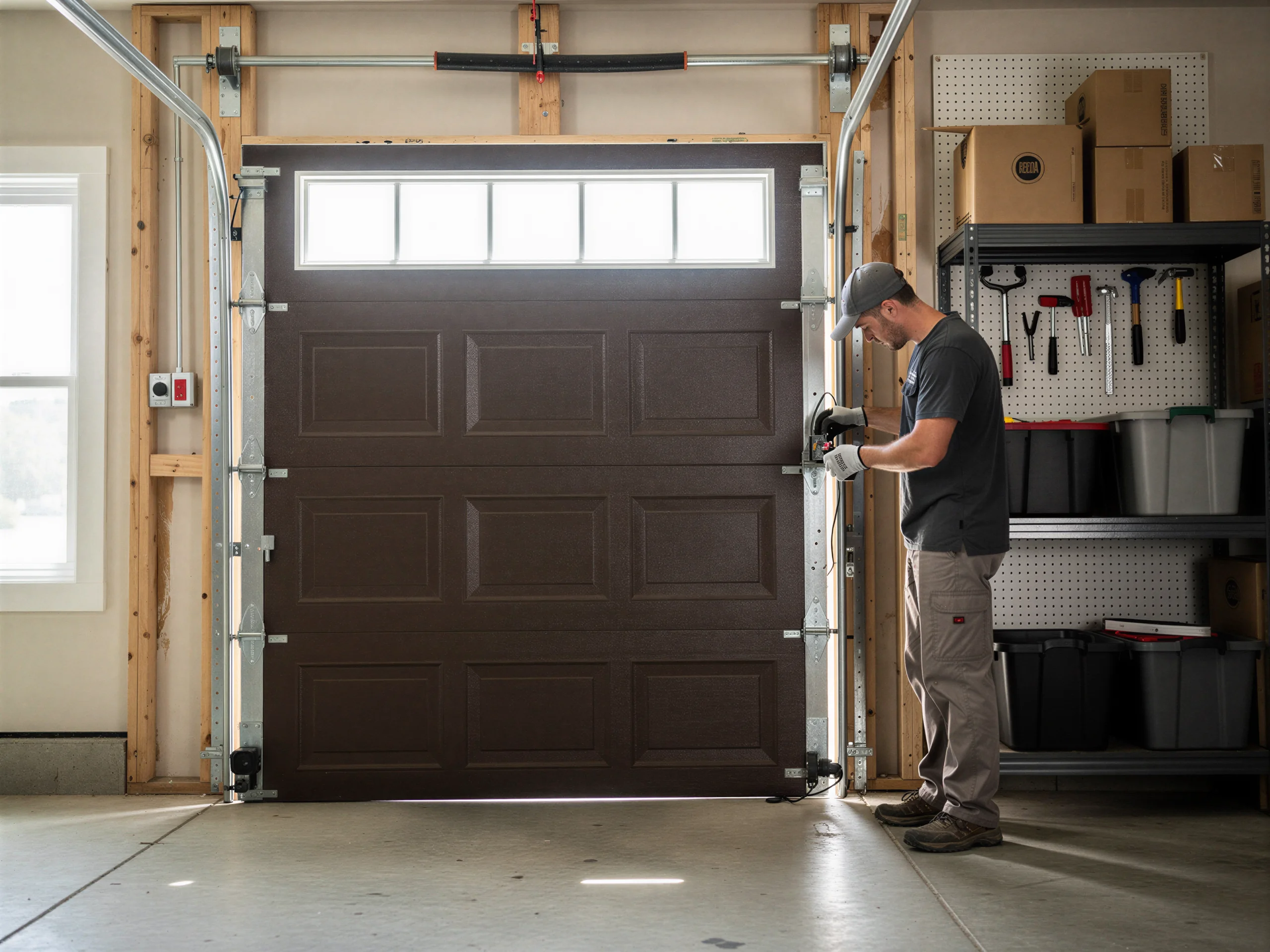
A straight cable replacement on one side, done before anything else gets damaged, is a contained job - we're not pulling the opener or realigning track.
Cables that snapped mid-cycle
It takes longer when the cable snapped mid-cycle and took a roller or a bracket with it, or when both cables need replacing because they're the same age and one going means the other isn't far behind.
Checking drums while open
On a door this old we'll also check the drums and the stationary cone while we're in there, since a cable job is the one time the whole system is open and it's cheaper to catch a cracked drum now than on a second visit.
What Causes It Around Here
Southport sits in a cold climate zone with real winter swings, and that matters for cable life more than people expect. Galvanized cable doesn't rust the way bare steel does, but the zinc coating still wears thin faster where a cable repeatedly flexes over a drum in cold, dry air - the metal gets brittle at the fray point instead of just stretching. A house built in the 1960s has had sixty-plus winters of that cycle on whatever cable is currently on the drum, original or not. Add a torsion spring that's lost tension with age, which puts uneven load on both cables instead of splitting it evenly, and you get the lopsided wear pattern we find on a lot of these doors - one cable frayed, the other still tight.
Talk to a local pro
Garage door service in Fairfield?
Same-day service with honest, upfront quotes.