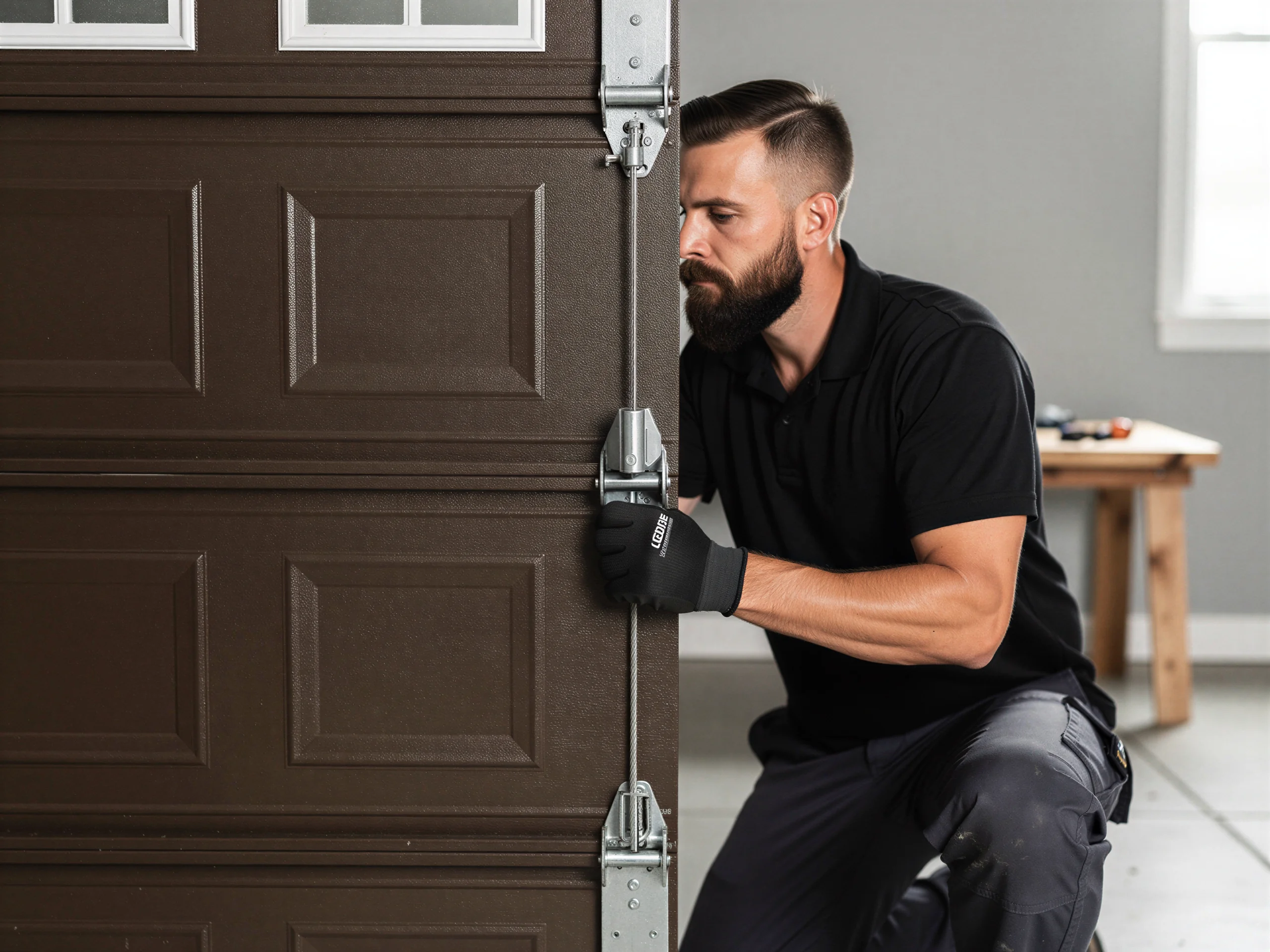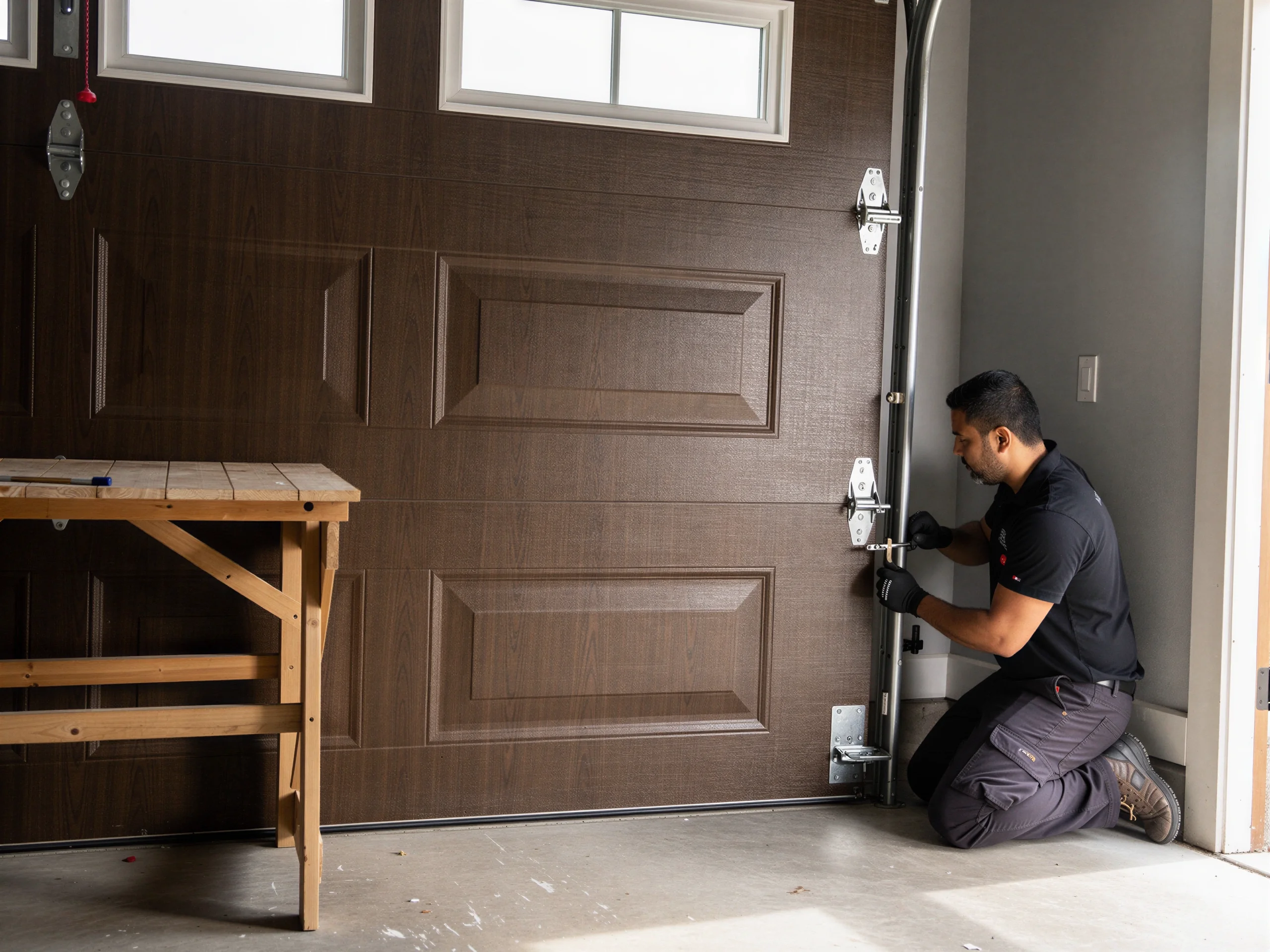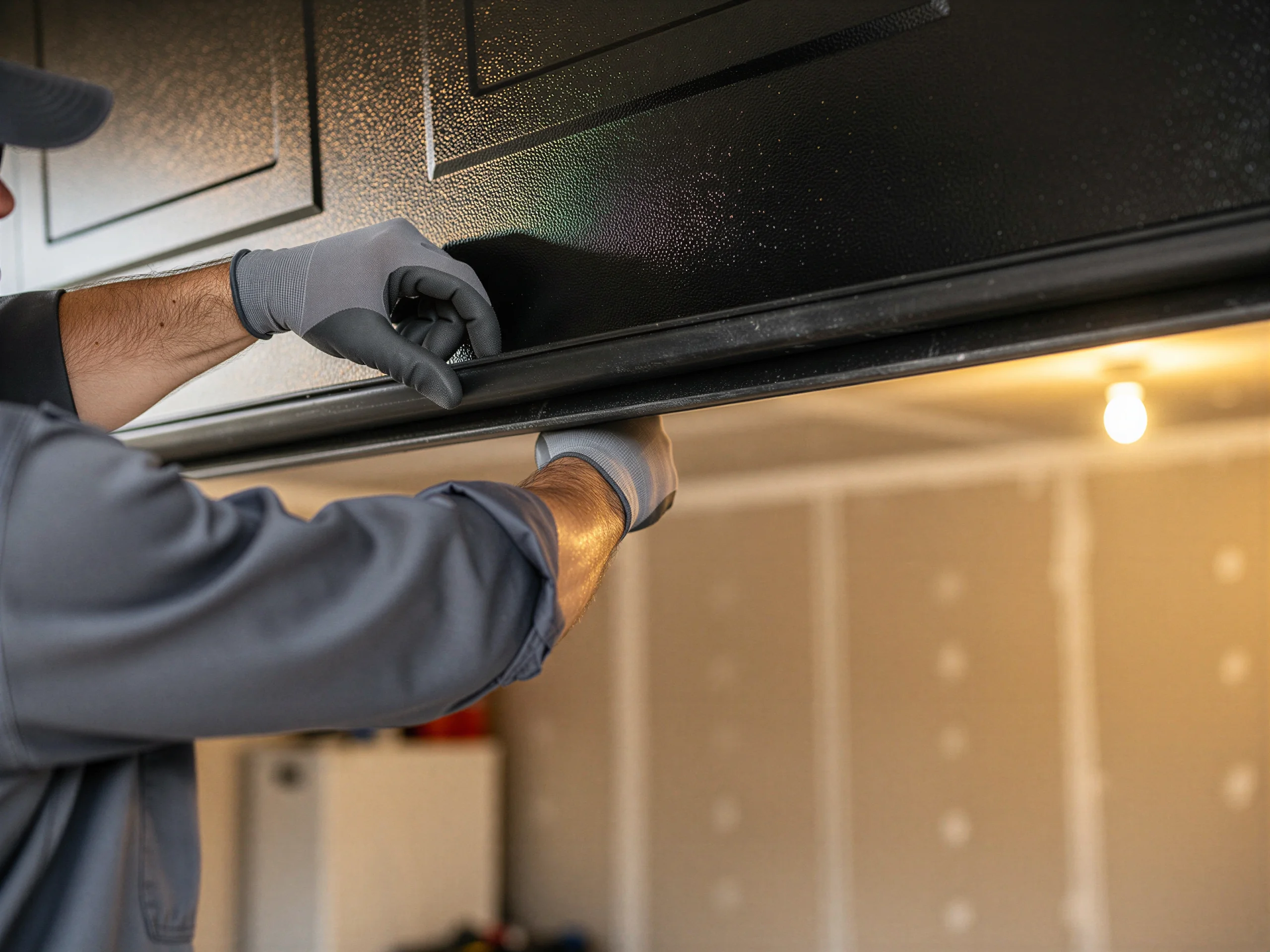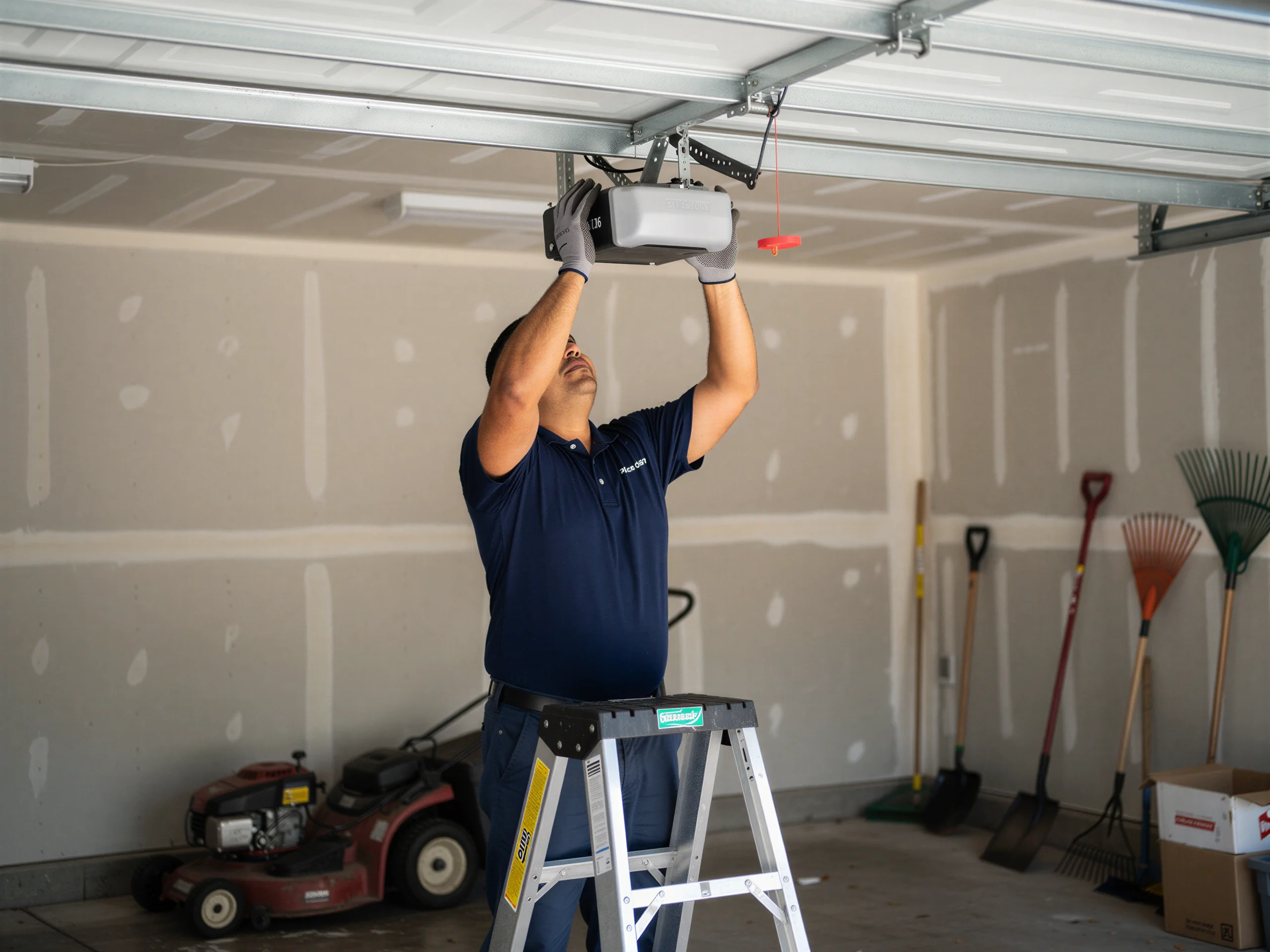
What Is on the Truck
When we head to Southport, we bring doors sized for openings built to the specs common in 1966, the median year a house on this stretch went up.
Trim kits for framing
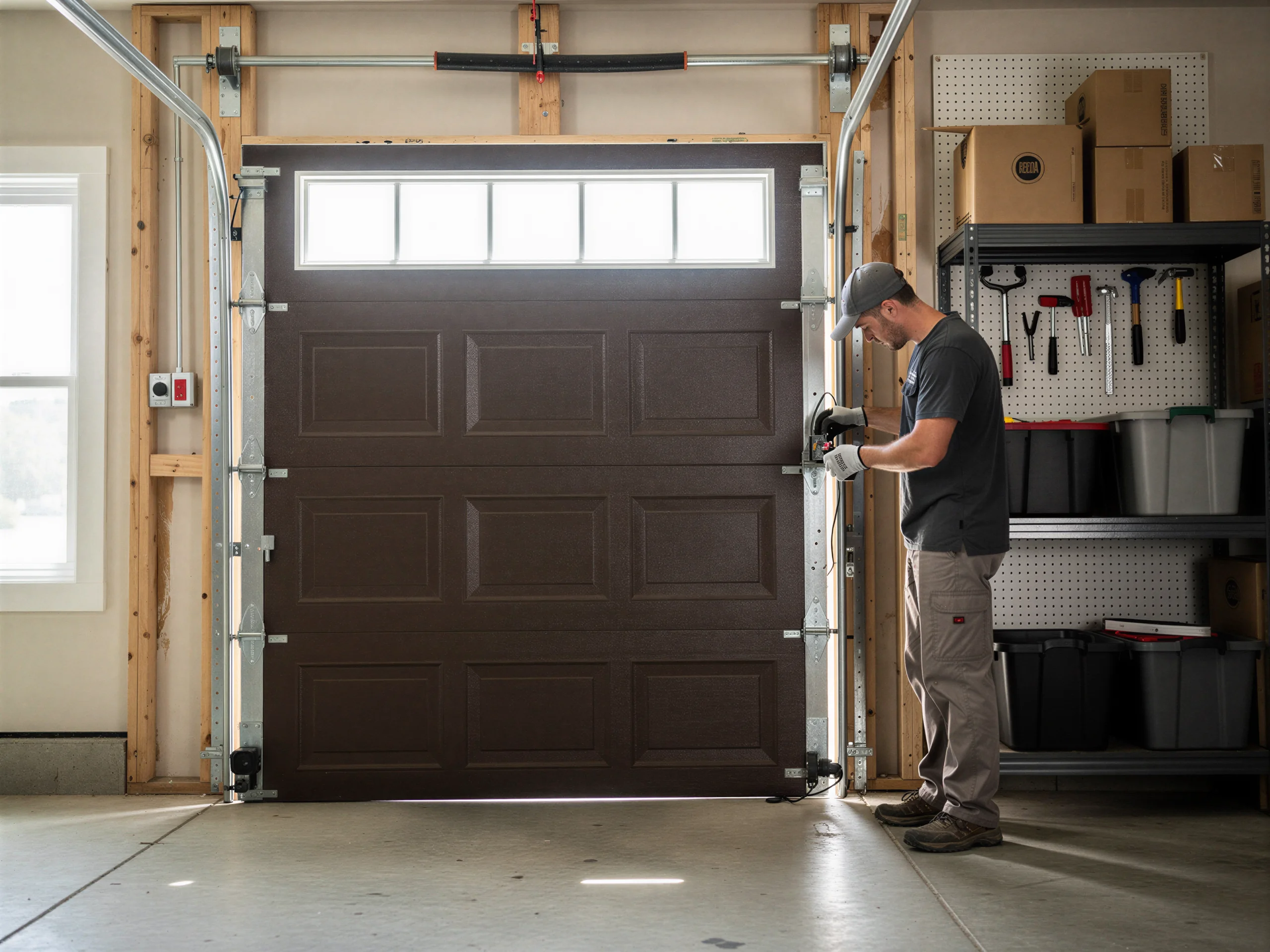
That matters because framing and header heights from that era don't always match what a big-box door ships with off the shelf - we carry trim kits and jamb extensions for exactly that mismatch. We also bring insulated steel sections as standard, since this is a COLD-severe climate zone and a single-layer door from the 1960s was never built for it.
Thin steel originals
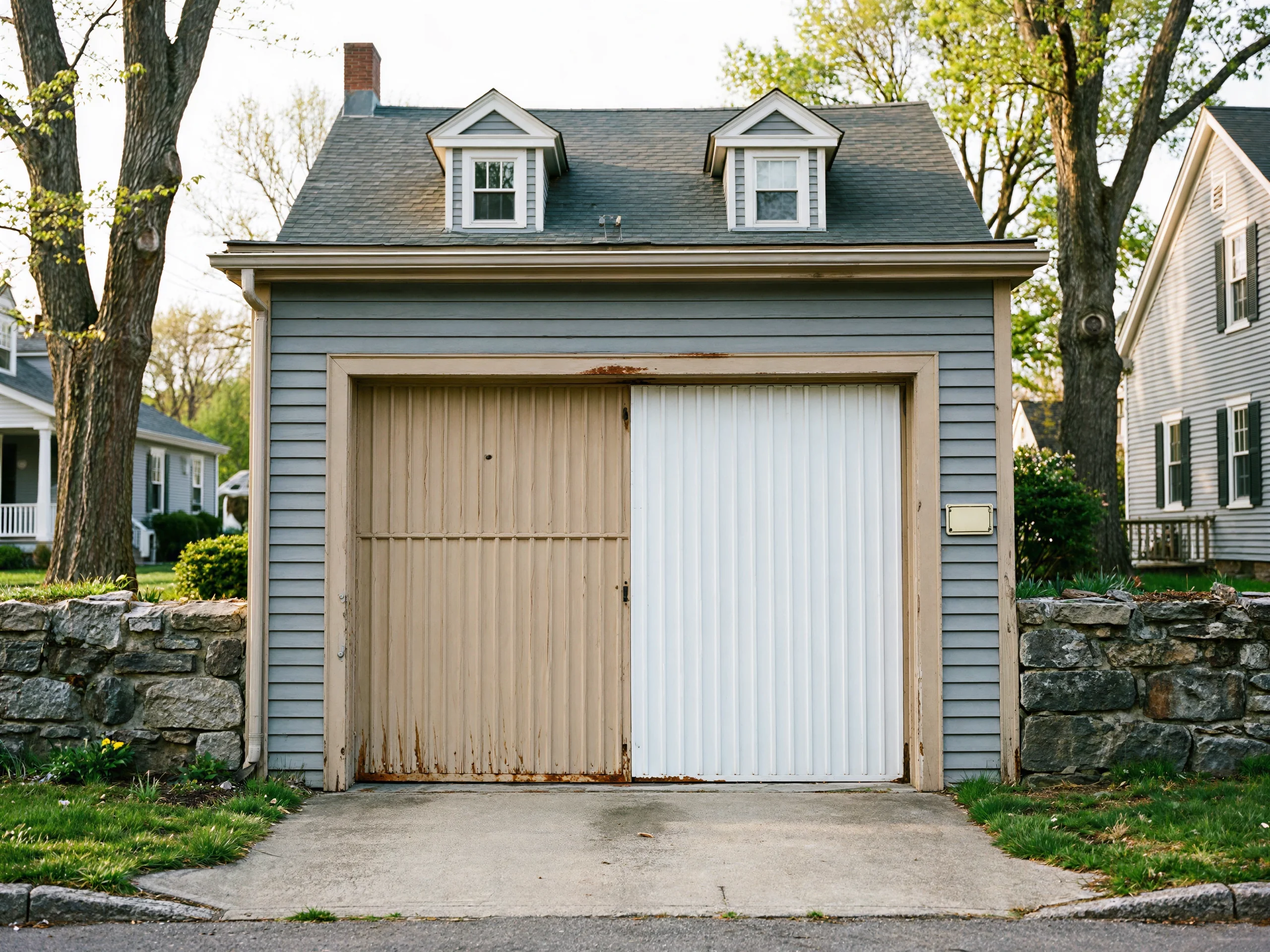
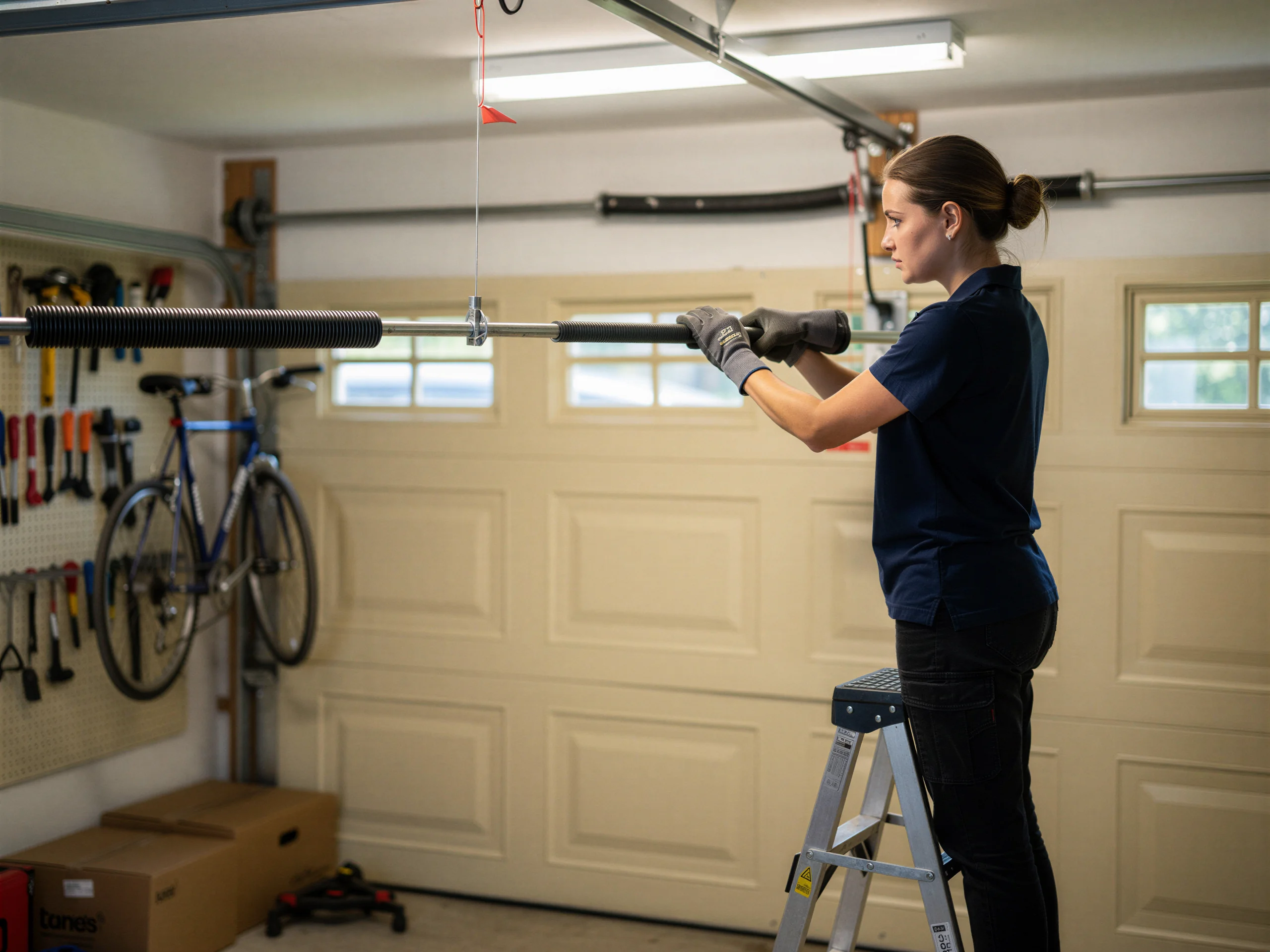
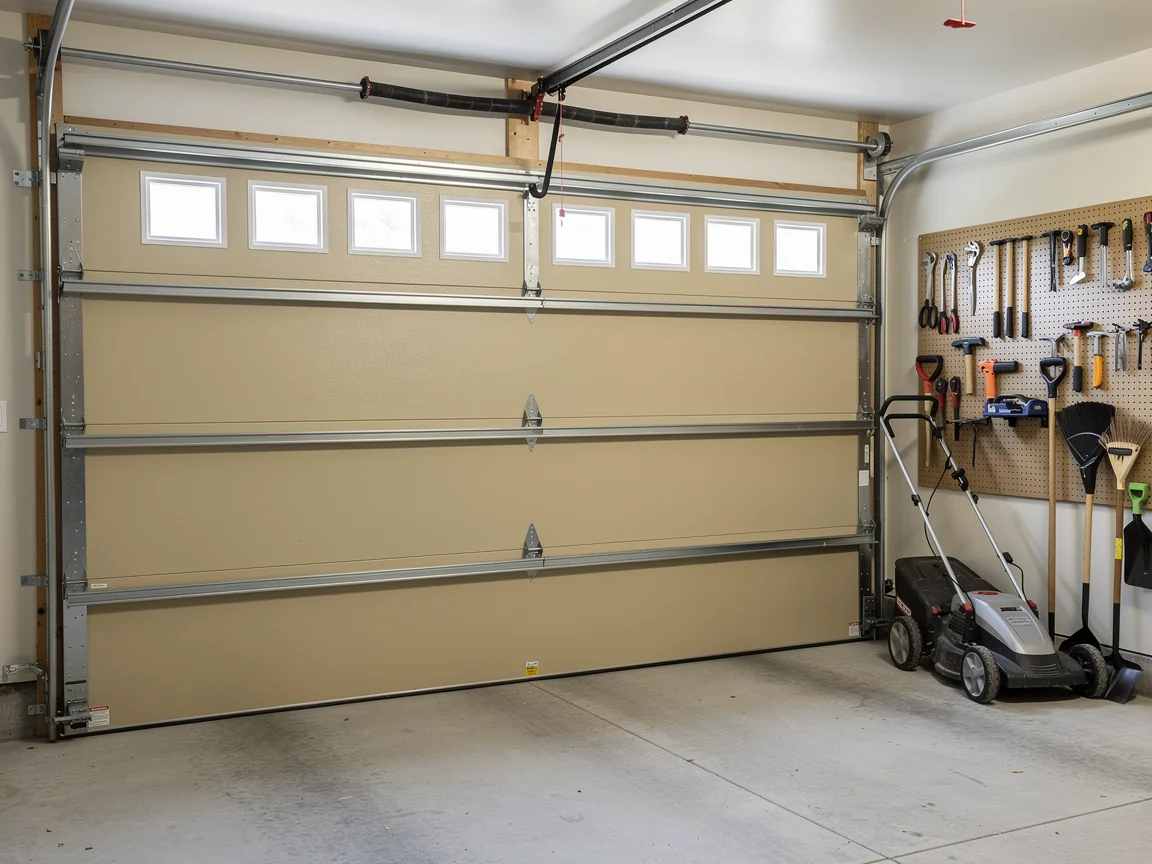
Most of what we haul out of a Southport garage is the original door or a direct replacement from decades back - thin steel or wood panel, no insulation, track bent from age rather than impact. The truck carries torsion springs sized for both standard and heavier insulated panels, because swapping a light door for a heavier one changes the spring math, not just the door.
Historic-look wood lead
One honest limit: if you want a custom wood door to match a specific historic look, that's a special order with a lead time, not something we stock on the truck. We'll quote it, but it won't be a same-visit install.
Booking a Visit
We cover Southport from our Fairfield base, about a mile up the road, so getting a truck here isn't the issue - scheduling around what the job actually needs is.
Non-standard opening visits
A straight swap on a standard opening is one kind of visit. A house built in 1966 with a non-standard header or a single-car opening that's narrower than today's typical door is a different visit, because we may need to bring trim or framing material we don't carry as a default stock item.
Prior touch-ups matter
Tell us the rough age of the house and whether the door has been touched since it was installed. That alone tells us a lot before we ever see the opening.
Questions before dispatch
We'd rather ask two extra questions on the phone than show up with the wrong spring size or the wrong width panel. See the coverage page for how Southport fits into the rest of the area we run trucks through.
What Can Go Wrong
The most common failure on a 1960s-built Southport garage isn't the door panel itself, it's what's holding it: torsion hardware mounted to framing that was never rated for a heavier insulated replacement door.
Header load limits
Swap in a modern door without checking the header and you can end up loading a spring system beyond what the original lumber was built to carry. Second most common: tracks and rollers that were replaced once, maybe twice, over sixty-odd years, but on hardware that's original.
Repeated track replacements
Mixing a new door with 1966-era track alignment is a recipe for a door that binds halfway up. The fix isn't always a new door. Sometimes the opening and framing are fine and the smart move is new panels on the existing track and springs, properly matched.
Repair before replacing
We'll tell you when a full replacement isn't the right call - paying for a new door when the problem was a $40 roller doesn't make you money, and it doesn't make us any either.
Time on the Job
A straight replacement on a standard single or double opening, with matching hardware already in good shape, is a same-day job start to finish. Add framing work for a non-standard 1960s opening, or a spring resize because you're going from an old uninsulated panel to a heavier insulated one, and the visit runs longer - we'll tell you that up front, not after we've started pulling the old door down.
We don't stage install days around weather the way roofing or paving crews do, but a COLD-severe winter day does change how epoxy and sealant cure around a new frame, so we may recommend a narrower install window on the coldest stretches rather than guess and redo it in spring.
What Causes It Around Here
The fault pattern in Southport traces straight back to the build year. A neighborhood built to a 1966 median means original garage openings sized for the doors of that decade - narrower, lower-headroom, often single-layer steel or a wood panel door nobody makes anymore. Add a COLD-severe climate classification and you get seasonal expansion and contraction on wood jambs that were never insulated to begin with, which loosens track brackets over the years faster than it would in a milder zone.
This isn't a story unique to one street - it's the story of the broader area, where household income running well above $150,000 means a lot of owners have already paid to upgrade kitchens and roofs but left the original garage door alone because it still opens. It does, until the spring finally lets go on hardware that's been quietly overloaded for years.
Talk to a local pro
Garage door service in Fairfield?
Same-day service with honest, upfront quotes.