What Is on the Truck
Southport is the closest stop on the route, a mile out from Fairfield, and a small one - 734 households against a service area of 141,171.
Tight pocket, focused stock
That size matters for what rides on the truck. A pocket this tight doesn't need a wide spread of hardware options; it needs the parts that actually show up here, over and over. Most of what gets called in is tied to the housing stock.
Stock for mid-sixties era
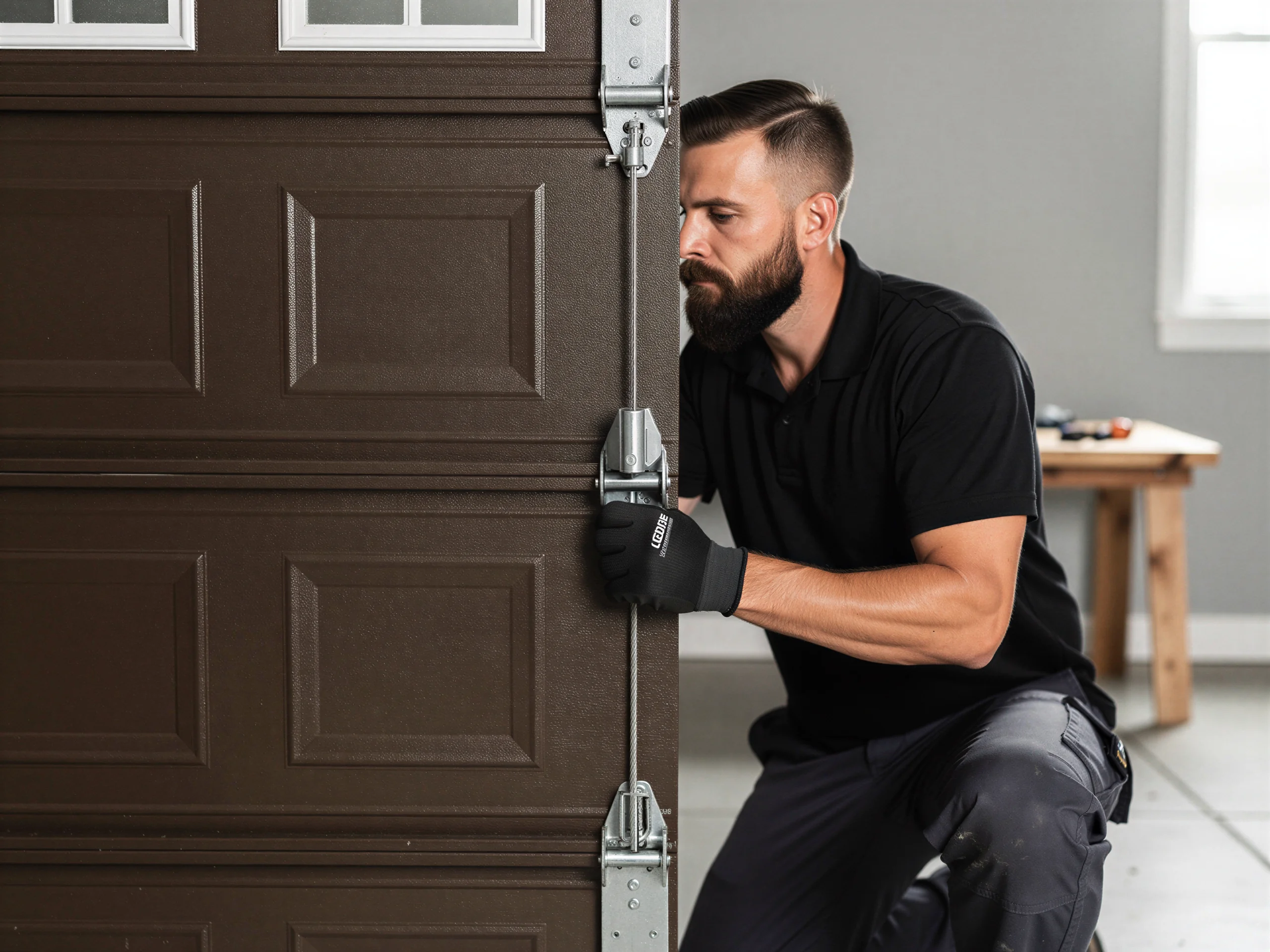
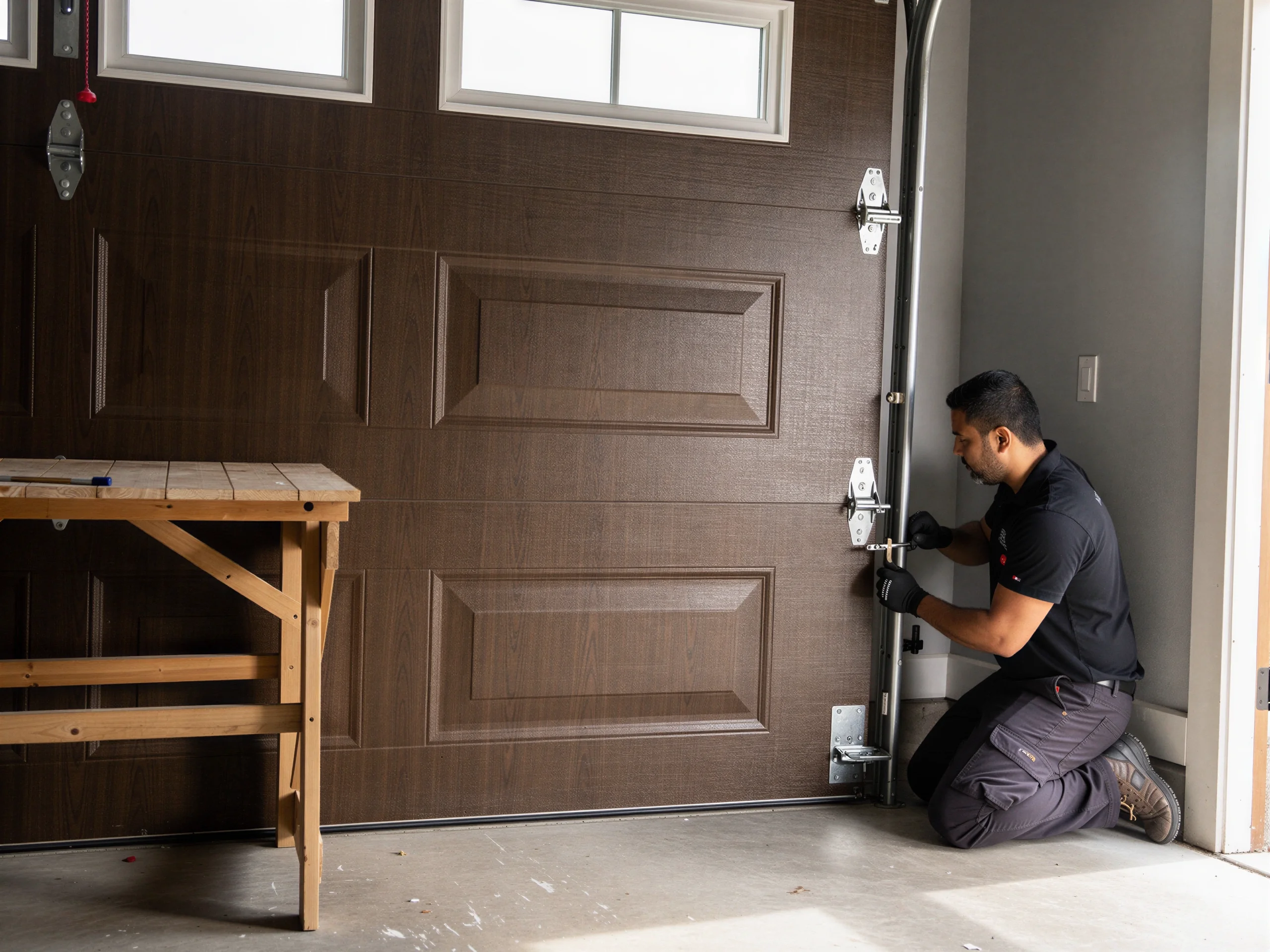
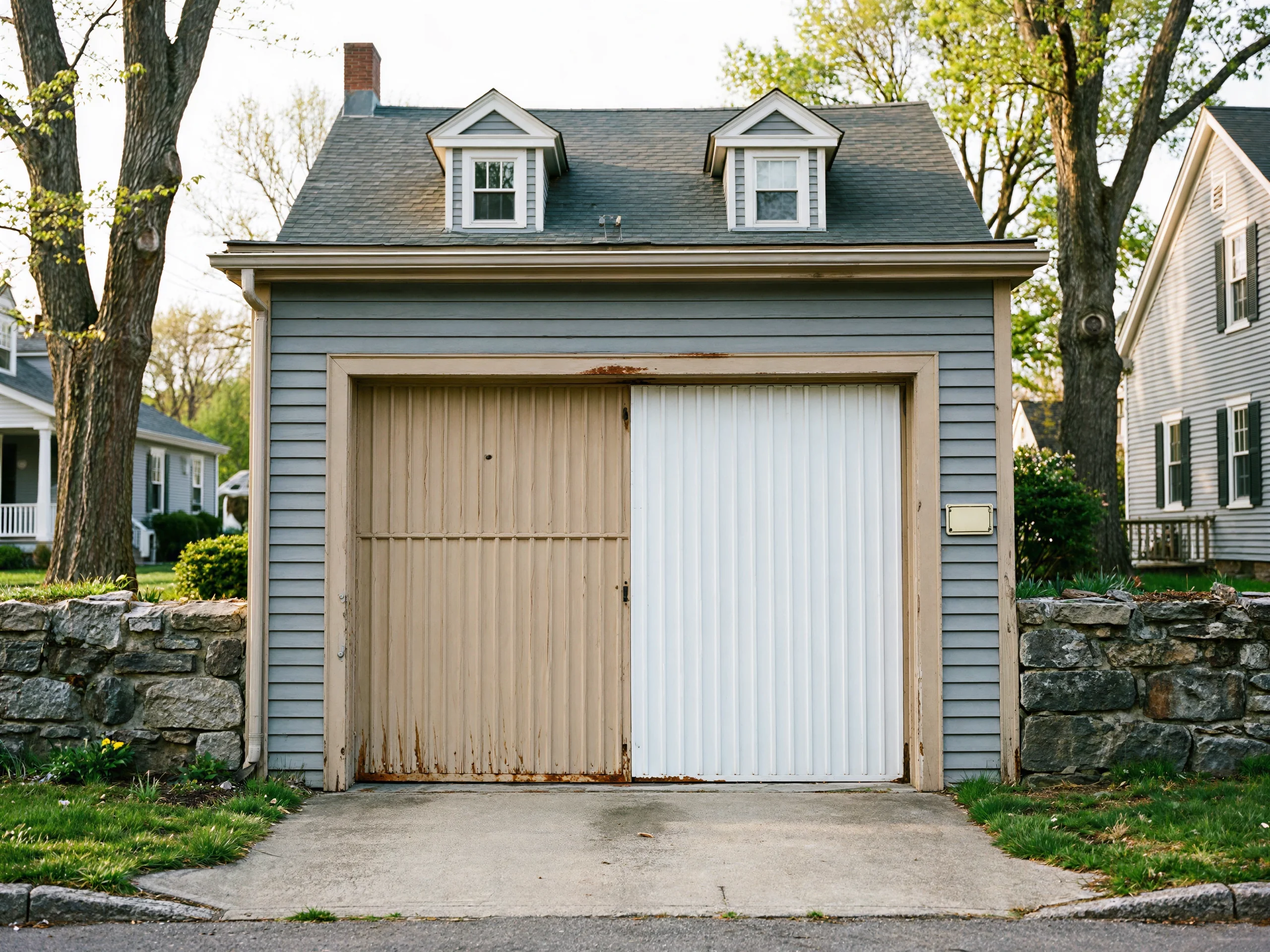
Southport's median build year lands at 1966, inside the same 1954-1984 band that covers the broader area, so the torsion springs, the extension spring drums, and the steel panel doors from that era are what we stock heavy. We carry both torsion and extension spring sets because houses from this stretch were built with either, depending on who framed the garage.
Custom panels not stocked
What we don't carry on every run is anything custom - a non-standard panel width or a door matched to a specific builder spec from that period. If your door turns out to be one of those, we'll tell you straight and order it rather than force a part that doesn't fit. That's a slower job, but it beats a door that binds.
Booking a Visit
Because Southport is a mile from Fairfield, a visit here doesn't cost extra drive time the way some of the farther stops do - but we don't advertise a set response window for this specific pocket, and we won't pretend otherwise.
Early stop by geography
What we can tell you is that it's one of the first stops on most days simply by geography. When you call, the useful details are the door's age if you know it (most here are original to a house built well before 2000), whether it's one panel or two in the opening, and what it's doing - won't open, opens partway, slams the last foot.
Booking by job
That gets the right spring and track parts on the truck before the tech leaves Fairfield. We book by the job, not a flat rate for the area, since a spring swap and a full opener replacement aren't the same visit.
Range before the visit
If you want a number before we're on site, ask - we'll give you a range based on what you describe, with the final figure set once the tech has eyes on the hardware.
What Can Go Wrong
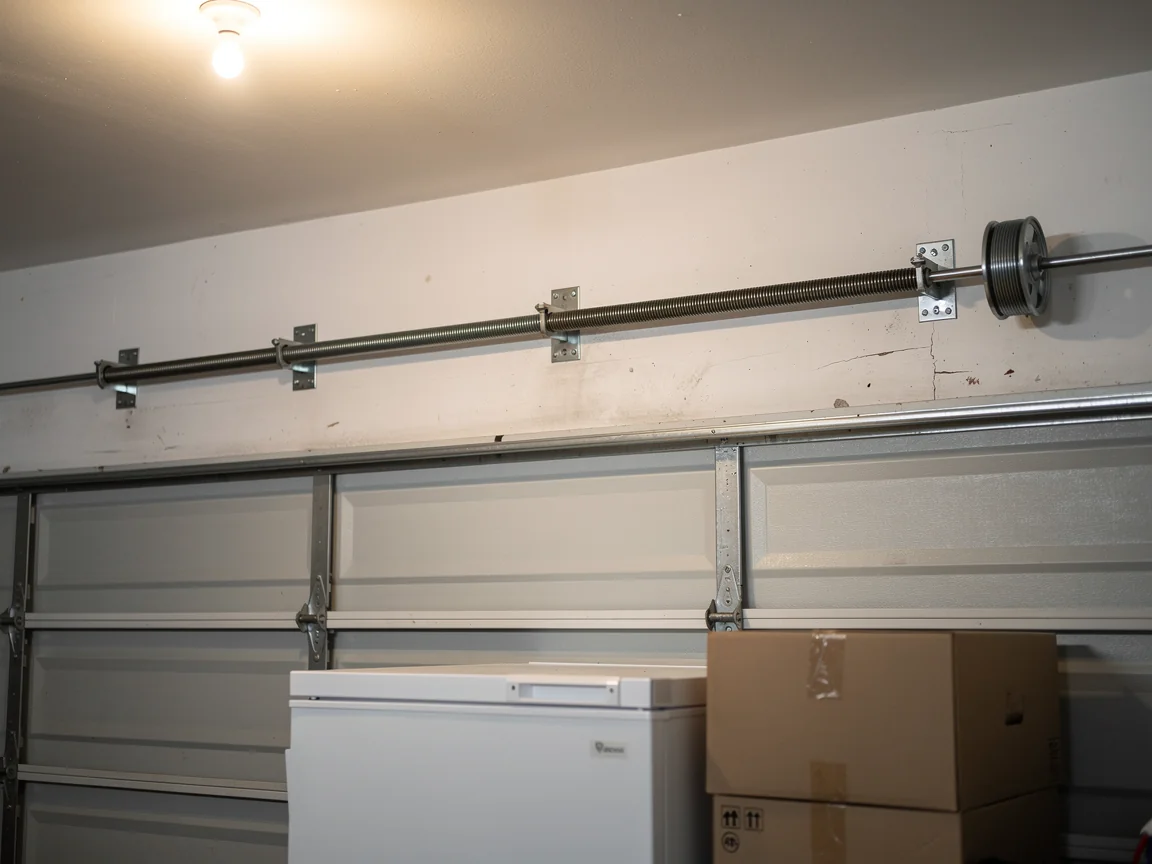
On a house from the 1954-1984 window, the first thing to go is usually the torsion spring - steel fatigues over decades of cycles, and a house built around 1966 has had a long run on its original hardware if nothing's been swapped.
Cable fray and openers
Cables fray next, especially on doors that never got a roller upgrade. Openers from a later retrofit run into their own trouble: chain drives seize up, and older circuit boards don't like damp winters.
Seasonal bolt loosening
Given the cold-severe climate band this whole area sits in, metal track and hardware see real seasonal contraction and expansion, which loosens bolts and throws tracks out of alignment faster than in a milder climate.
Bottom panel rust
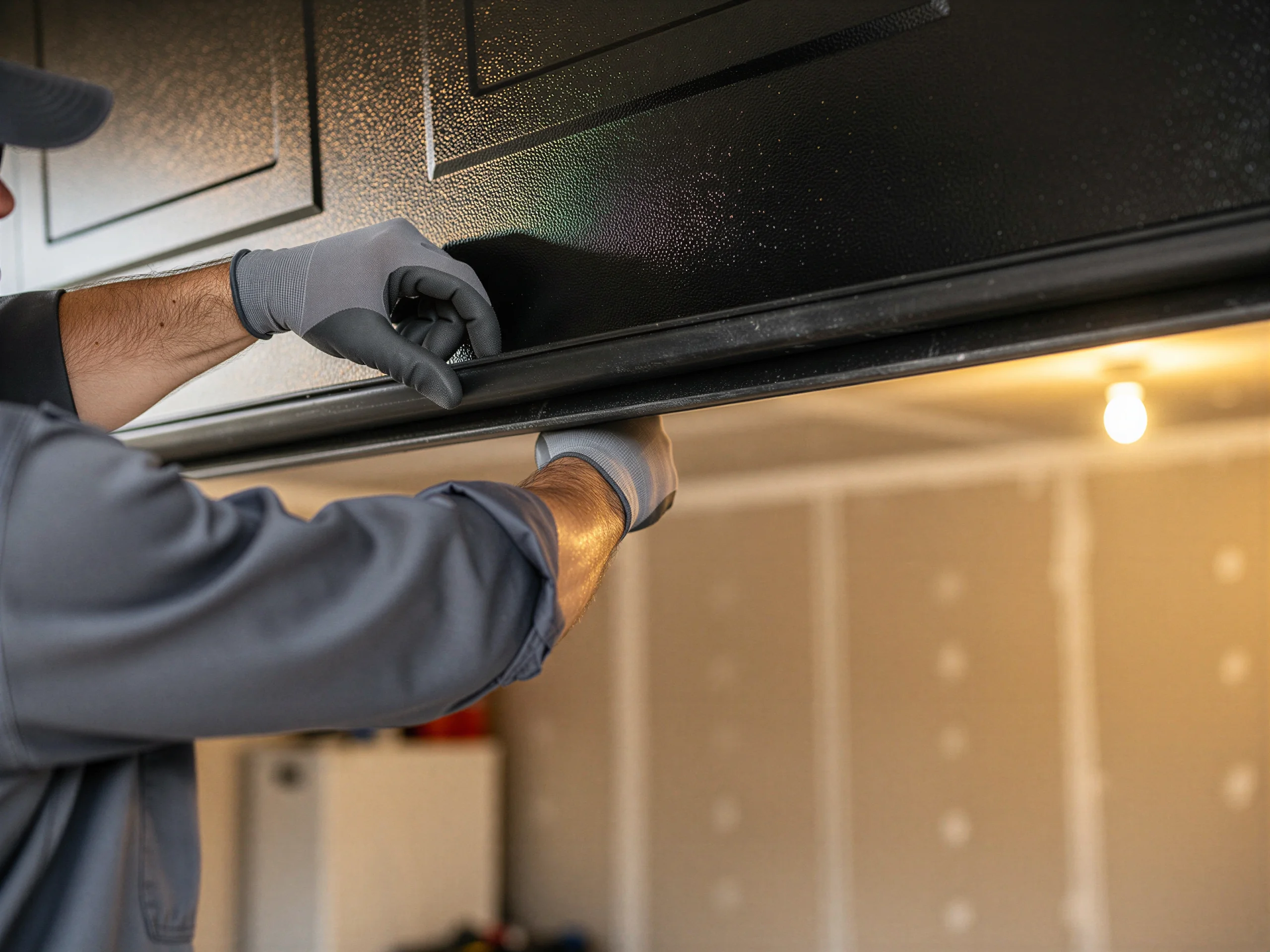
We also see panel rust and rot at the bottom section, particularly on steel doors from the earlier end of that build range that never had a vinyl or composite bottom weatherstrip. None of this is unique to one house - it's the pattern you get when a town's stock skews to a narrow, older era, which Southport's does.
Time on the Job
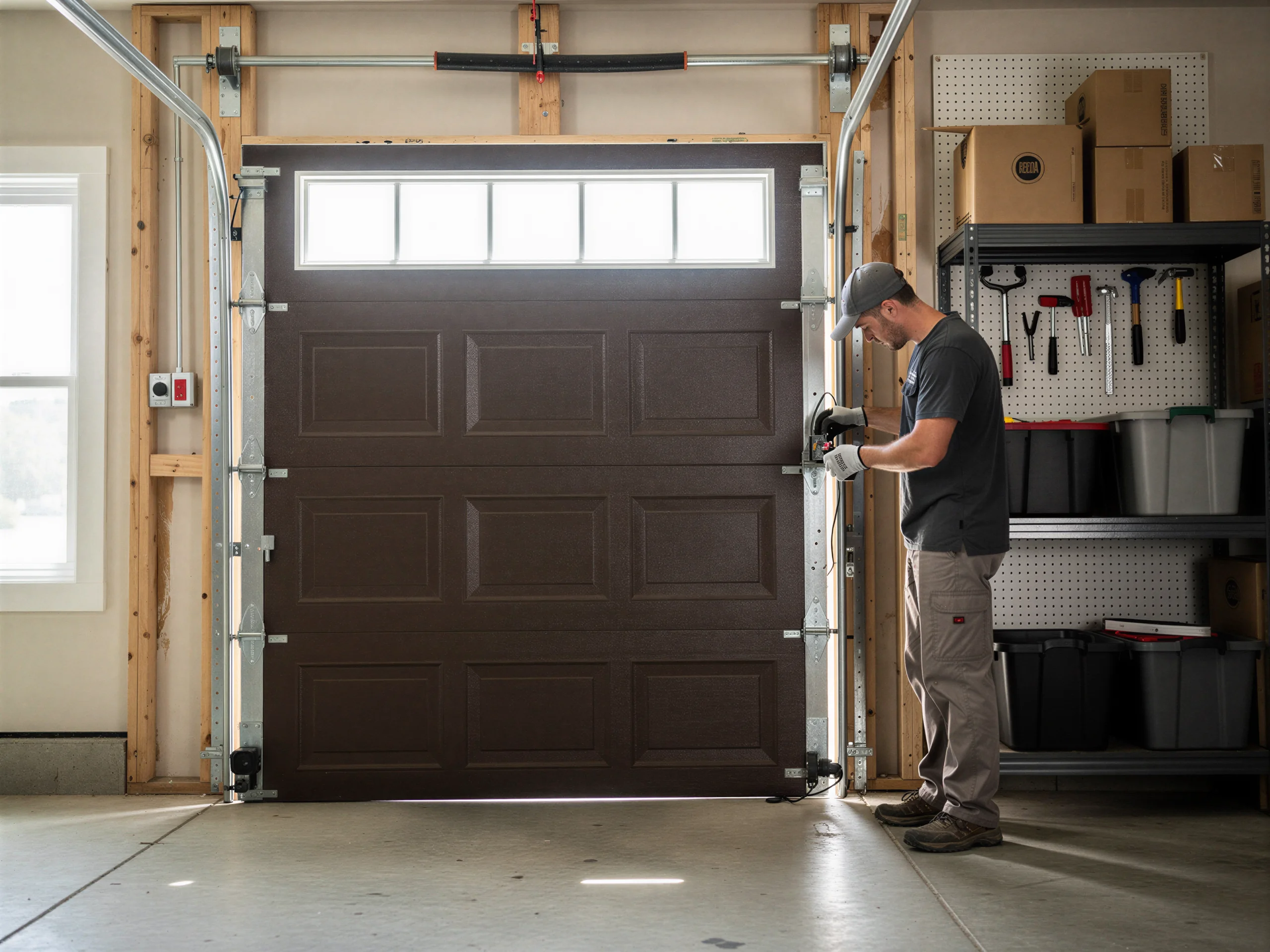
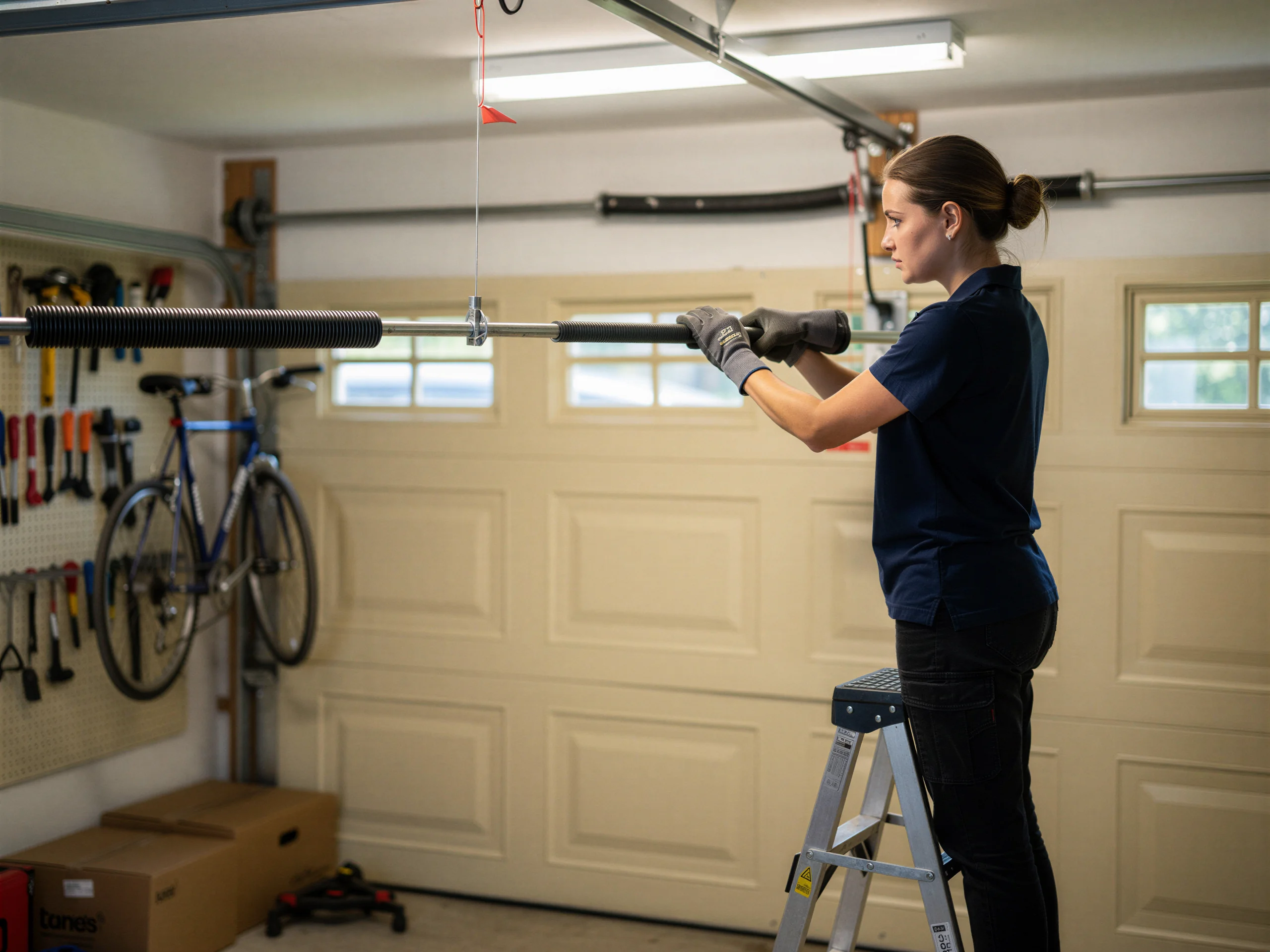
A straightforward torsion spring swap on a double door, which is the most common call from houses in this build era, usually runs about the length of a standard service visit - enough time to pull the old spring, set the new one to the right wind, and run the door through a full cycle to check balance.
Blocking adds opener time
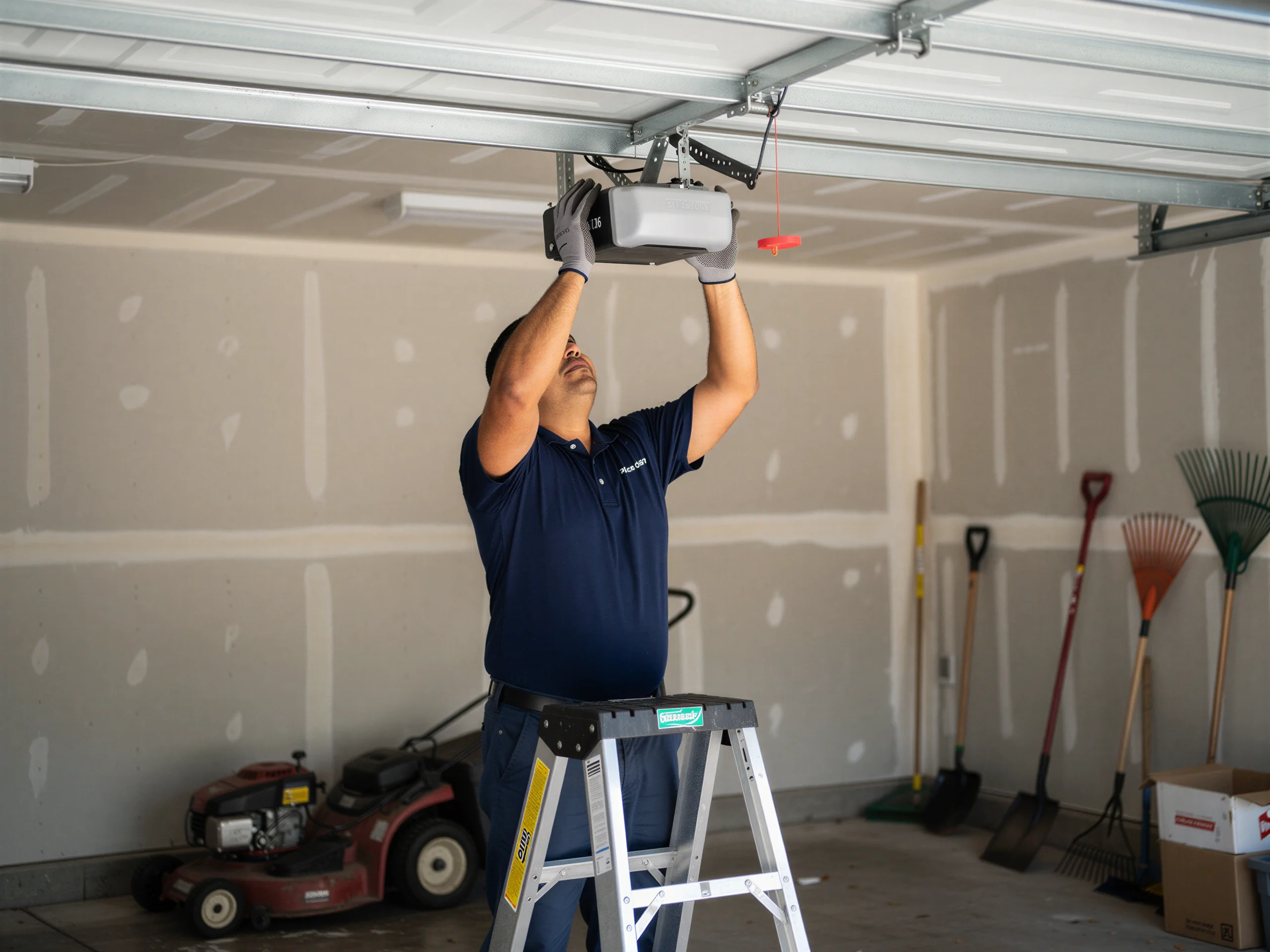
Opener replacements or track realignments on older framing take longer, since houses from the 1954-1984 window weren't always framed to current opener mounting standards, and a tech sometimes has to add blocking before the unit goes up.
Spring work takes time
We won't rush a spring job. Setting torsion tension wrong on an old drum is how fingers get hurt and doors get dropped, so the time it takes is the time it takes.
Pausing when scope grows
If a job runs past the estimate because the hardware underneath is worse than it looked from outside, we'll stop and tell you before going further, not bill through it silently.
What Causes It Around Here
The one number that sets Southport apart from a lot of towns on this route is how small and tight the housing pocket is - 734 households in an area of 141,171 - sitting right at the service area's doorstep, a mile from Fairfield. That proximity doesn't change the hardware, but it does mean the houses here were largely built in the same window, with less of the later infill you'd see farther out.
Median household income here runs $156,750, a bit under the wider service area's $162,079, which tends to show up less in the doors themselves and more in timing - owners here are a little more likely to ride a slow spring or a sticking track until it fails outright rather than replace early.
Combine that with a build era centered on 1966 and a climate band on the severe end of cold, and the failure pattern is consistent: original torsion hardware, decades of thermal cycling, and openers added on later that were never matched to the original framing.
Talk to a local pro
Garage door service in Fairfield?
Same-day service with honest, upfront quotes.