What Is on the Truck
Southport is a small pocket of the area we cover - about 734 households, not a sprawling grid where every block has a different build decade.
Sizes matched to era
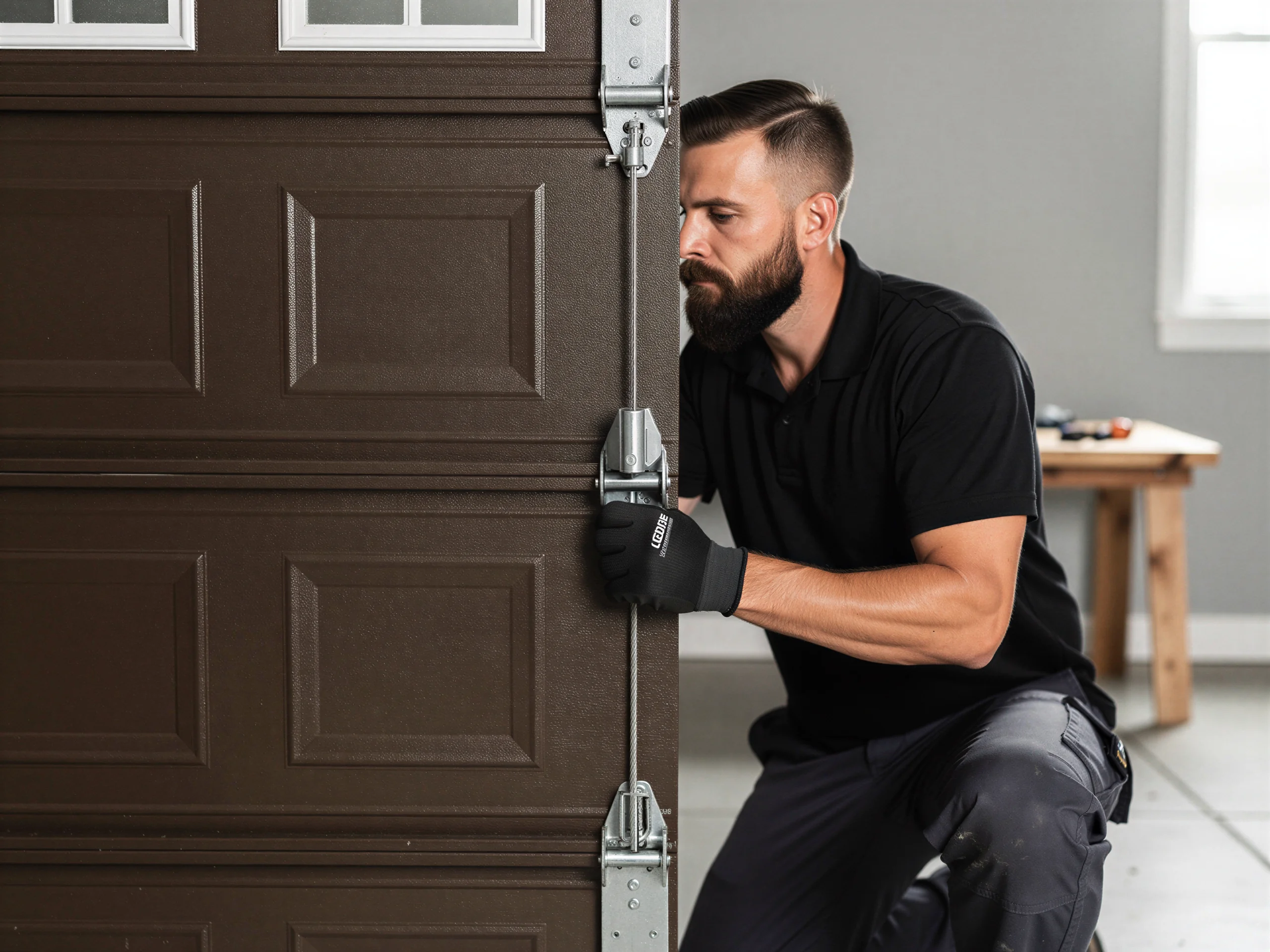
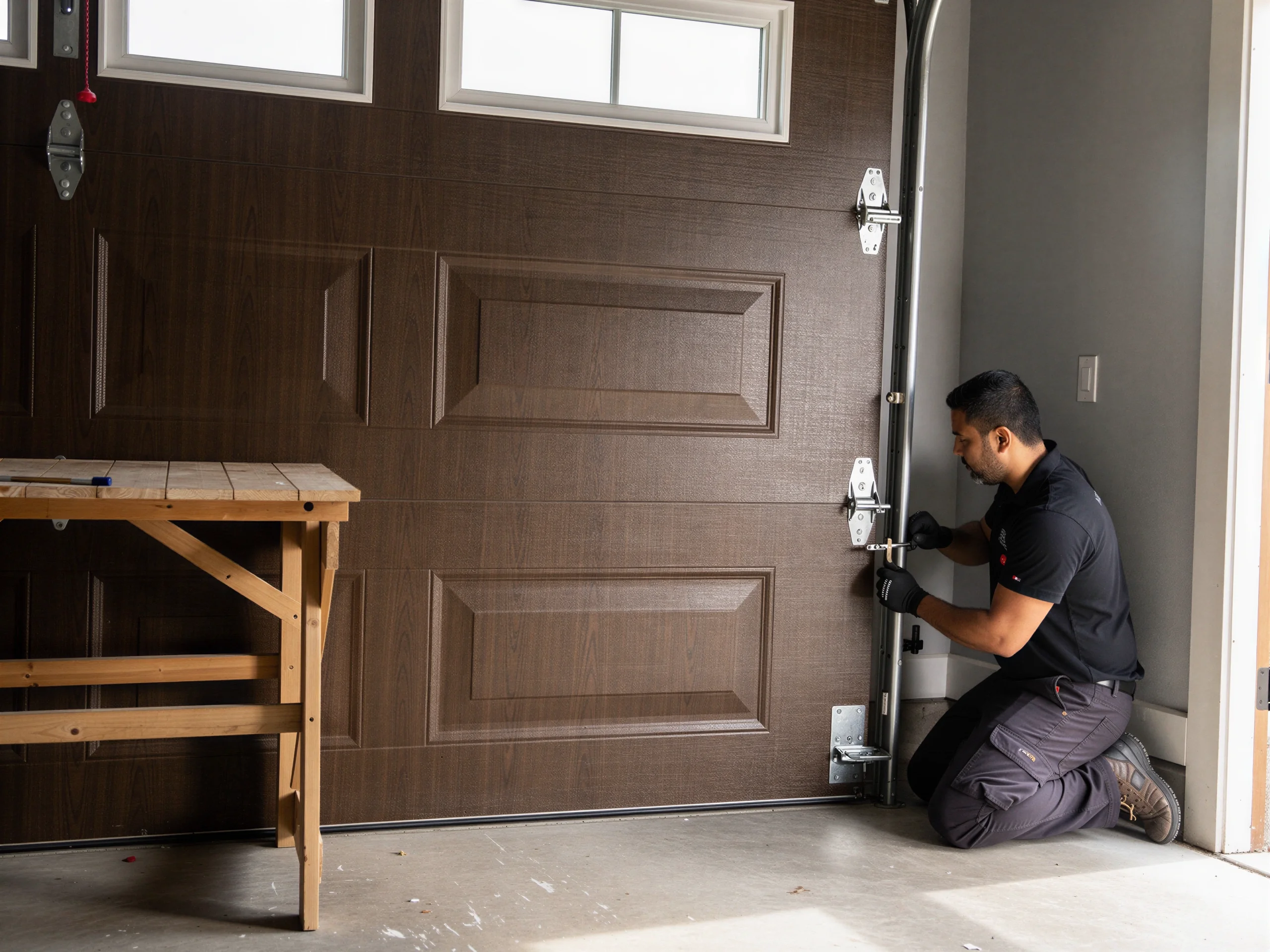
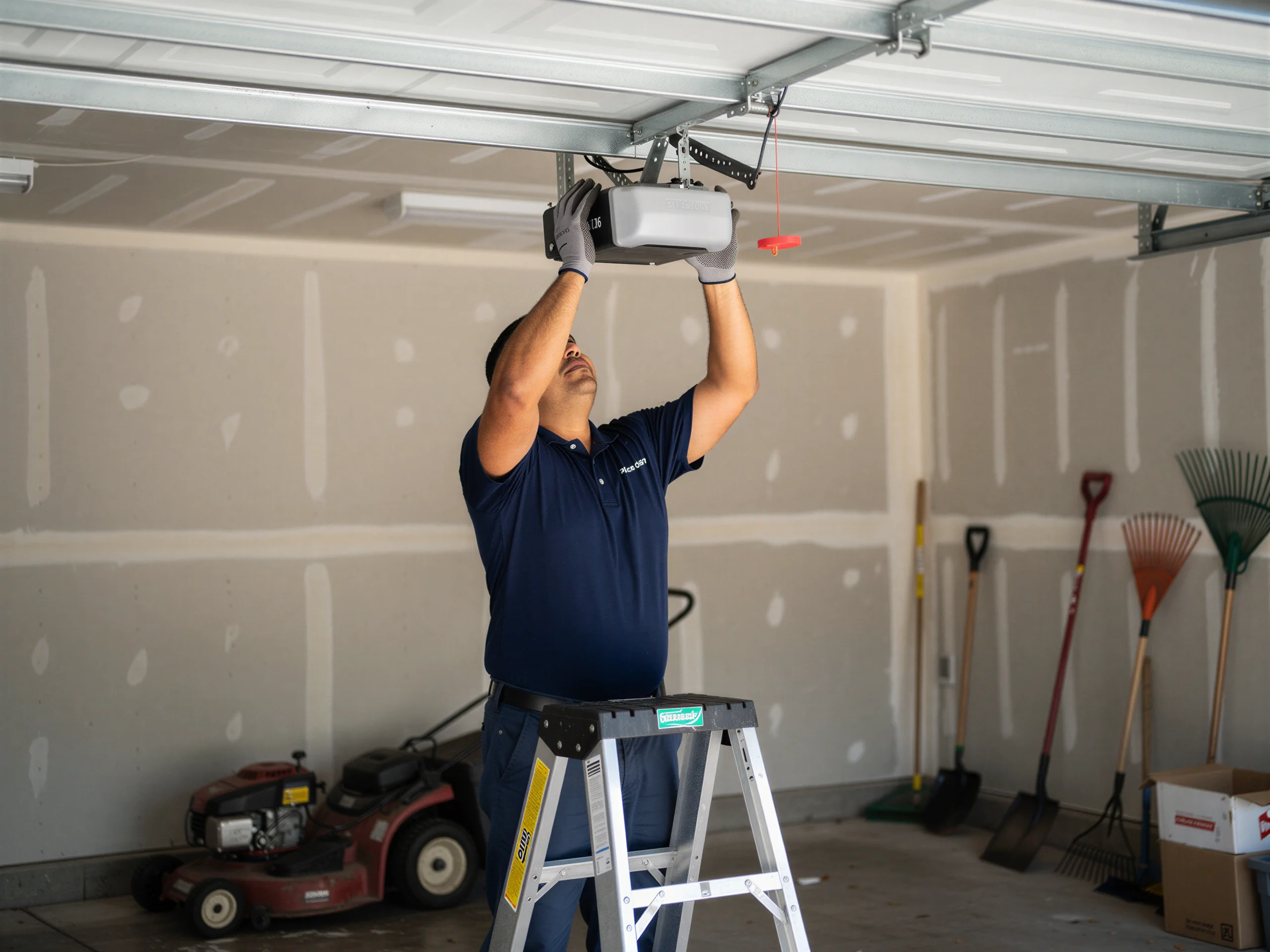
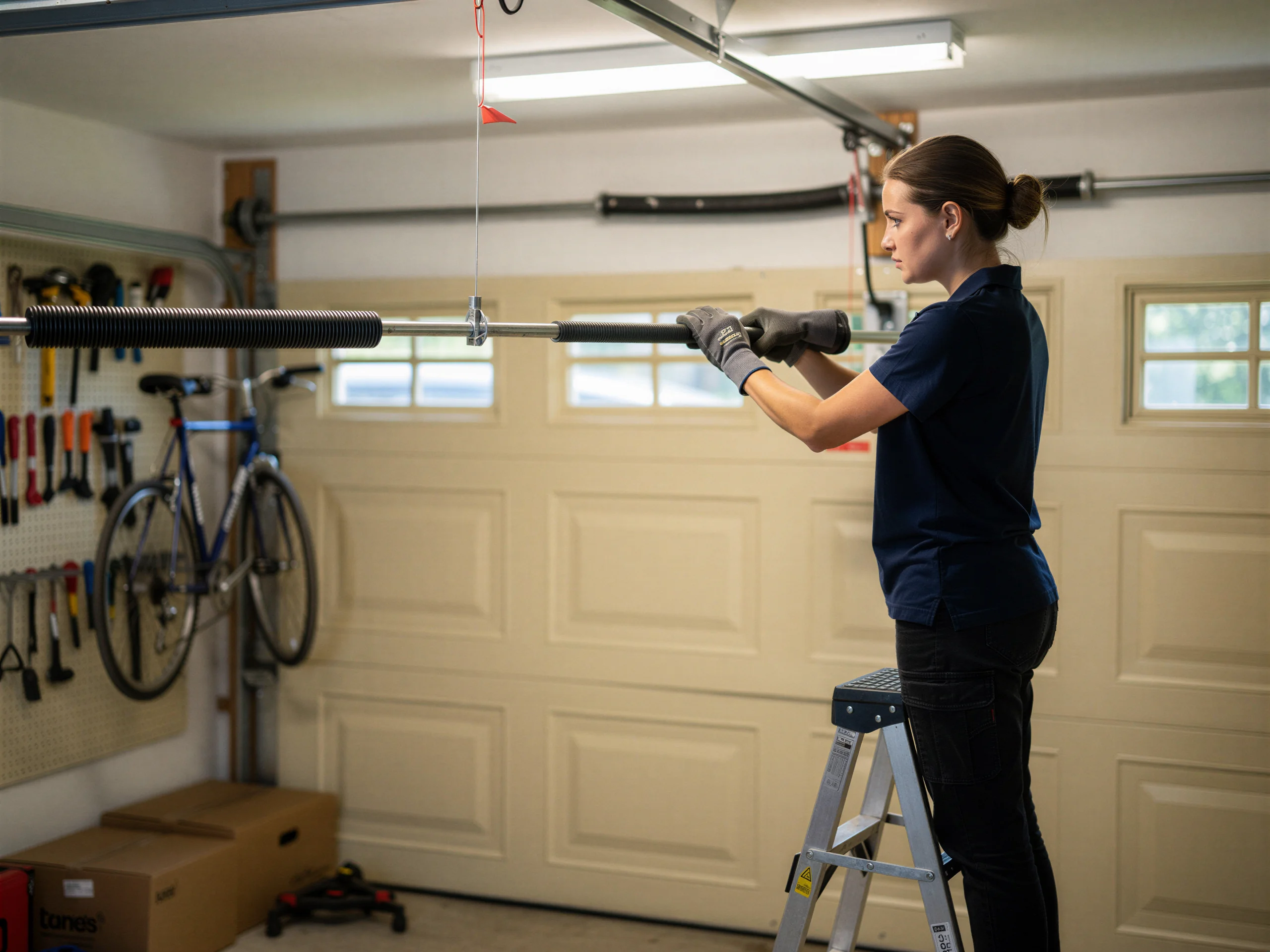
That matters for what rides in the truck. Because most homes here went up close to 1966, we load the torsion and extension spring sizes that fit that era's doors, not the lighter-gauge stock that newer builds in other parts of the service area use. A tech headed to Southport carries a narrower, more predictable range of spring wire sizes, end bearing plates, and drums than one headed somewhere with mixed-era housing.
Broader range for upgrades
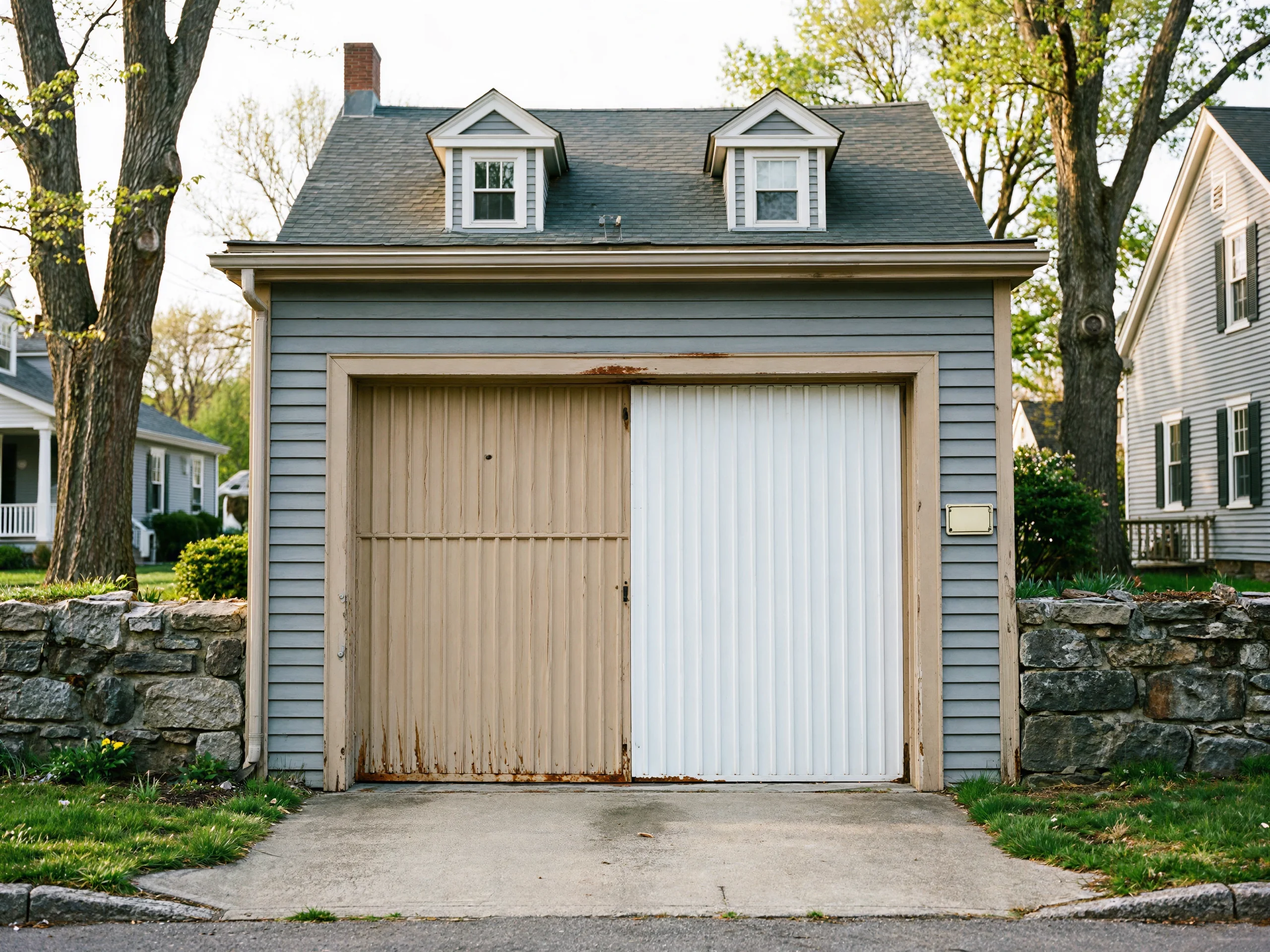
That's less guessing on the driveway and fewer trips back for the right part. We still carry the broader range for the occasional door that's been replaced or upgraded since the original build, because not every house on a given street has aged the same way - some have had the door swapped out, some haven't.
Unusual sizes need ordering
The limitation worth saying plainly: if a spring size turns out to be unusual or discontinued, that part may need to be ordered, and the job won't finish in one visit. We'll tell you that at the door, not after we've opened it up.
Booking a Visit
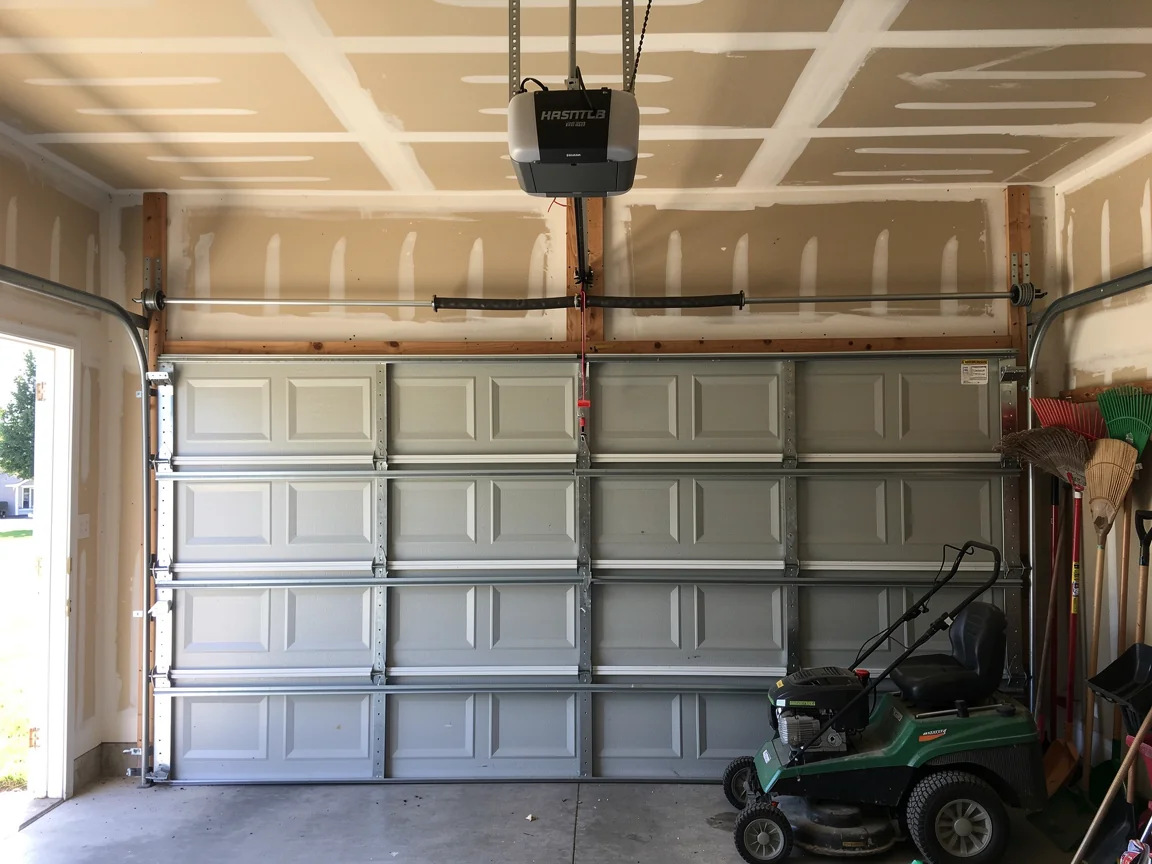
We run out of Fairfield, about a mile from Southport, so there's no long drive built into getting someone out to you. Booking works the same as anywhere else we serve from that shop: you call, describe what the door is doing - won't open, dropped on one side, loud bang followed by the door going dead - and we bring parts sized for what houses here typically run. We don't have a branch or drop box in Southport itself, and we're not going to pretend otherwise. The truck comes from Fairfield every time. What we can do is size the job correctly before we arrive, because a 734-household area with a housing stock concentrated around one decade gives us a good guess at what spring is on your door before we see it. That cuts down on the back-and-forth of a tech showing up, diagnosing, and leaving to get the right part - though it doesn't eliminate it entirely, especially on doors that have been modified or replaced since the house was built.
What Can Go Wrong
The spring failures we see on Southport's older stock follow a pattern. Torsion springs on doors from the 1960s and 70s run on hardware that wasn't built with today's cycle counts in mind - the doors go up and down more often now than when the house was new, and the springs show it.
Torsion snap announcements
A snapped torsion spring usually announces itself with a loud bang and a door that won't budge, or budges on one side only if it's a two-spring setup and just one let go.
Quiet extension failures
Extension springs, more common on older single-car doors in this stretch, tend to fail quieter - a fraying cable, a stretched coil, a door that gets heavier to lift by hand each week until it won't lift at all.
Galvanizing rust concerns
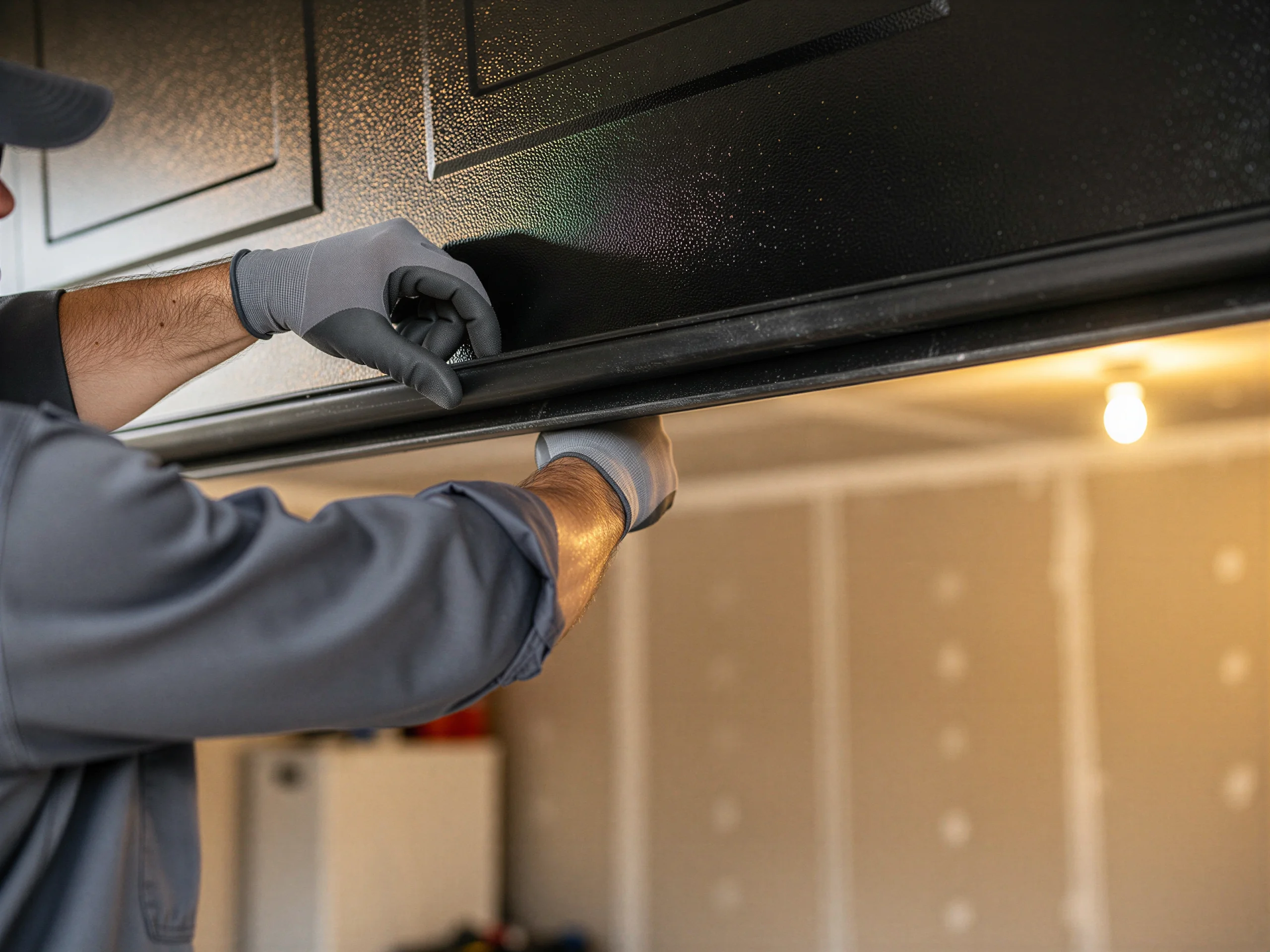
Rust is a factor too, given the age of the galvanizing on some of this original hardware. What we won't do is replace a spring and ignore a worn cable or a bent track sitting right next to it - fixing one and leaving the other is how you end up calling again in a month.
Time on the Job
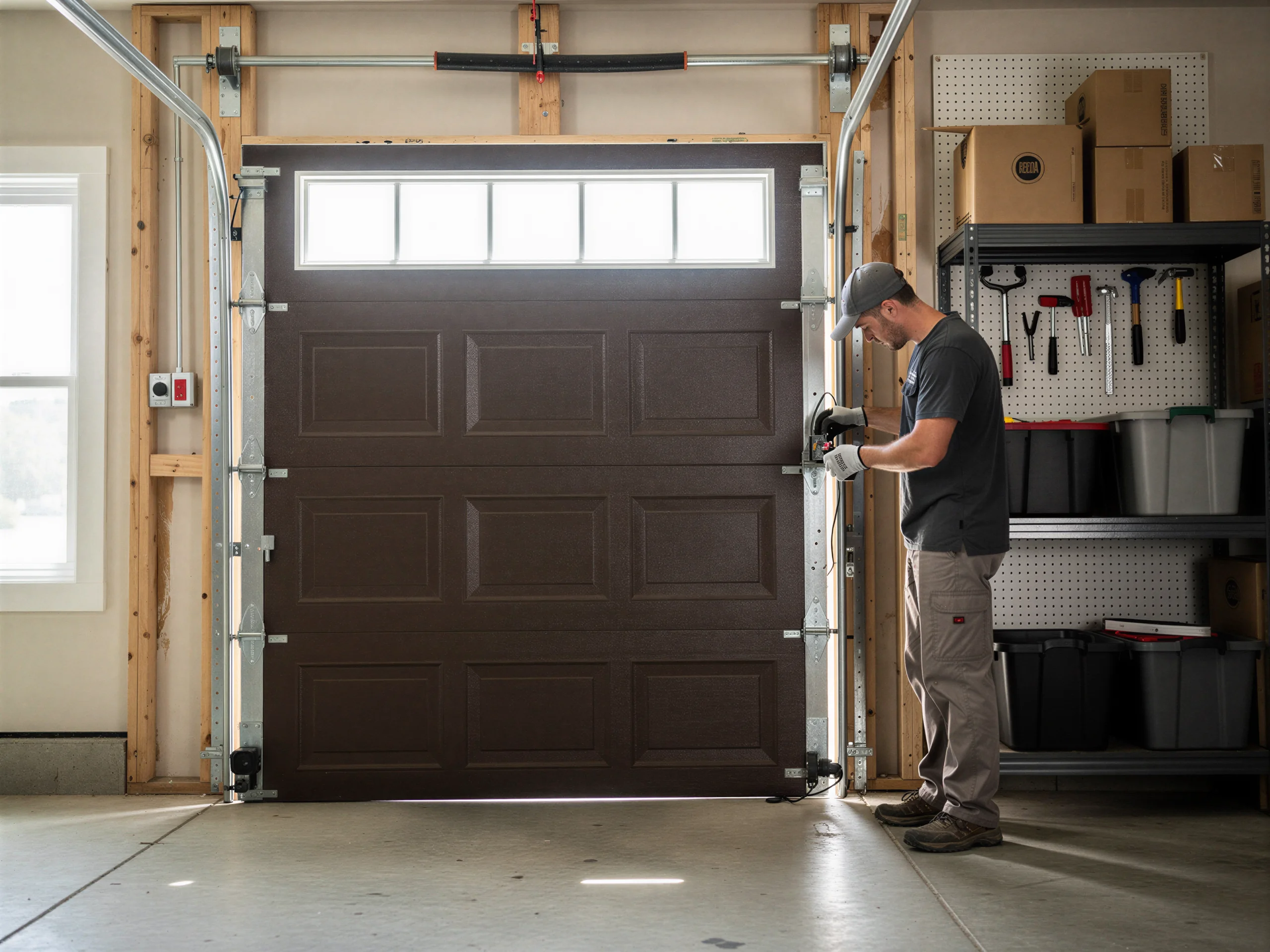
A straightforward torsion spring swap on a door from this era, where the hardware is original or close to it, generally fits inside a single visit.
No number without details
We're not going to put a number on it here, because the honest answer depends on what's on your specific door - whether it's one spring or two, whether the drums and cables need replacing alongside it, whether the bearing plates are rusted enough to need swapping too.
Predictable known hardware
What we can say is that the age concentration in Southport, mostly homes from around 1966, means we're usually dealing with a known category of hardware rather than something unusual. That predictability helps on the clock.
Mixed parts add time
What doesn't help is a door that's had a mix of original and replacement parts installed over the decades - if a previous repair used a spring that doesn't match the rest of the system, that can add time to get it balanced correctly. We'd rather tell you that up front than let the job run long without explanation.
What Causes It Around Here
Spring wear is mostly a function of two things: age of the hardware and number of cycles, and Southport's housing stock gives us a pretty clear answer on the first one. Homes built around 1966 are now running springs that, even if replaced once since, are working through steel and coil designs that predate a lot of the quieter, longer-rated springs sold today. Add in a winter climate that falls into the same severe-cold band as the rest of the region we serve - cold makes steel more brittle and more likely to snap rather than just loosen - and you get a predictable failure pattern concentrated in the colder months. Household income here runs around $156,750, a bit below the wider service area's median of about $162,079, though both are well into the range where homeowners tend to fix a failed spring properly rather than patch it. We don't see much reason for springs to fail early here beyond age and weather - this isn't an area with unusual humidity or salt exposure that we have good data on, so we won't claim one.
Talk to a local pro
Garage door service in Fairfield?
Same-day service with honest, upfront quotes.