What Is on the Truck
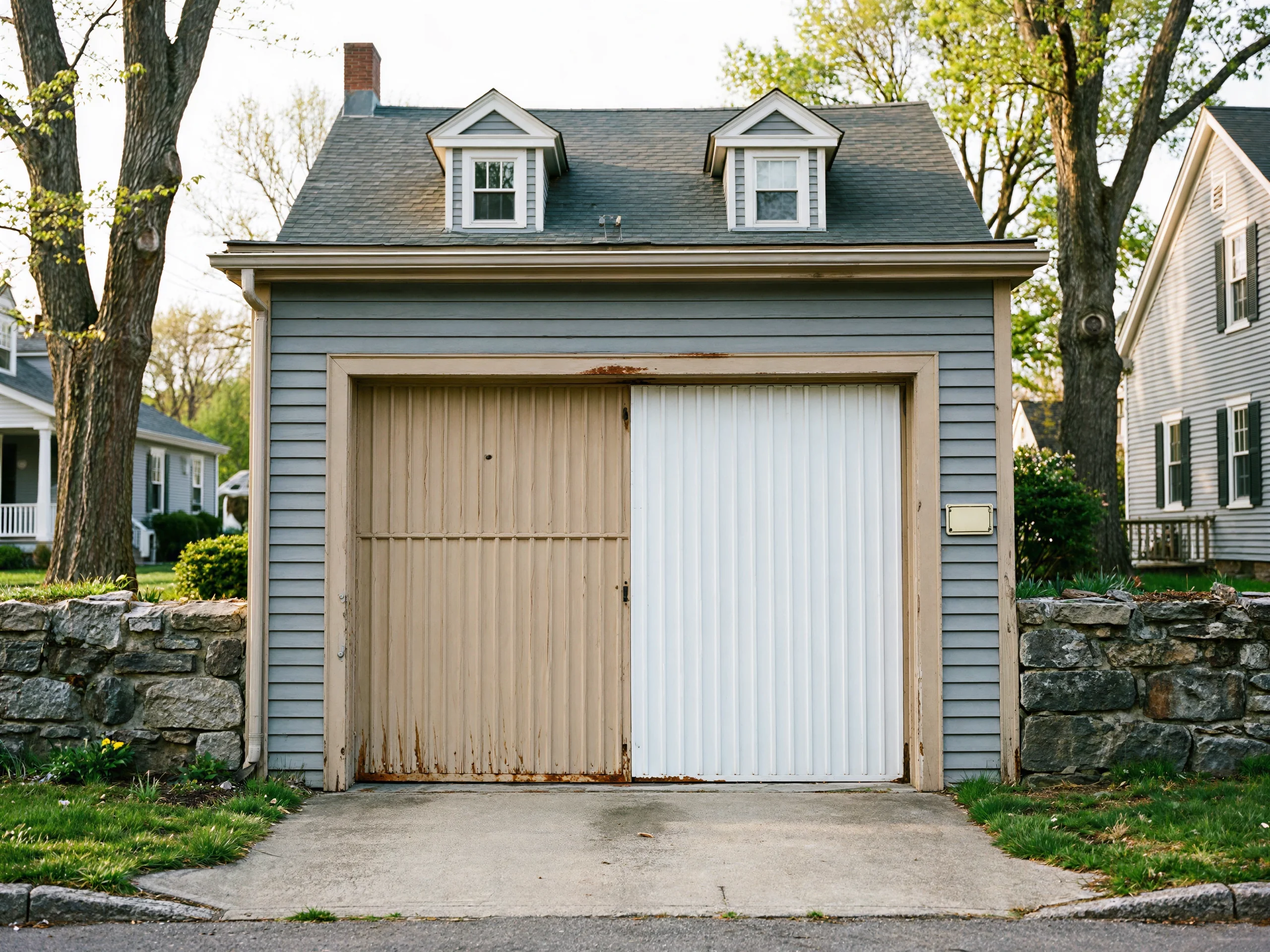
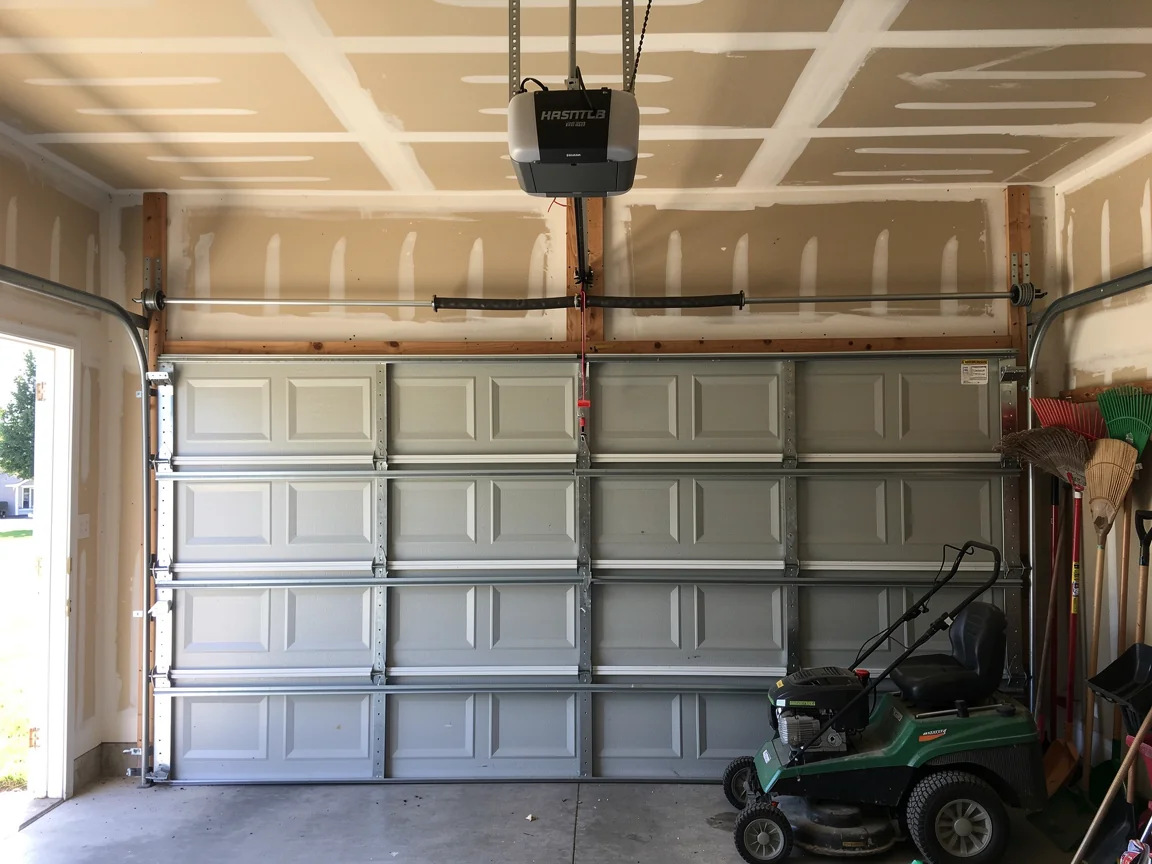
Start with the door itself. Southport's housing runs older than a lot of the county, with a median build year of 1966, which means a good share of the garage doors out here are still wood sectional panels or early steel, hung on extension springs that run along the horizontal track instead of a torsion bar overhead.
Extension sets and cable
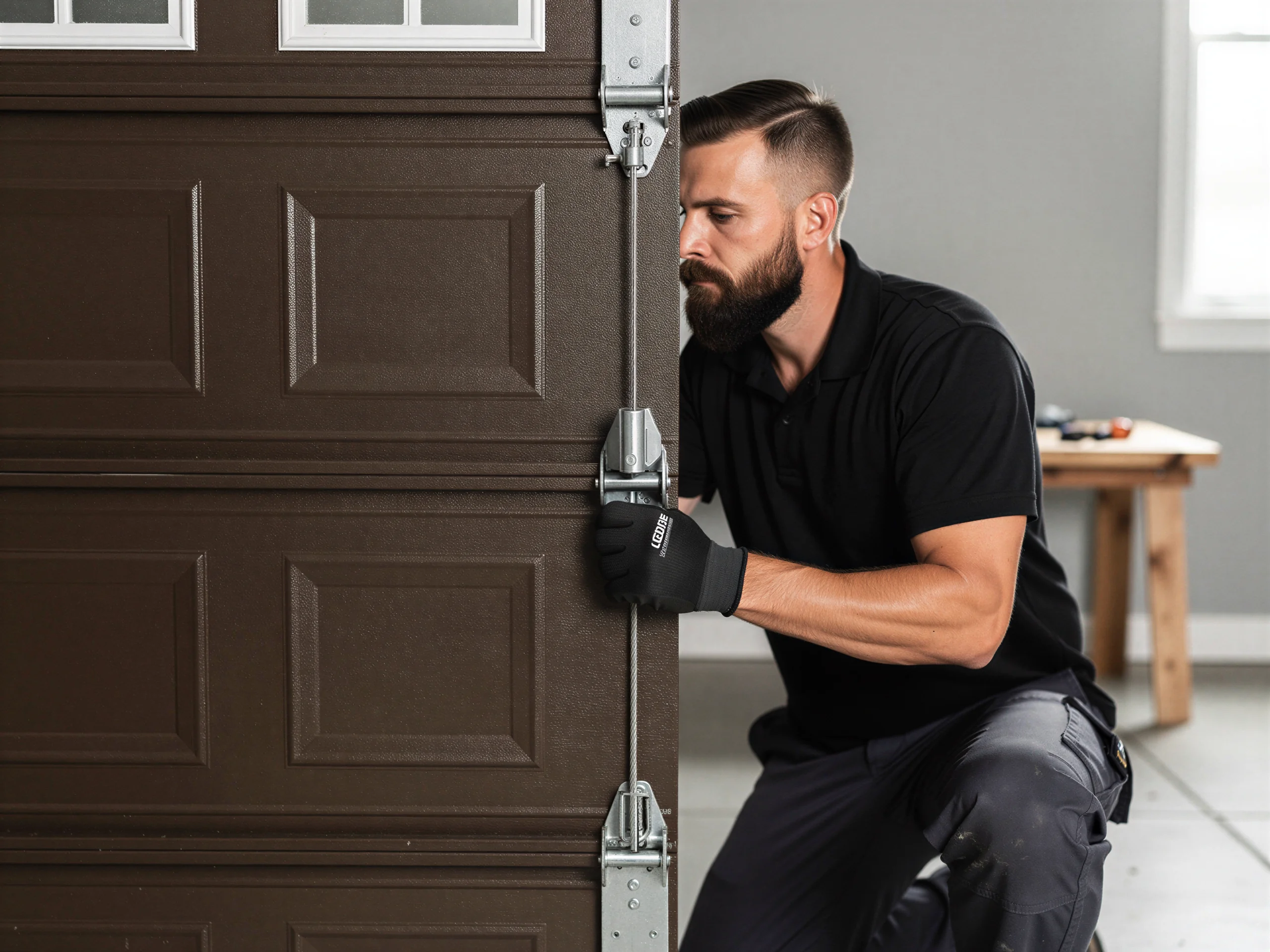
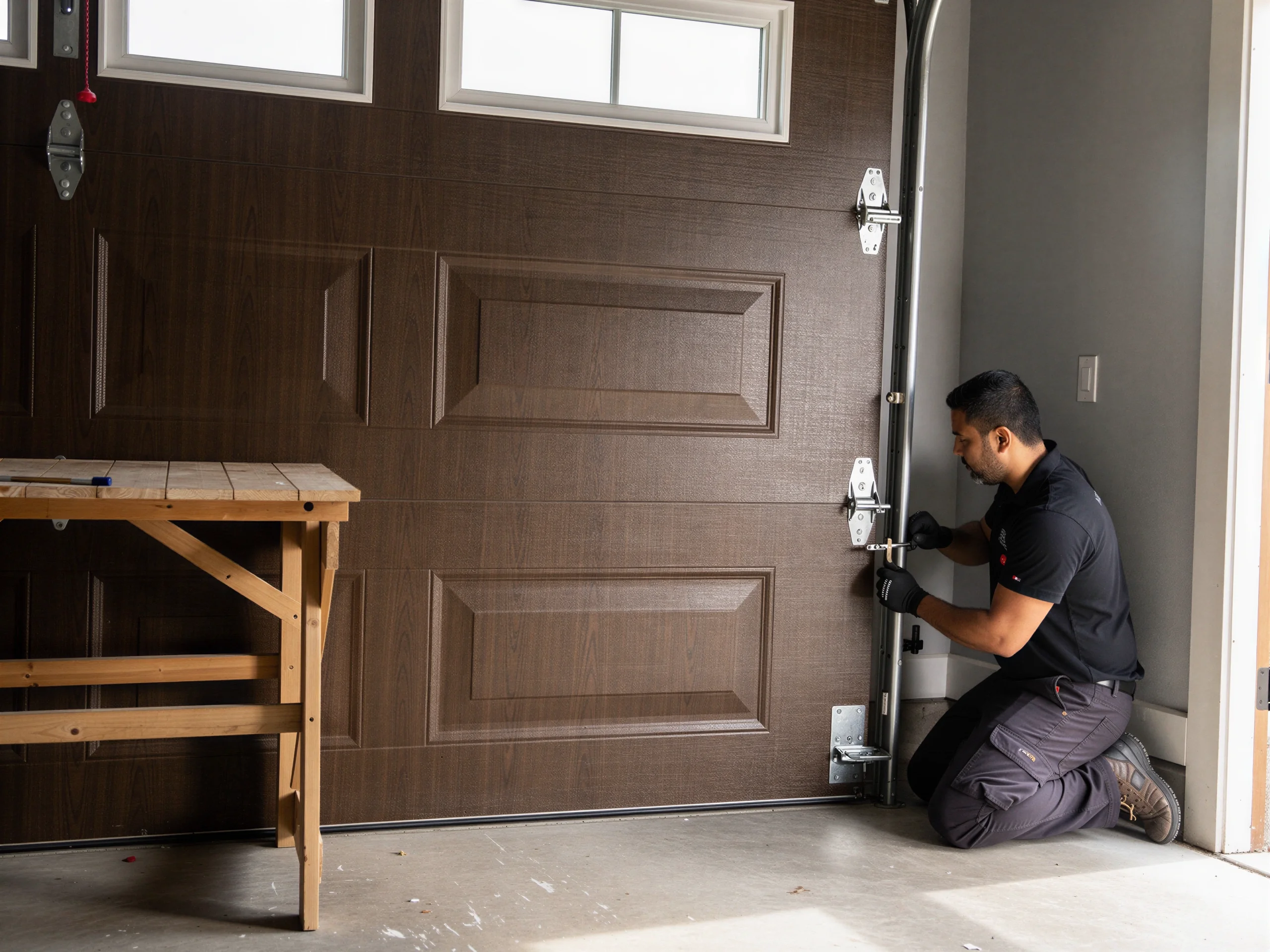
That changes what we bring. For these doors we carry extension spring sets in the common sizes, galvanized lift cable, steel rollers that haven't gone to nylon yet because the track geometry on an original 1960s door doesn't always take them, and a cold-rated lubricant that won't gum up once temperatures drop.
Single-bay weatherstrip stock
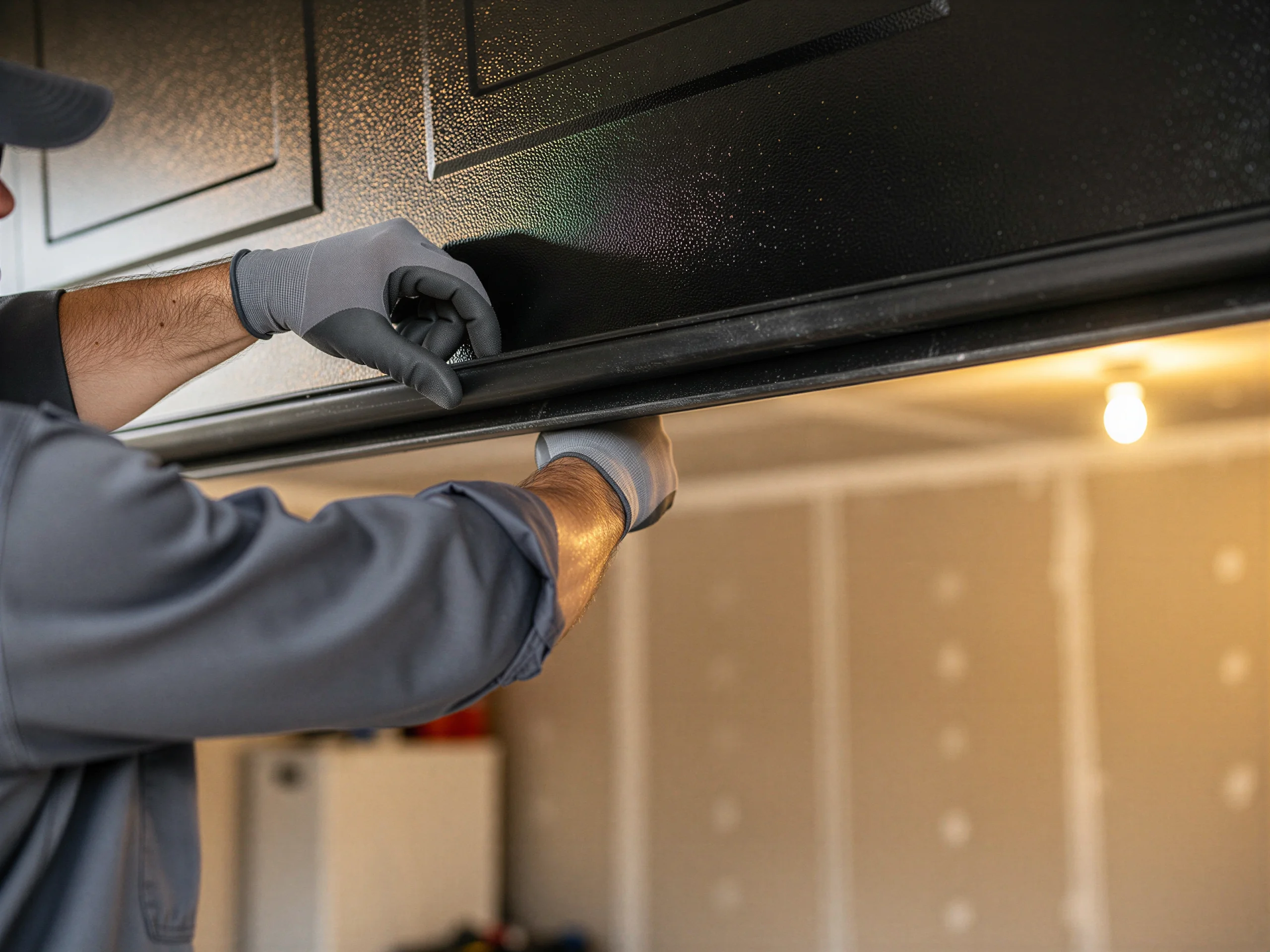
We also carry replacement weatherstrip cut for single-car openings, since a lot of the lots in this part of the service area were built with a single bay rather than the two-car layout that came later.
No modern tall-door kits
What we don't carry is a stock torsion spring kit sized for a modern 16-foot double door - if a house out here has been upgraded to one, we order that piece rather than guess at it off the truck.
Booking a Visit
We run out of Fairfield, about a mile up the road, so there's no branch or drop box in Southport itself - just a short drive over when you call.
Book ahead, small town
With roughly 734 households in Southport, it isn't a stop we're making in volume the way we do in some of the denser sections of the service area, so it helps to book ahead rather than expect a same-day fit.
House age on call
When you call, tell us the rough age of the house if you know it; on a street of 1960s builds that single detail tells us more about what's likely wrong with the door than the symptom does.
Coverage and maintenance pages
You can see where Southport sits inside our coverage on the coverage page, and if what you're after is a repair rather than a maintenance visit, the Fairfield maintenance page covers the broader service, not just this town.
What Can Go Wrong
On a door built around 1966, the failures are predictable. Extension springs stretched daily for close to sixty years lose tension unevenly, which shows up as a door that drags on one side or slams the last foot of travel.
Swelling wood panels
Wood panels on original doors swell in damp months and bind against the track, and the galvanized coating on older lift cable wears thin at the pulley long before the cable itself looks frayed.
Hidden rust under paint
Steel doors from the same era, if they've been repainted over the years, often hide rust at the bottom panel where water sat against the stop. None of this is dramatic - it's slow wear on hardware that was never meant to last this many decades without a swap.
No exact original parts
The honest limit here: if a spring or cable on a door this old has already failed, we don't try to match the exact original part. Original 1960s hardware sizing isn't something suppliers stock, so the fix is a modern equivalent sized to the same door, not a restoration.
Time on the Job
A maintenance visit on one of these older doors runs long on inspection and short on parts swapping, because the point is to catch what's wearing before it breaks.
Tension, cable, track checks
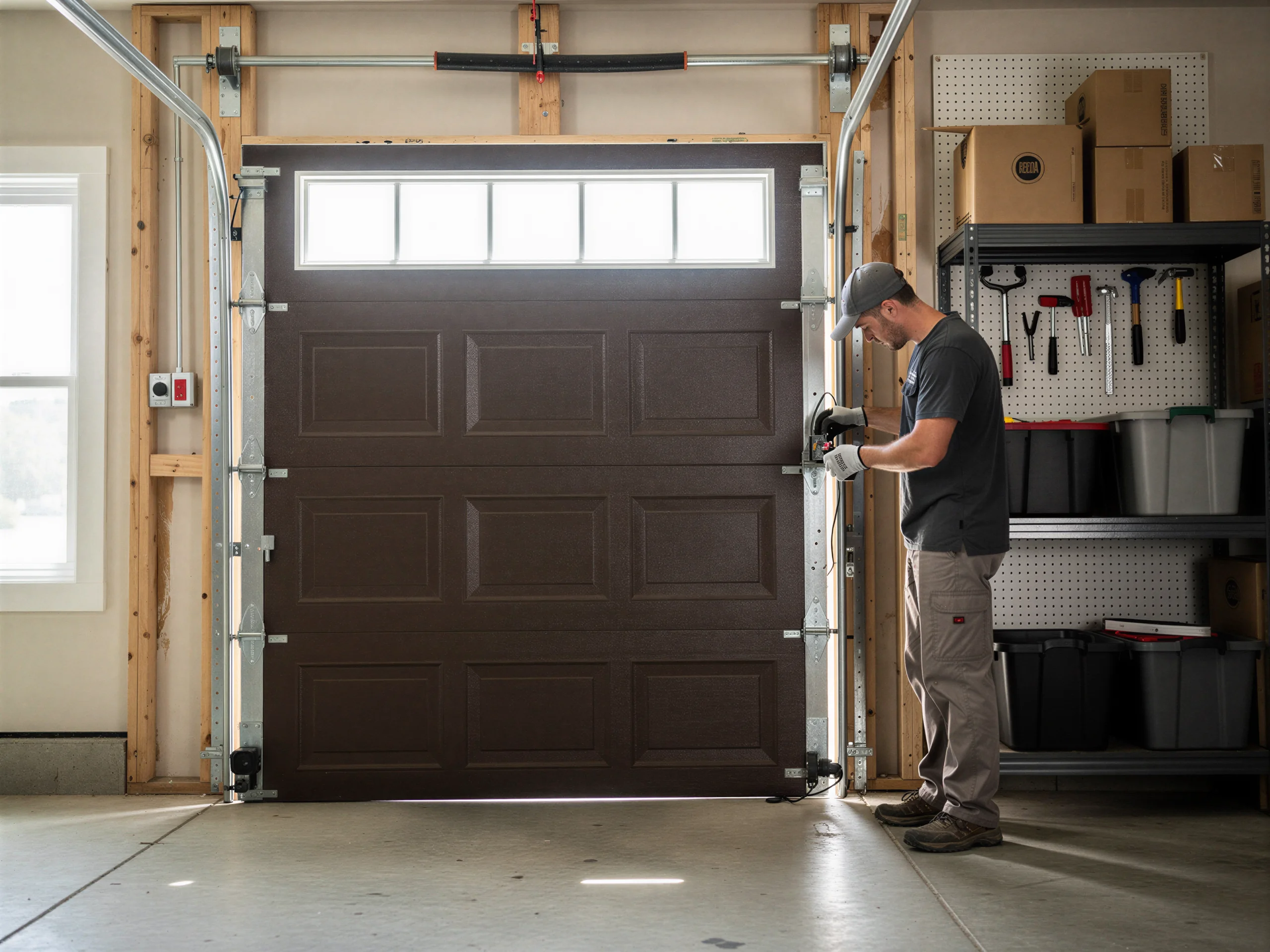
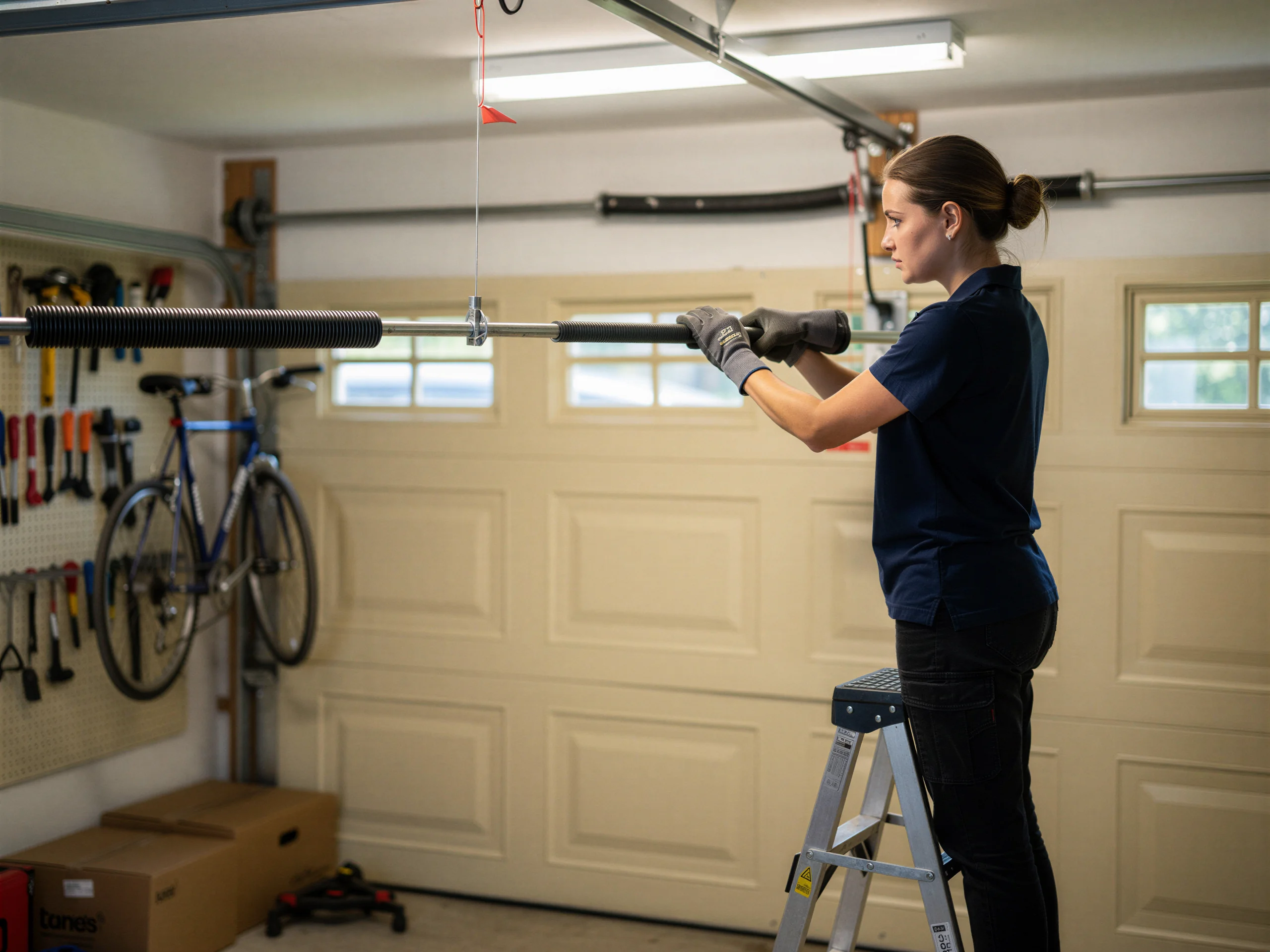
We check spring tension against the door's actual weight - heavier on a solid wood panel door than most people expect - look at cable fraying near the drum, and run the track for binding that wood swelling can cause even when the opener still sounds fine.
Lubricating every joint
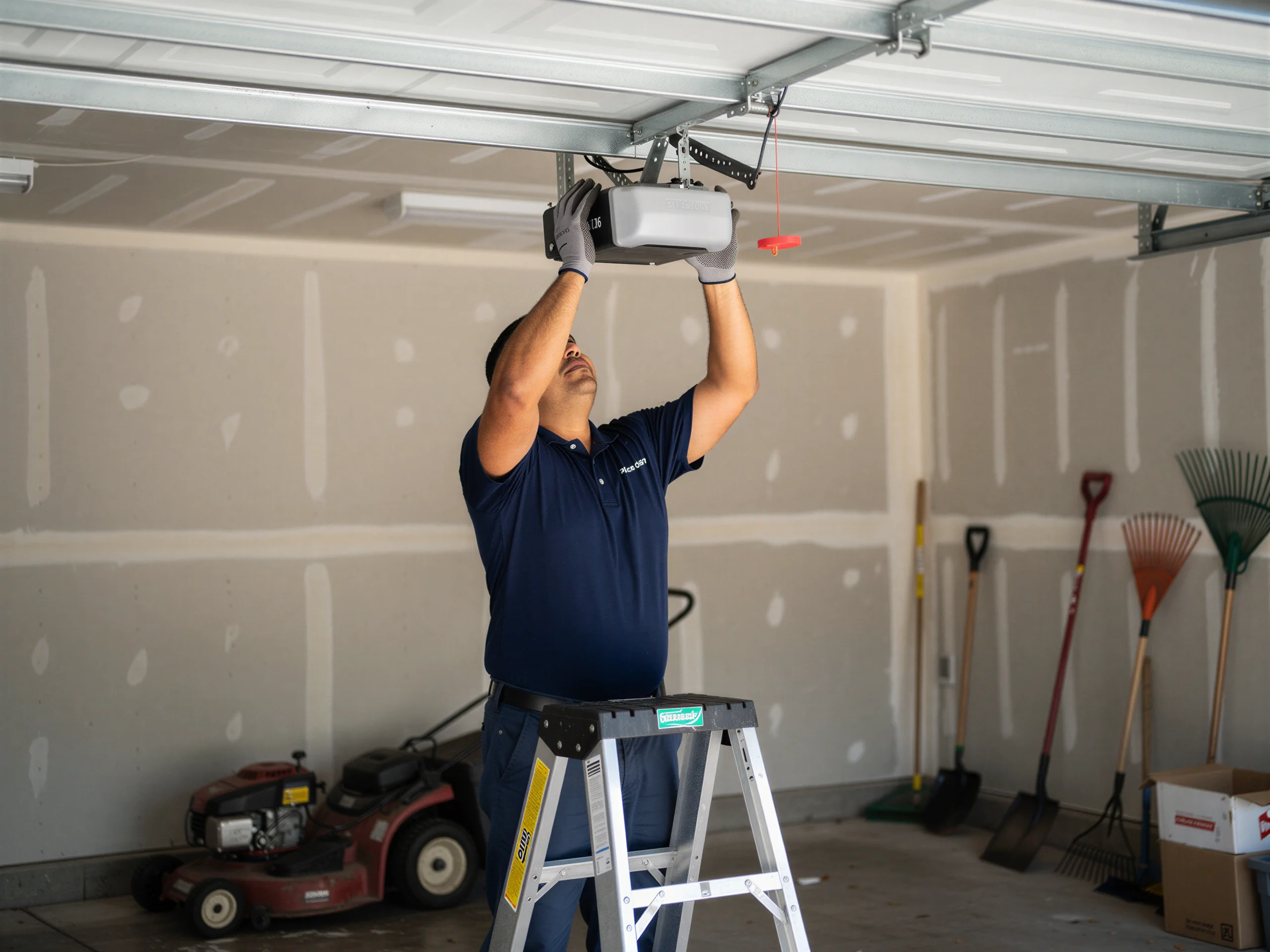
Lubrication gets attention on every moving joint, not just the track, since cold-weather maintenance on a 1960s door is mostly about keeping original hardware moving rather than upgrading it. If the opener itself is original to the house, we'll flag it, but swapping it out is a separate conversation from a maintenance call.
Rare return trips
Most visits wrap up without needing a return trip; the exceptions are doors where a spring is close enough to failure that fixing it properly means coming back with the right part rather than forcing a stopgap.
What Causes It Around Here
Southport sits in a severe-cold climate band, and that's the main thing working against hardware this old. Steel contracts in winter, which tightens tolerances on a track that was already cut decades ago for a slightly different door weight, and lubricant that's fine in September can thicken enough by January to slow a door down noticeably. Wood doors move with humidity more than steel ones do, swelling in spring and pulling tight against stops in dry winter air - a cycle that's harder on fasteners than any single storm. None of this is unique to one street or house; it's a function of the building stock's age meeting a climate that doesn't let hardware sit still for long. The service area's median household income runs north of $156,000 here, close to the area median, which doesn't change what a tune-up costs but does mean most owners we see are maintaining a door rather than deferring it until it fails outright.
Talk to a local pro
Garage door service in Fairfield?
Same-day service with honest, upfront quotes.