Booking a Visit
Westport's median household income runs $250,001, well above the $162,079 median across the rest of the service area we cover out of Fairfield. That gap matters more than it sounds: at that income level, a lot of homeowners here skip the patch job and go straight to a new door and opener rather than spend a second call on a 1968 panel that's already dented.
Four-mile truck route
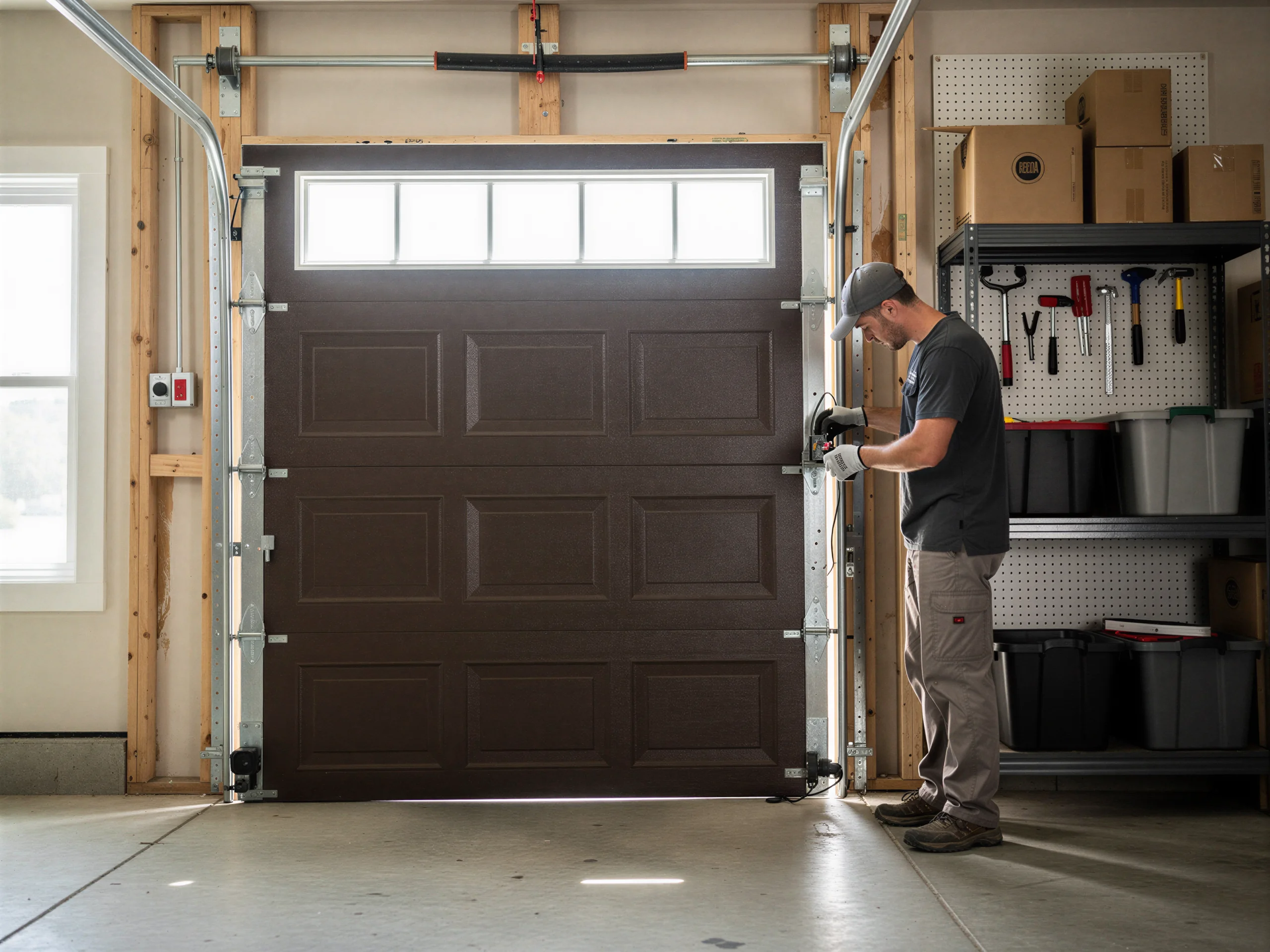
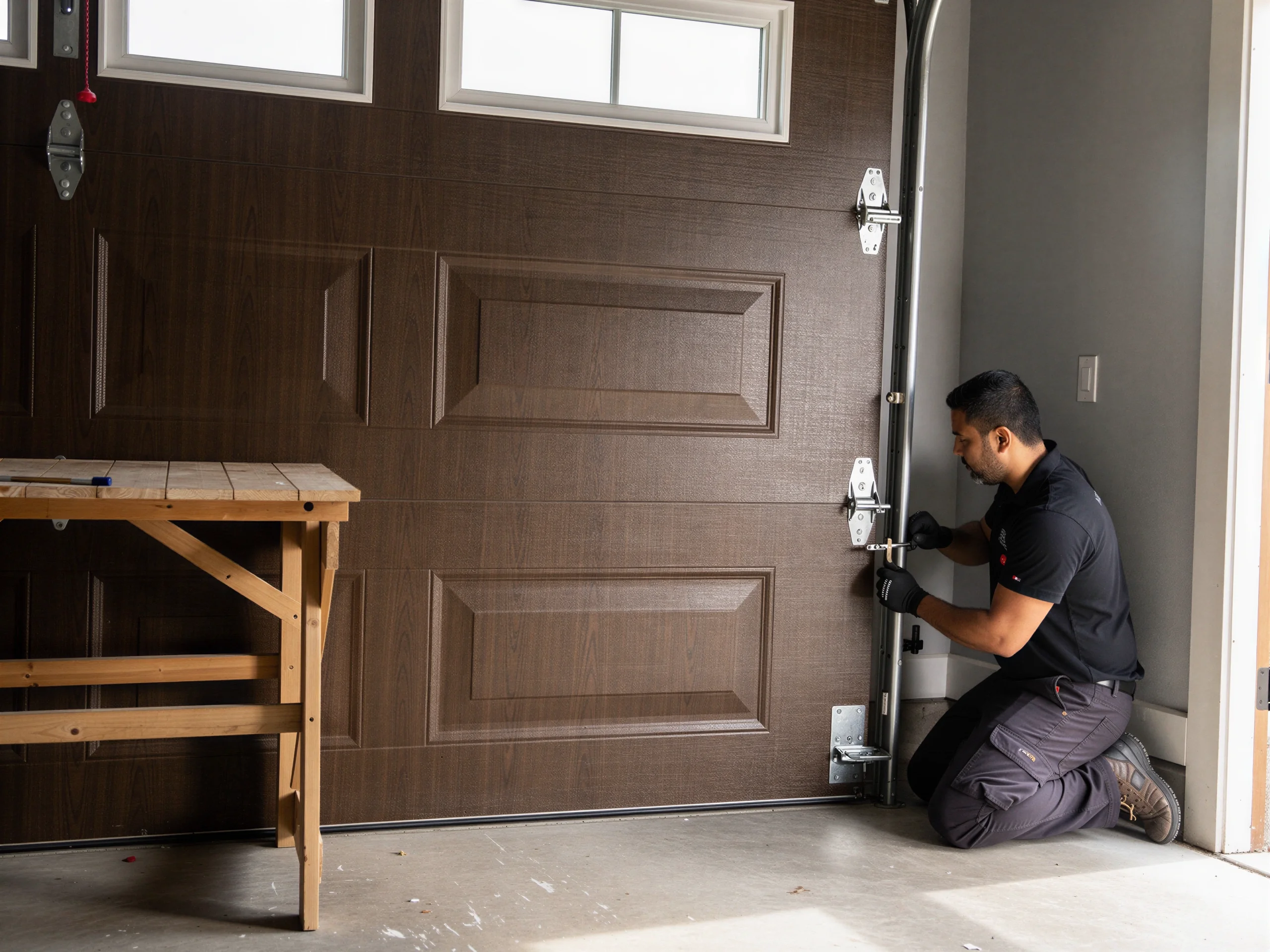
We don't keep a branch in Westport. The truck comes from Fairfield, 4 miles away, which puts this town among the closer stops on the route rather than the far ones. We book the visit, quote the job on the spot once we've seen the spring, track, and opener, and tell you straight if the repair isn't worth doing versus a full swap.
Some parts need ordering
One limit worth knowing up front: certain opener control boards and wide double-door torsion springs aren't something we carry on the truck for every house, so a same-day call can turn into a parts-order call if your hardware is older or oddball.
Checking coverage before booking
We'd rather tell you that before you clear your schedule than after. See the coverage page for towns around Westport, or the main Fairfield repair page for the full list of what we fix.
What Can Go Wrong
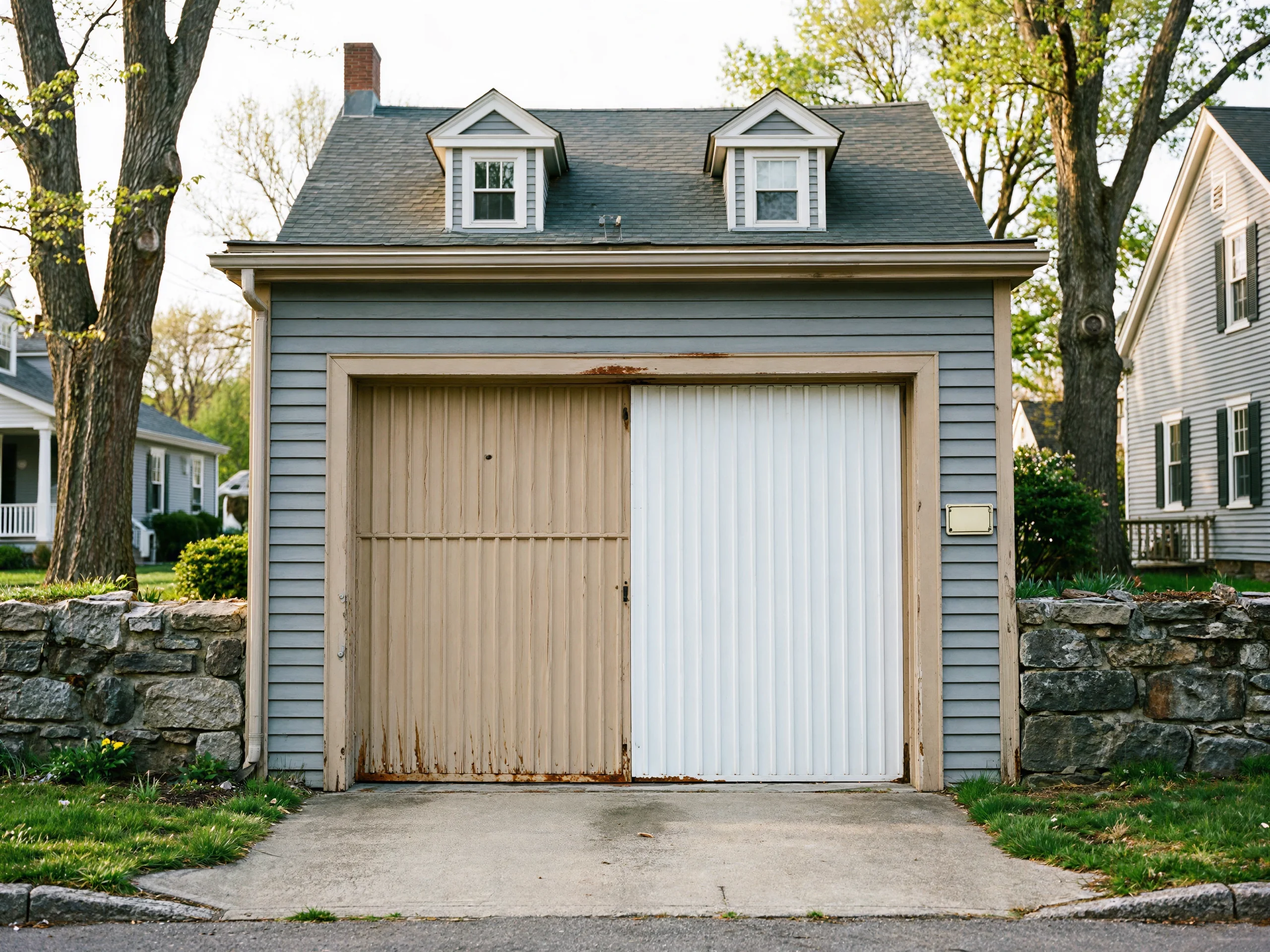
Houses in this part of town mostly went up around 1968, which lands inside the 1954-1984 stretch that produced a lot of the region's original torsion-spring doors on steel track.
Predictable failure spots
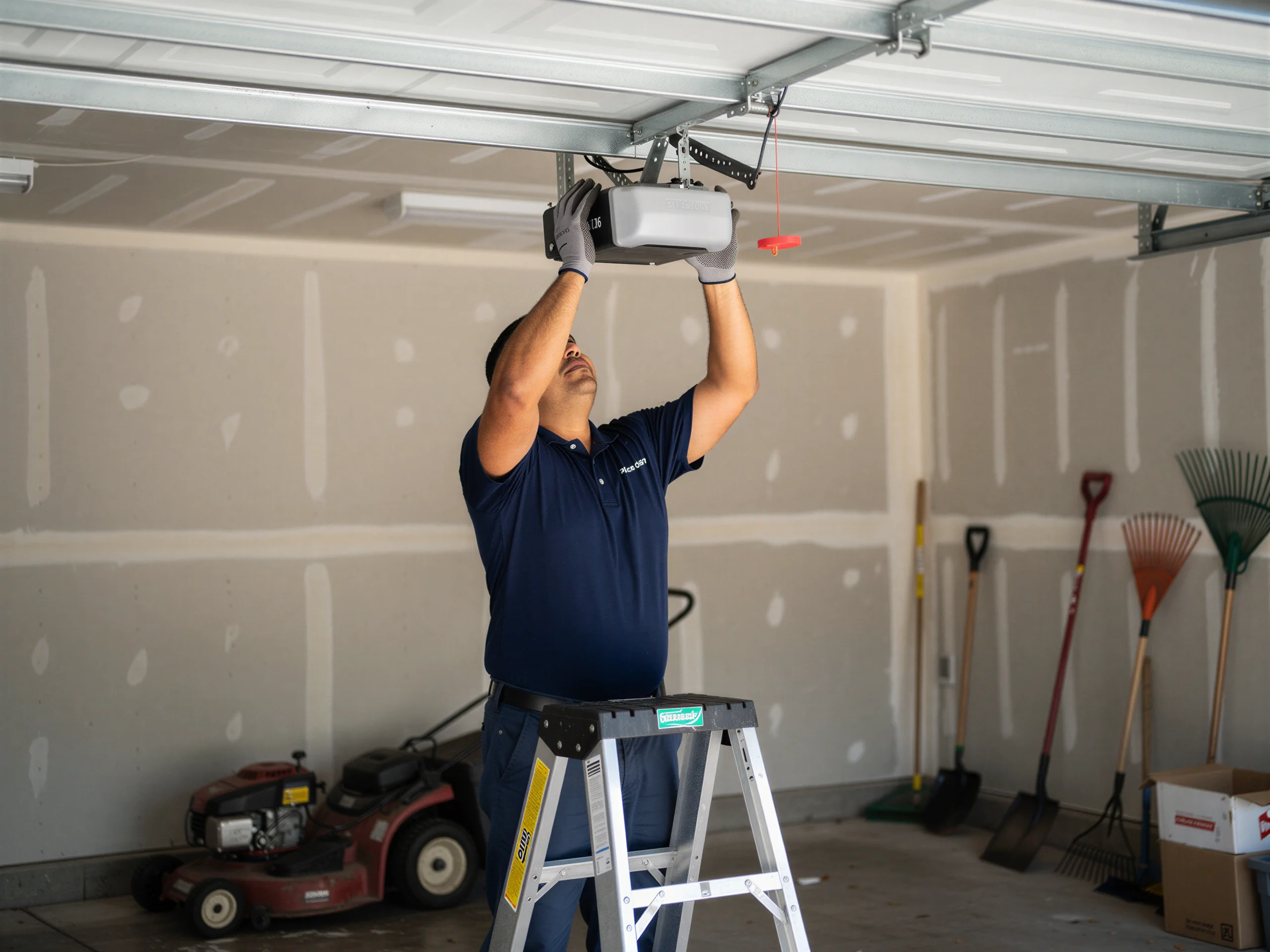
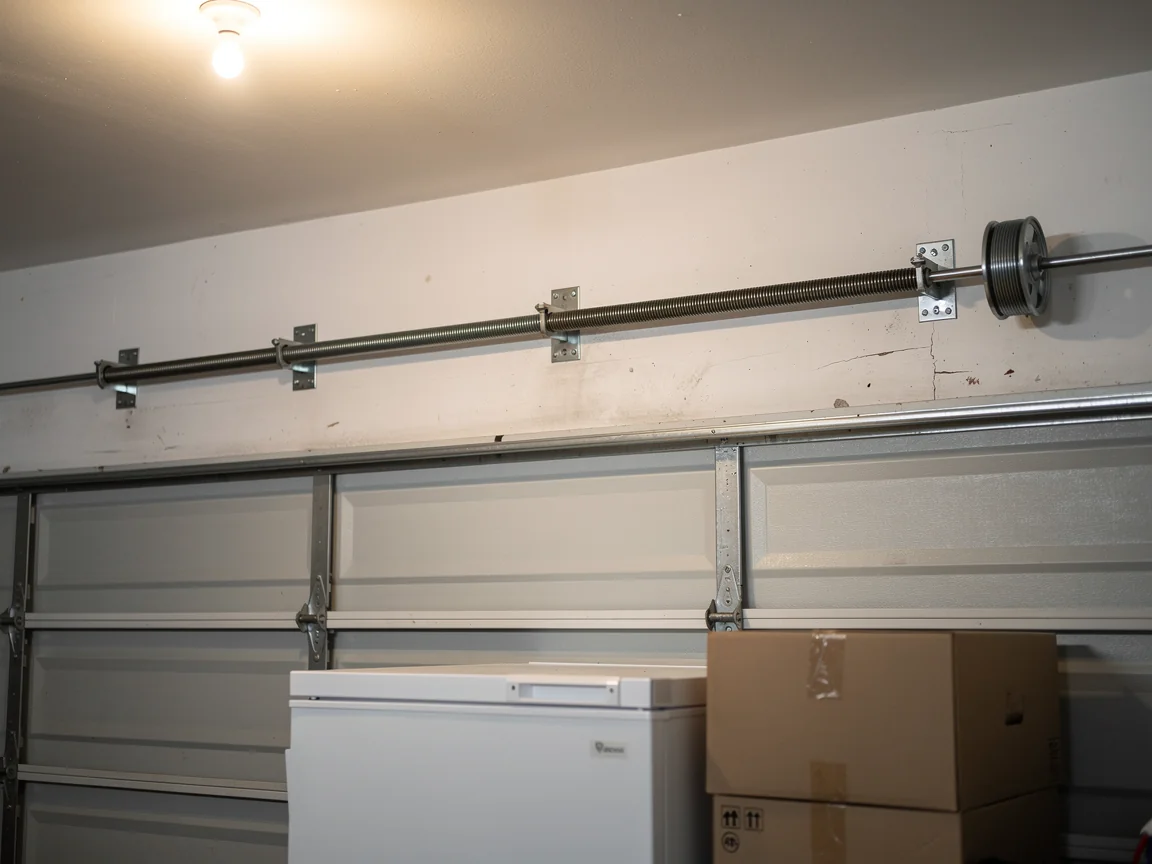
That hardware is old enough now that failure shows up in predictable spots: the torsion spring itself, worn off its winding cone after decades of temperature swings; the cable drums, which corrode faster on older galvanized cable than people expect; and the opener, where a 1980s or 90s chain-drive unit finally loses its logic board.
Thin original steel dents
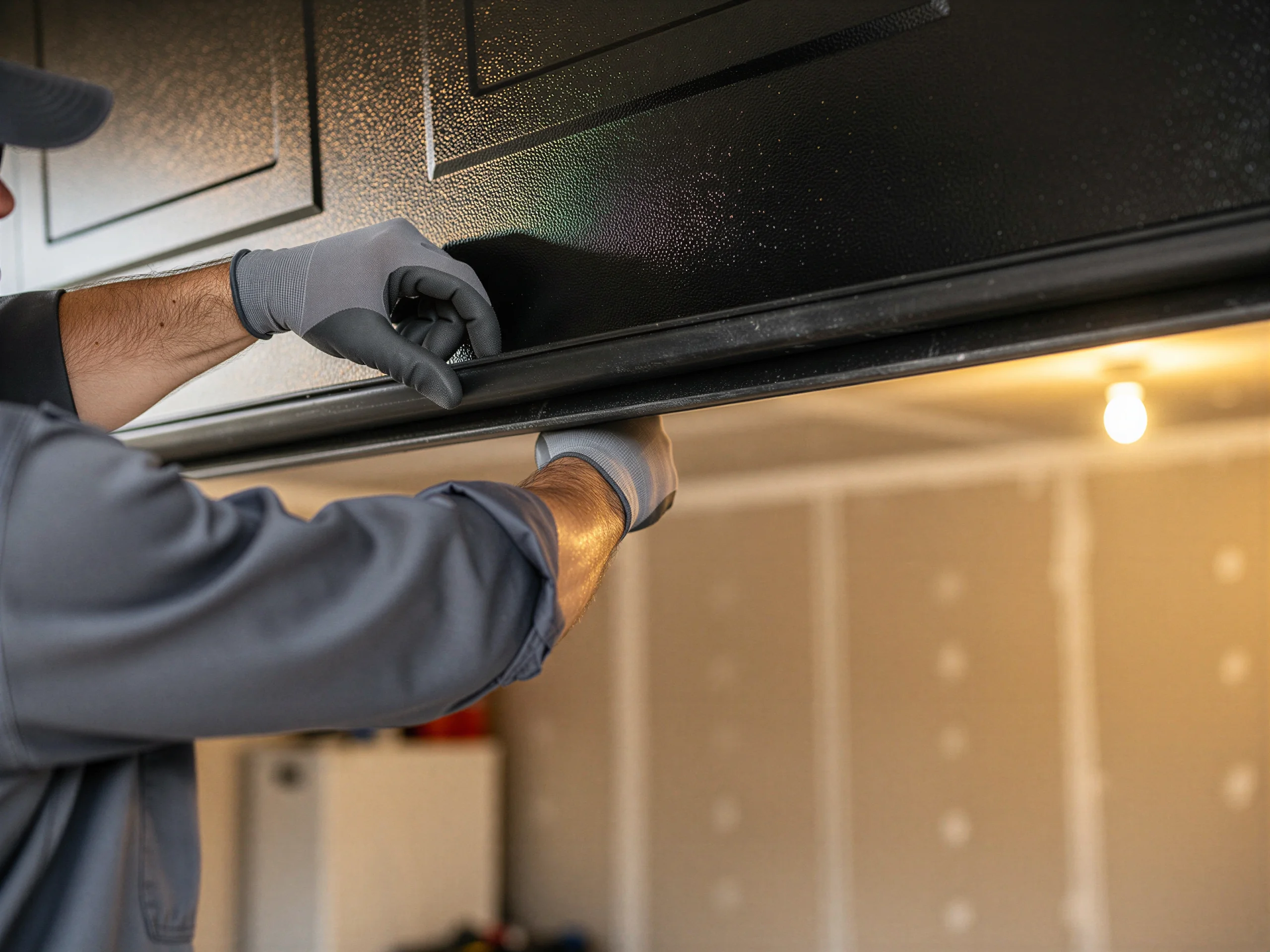
Panels on these houses are often the original steel, thinner-gauge than what's sold now, so a single hard knock from a mirror or a bike handlebar dents it in a way that doesn't pop back out. Rollers are the other common failure - nylon rollers from an older installation get brittle and start throwing noise and vibration into the track long before they actually break.
Fifty-year hardware wear
None of this is unique to one street or one house; it's what you'd expect from hardware that's been in place for fifty-plus years in a climate that puts it through real freeze-thaw cycles every winter. The fix is usually straightforward once we're looking at it in person, but guessing at it over the phone isn't something we do.
Doing It Yourself
Some of this is fine to handle yourself. Lubricating hinges and rollers, tightening loose bolts on the track brackets, swapping a dead remote battery, clearing the photo-eye sensors at the bottom of the track - all reasonable weekend jobs, and none of them need a call.
Springs off-limits to owners
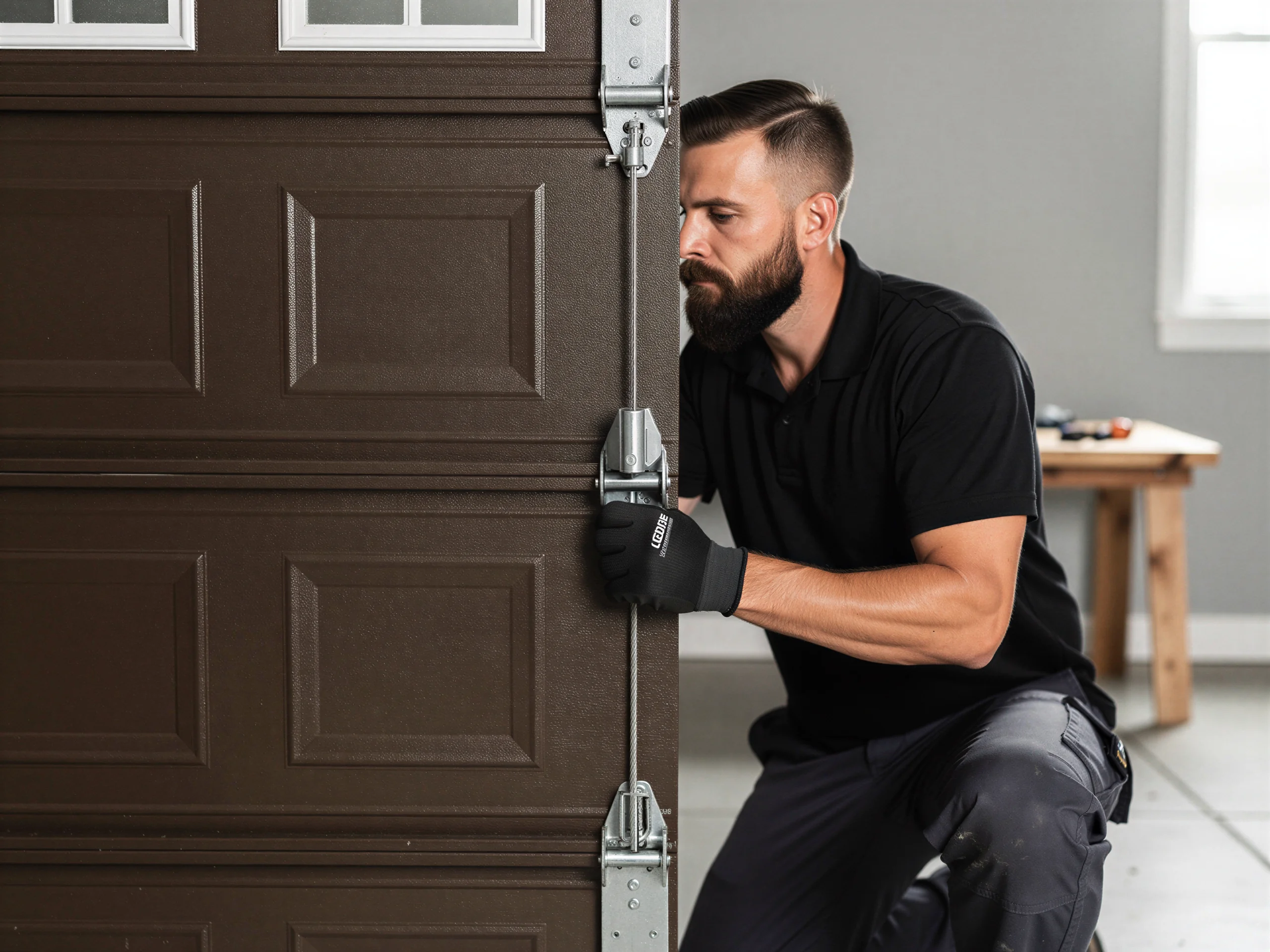
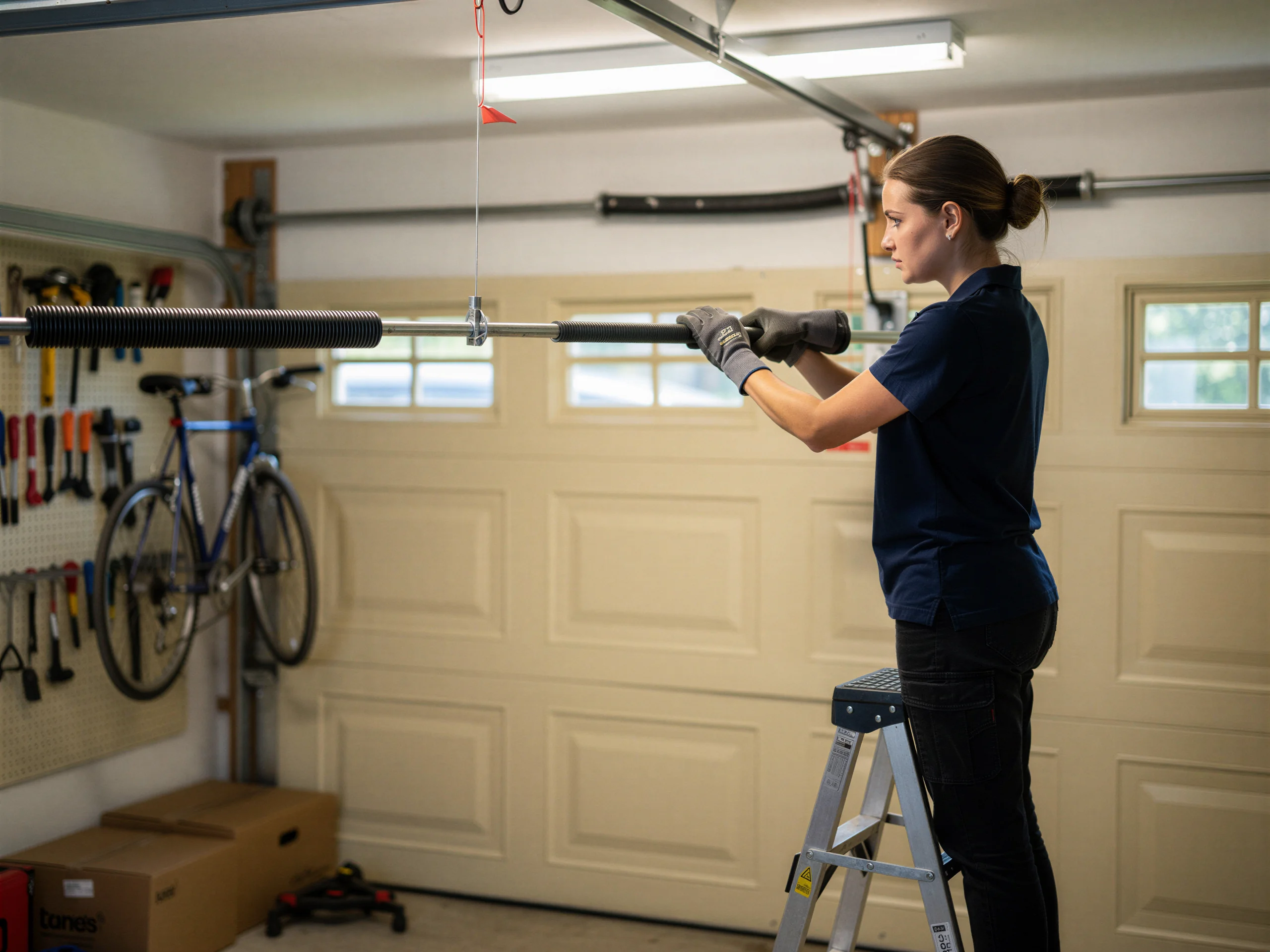
Torsion springs are where we draw a hard line. A wound spring on a double door carries enough stored force to break a wrist or worse if the winding bar slips, and that's true whether the door is brand new or original to a 1968 build.
Cable work also risky
Cable work is the same category - cables under tension have the same failure risk as the spring they're attached to. If your opener is cycling but the door won't fully close, check the photo-eye alignment first; it's the single most common false alarm and costs nothing to fix.
Heavy door means spring
If the door is heavy to lift by hand with the opener disconnected, that's a spring problem, not an opener problem, and it's not a DIY repair regardless of how handy you are.
What Causes It Around Here
This region sits in a severe cold-climate band, and that shows up in garage door failures in a specific way: steel contracts in deep cold, which tightens tolerances on track and rollers right when the spring is also working harder to lift a heavier, colder door. That combination is why winter is when most of the service calls come in, not because anything is broken by the weather directly, but because the cold exposes wear that was already there. Pair that climate with housing built mostly between 1954 and 1984 - Westport's own stock centers around 1968 - and you get a specific failure pattern: original torsion springs well past their cycle life, meeting a cold snap, on a door that's been opened and closed two or three times a day for over fifty years. Westport's 9,698 households are a small slice of the roughly 141,171 households across the broader service area, but the hardware problem doesn't scale down with town size - a 1968 house here fails the same way a 1968 house anywhere in this climate band does. The income side changes the decision more than the cause: at $250,001 median income, a lot of these calls end in a new door rather than a rebuilt one.
Talk to a local pro
Garage door service in Fairfield?
Same-day service with honest, upfront quotes.