What You Pay
Monroe sits 14 miles out from our shop in Fairfield, past Easton and Trumbull on the way in. That drive doesn't show up as a separate line item on your bill, but it does shape how we schedule the day - a Monroe call usually gets grouped with other jobs on that side of the service area so the truck isn't making the trip for one door.
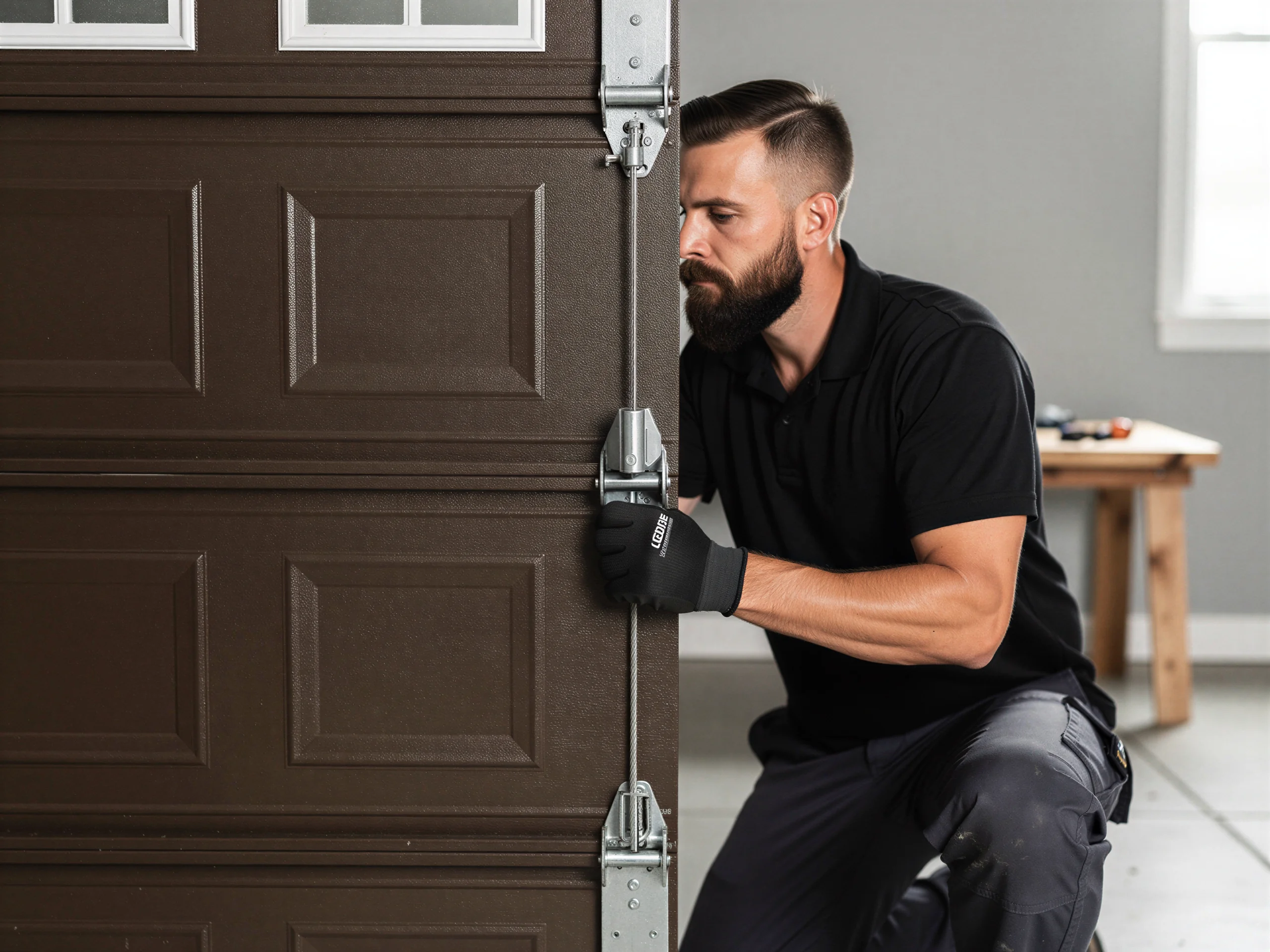
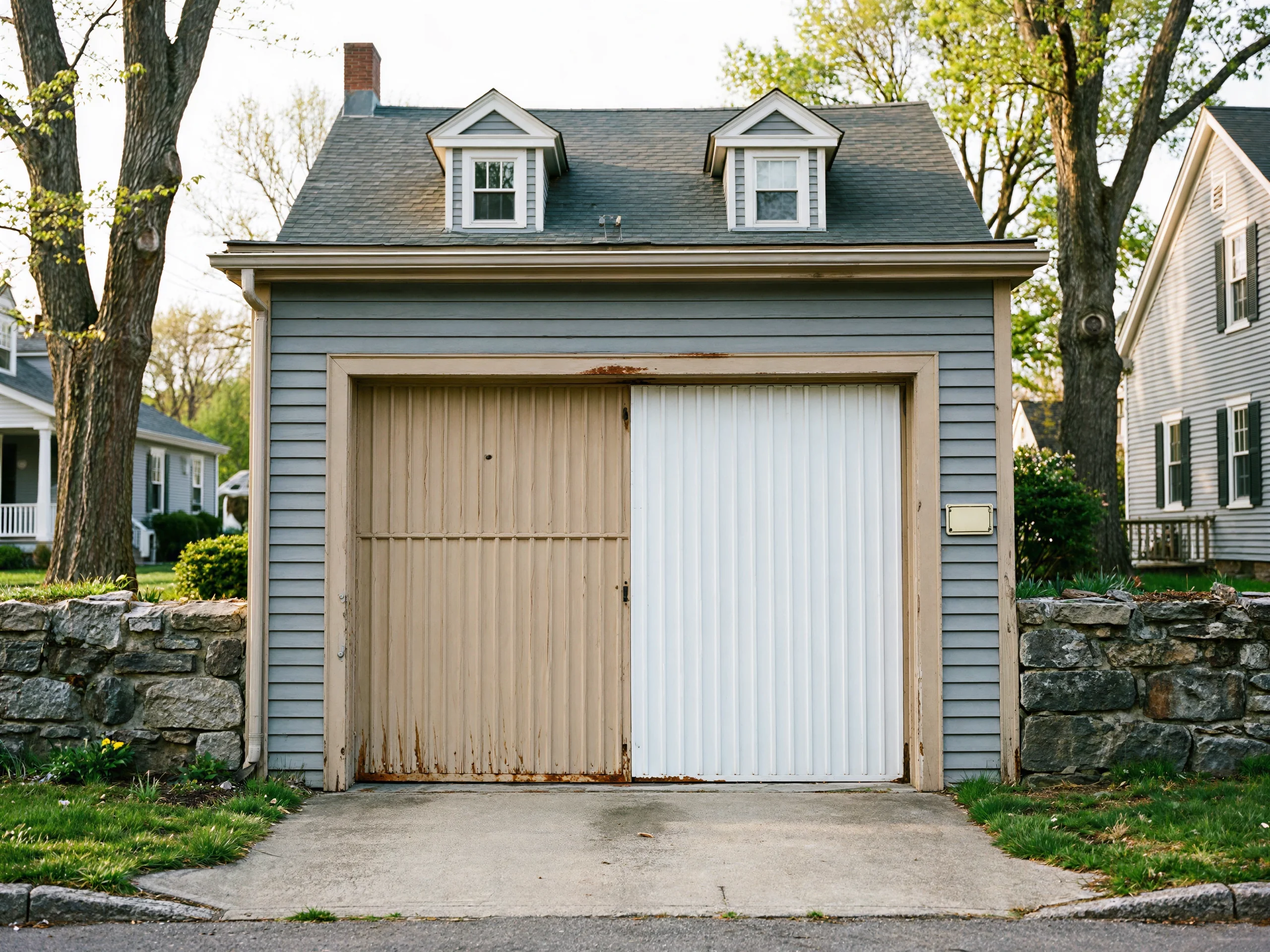
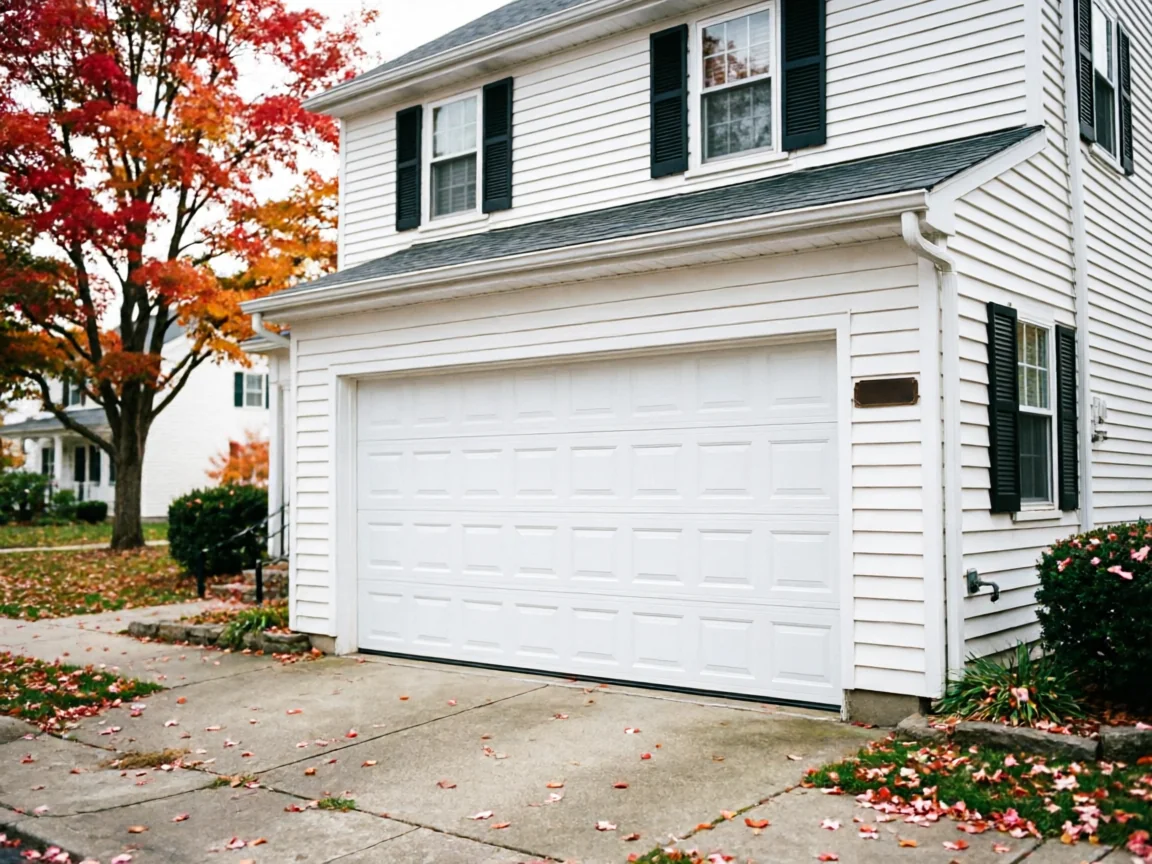
What actually sets your price is the door and the part, not the town. Monroe's housing runs newer than a lot of what we see closer to Fairfield - the area's median build year lands around 1978, which puts most garage doors here on steel sectional panels with extension or torsion springs from that era rather than the older one-piece wood doors you'd find on pre-1960s houses. Parts for late-70s and 80s steel doors are more common than parts for older wood doors, which usually means fewer special-order delays on the hardware side, though the specific spring size and track width still have to match what's on the house. We quote the repair after we see the door, not before.
Time on the Job
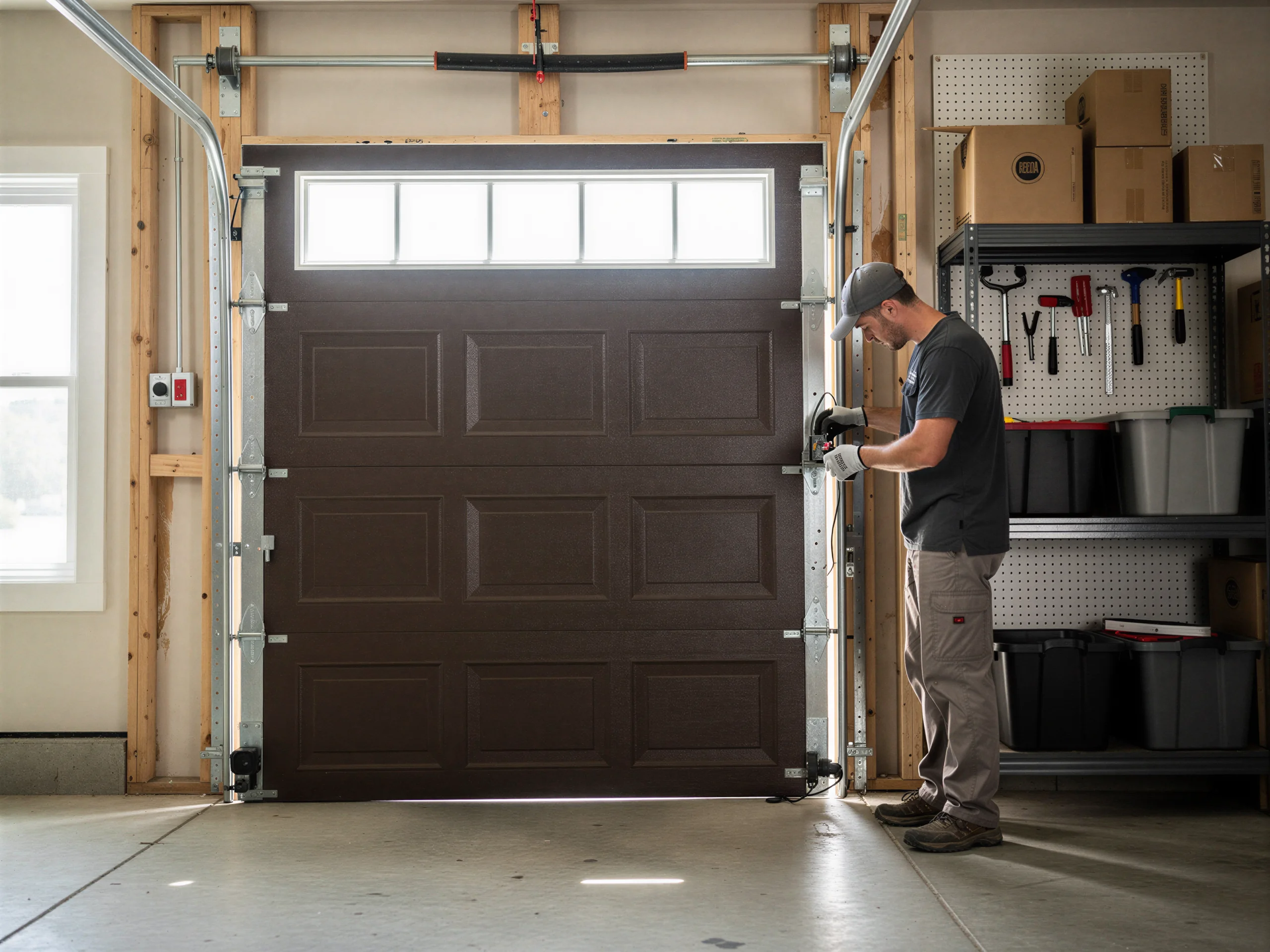
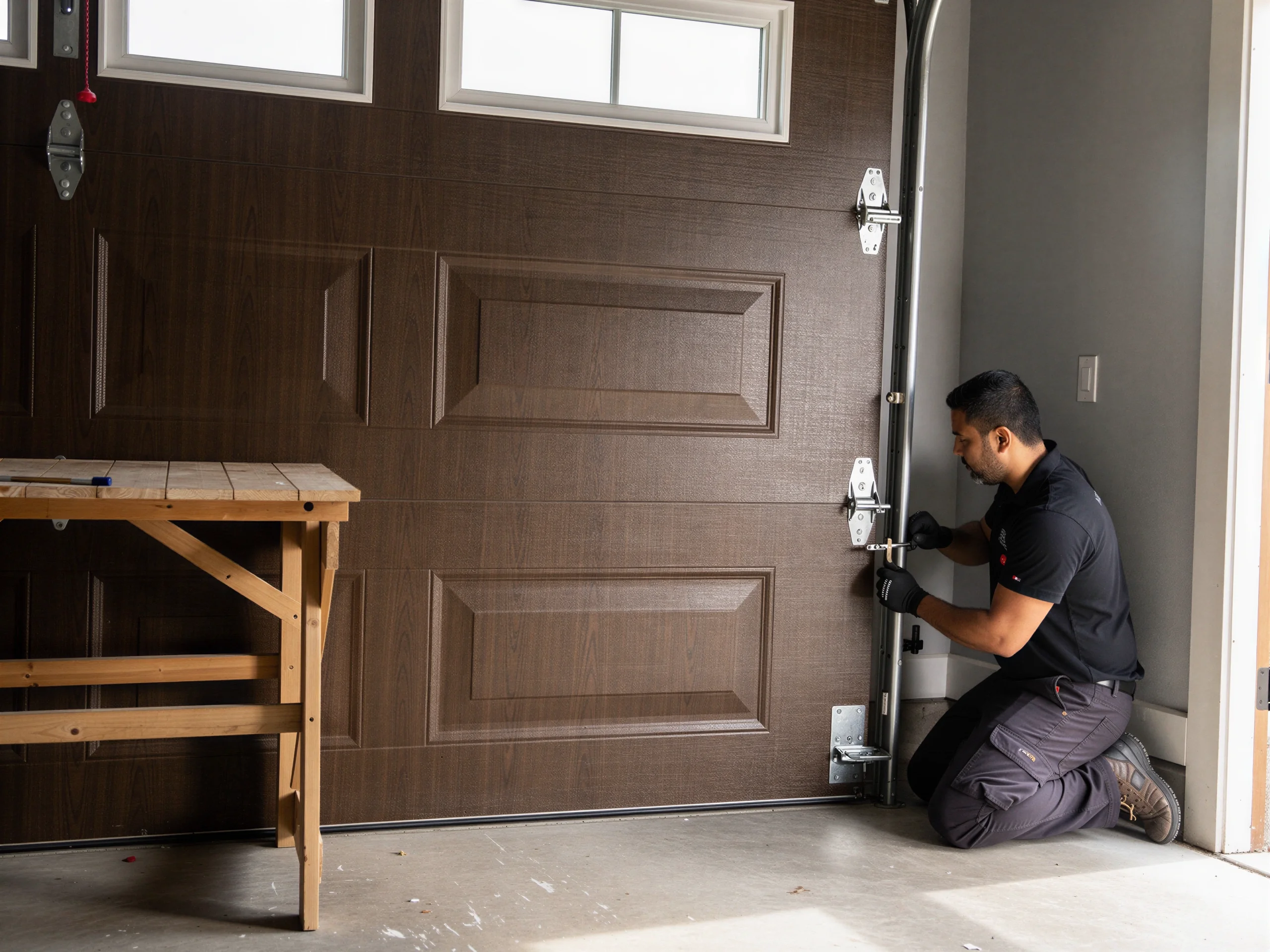
A broken spring or a cable off the drum on a standard Monroe garage door is usually a same-visit repair once we're on site - the labor itself doesn't take long, it's the drive and the diagnosis that eat the morning.
Sourcing old opener gear
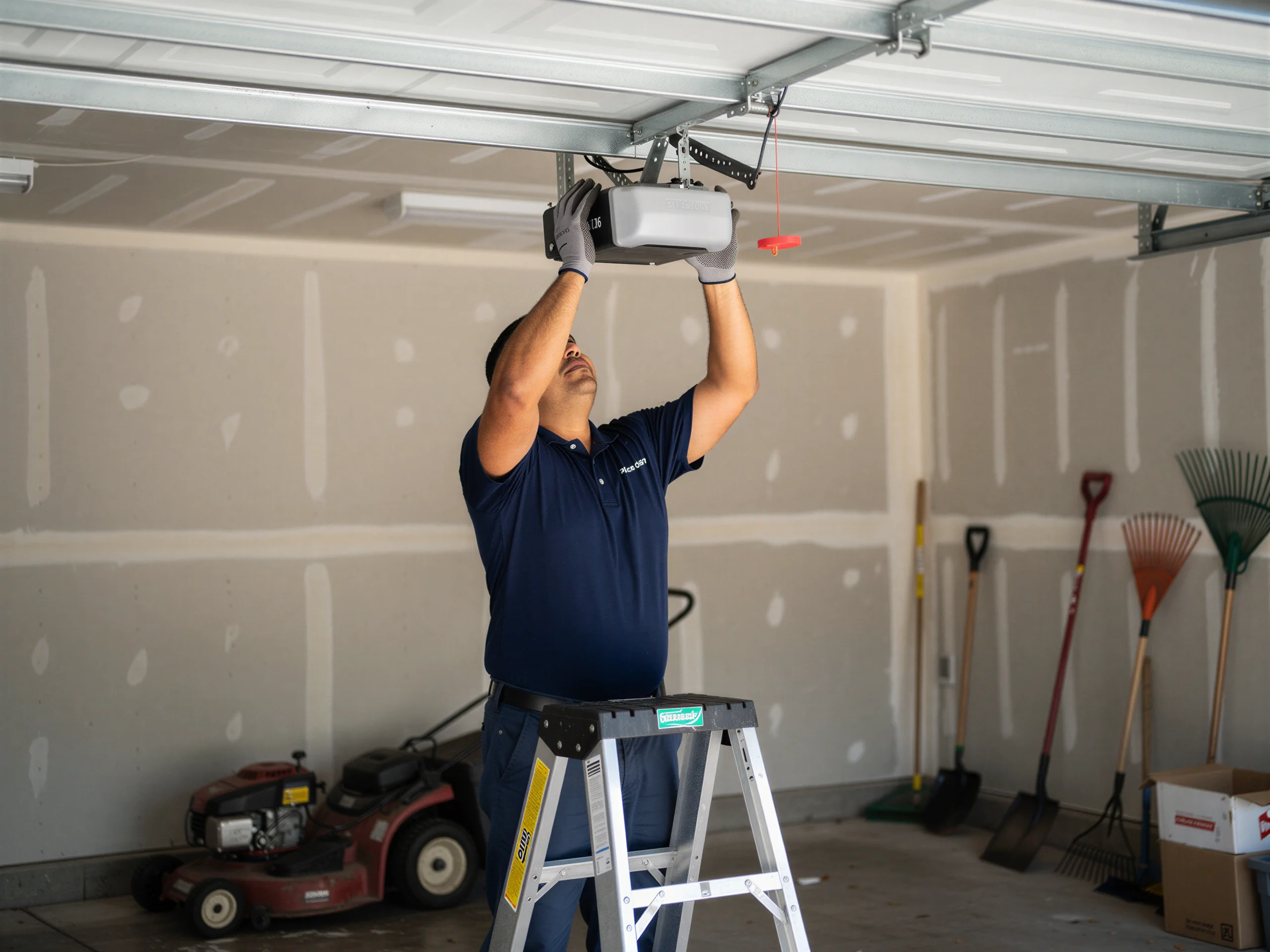
Openers from the 1970s-80s construction wave in this area sometimes still have the original chain-drive units or early screw-drive replacements, and those can take longer to source a matching sprocket or gear kit for than a current model. We don't carry every part for every opener year on the truck.
Honest part wait times
If your door's original equipment is genuinely old - not just 20 years, but original-to-the-house old - we may need to order the part, and that's the honest limitation here: we'd rather tell you it's a two-day wait than promise a part we don't have in the truck.
What Can Go Wrong
The region's winters fall in the severe cold band, and that matters more for door hardware than most owners expect. Torsion springs lose tension faster in repeated freeze-thaw cycles, and steel panels built in the 1970s and 80s - which is most of what's on Monroe garages - don't have the same weatherstripping or insulation standards as doors made in the last decade or two. That combination shows up as doors that bind on the track in January, openers that strain harder in cold mornings, and cables that fray at the drum sooner than they would in a milder climate.
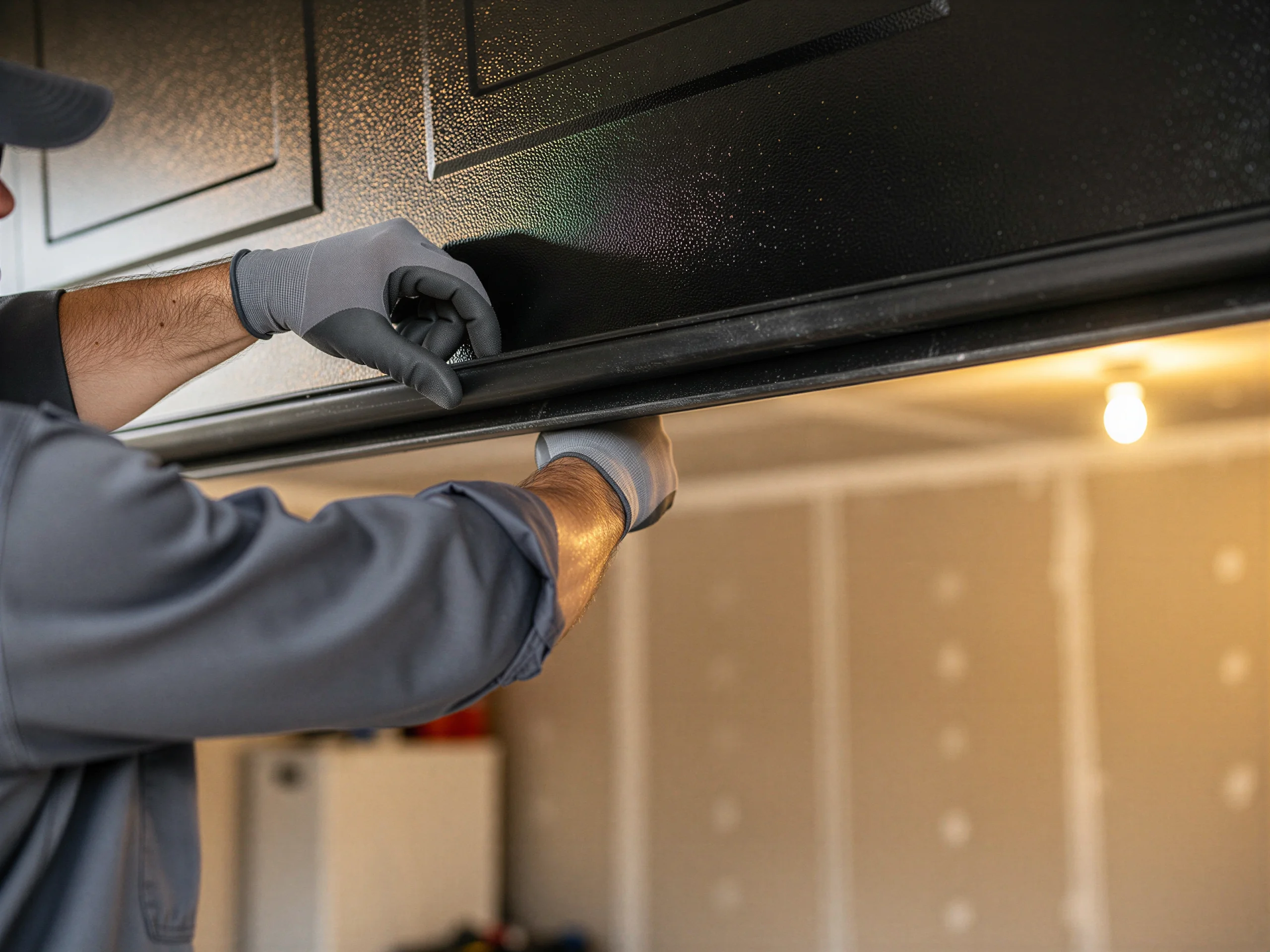
Rollers are usually the first thing to go on a door this age - nylon rollers from the original install get brittle and start chipping, which throws the door off the track just enough to jam the opener's safety sensors. It's a cheap fix caught early and an expensive one if the track bends from repeated misalignment.
Doing It Yourself
Lubricating hinges and rollers, tightening loose bolts on the track brackets, and testing the auto-reverse safety feature are all things a Monroe homeowner can do without a call. None of that requires touching the spring system.
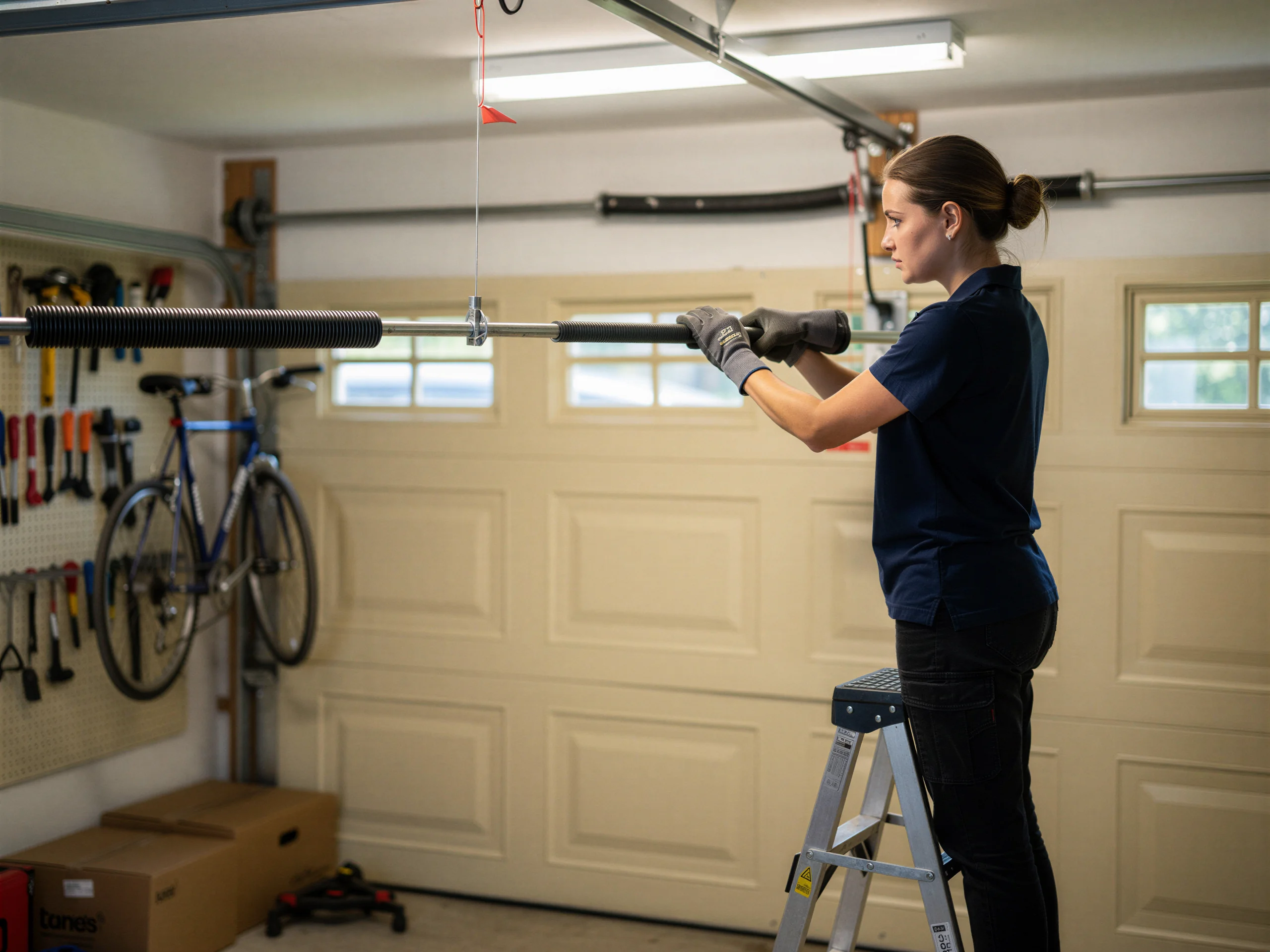
What we don't recommend doing yourself is anything involving the torsion spring itself - the ones on doors built in this era store enough tension to cause a serious injury if the winding bars slip, and we don't walk people through that over the phone. If your door is sagging unevenly, the opener is making a grinding noise that wasn't there last month, or the door reverses before it touches the floor, that's a call, not a project.
Talk to a local pro
Garage door service in Fairfield?
Same-day service with honest, upfront quotes.