What You Pay
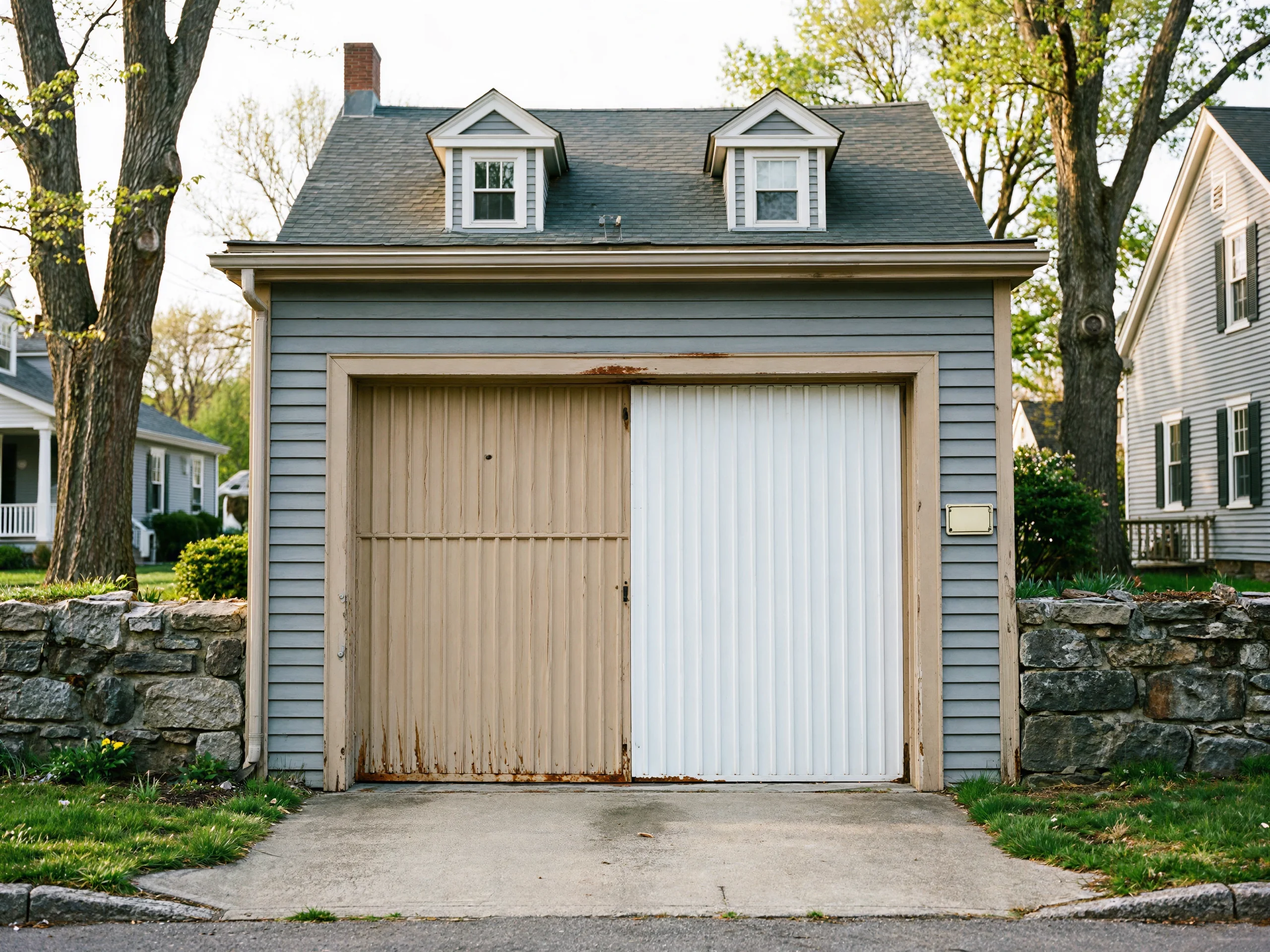
A maintenance visit here isn't priced around Fairfield's older housing stock - Monroe's typical house went up around 1978, which means the garage door and opener are usually original or a single replacement generation in.
Long unattended hardware
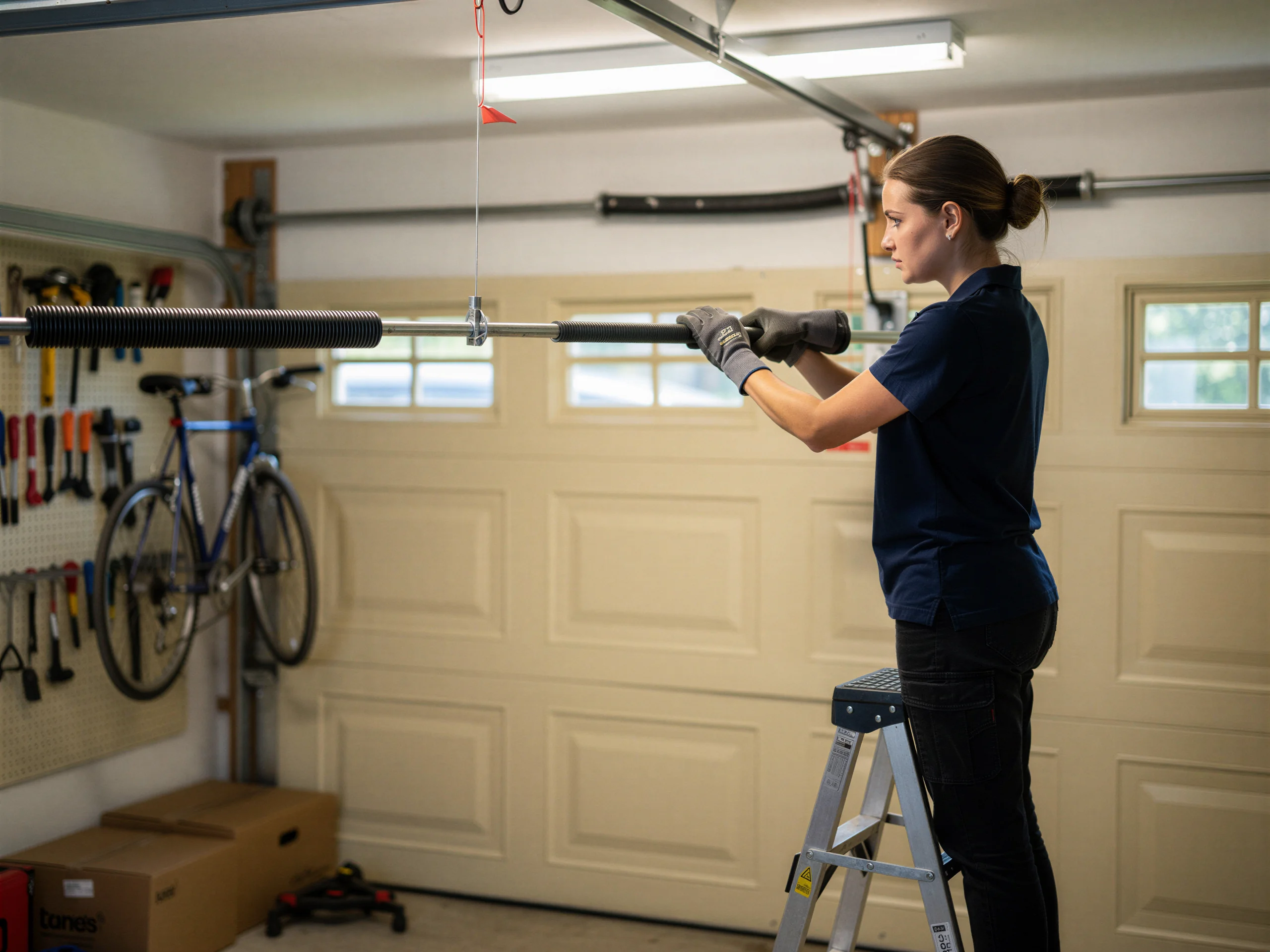
That matters because what we're tightening, lubricating, and testing is often spring hardware that's been doing its job, unattended, since the Carter administration. Monroe's roughly 6,238 households sit on the newer end of the wider service area's 1954-1984 build window, so failures skew toward worn rollers and dried-out bearings.
Spring replacement only if failing
We don't post a flat number for every job because spring count, door weight, and opener type change what a visit covers - but a maintenance call doesn't involve spring replacement unless we find a spring that's actually failing, and we'll tell you straight if that's the case before doing anything.
Batching with other repairs
We travel the 14 miles out from Fairfield for these calls, so we try to batch a maintenance visit with anything else going on with the door rather than making two trips.
Time on the Job
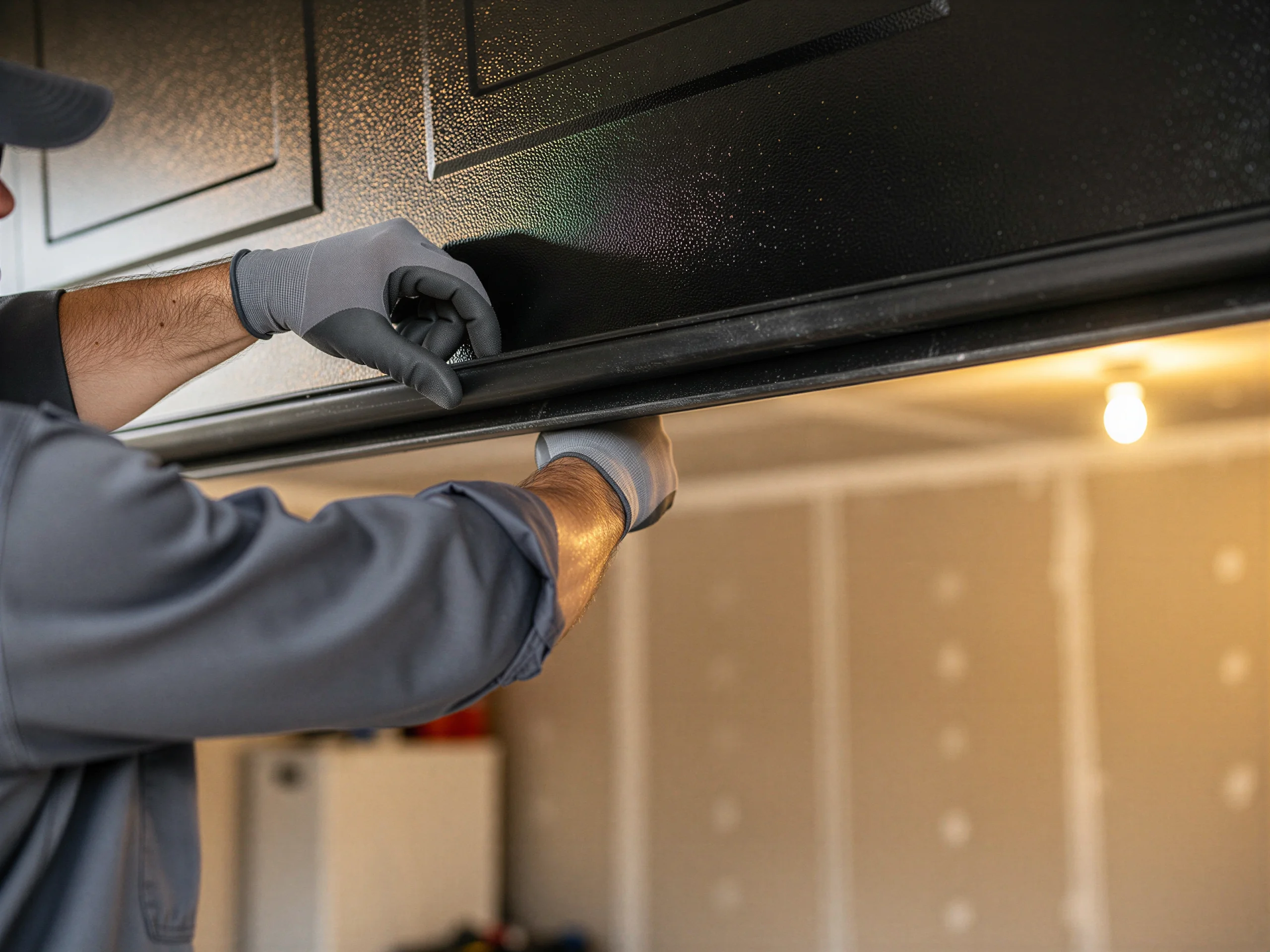
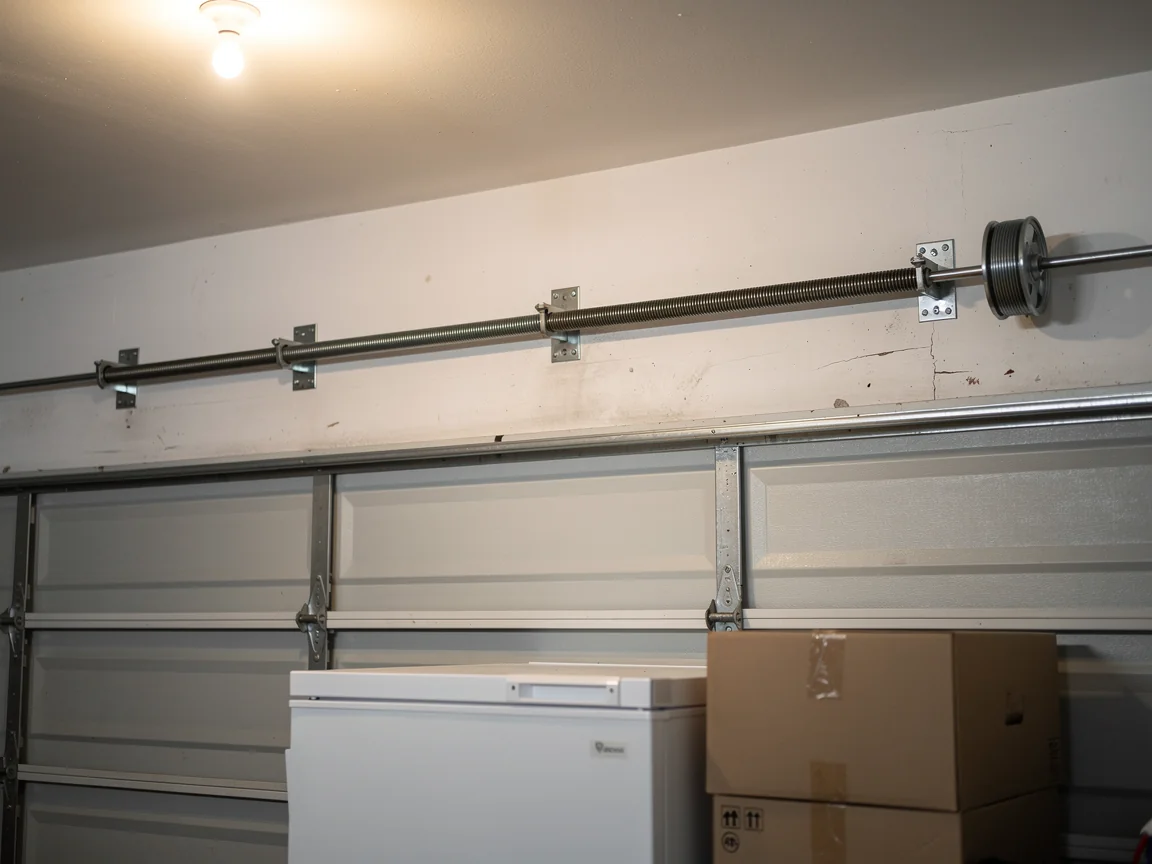
A standard maintenance visit on a late-1970s Monroe door runs long enough to check every roller, hinge, and cable end, lubricate the track and springs, and cycle the opener's force and limit settings - most of that hardware has never had an adjustment since the house was built.
Chain gear wear check
If the opener is a chain-drive unit from a prior replacement cycle, we're also checking the drive gear, which is a common wear point on units that age. Winters here fall into the severe-cold band for this region, and cold steel contracts - a door that binds or drags in January often tested fine in August.
Looser older tolerances
That's part of why a maintenance visit matters more on a 1970s-era door than a newer one: the tolerances were looser to begin with, and decades of thermal cycling have worked the slack further.
Unhurried tension work
We don't rush this part of the visit, because a spring under the wrong tension is the single most common reason doors come down harder than they should.
What Can Go Wrong
On a door built around the time most of Monroe's housing went up, the usual suspects are extension springs with no safety containment cable, a worn opener drive gear stripping under load, and photo-eye sensors bolted on as an aftermarket retrofit rather than built in from the start - all of which were common before later federal safety standards caught up with residential openers.
Different checks for era
None of that means the door is unsafe today, but it does mean a maintenance check is looking for different things than it would on a 2005 build. Track misalignment shows up more here too.
Tight header clearance
Houses from this era often have garages framed without the header clearance later codes required, so the track sits closer to tolerance and a small bend from a bumped door does more damage faster.
Drum re-seating needed
We also see cables starting to fray at the drum on doors that have never had the drum re-seated - not an emergency, but exactly the kind of thing a maintenance visit catches before it turns into a 10 p.m. call.
Doing It Yourself
Lubricating hinges and rollers with a garage-door-specific lubricant, and visually checking cables for fraying, is reasonable for an owner to do between professional visits. Vacuuming track debris and wiping down photo-eye sensors is fine too.
What we won't talk you through over the phone is spring adjustment or cable replacement on a door this age - the stored tension in a torsion spring on a door built before current safety standards can cause real injury, and we'd rather lose the DIY sale than have that call. If your opener is original to a 1970s-era Monroe house, the safety reversal mechanism on it may not meet today's standard at all, and that's a conversation worth having at the next maintenance visit rather than a repair you attempt solo.
Talk to a local pro
Garage door service in Fairfield?
Same-day service with honest, upfront quotes.