What You Pay
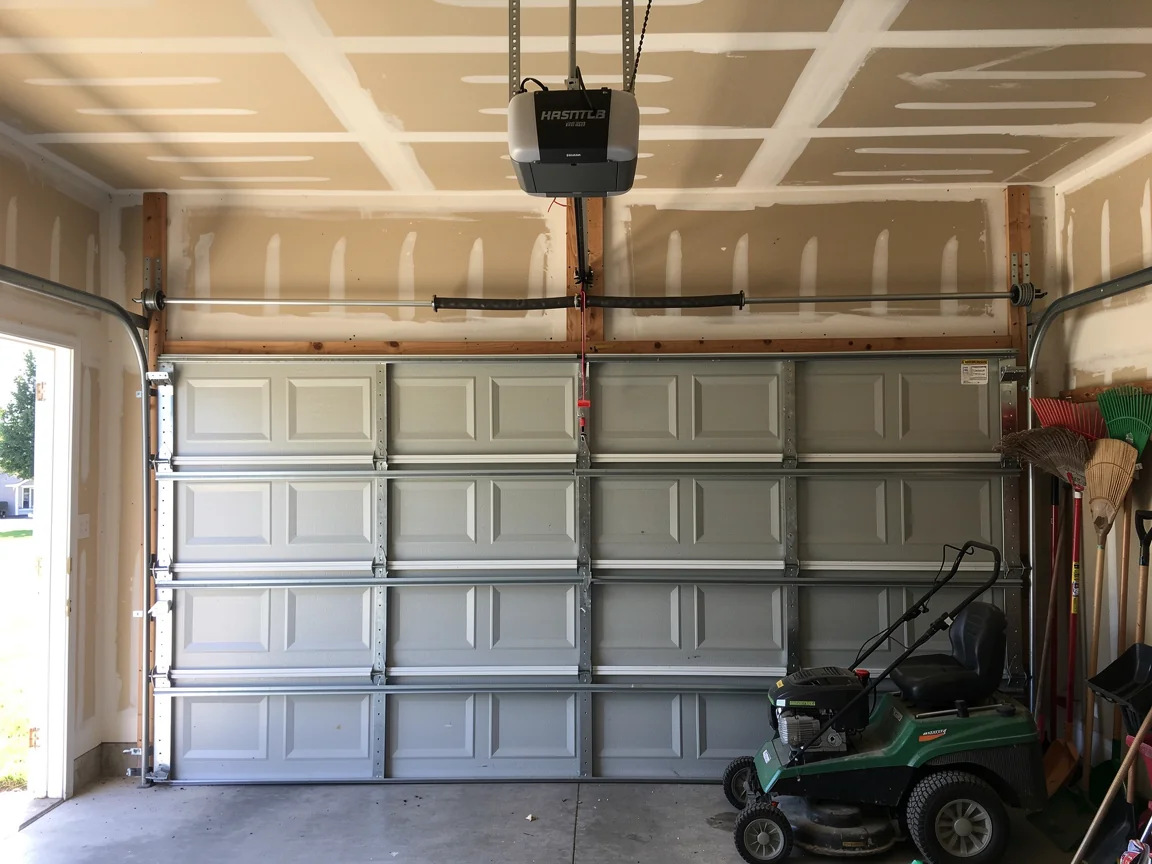
The number that moves the price here isn't labor, it's what's actually hanging on the track. Monroe's housing stock has a median build year of 1978, which means most garages in town were framed for a raised-panel steel sectional door on torsion spring hardware, not the flush aluminum slab you'd find on an older 1950s house closer to the shoreline.
Insulated panel cost trade
That steel panel comes insulated or uninsulated, and the insulated version costs more up front but holds up better through a cold winter. We don't have a flat number to quote you here because width, insulation, and whether the color is a stock finish or a special order all move the cost, and none of that is something we'll guess at over the phone.
Income and panel choices
What we can tell you is that in a service area with a median household income of $162,079, and Monroe itself close behind at $156,731, most owners here choose to replace with a matched insulated steel panel rather than the cheapest single-skin option, because it holds its value better over a longer winter.
Discontinued panel limitation
We'll give you a real number after we look at the door, not before. One limitation worth naming: if your panel style was discontinued, matching the existing door exactly can take longer and cost more than a full replacement. We'll tell you straight if that's where you've landed.
Time on the Job
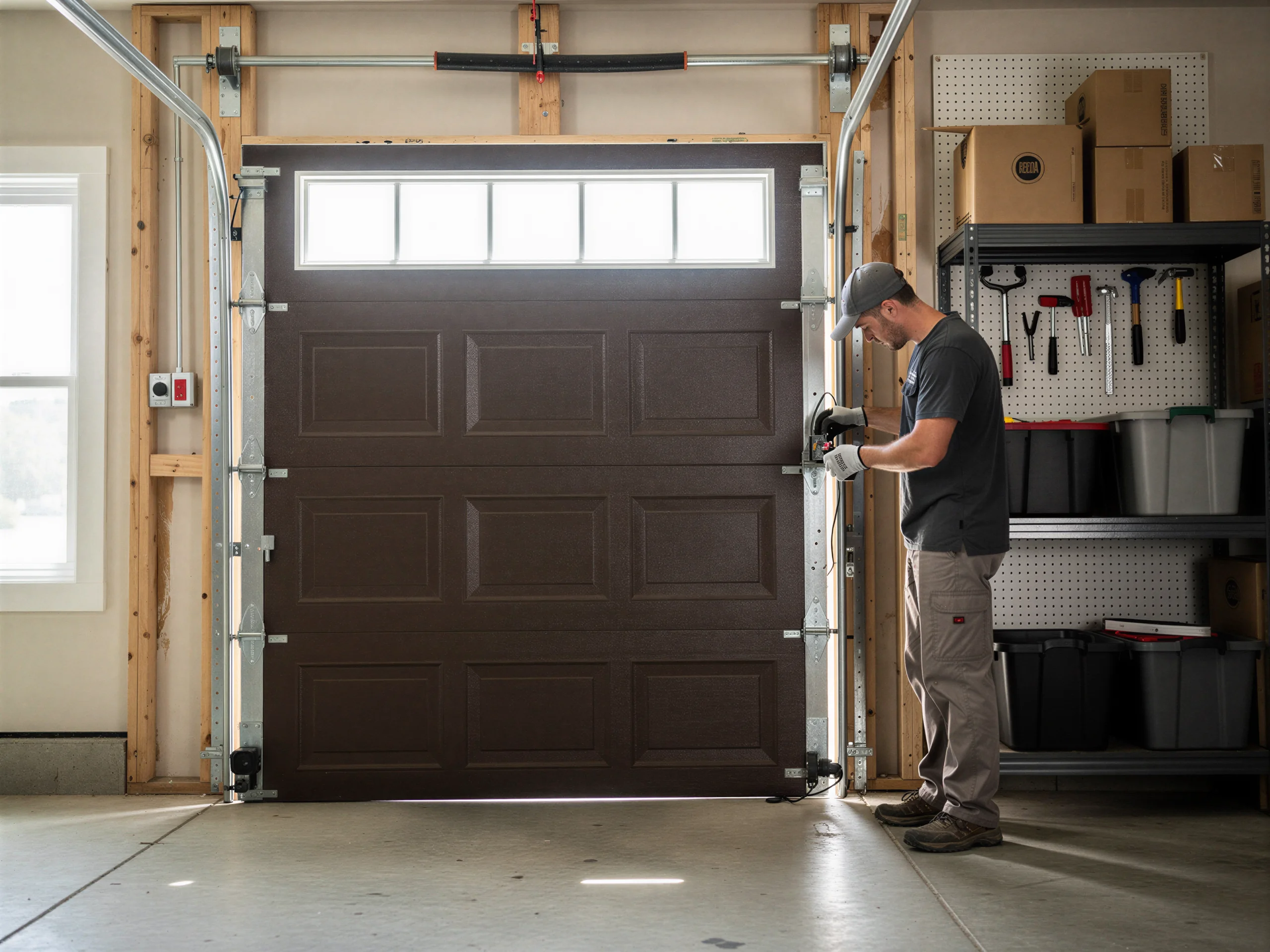
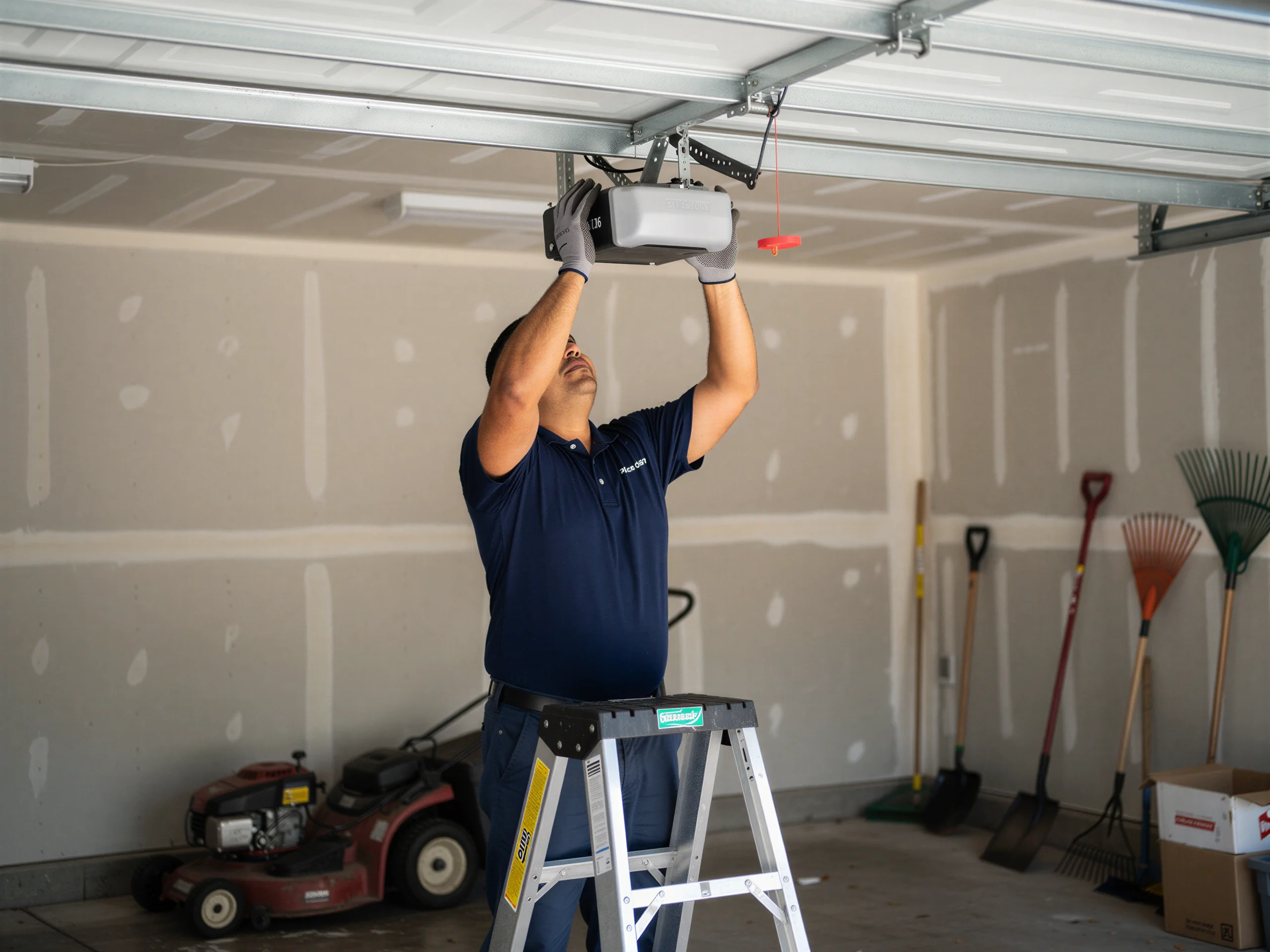
A single panel swap on a door from the 1978 era, assuming the part is in stock, is usually a same-visit job once the truck is on site.
Logistics over labor
The harder part is logistics, not labor: Monroe sits 14 miles from our Fairfield base, so we schedule the trip rather than treat it as a drop-in stop between closer jobs. Where time stretches is parts. Doors built in the late 1960s through the 1970s across this part of the territory often used panel profiles and color runs that aren't on anyone's shelf anymore.
Manufacturer lead time
If your door is one of those, we order the panel, and that lead time is on the manufacturer's clock, not ours. We won't promise a same-day fix on a door we haven't seen, and we won't tell you a part is in stock when it isn't.
Single-panel on-site work
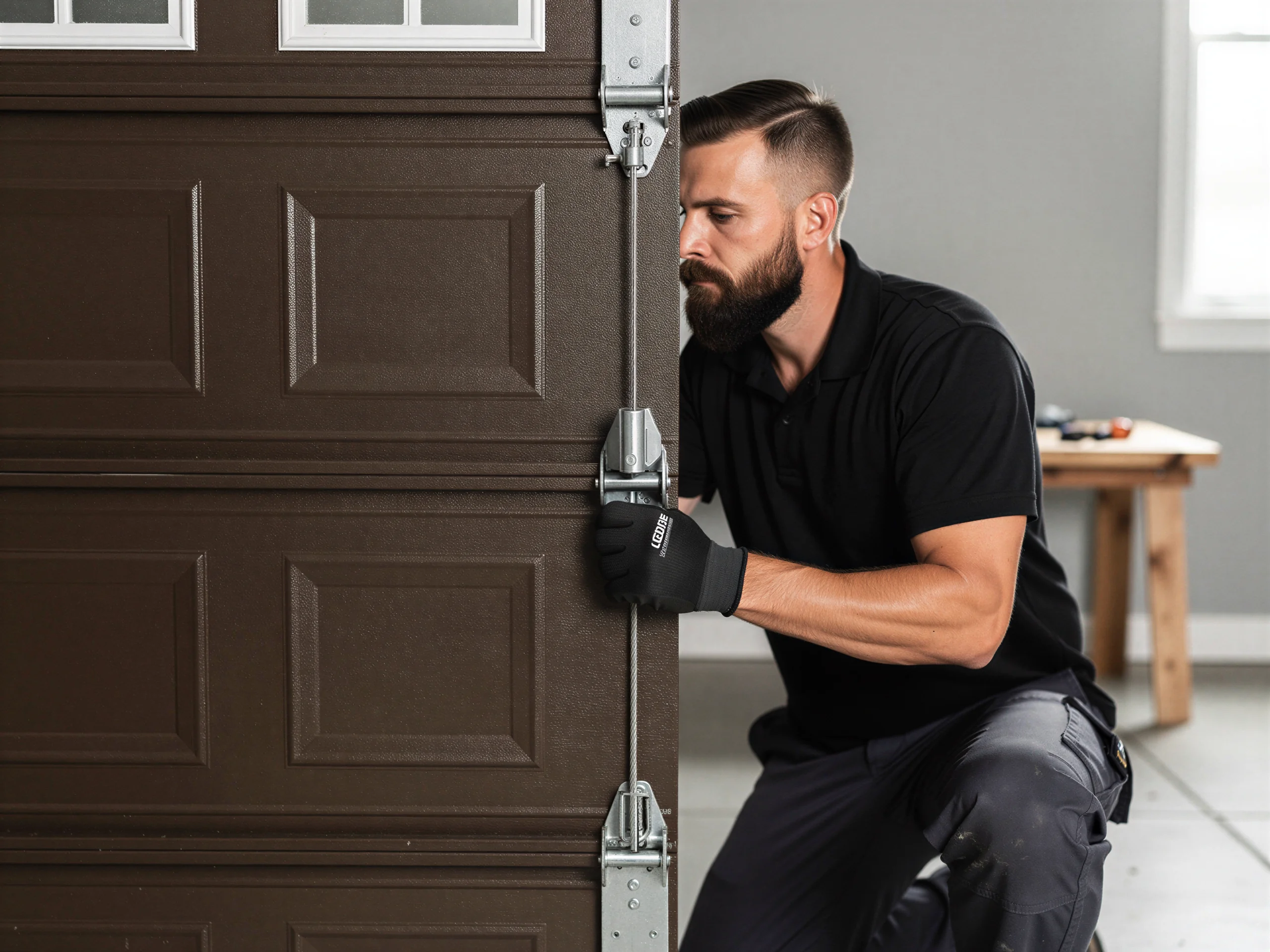
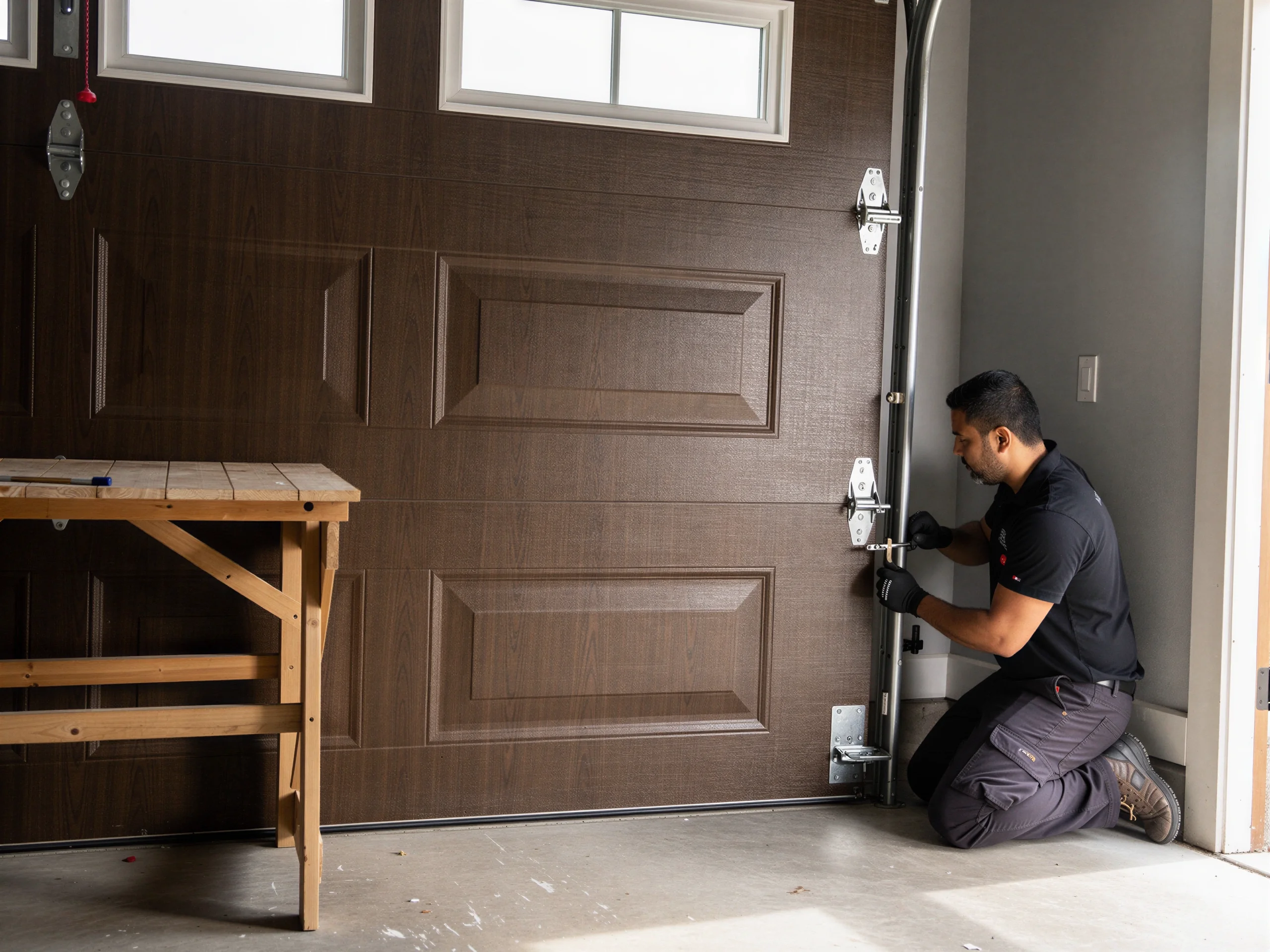
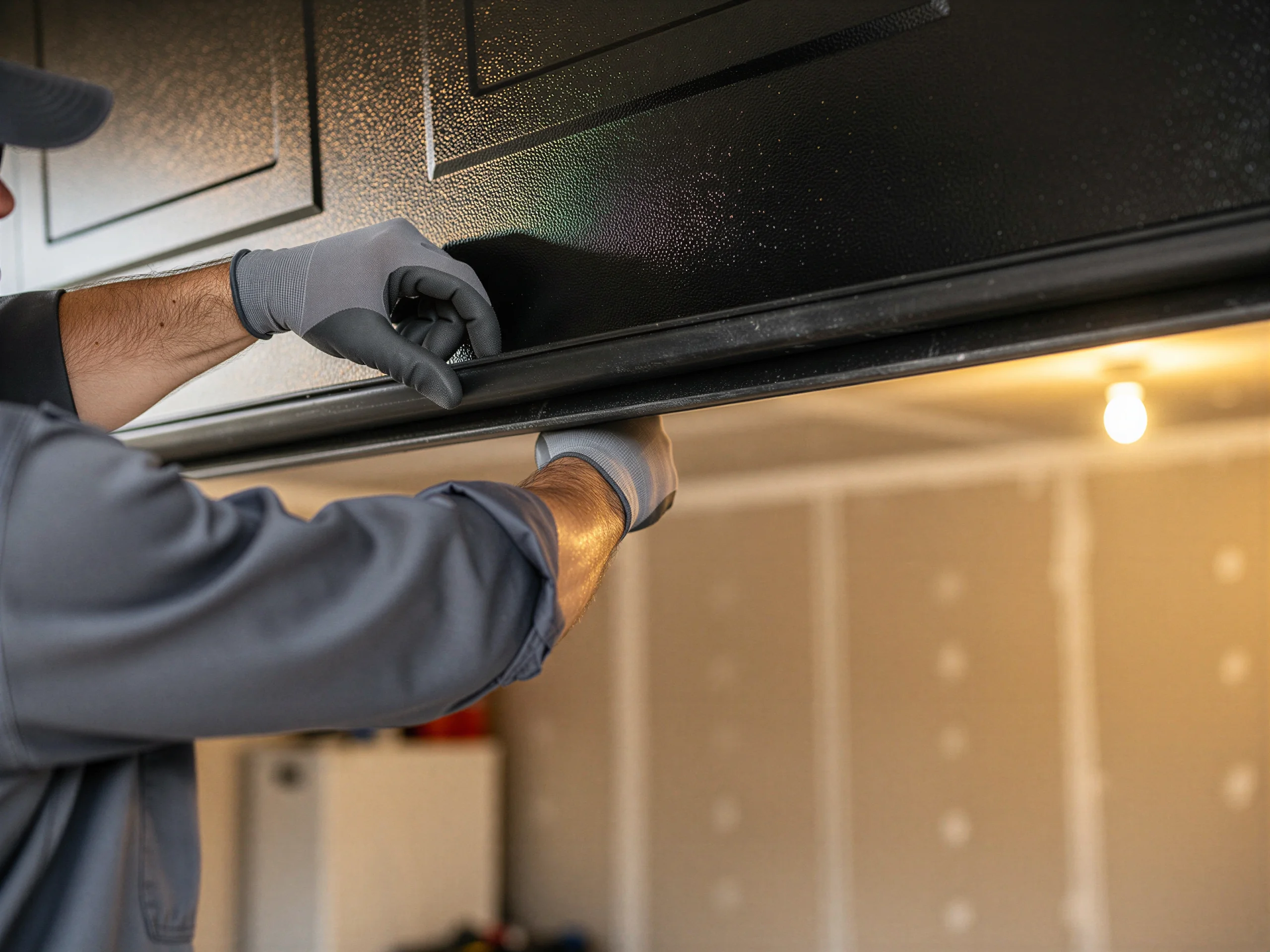
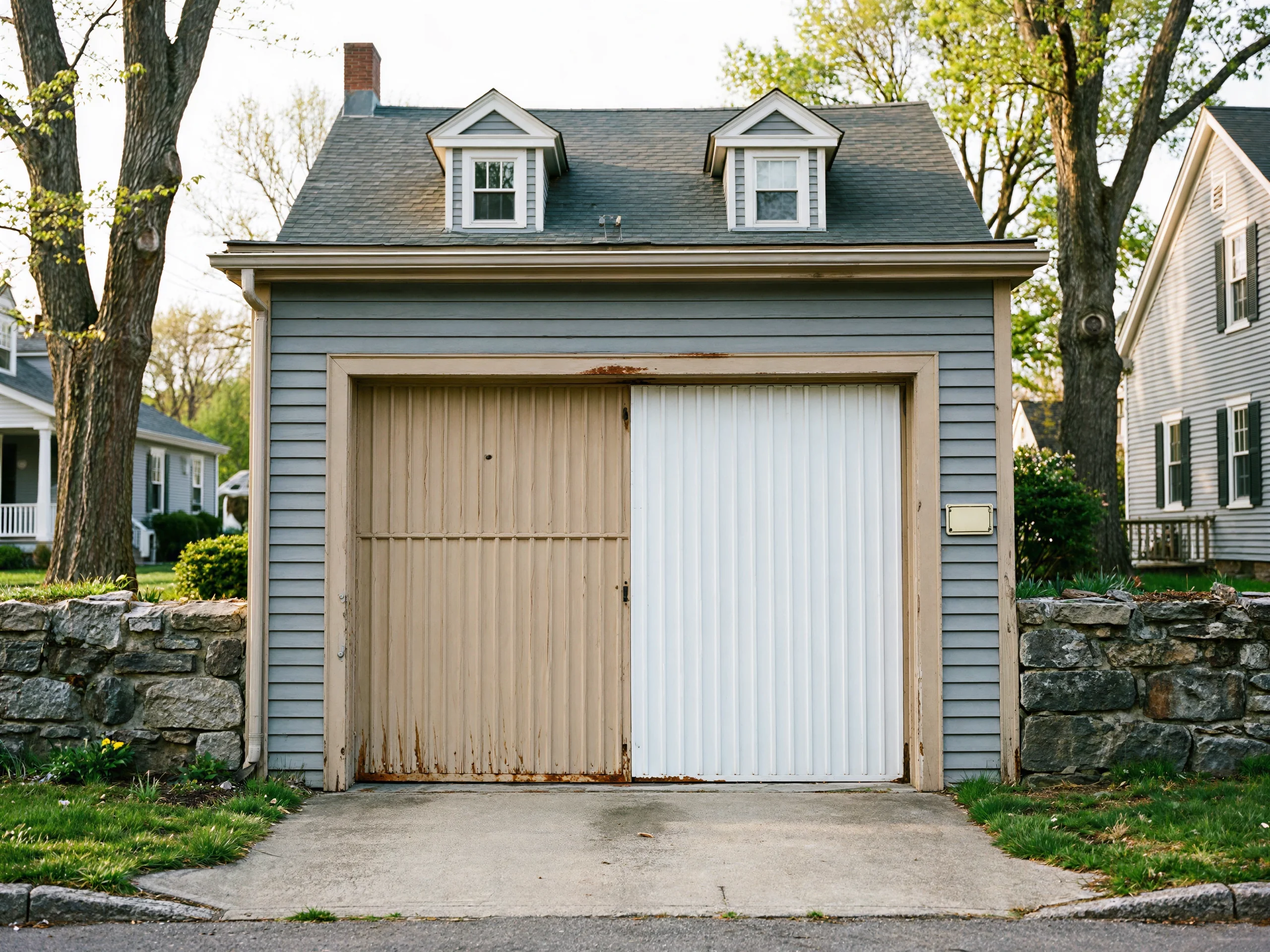
For houses in this part of the territory where the original door is still largely intact apart from one dented or rusted panel, the on-site work itself - removing the damaged section, setting the new one, resealing the track - typically runs under half a day once the part is in hand. Full door replacements run longer, but that's a different job than what this page covers.
What Can Go Wrong
The climate here is classified cold and severe, and that matters more for panel steel than most owners expect. A panel that's already thinned by decades of surface rust doesn't fail gracefully in a hard freeze - it cracks along the seam, usually the first time it takes a knock from a sled, a bike, or a bumper that it would have shrugged off when it was new.
Wrong tension from repairs
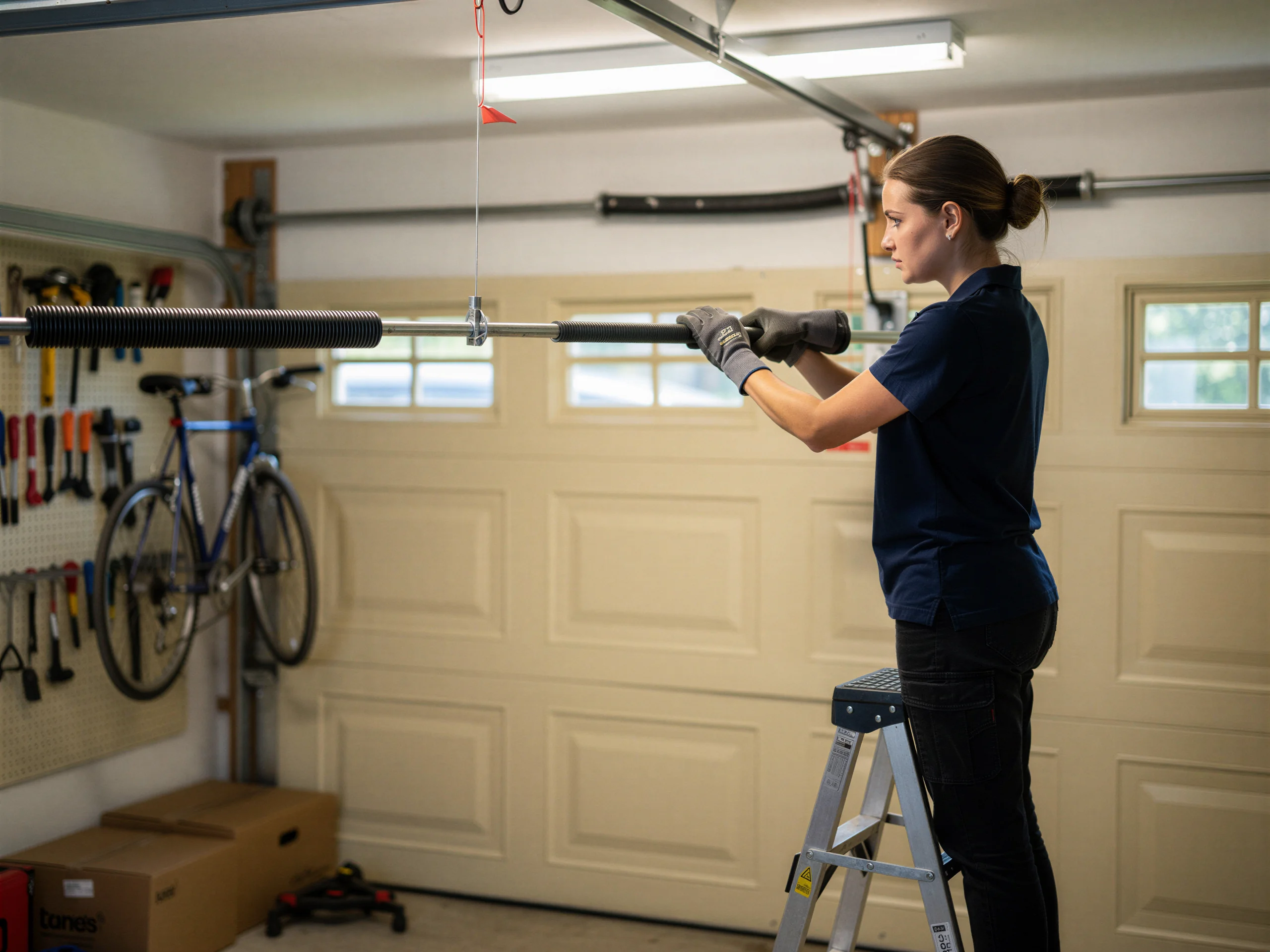
On a door from the 1978 era, the panel isn't always the only thing that's tired. Torsion springs sized for the original door weight sometimes get swapped for a slightly wrong tension when a previous owner had quick repair work done, and a new panel with different insulation changes the door's total weight just enough to throw that balance off further.
Tension check on panels
We check spring tension any time we're replacing a panel on a door this age, because installing a mismatched panel on a mismatched spring is how you end up back here in six months.
Dry original rollers
Hinges and rollers on doors from this era are also often the originals, and steel rollers that have run dry for years can bind in a new panel's track just as easily as the old one. We flag that during the job rather than bill for parts nobody asked about.
Doing It Yourself
Swapping a single steel panel on a sectional door looks simple from a video, and on some doors it is. On a torsion-spring door from the 1978 era, the spring stores enough force to do real damage if the door comes apart while you're mid-swap, and that's the actual risk, not the panel itself.
If your dent is cosmetic and the panel still seals and tracks fine, you may not need to touch it at all - that's the honest call more often than owners expect, and we'd rather tell you to leave it than sell you a part you don't need. If the panel is cracked, letting moisture or cold air through, or visibly bowing the track, that's when replacement is worth doing properly.
What we don't recommend: pulling the old panel yourself while the door is still under spring tension, especially on a door this old where you can't be sure the spring is rated correctly for the current weight. If you want to inspect the damage yourself first, that's fine - just leave the door down and the opener unplugged until someone who's done this looks at the spring and the track together.
Talk to a local pro
Garage door service in Fairfield?
Same-day service with honest, upfront quotes.