What You Pay
Monroe's median household income sits at $156,731, close to the $162,079 median across the wider area this company covers. That number matters more than it sounds like it should, because it's the line where replacing a door instead of patching it starts to make financial sense.
One-job insulated upgrade
A household at this income level can usually absorb the cost of a insulated steel door with a new opener in one job, rather than spending on repair after repair for a door that's circling the drain anyway.
Price turns on door type
What you pay depends on the door itself - steel versus wood-composite, single-layer versus insulated, the opener you pair with it - and none of that is a number I'll guess at here.
Standard openings cluster quotes
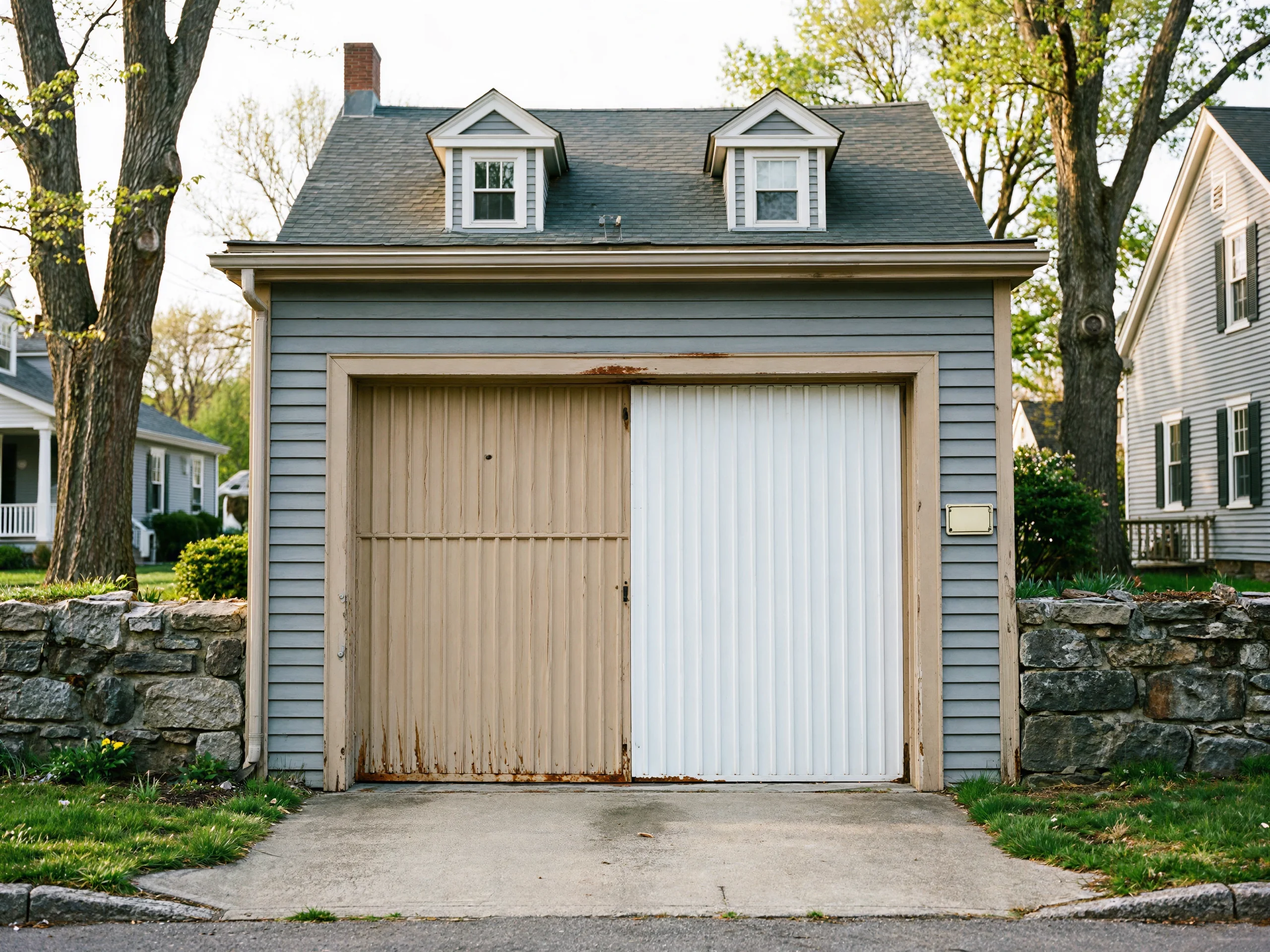
In a town of roughly 6,238 households, most built in the same era, the quotes tend to cluster because the openings are standard sizes and the old hardware is usually the same across the block. You're paying for a door sized to a 1970s-built opening and a crew that drives the 14 miles out from Fairfield to put it in.
Time on the Job
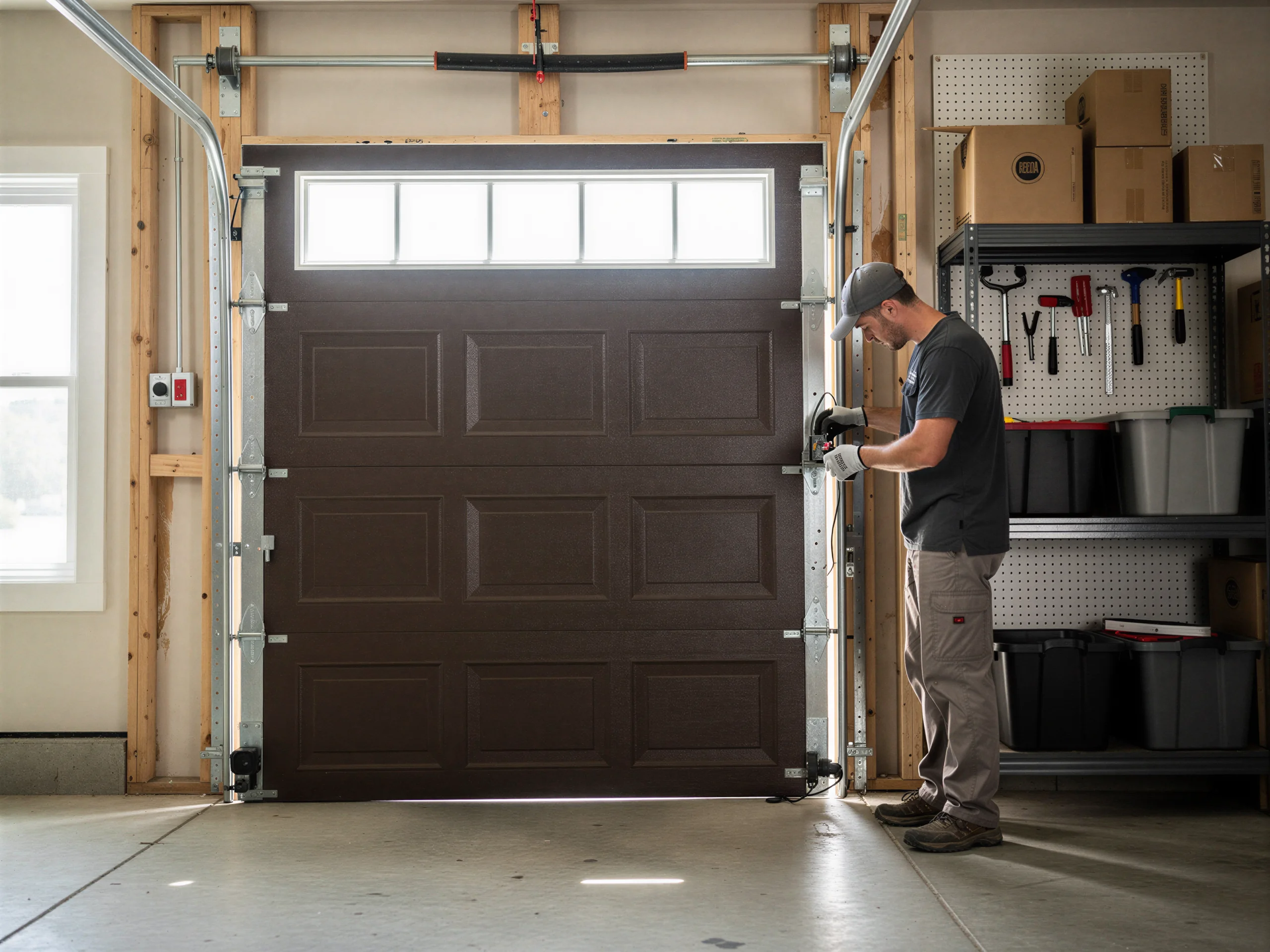
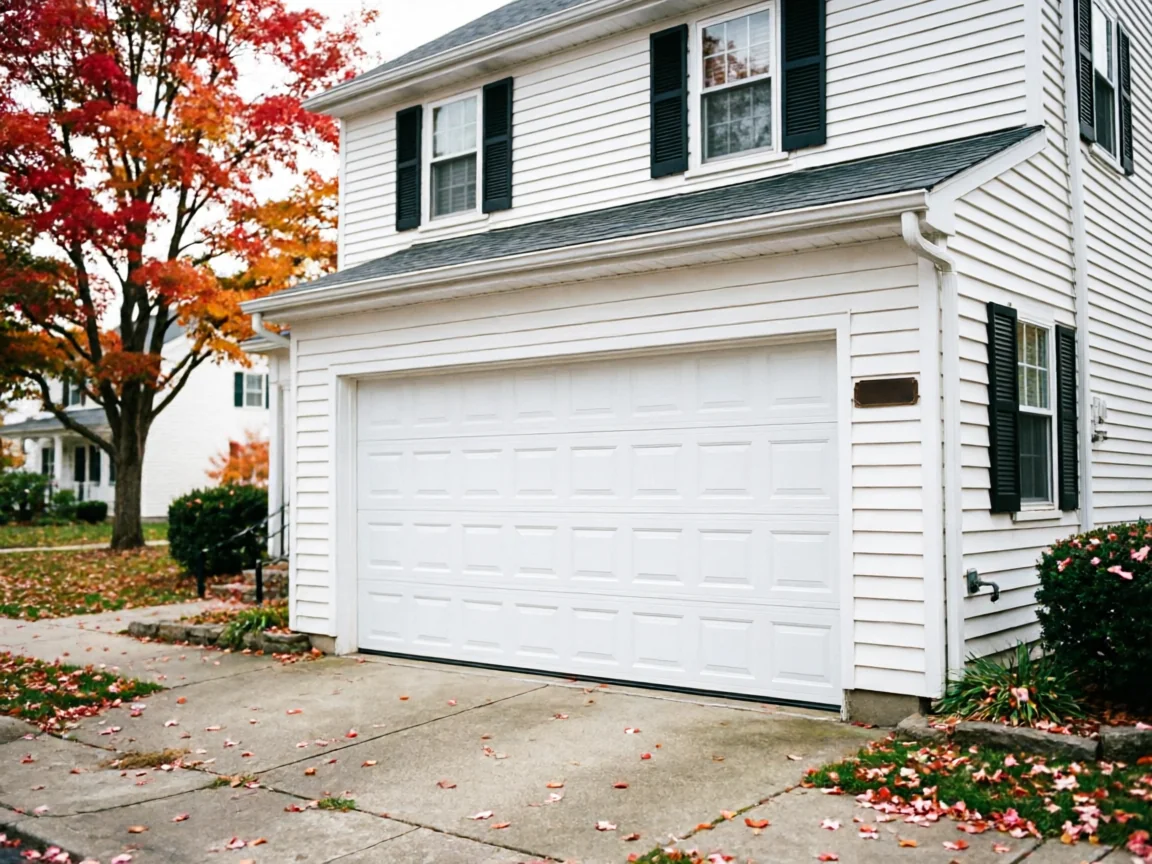
A straight swap - same size opening, new door, new opener - is a one-day job in most cases, start to finish. Where it slows down is the stuff you can't see until the old door's off the track: rotted jamb wood, a header that's out of square after fifty years of settling, or wiring that predates the opener you're putting in. Houses in Monroe cluster around a median build year of 1978, which means the openings themselves are standard, but the framing around them has had four and a half decades to shift.
Because the crew is coming from Fairfield, 14 miles away, scheduling is set in advance rather than same-day. That's worth knowing going in - this isn't a depot-around-the-corner setup, it's a crew that plans the trip, brings what the job needs based on what you've told them, and does the work in one visit when the opening cooperates. If it doesn't cooperate, that's a second trip, not a half-day surprise.
What Can Go Wrong
The climate here runs cold and severe for a good stretch of the year, and that changes what "going wrong" looks like on a door install.
Uninsulated door winter fight
An uninsulated door on a 1978-era opening will fight you every winter - condensation on the inside face, a slab that doesn't fully seat when the temperature drops, weatherstripping that hardens and cracks by February.
Repeating uninsulated panels
If you're replacing a door that age, putting in another uninsulated panel just repeats the problem for another forty years. The other failure point is hardware mismatch. A lot of Monroe doors from this build era were set up with lighter springs and tracks sized for a thinner, lighter panel than what's sold today.
New door, new hardware
Drop a heavier insulated door onto old track and old rollers and you've got a door that binds, an opener straining past its rated cycles, or a spring that's suddenly undersized. New door means new springs and new track, sized to the door you're actually installing - not a shortcut worth taking to save a line item.
Doing It Yourself
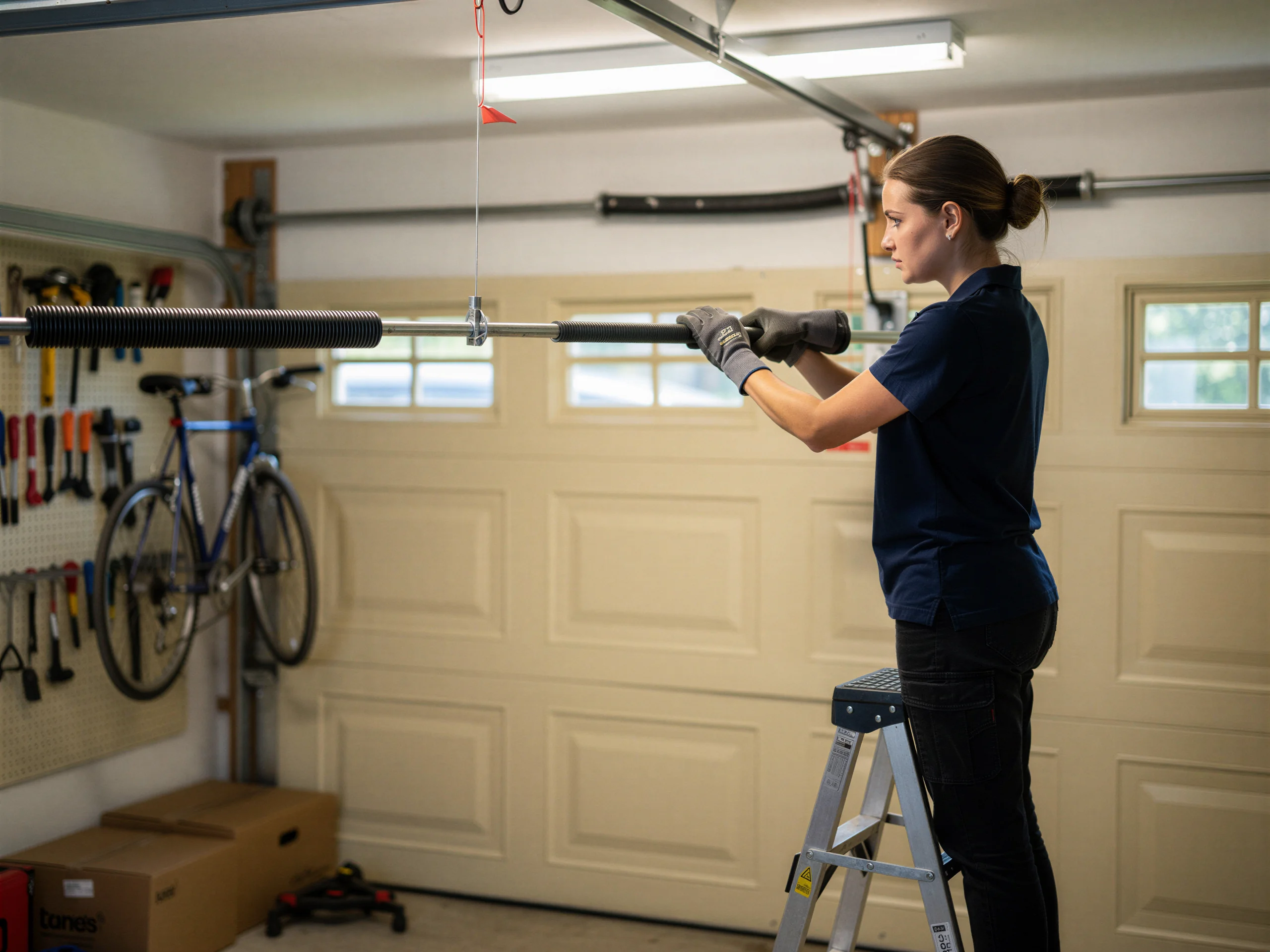
I'll say the honest thing: a straight panel swap on a door that's already square, with an opener you're keeping, is within reach for someone comfortable with tools and willing to read the install manual twice. Springs are not. A torsion spring under tension can put someone in the hospital, and that's true whether the door's going into a house in Monroe or anywhere else - this isn't a scare tactic, it's just the physics of a wound spring.
Where I'd tell you flatly to call rather than DIY: anything involving the spring system, anything where the opening's framing is out of square (common enough in houses pushing fifty years old), and any job pairing a new insulated door with an opener older than the door itself. Mismatched weight ratings on an old opener motor burn it out fast, and you've spent the repair money twice.
Talk to a local pro
Garage door service in Fairfield?
Same-day service with honest, upfront quotes.